Galanthus nivalis
Galanthus nivalis
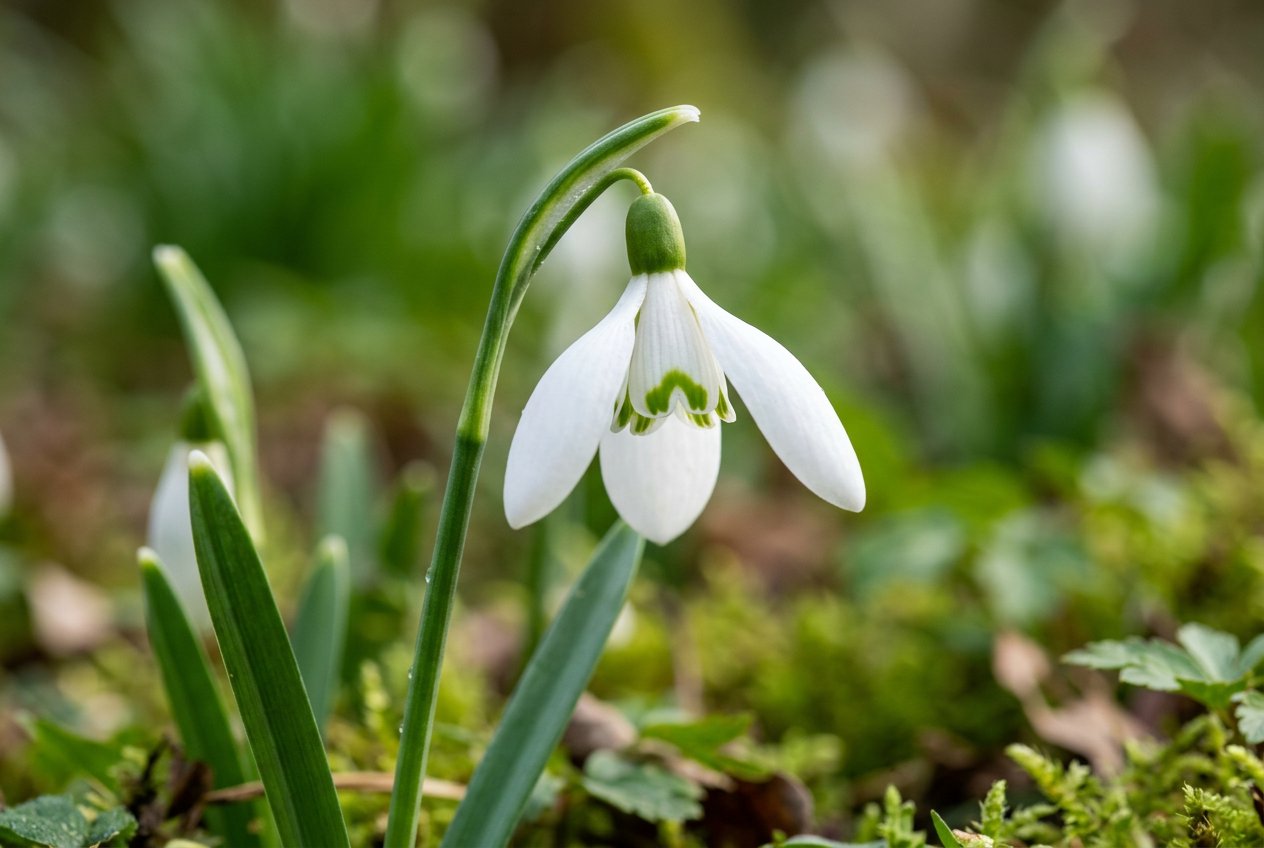
The common snowdrop is one of the first flowers of the year, producing nodding white bells with green markings from January to March. Naturalised across Britain in woodland, churchyards, and gardens. Spreads freely to form large colonies. Best planted 'in the green' (while in leaf) after flowering. A beloved harbinger of spring.
Where to plant
Best aspect
Border position
When to plant and expect flowers
Plant
Flowers
How to grow galanthus nivalis
Plant bulbs in autumn or buy 'in the green' plants in February for better establishment. Naturalises best in moist humus-rich soil under deciduous trees. Do not mow until foliage has died back. Divide congested clumps immediately after flowering.
Soil requirements
Soil type
loam, clay, chalk
Moisture
moist
pH
neutral, alkaline
Aftercare
Allow foliage to die back naturally after flowering. Remove spent flower heads to prevent self-seeding.
Propagation
- Division in the green
- Offsets
- Self-seeding
Wildlife value
Toxicity
Mildly toxic. Contains galantamine and lycorine causing nausea and gastrointestinal upset.
Common problems
- Grey mould
- Narcissus bulb fly
- Snowdrop leaf spot
Similar bulbs to grow
Related guides
How to Attract Birds to Your Garden
Practical guide to attracting wild birds to UK gardens. Covers feeders, food types, bird baths, nest boxes, planting, and seasonal feeding.
Autumn Gardening Jobs: Complete UK Checklist
Month-by-month autumn gardening checklist for UK gardens. Covers planting, bulbs, lawn care, pruning, composting, and wildlife tasks for Sep to November.
Balcony Gardening Ideas for the UK
Practical balcony gardening ideas for UK flats and apartments. Container choices, weight limits, wind protection, and the best plants for exposed spaces.