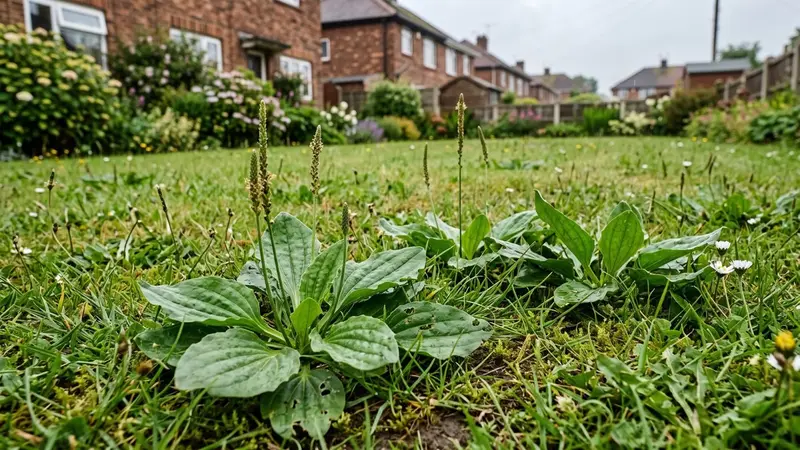
Greater Plantain in Lawns: Fix the Cause
Greater plantain survives mowing and favours worn turf. Identify it, remove the crown, and repair the compaction beneath your lawn.
Open guideIdentify the cause before choosing a treatment. Follow practical, organic-first advice for common garden problems.
Choose where to begin
Correct identification is the first step towards solving a garden problem. These 191 guides show the signs to check before you act. They cover common pests, diseases and damage found in UK gardens. Cultural and physical controls come first where suitable. Use the recommended guides below, then browse the full problem library if you need another diagnosis.
Recommended first
Quick routes into the questions gardeners ask most often.
Separate useful control methods from common folklore.
Read guide 02Identify mildew, rust, botrytis and blight.
Read guide 03Recognise and manage blackfly on broad beans.
Read guide 04Protect plants from pigeons, squirrels, rabbits and deer.
Read guideFrom the library
191 guides in this section
Greater plantain survives mowing and favours worn turf. Identify it, remove the crown, and repair the compaction beneath your lawn.
Open guide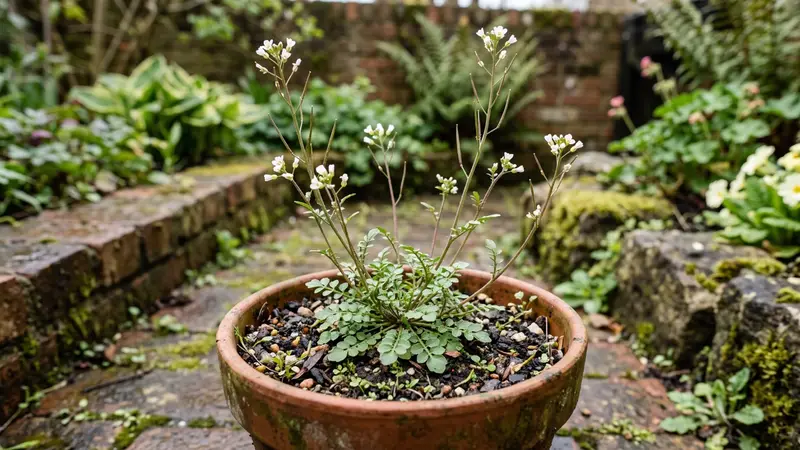
Hairy bittercress fires seeds across nearby pots. Identify this fast weed, control it before pods explode, and use clean leaves as peppery cress.
Open guide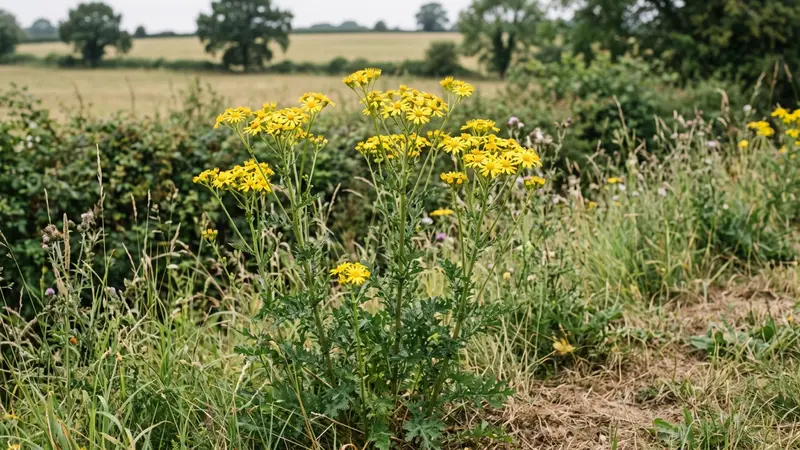
Ragwort is toxic to grazing animals but valuable for wildlife. Identify it, remove it safely before seed, and understand the law.
Open guide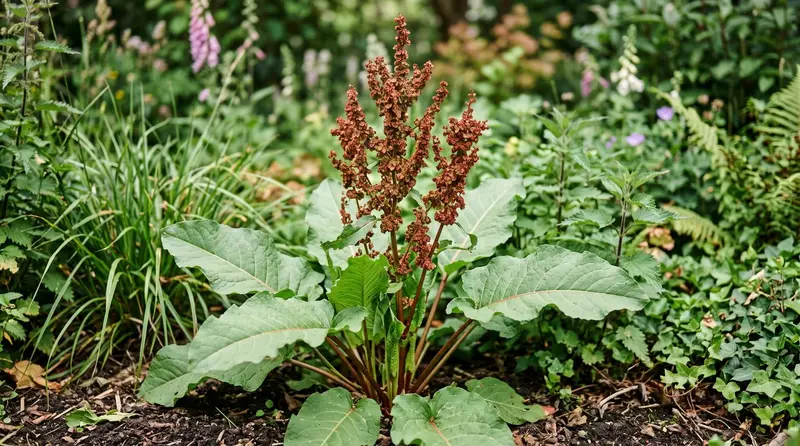
Broad-leaved dock has a deep tap root and seeds that last decades. How to dig it out properly, stop it seeding, and use it on nettle stings.
Open guide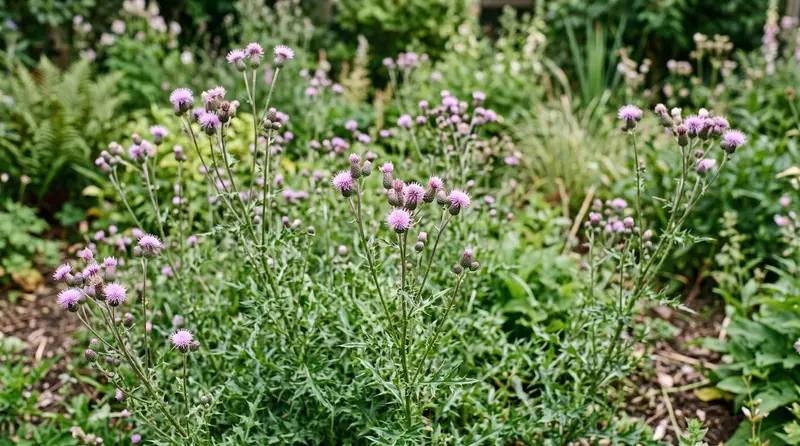
Creeping thistle spreads by brittle roots and wind-blown seed. Identify it, control it by cutting before it seeds, and know the legal duty.
Open guide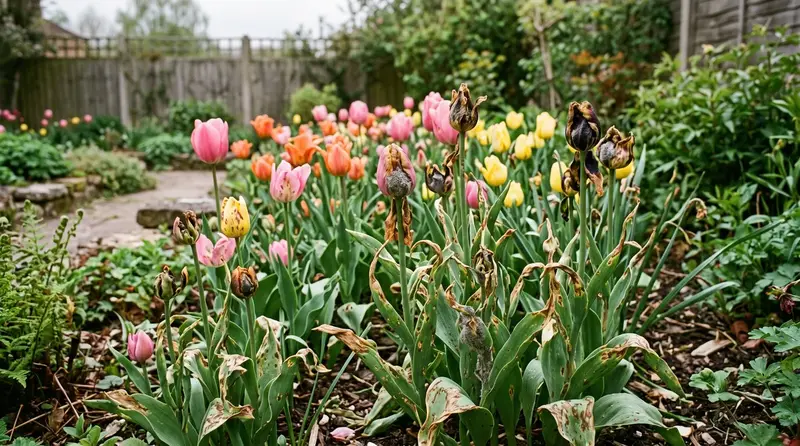
Tulip fire scorches, twists and spots tulips each spring. Spot the grey-mould primaries, rogue them out fast, and break the cycle with a three-year gap.
Open guide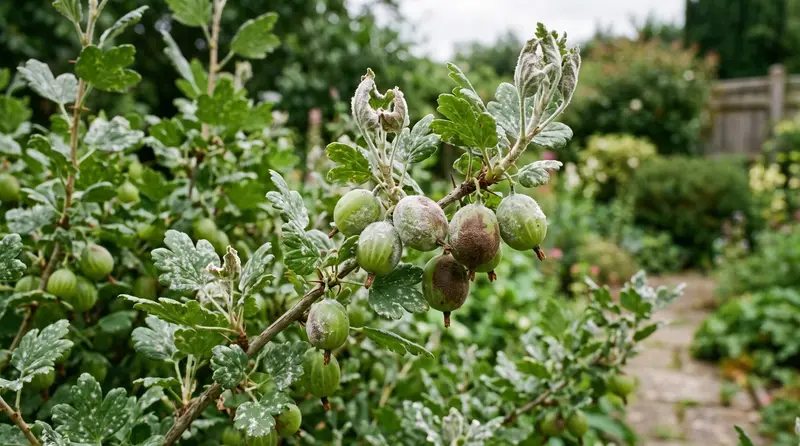
American gooseberry mildew coats shoots and berries in white felt. Beat it with open pruning, less nitrogen and resistant varieties like Invicta.
Open guide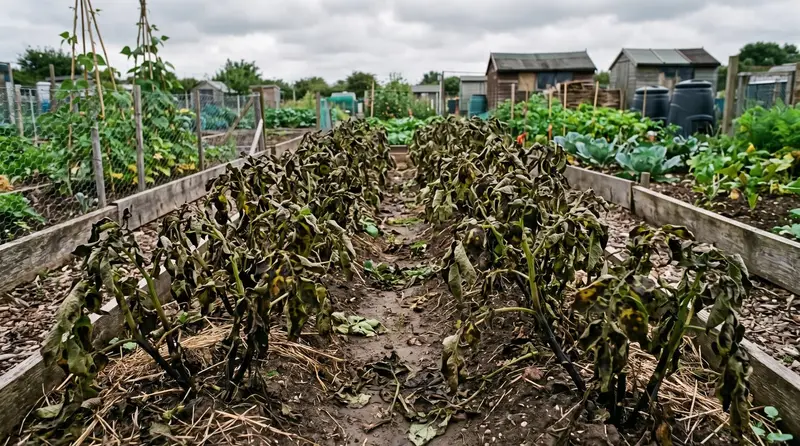
Potato blight can strip an allotment in a week. Use blight alerts, the earlies-escape trick, haulm cutting and Sarpo varieties to save your crop.
Open guide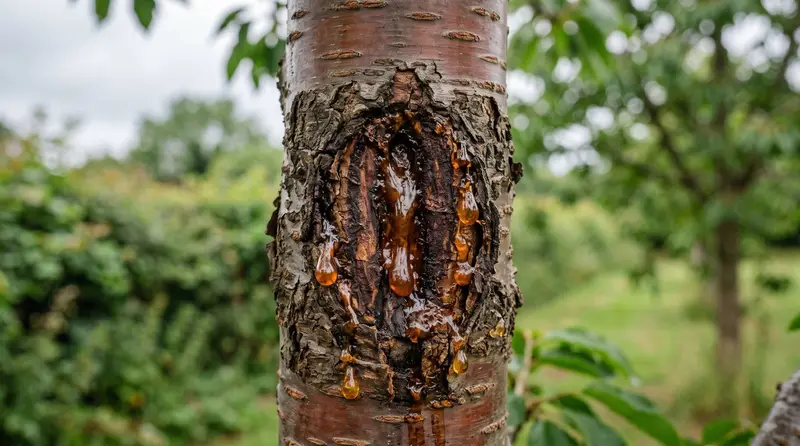
Bacterial canker on cherry and plum trees: spot the amber gum and shot-hole, prune at the right time, and choose resistant Prunus for UK gardens.
Open guide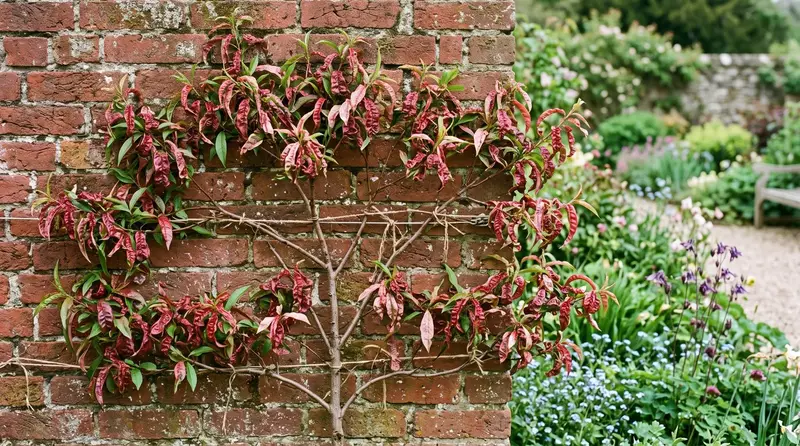
Peach leaf curl blisters and reddens new peach leaves each spring. Learn why a rain shelter beats every spray and the resistant variety that dodges it.
Open guide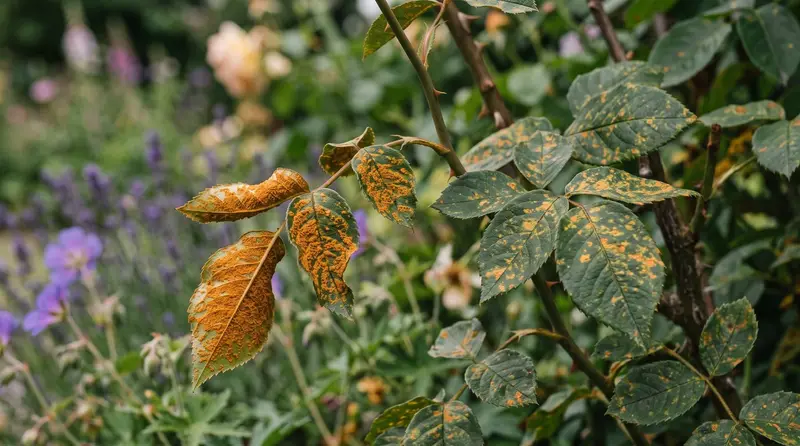
Rose rust brings bright orange pustules under the leaves from May. Tell it from black spot and break the cycle with autumn leaf clearance and potash.
Open guide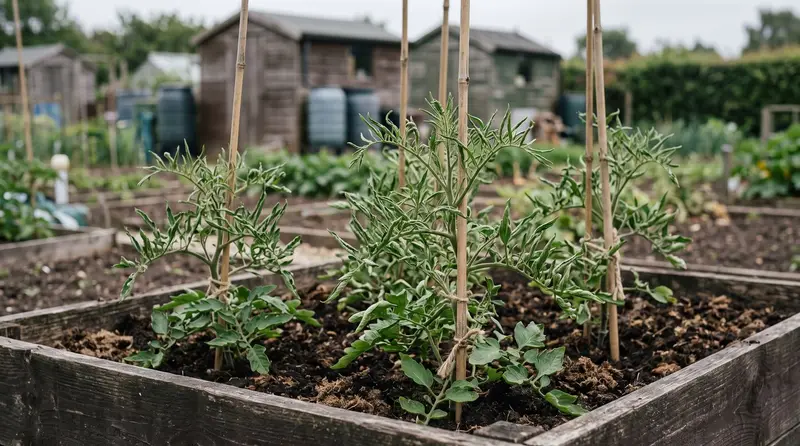
Aminopyralid contaminated manure and compost cause ferny, twisted growth on tomatoes, beans and potatoes. How to spot, test for and clear it in UK gardens.
Open guide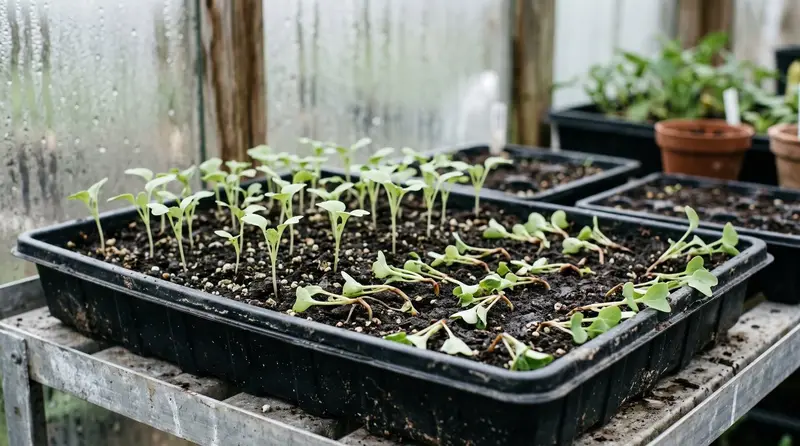
Damping off collapses UK seedlings at the soil line overnight. Learn to spot the fungus, stop it, and fix the other common seed-sowing failures.
Open guide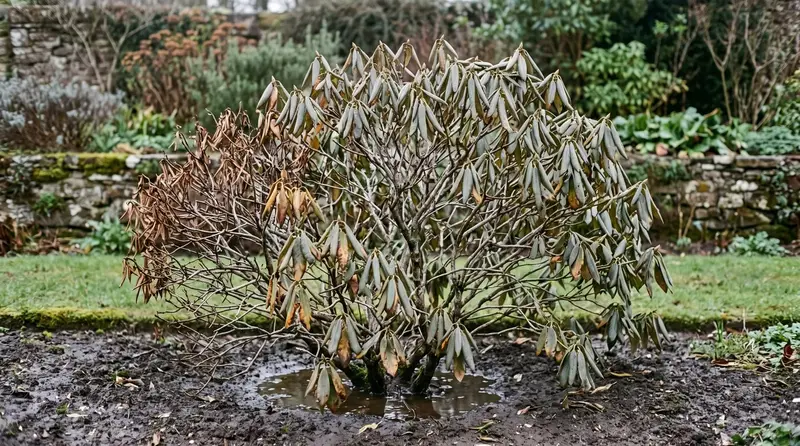
Phytophthora root rot kills shrubs and trees in wet UK soil. Spot the dark stain at the base, tell it from honey fungus, and stop the spread.
Open guide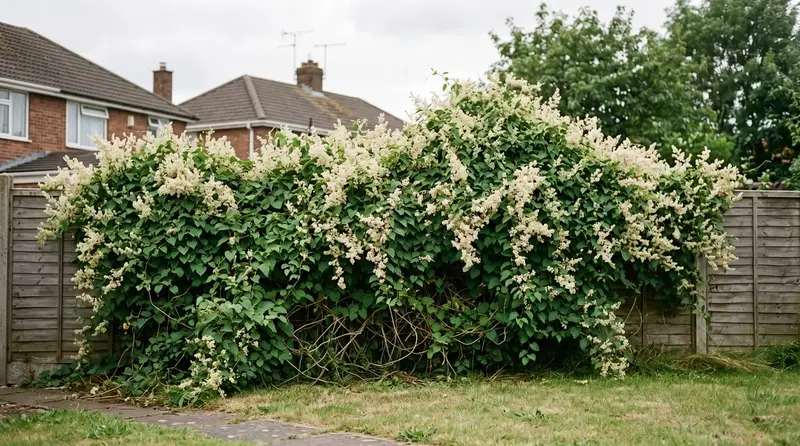
Russian vine is not Japanese knotweed. Learn to tell them apart, grow it as fast screening, prune it hard, or dig and kill it for good.
Open guide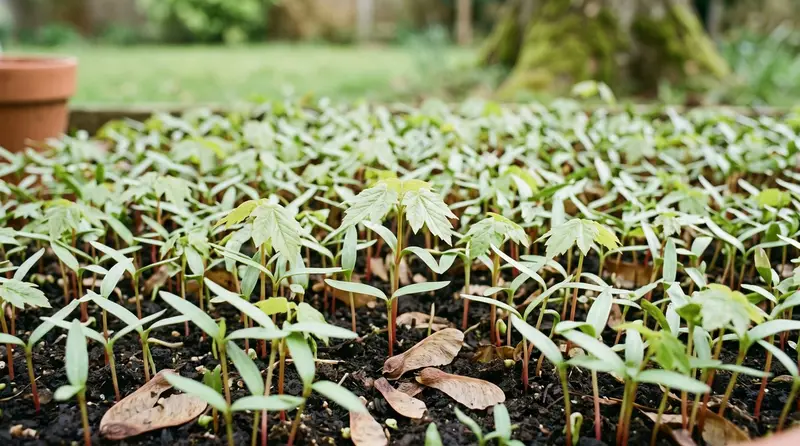
Sycamore seedlings taking over? Learn how to get rid of them, from hoeing young ones to cut-stump treatment on established self-sown saplings.
Open guide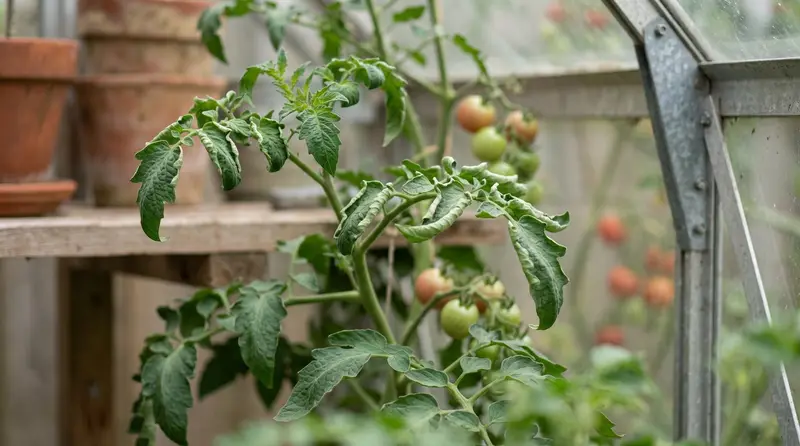
Tomato leaves curling? Learn why they curl up or down, from harmless leaf roll to herbicide, virus and mite damage, and the fix for each UK cause.
Open guide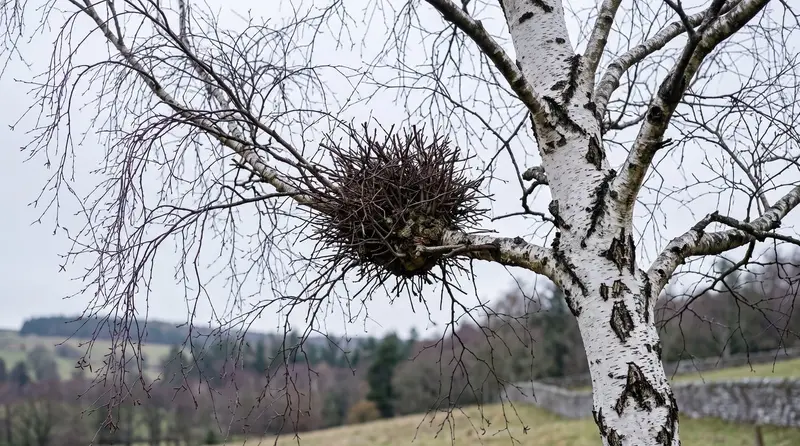
Witches' broom in trees is a dense twiggy mass, usually caused by Taphrina fungus. Learn what it is, whether it harms your tree, and when to prune.
Open guide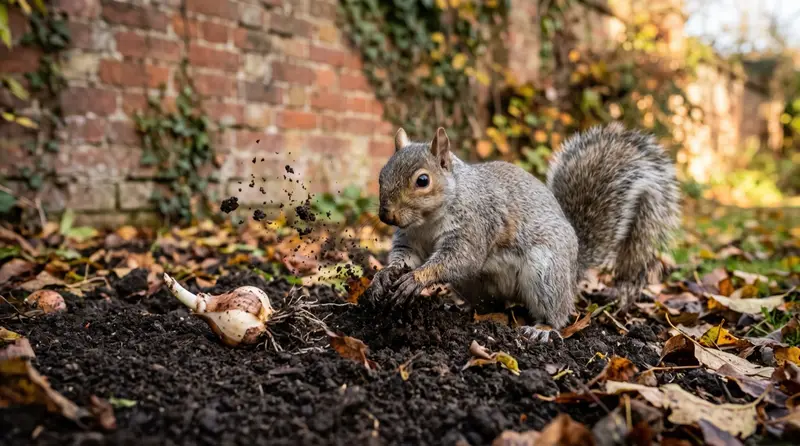
Stop squirrels digging up bulbs with methods ranked by measured effectiveness: mesh aperture, planting depth, bulb choice, and the deterrents that fail.
Open guide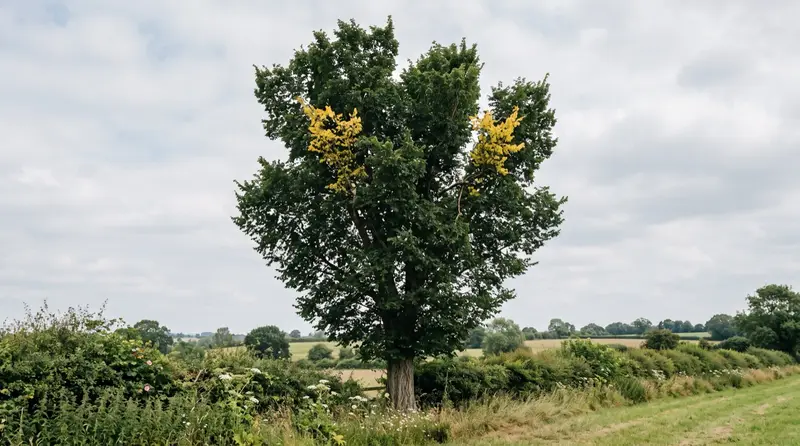
Dutch elm disease symptoms for UK gardeners: summer flagging, the brown sapwood ring test, elm bark beetle spread and the resistant elms worth planting.
Open guide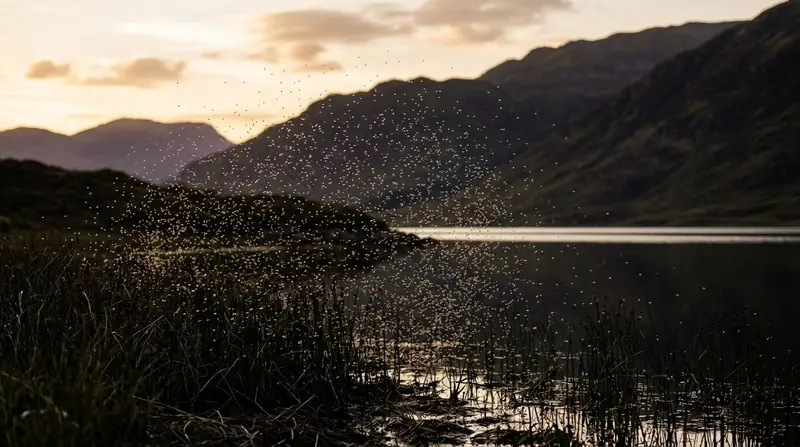
Midges ruin UK summer evenings. What repels them, what is folklore, and why a 7mph breeze beats every product you can buy. Evidence-first UK guide.
Open guide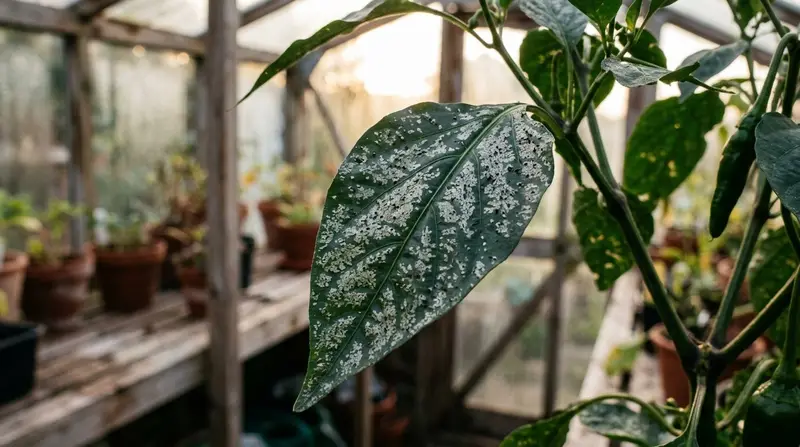
Glasshouse thrips leave silver stippling and black specks. Why leaf sprays fail, the 13-day lifecycle, and the predator mites that actually clear them.
Open guide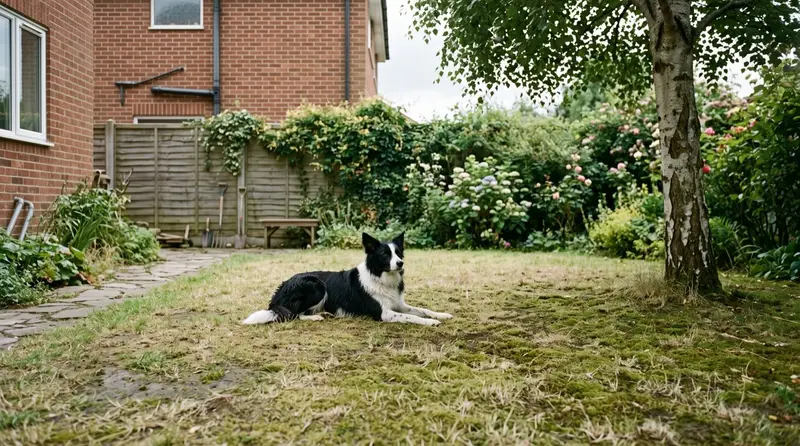
Which grass really grows in shade in UK gardens. Fine fescues vs marketing claims, light thresholds in hours and lux, and when dry shade is unwinnable.
Open guide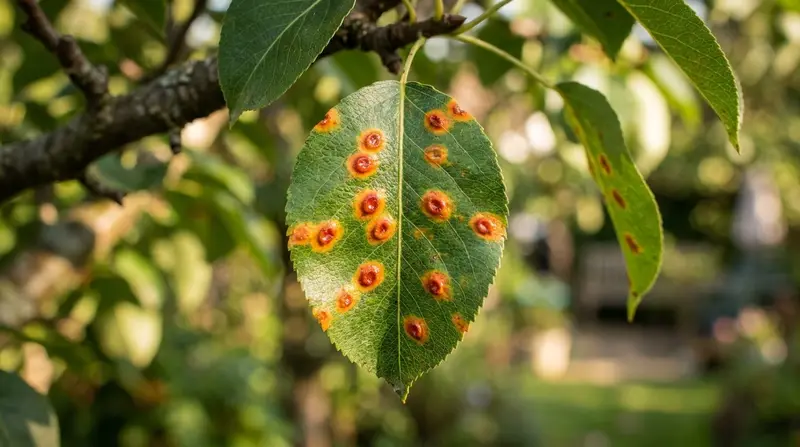
Pear rust identification and treatment in UK gardens: bright orange leaf spots, the fringed aecia underneath, and why the cure is a juniper, not your pear.
Open guideFull index