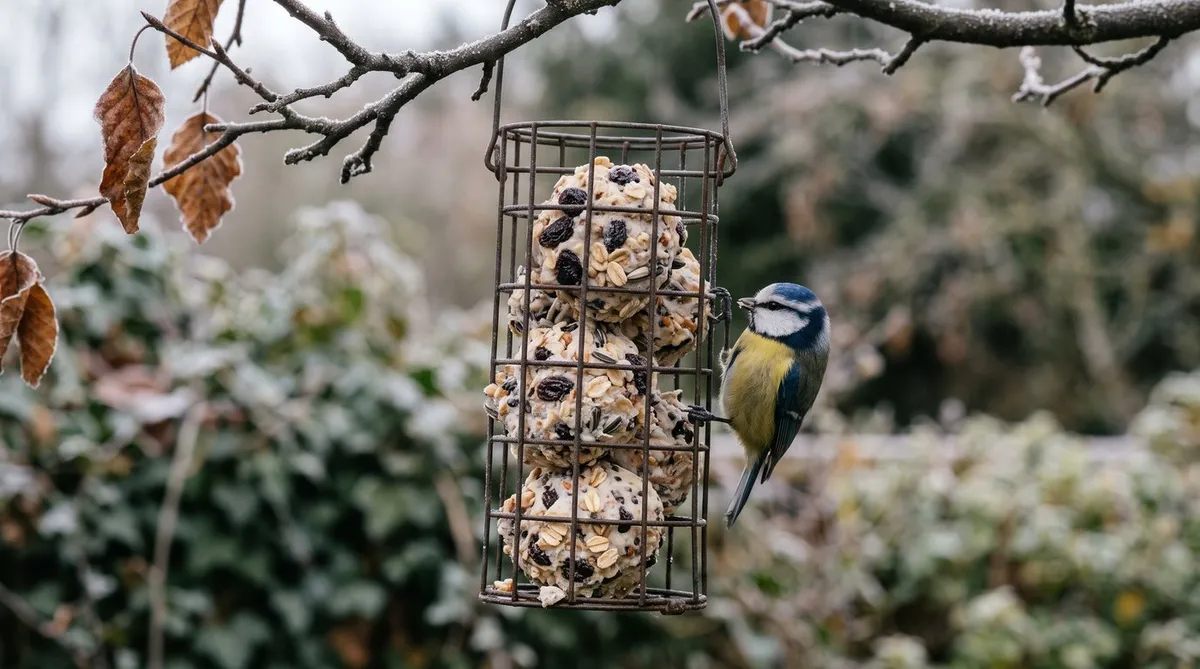
How to Make Fat Balls for Birds
Make homemade fat balls for garden birds with lard or suet and seed. Easy recipe, safe ingredients, what to avoid, and how to hang them.
Read the guideAttract and support birds, bees, butterflies, and beneficial insects in your garden.
Make homemade fat balls for garden birds with lard or suet and seed. Easy recipe, safe ingredients, what to avoid, and how to hang them.
Read the guide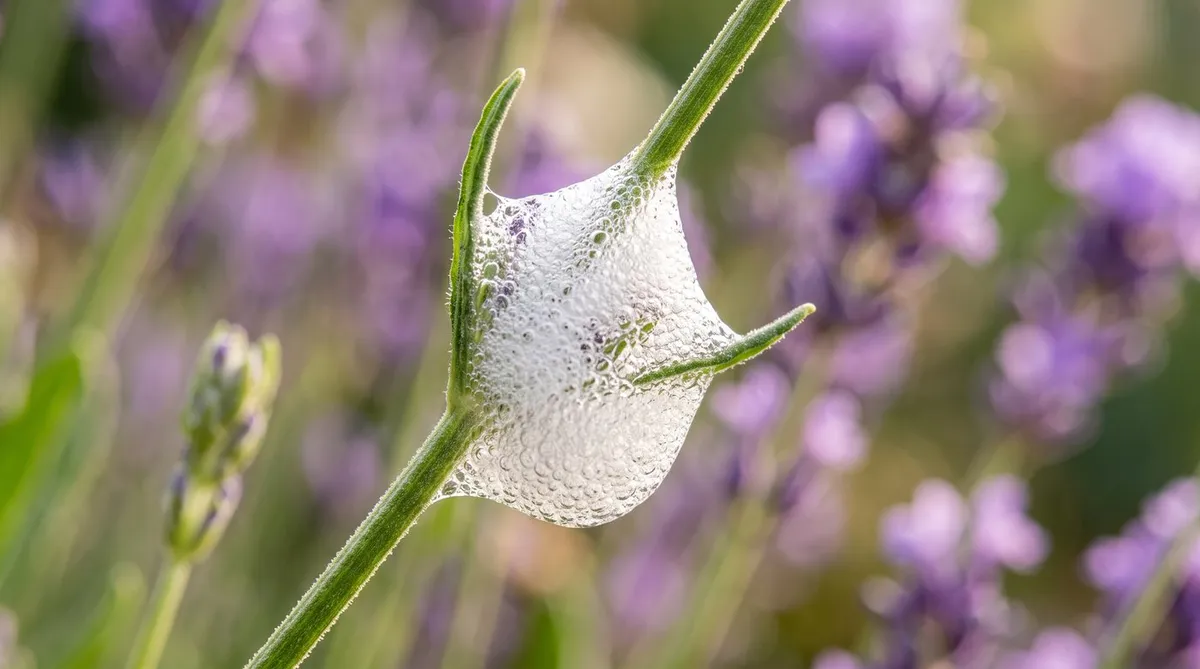
That white froth on your lavender is cuckoo spit, made by a harmless froghopper nymph. What it is, why it does no harm and why you can leave it be.
Read the guide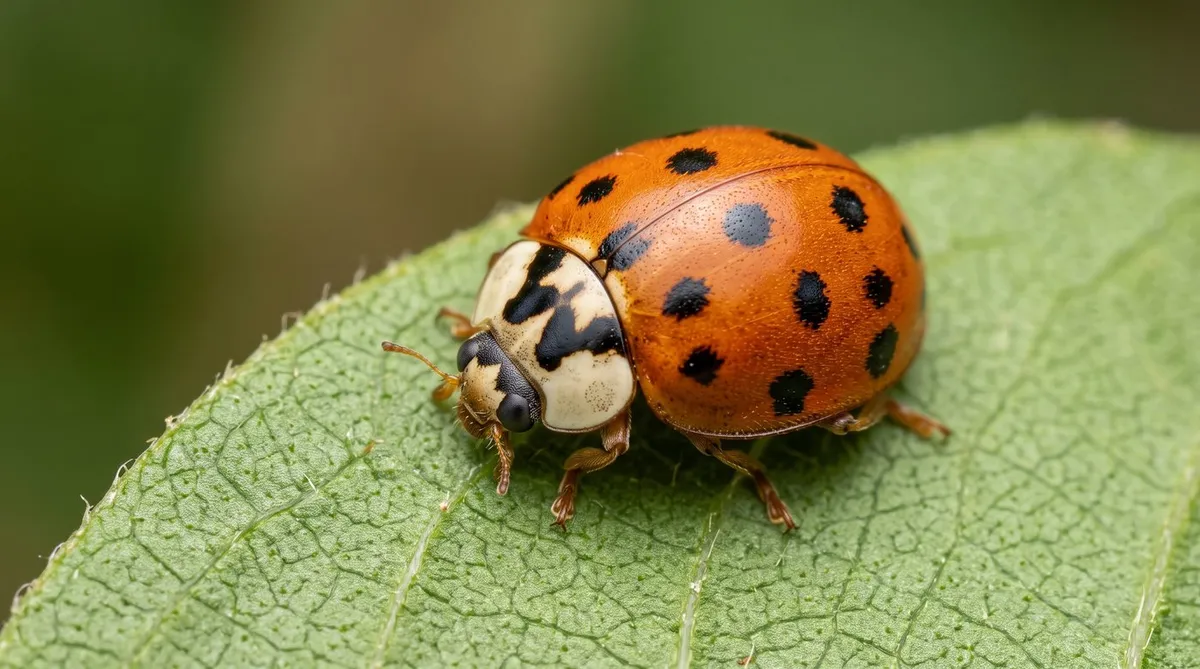
How to tell a harlequin ladybird from a native 7-spot or 2-spot: check the legs, size and the black M behind the head, and what to do if they come indoors.
Read the guide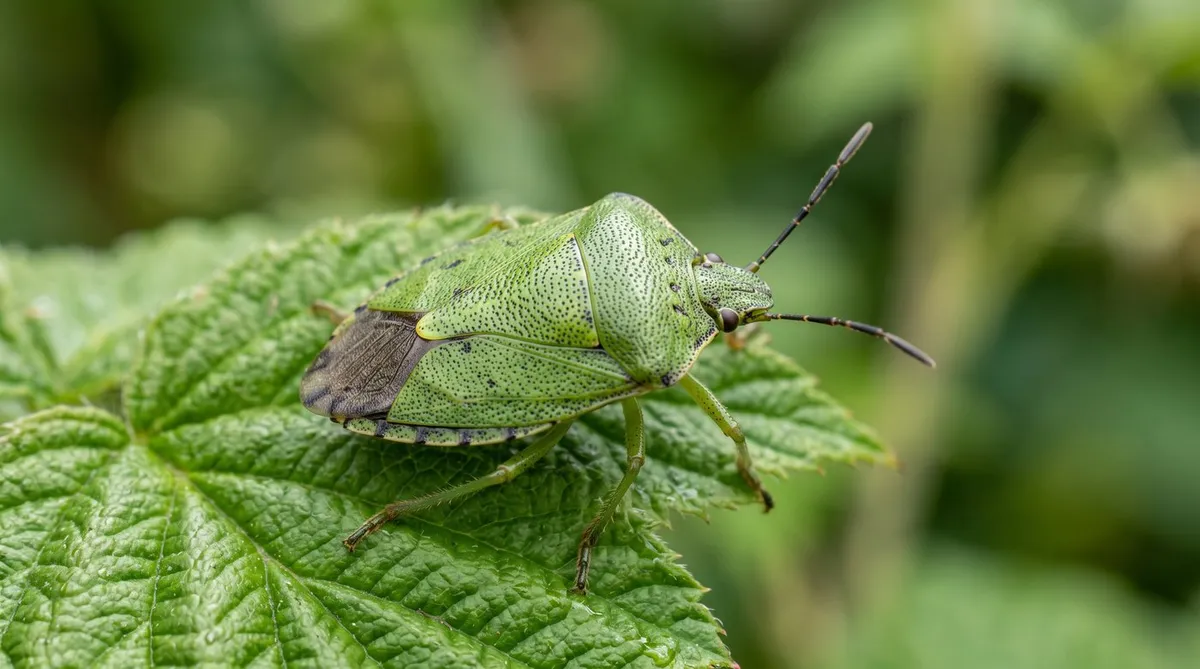
Found a green shield bug on your beans? Here's how to identify the harmless native, why it turns brown in autumn and how to spot the southern green one.
Read the guide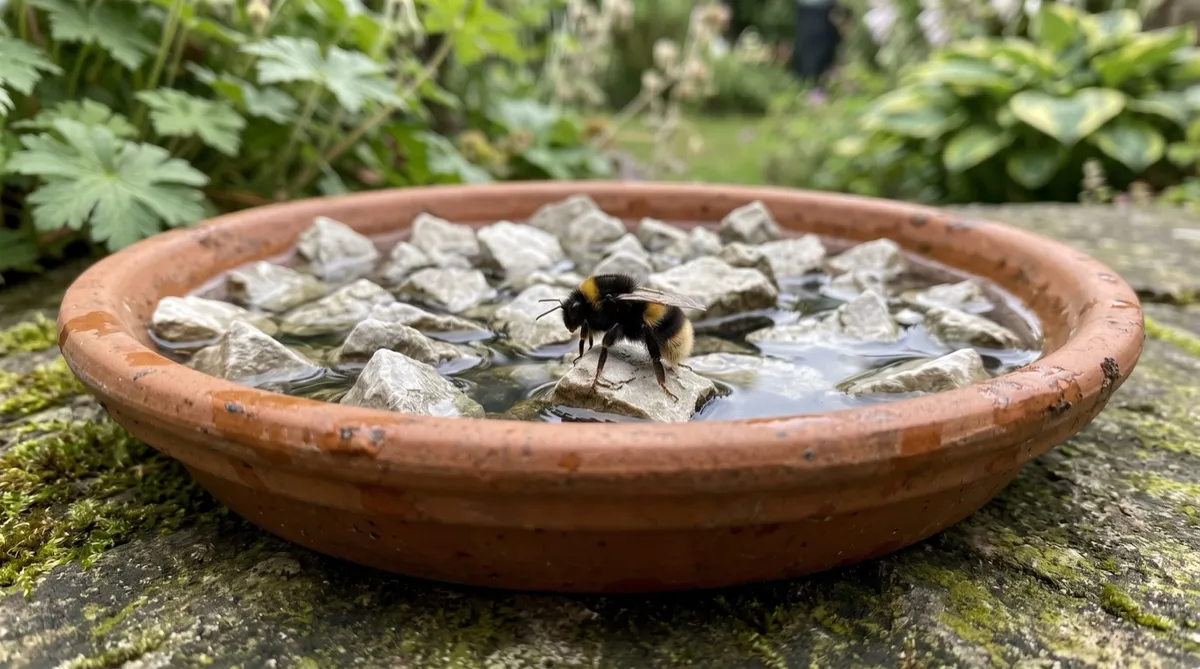
Do bee bars of sugar water help bees? Why a standing sugar dish does more harm than good, when one drop is fine, and the water dish that does help.
Read the guide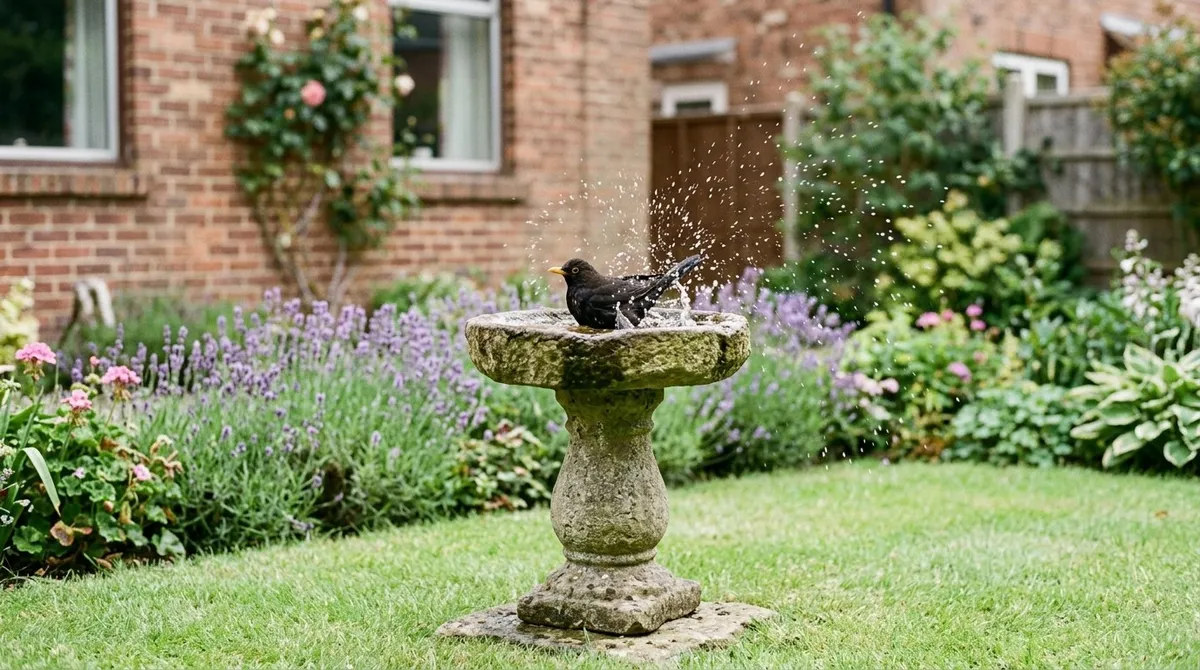
Where to put a bird bath, how deep to fill it and how to keep it clean and ice-free, so birds use it all year without spreading disease.
Read the guide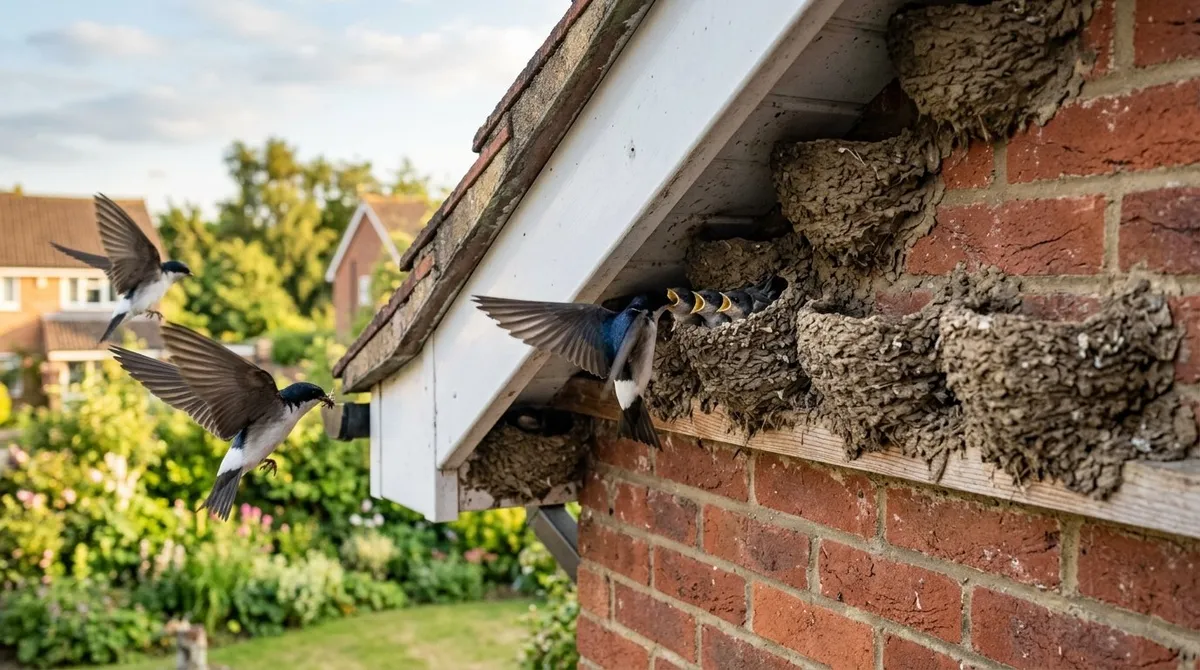
How to attract house martins to your UK home with grouped nest cups and a spring mud patch, plus living happily and legally with an active colony.
Read the guide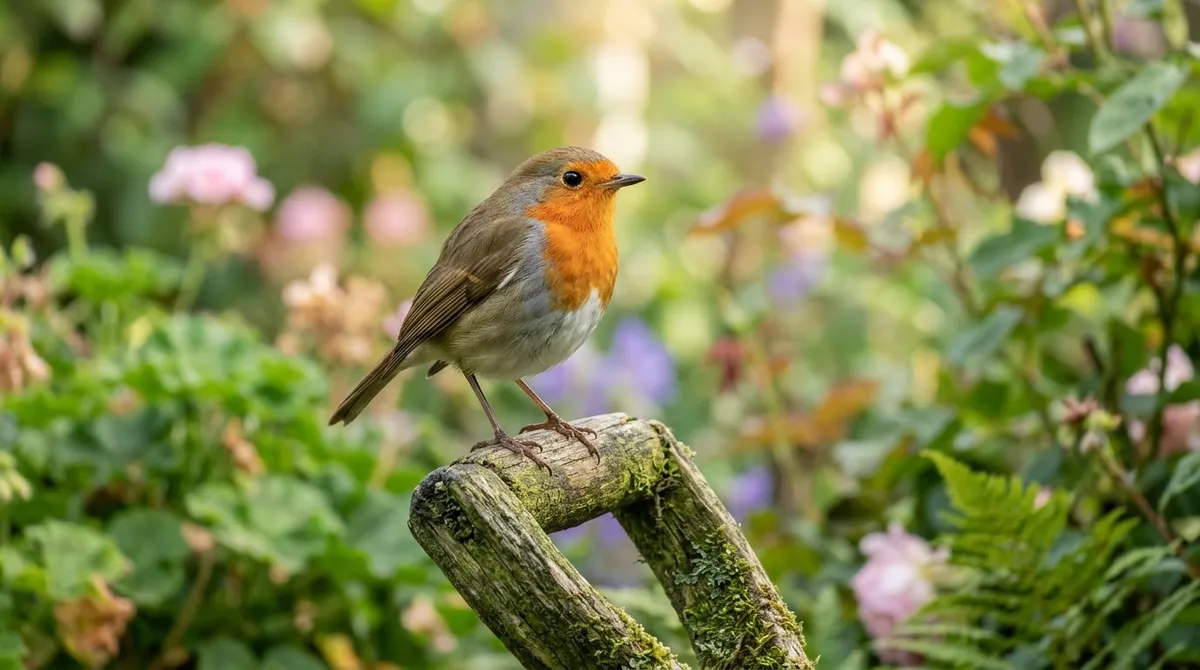
How to attract robins to your garden: soaked mealworms on a low tray, an open-fronted nest box in cover, shallow water and a freshly dug border.
Read the guide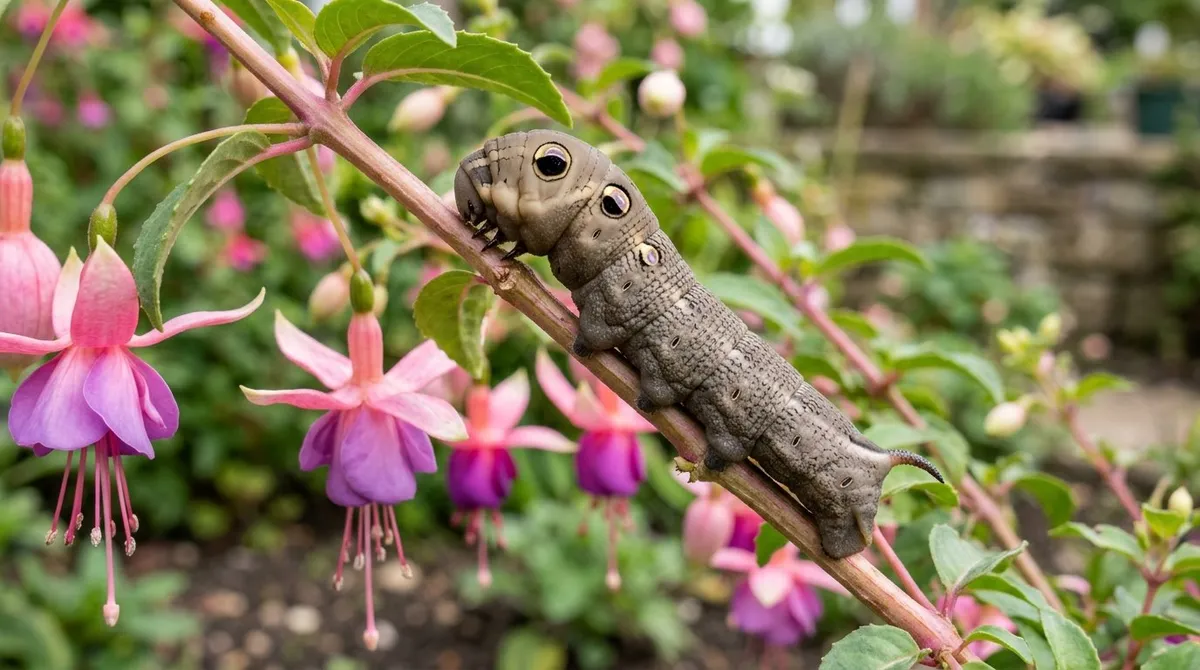
Found a huge brown caterpillar with eye spots? It's an elephant hawk moth caterpillar, harmless to people and pets. How to identify it and what to do.
Read the guide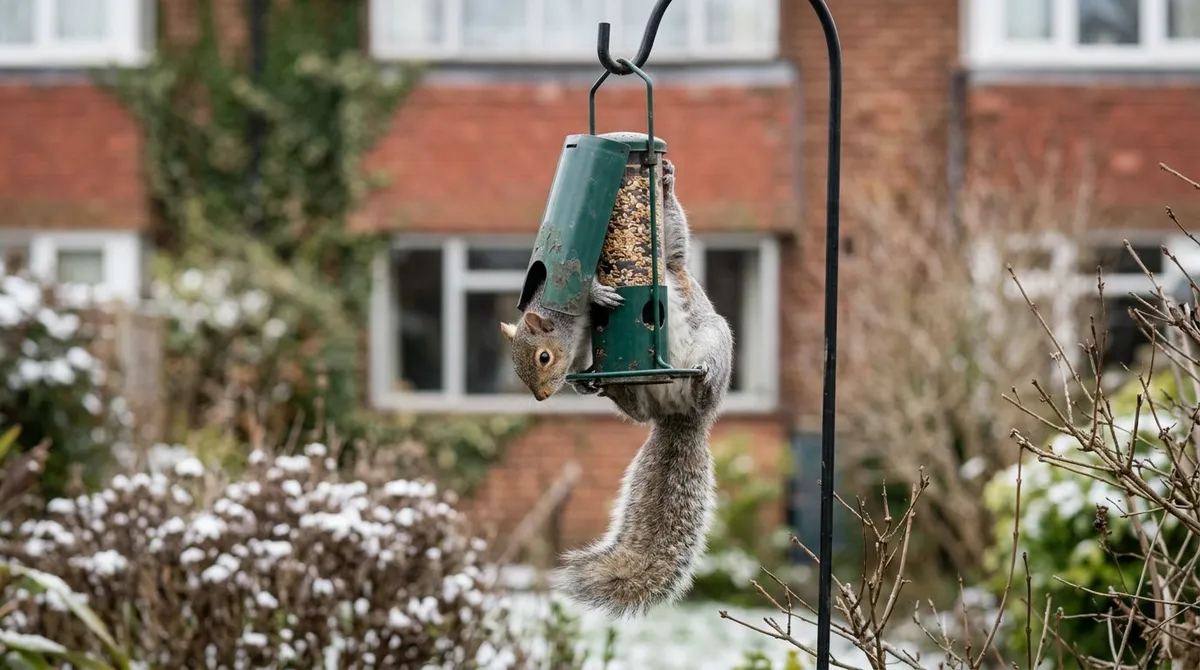
Squirrel proof bird feeders that work: weight-activated and caged feeders, where to hang a baffle, the tricks that fail, and the law on grey squirrels.
Read the guide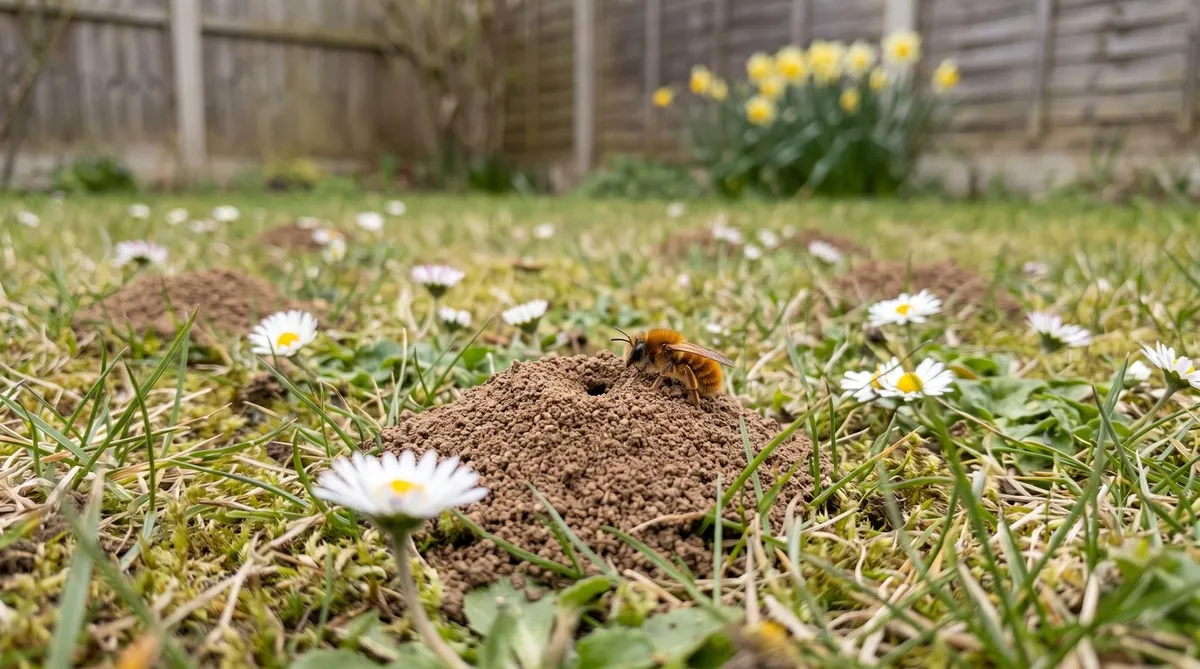
Small volcano mounds in your lawn in spring are usually mining bees. How to identify them, why they're harmless and the best thing to do about them.
Read the guide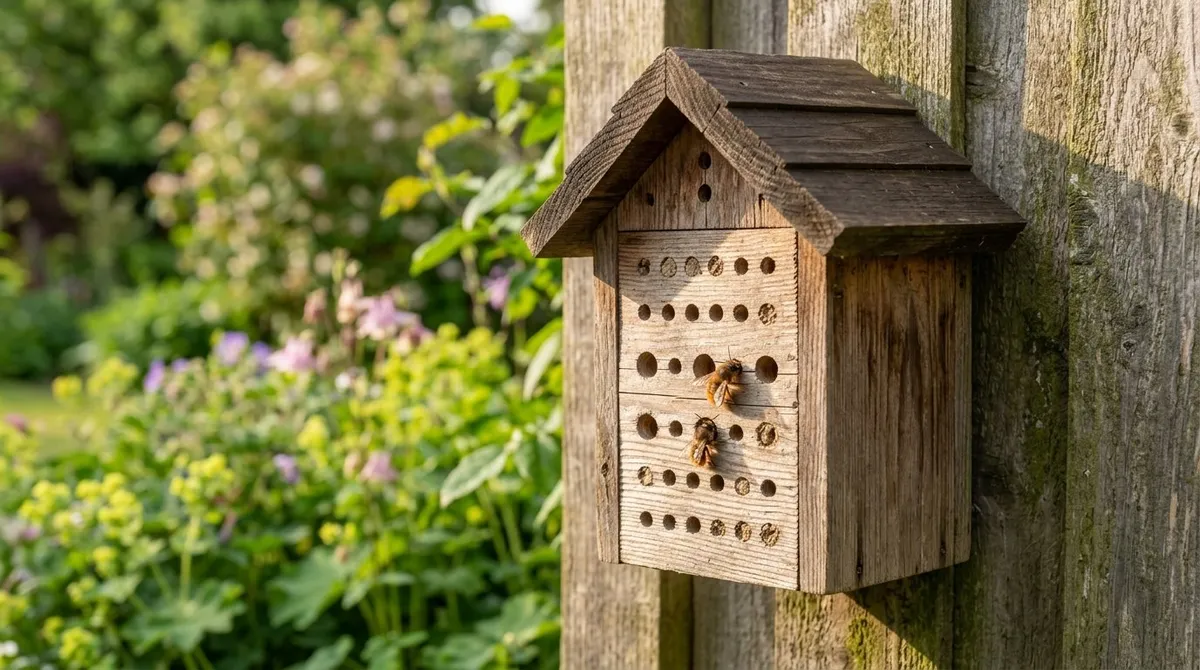
How to make a bee house for solitary bees from a hardwood block or hollow stems, where to put it in a UK garden and how to keep it clean each year.
Read the guide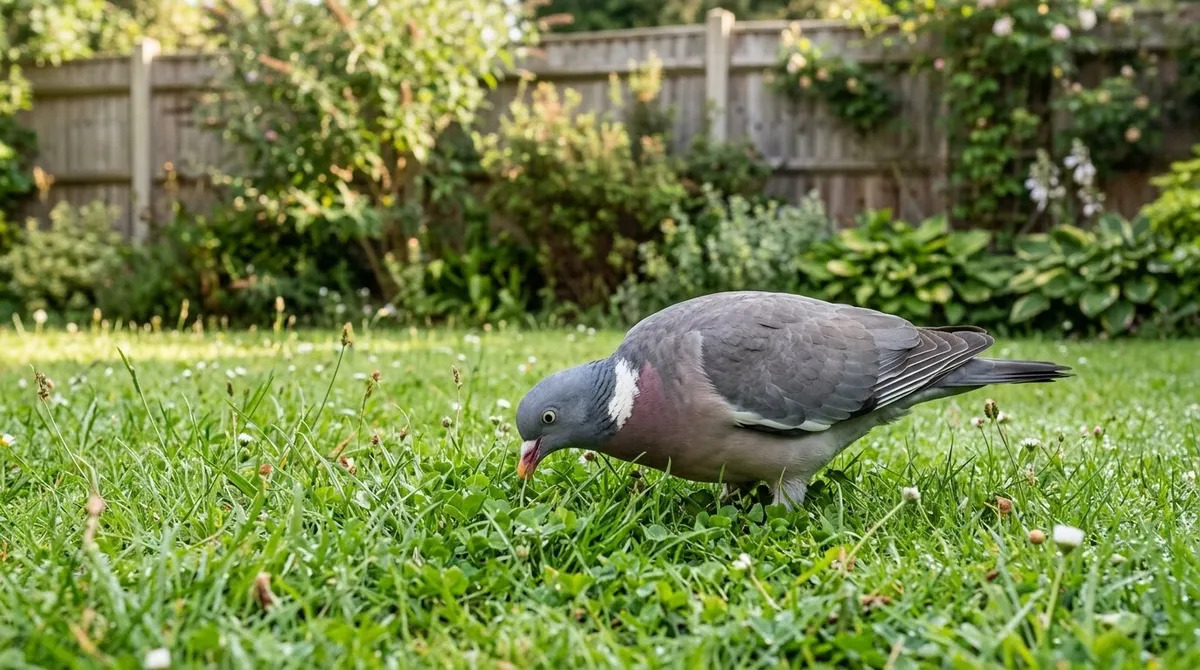
Wondering what wood pigeons are pecking at on your lawn? Mostly clover, seed and grit. Here's what they eat, and how to protect new seed and brassicas.
Read the guide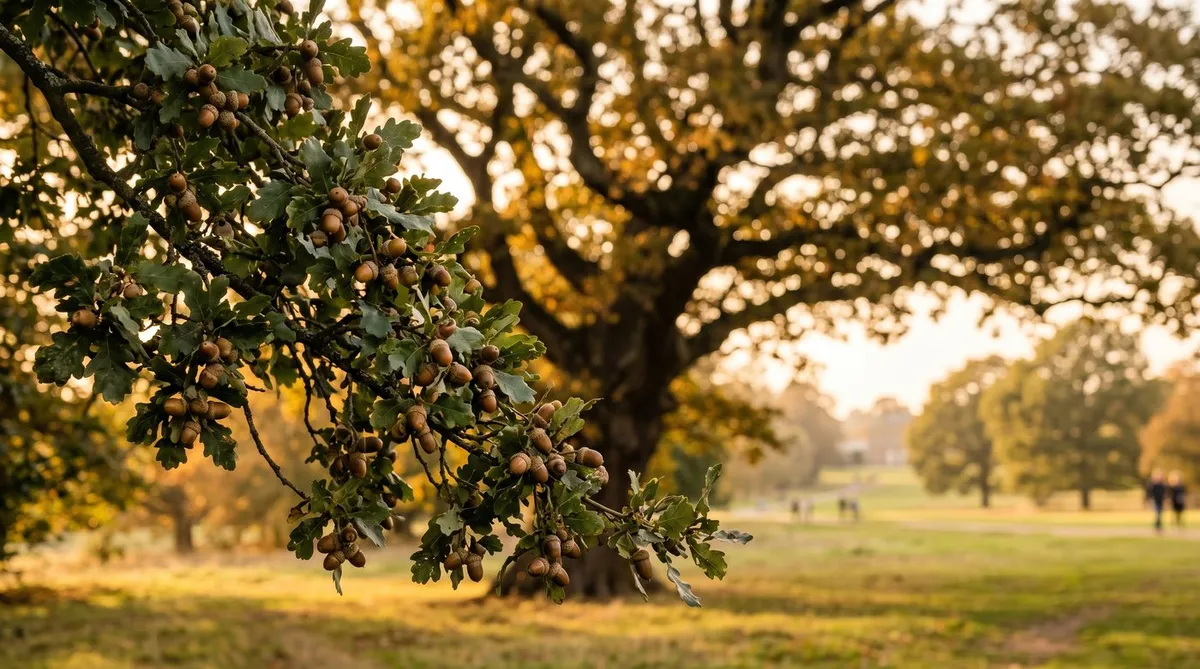
What is a mast year? Why UK oaks and beech drop huge crops of acorns and nuts some autumns, how it affects garden wildlife and what to do with the glut.
Read the guide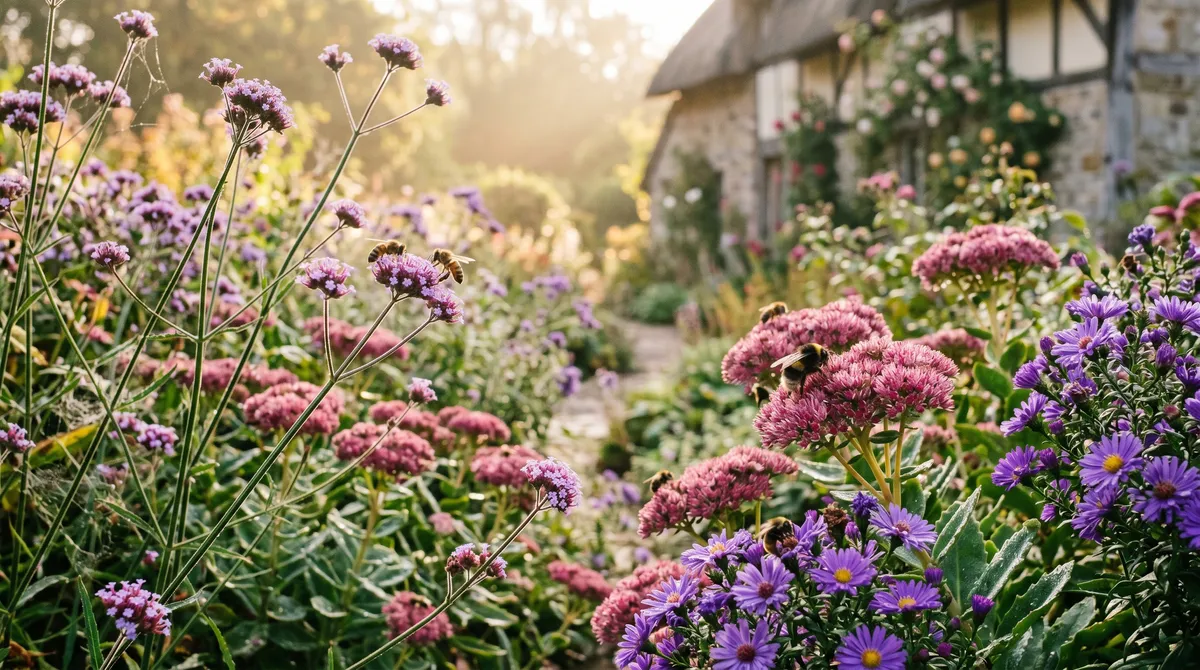
Autumn flowering plants for bees: 13 late nectar plants from ivy and sedum to mahonia, plus how to keep something in flower from September into winter.
Read the guide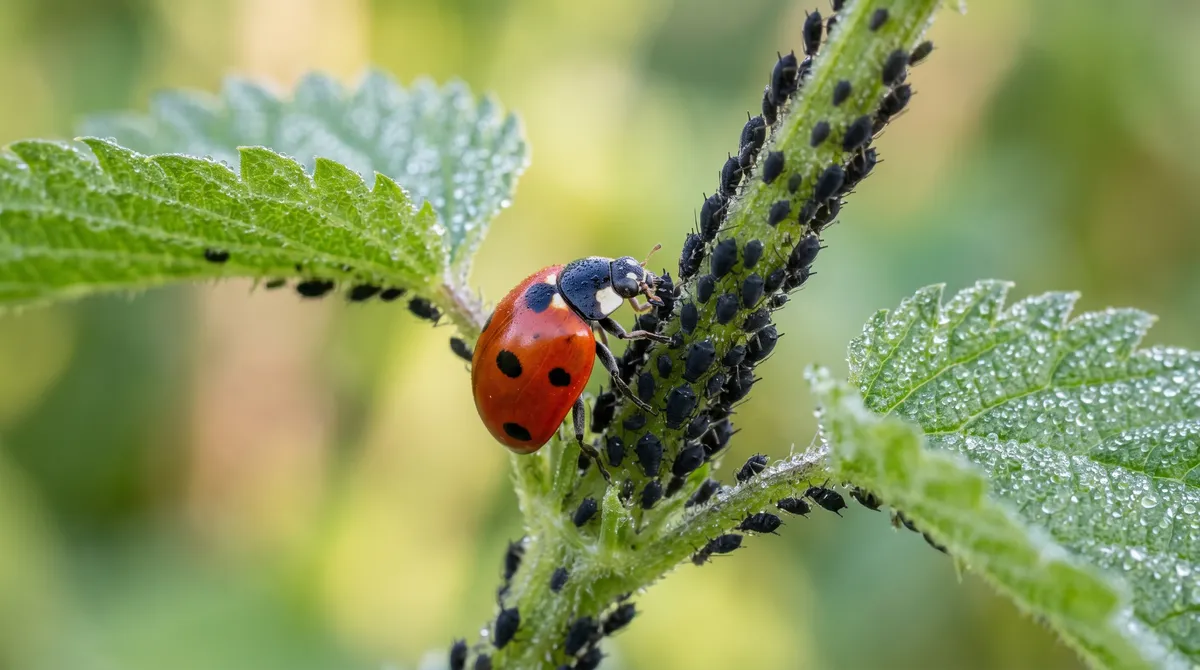
Good bugs vs bad bugs in UK gardens: a quick friend-or-foe table, the helpful larvae people squash by mistake and how to let predators do the work.
Read the guide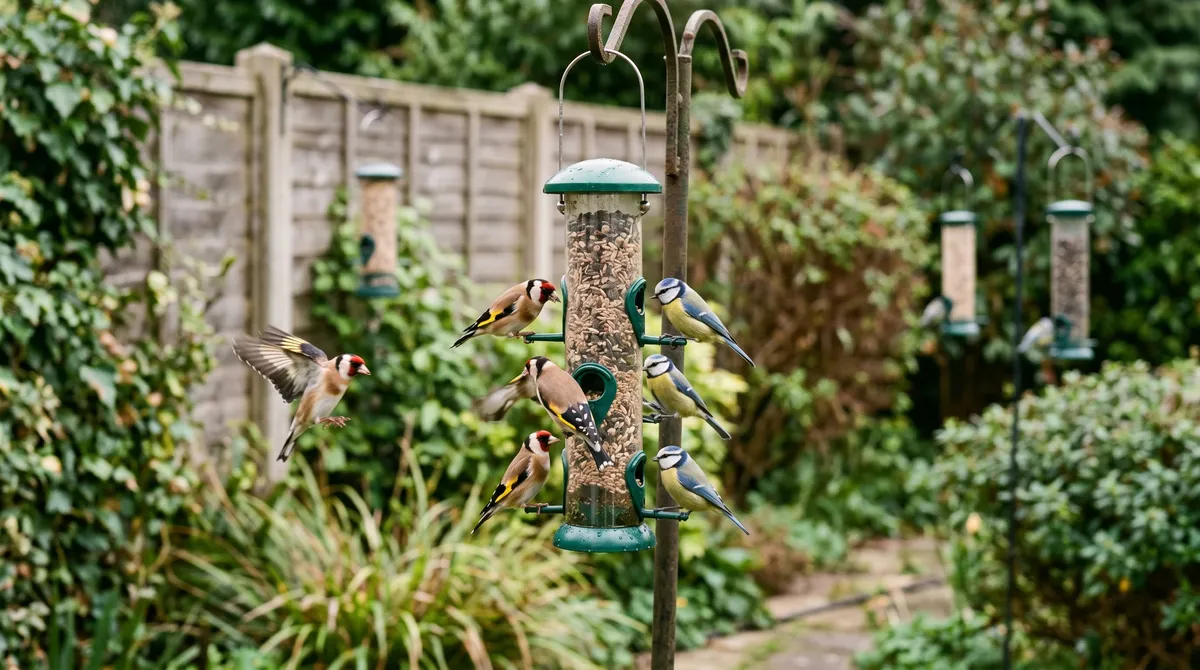
The new RSPB bird feeding advice explained: the May to October seed pause, why bird tables are out, weekly cleaning and what to do in your garden now.
Read the guide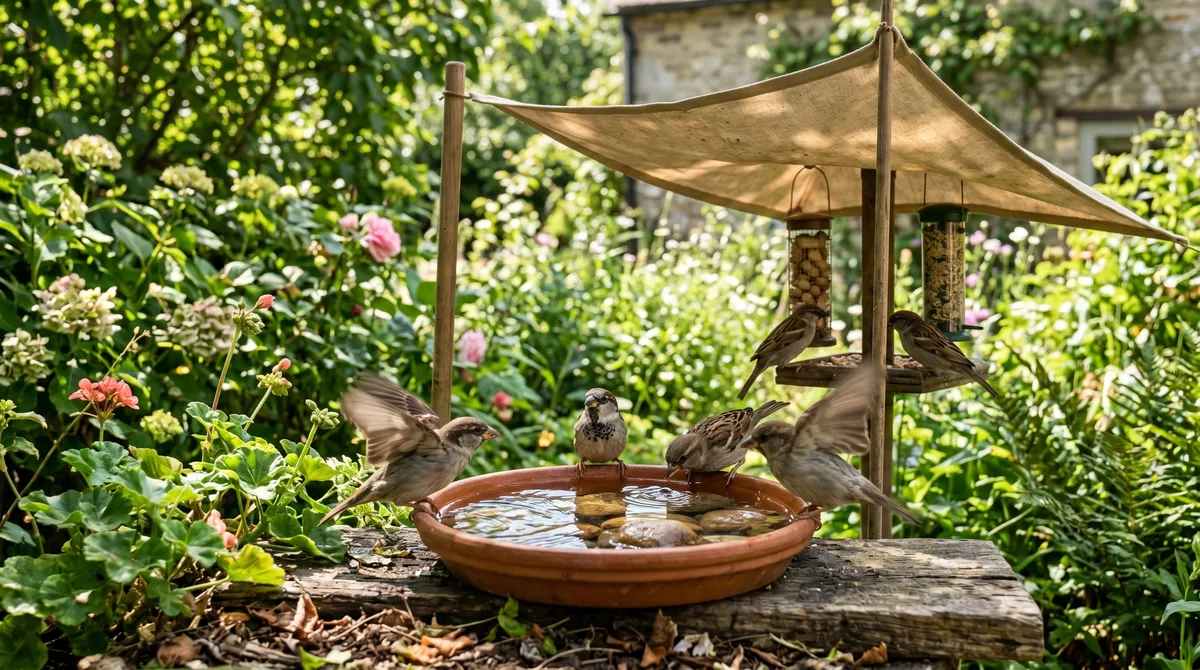
How to help garden birds in a UK heatwave: shallow water in the shade, which foods to put out and which to hold back, and how to leave nest boxes be.
Read the guide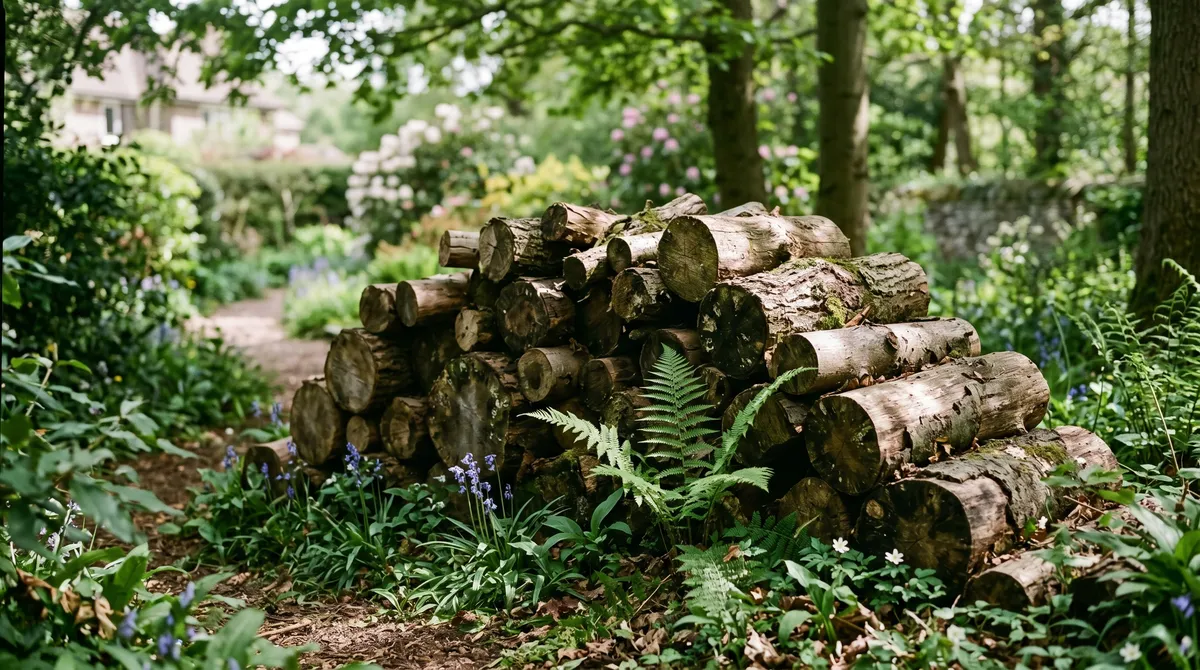
Build a wildlife log pile in an afternoon: which logs to use, where to put it, how big to make it and who will move in, from beetles to hedgehogs.
Read the guide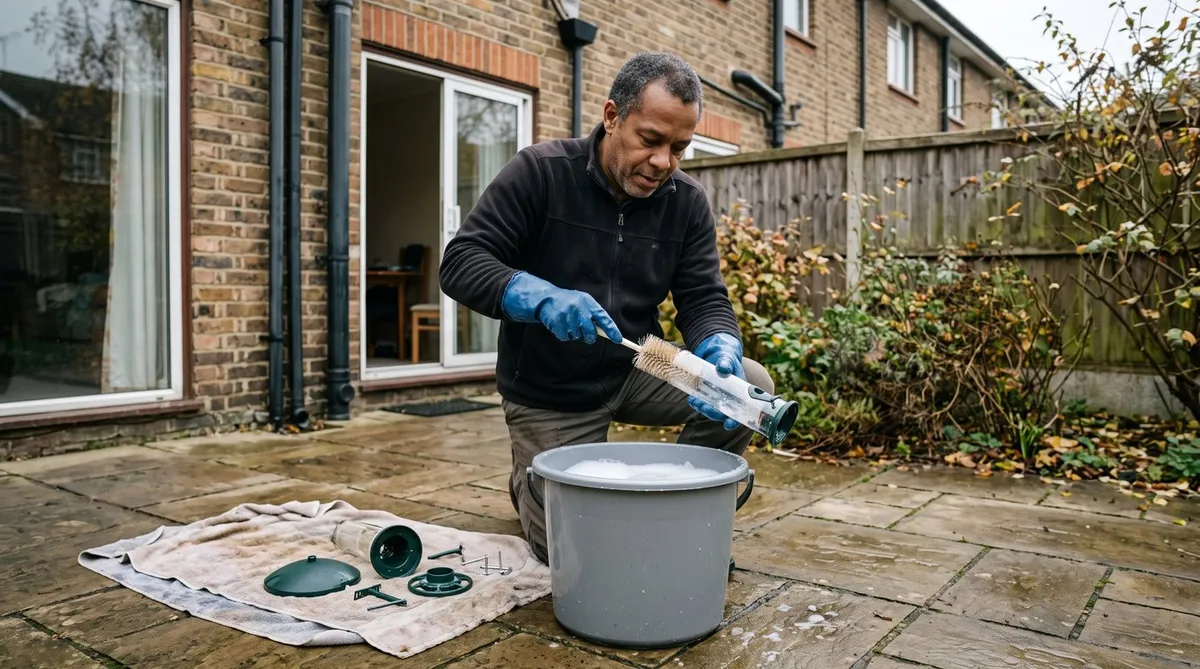
How to clean bird feeders step by step: what to use, how often, why drying matters, and what to do if a sick finch turns up at your feeder.
Read the guide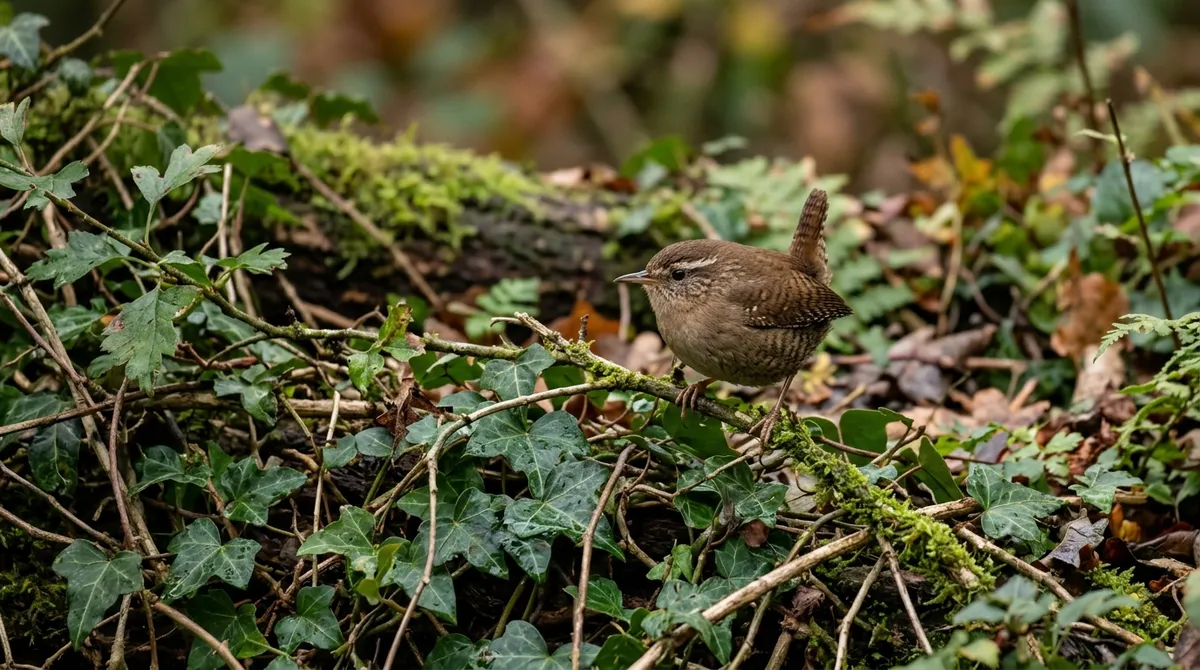
How to attract wrens to your garden with thick low cover, ivy, log piles and leaf litter, plus the right nest box and how to help them in winter.
Read the guide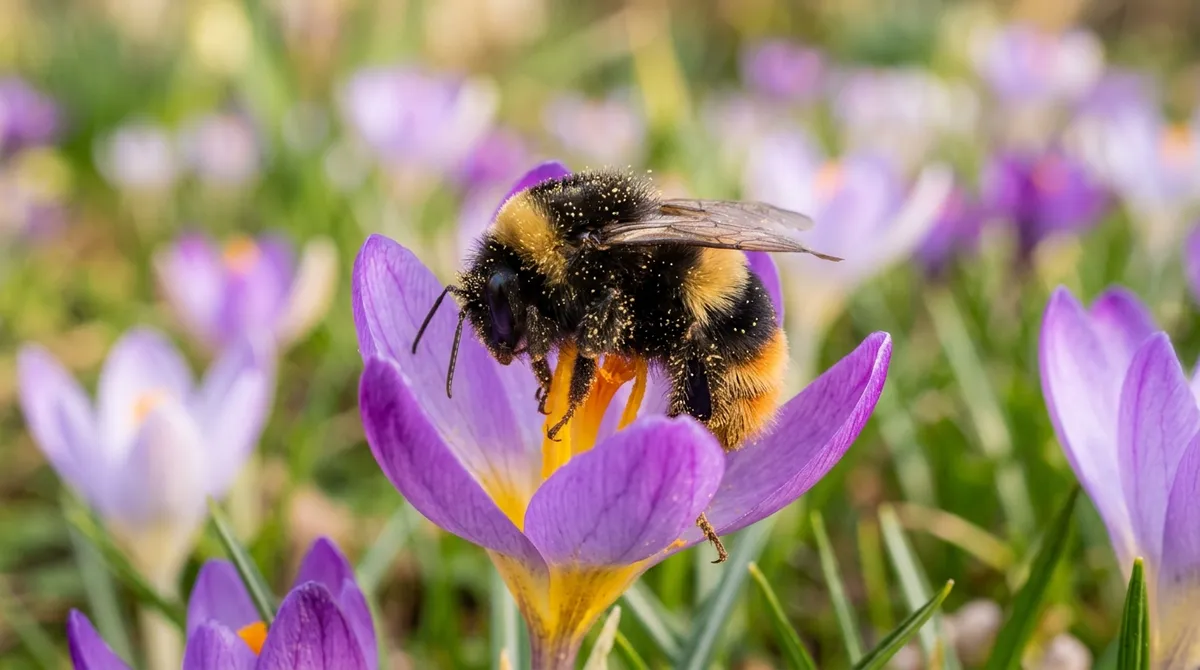
Fourteen plants that feed bees and butterflies from February to April, when queen bumblebees wake hungry, plus where to plant them and which to avoid.
Read the guide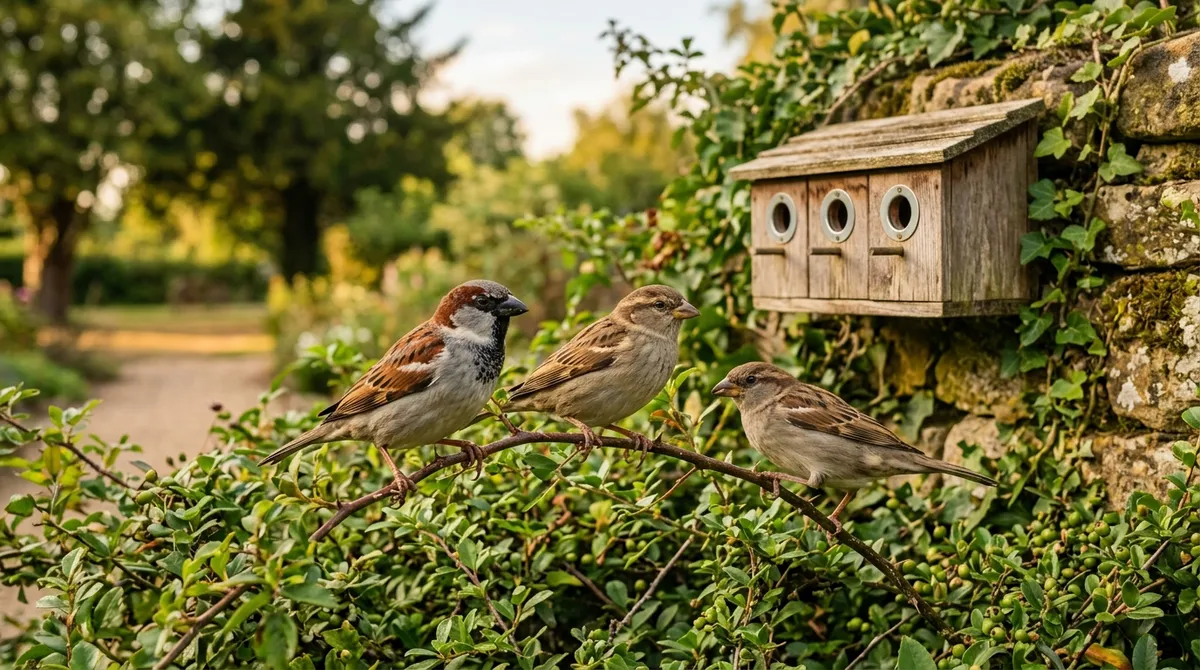
How to attract house sparrows to your UK garden. Thick hedges, grouped 32mm nest boxes, insects for chicks, seed in winter, water and a dust bath.
Read the guide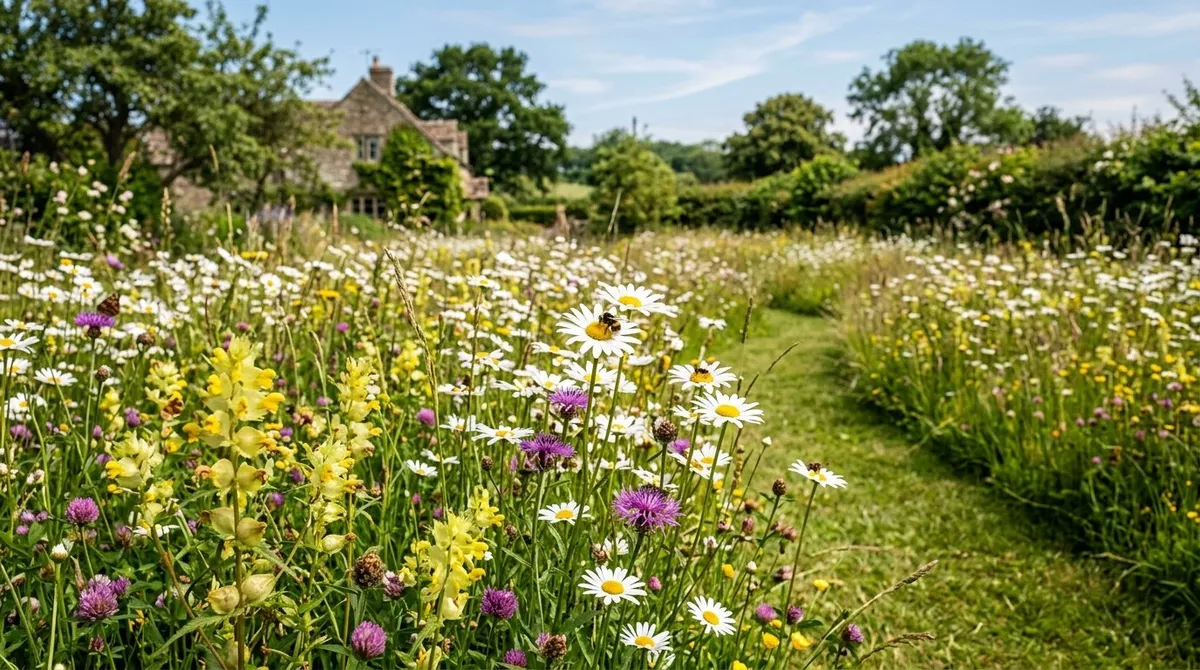
How to make a wildflower meadow that feeds bees, butterflies and birds. Pick the right spot and seed mix for your soil, then manage it for wildlife.
Read the guide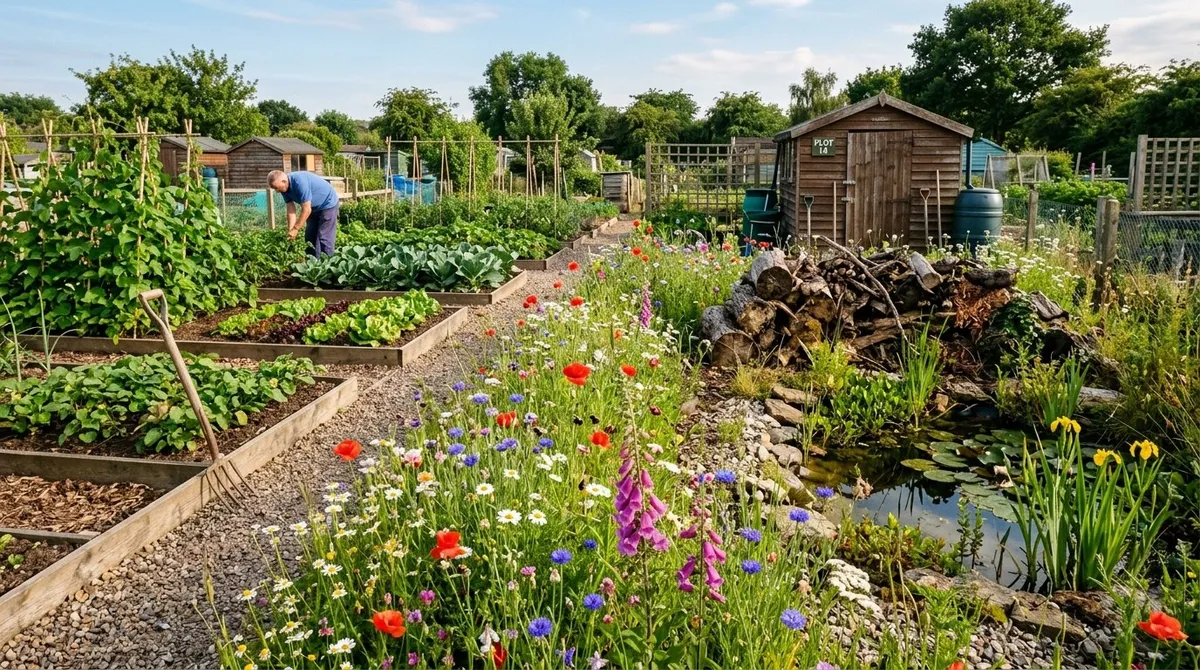
How to make your allotment wildlife-friendly and still grow plenty of food, with flower strips, hedgehog gaps, log piles, a mini pond and no-dig beds.
Read the guide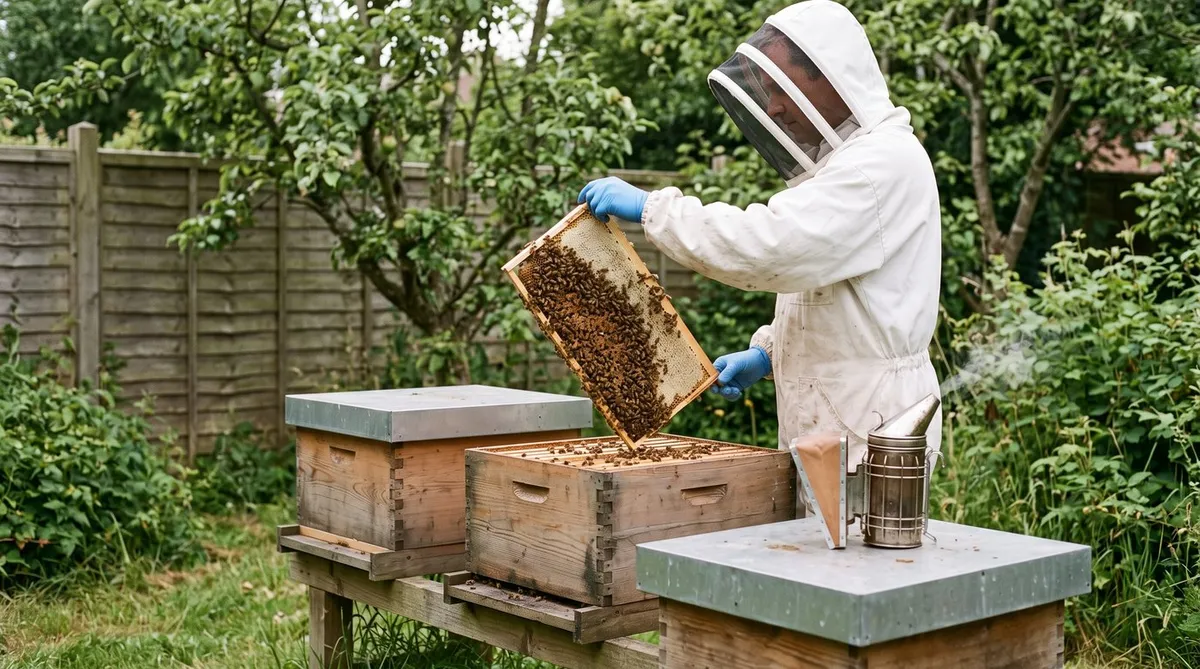
Beekeeping for beginners in the UK. What to do first, which hive to choose, where to put it, the beekeeping year, varroa and why a mentor matters.
Read the guide
Centipede or millipede? How to tell them apart in seconds, why both are mostly good news for your garden, and when millipedes nibble crops.
Read the guide
How to spot dragonflies and damselflies in a UK garden, which ones you're likely to see, and how to make a pond they'll want to breed in.
Read the guide
Meet the friendly spiders in your UK garden. How to spot common species, what they eat, why they're harmless and how to make your garden spider-friendly.
Read the guide
Identify the seven bumblebees most likely in a UK garden by tail colour and stripes, plus when they fly, where they nest and what they feed on.
Read the guide
Meet the ground beetles that eat slugs in your garden at night, how to tell the common ones apart, and easy ways to make them feel at home.
Read the guide
Meet the solitary bees in your garden, from red mason bees to mining bees, and find out how to help them with a bee hotel and the right flowers.
Read the guide
How to help honeybees in your garden: the best flowers for each season, a safe water dish, leaving clover and dandelions, and what to do about a swarm.
Read the guide
How to spot common UK hoverflies, why their larvae are brilliant aphid eaters, and the easy flowers and habits that bring more of them into your garden.
Read the guide
How to spot lacewings and their larvae, why they're brilliant aphid eaters, and simple ways to bring more of them into your UK garden.
Read the guide
Wildlife activities for kids in UK gardens: minibeast hunts, bug hotels, pond dipping, winter bird feeders and moth and bat watching, season by season.
Read the guide
How to recognise the common UK ladybirds, spot their spiky larvae, tell a harlequin apart and make your garden a place ladybirds love.
Read the guide
Wasps get a bad press, but they eat aphids and caterpillars and pollinate ivy. Here's why they help and how to share your garden with them.
Read the guide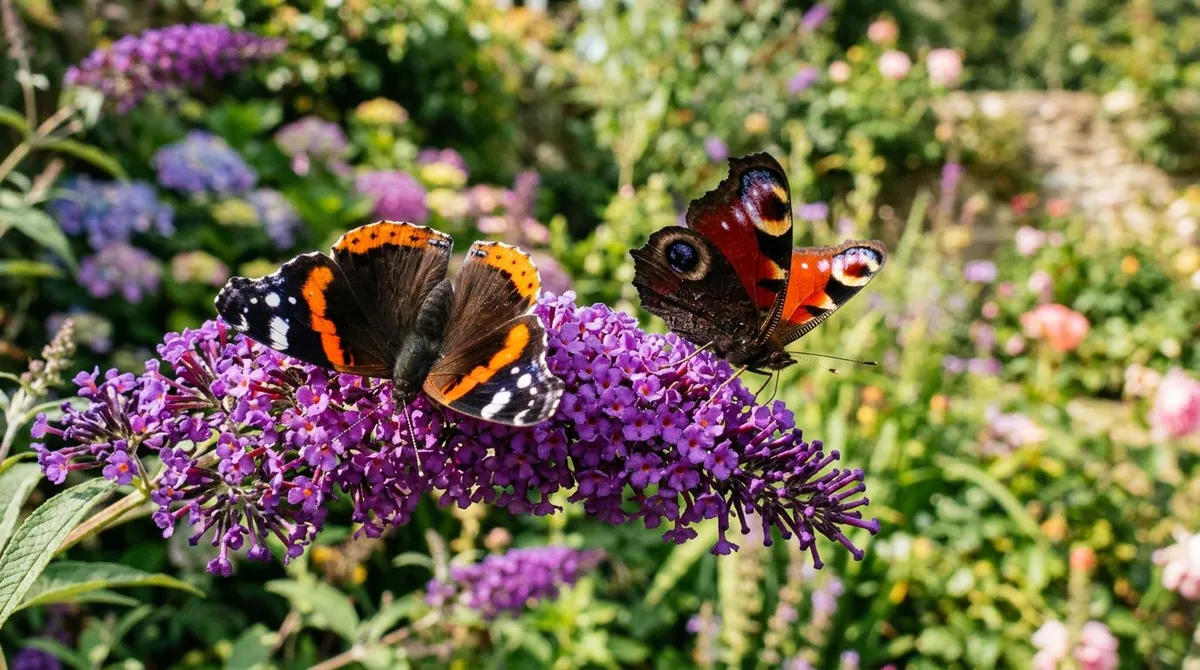
The best nectar flowers and caterpillar food plants for UK butterflies, season by season, plus a simple border plan and what to skip.
Read the guide
How to attract birds to your garden in the UK with the four things they need, food, water, shelter and somewhere to nest, plus what to plant and avoid.
Read the guide
The best plants for bees in UK gardens, season by season, plus a simple border plan and a few easy mistakes to avoid. Great for pots too.
Read the guide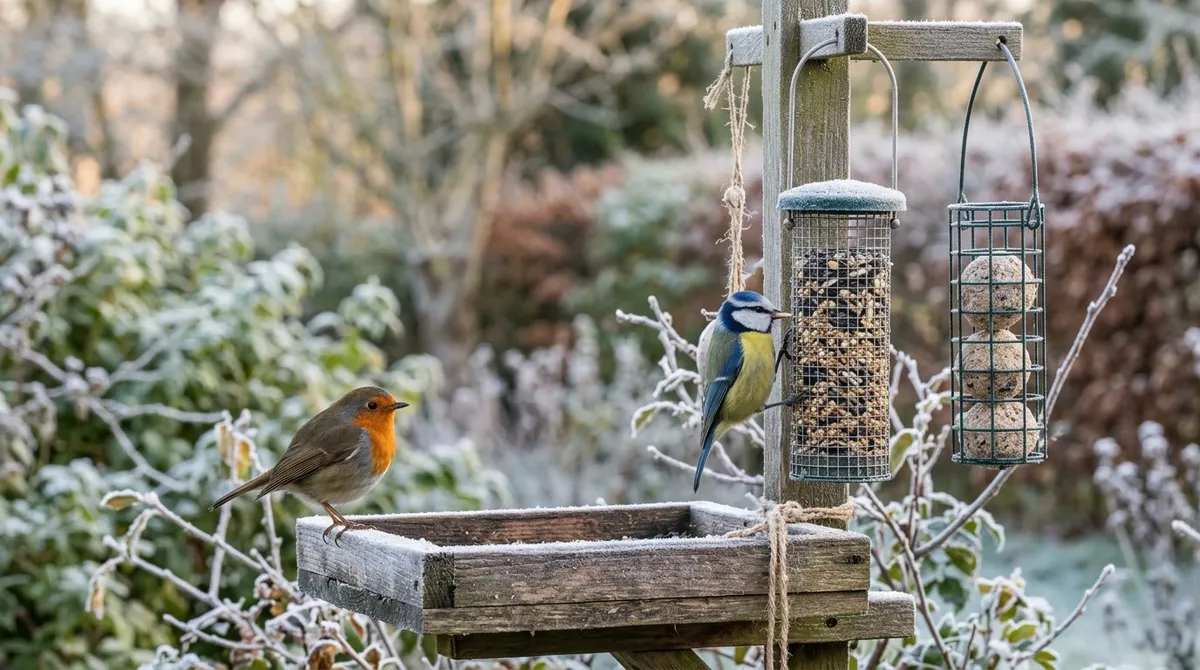
What to feed UK garden birds each month, why seeds and peanuts now take a summer break, and how to keep feeders clean and birds healthy.
Read the guide
A friendly guide to the 20 birds you're most likely to see in a UK garden: what they look like, how they sound and how to tempt them in.
Read the guide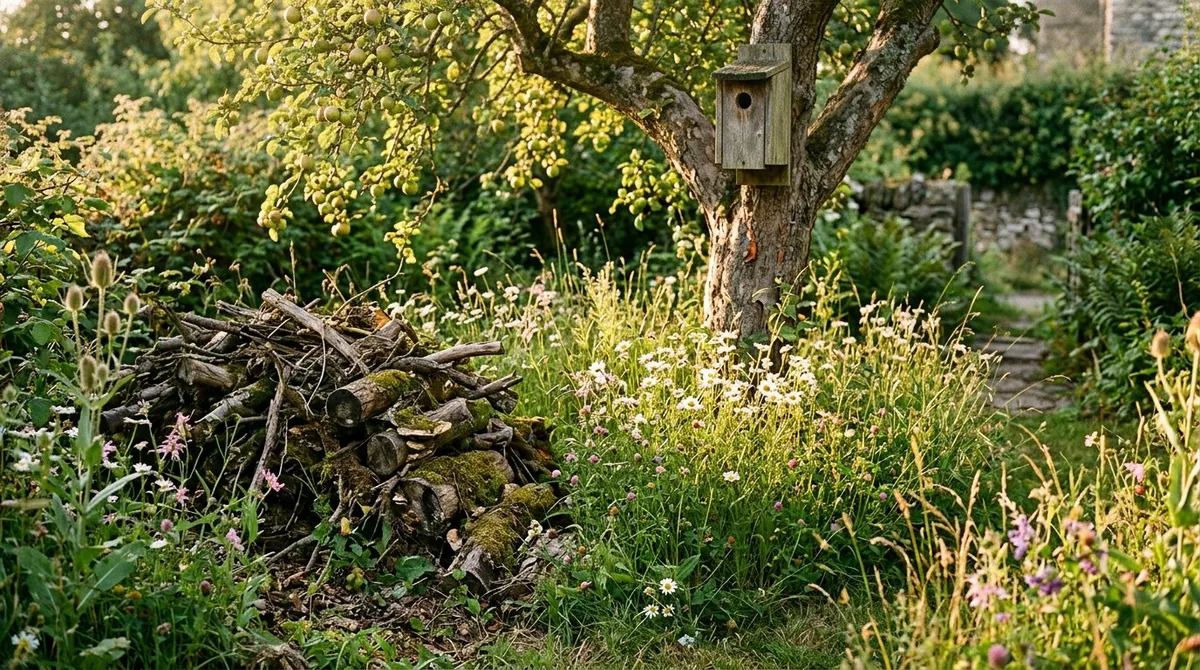
Turn any UK garden into a haven for wildlife with a pond, native plants, log piles, hedgehog gaps, bird boxes and easy jobs for every season.
Read the guide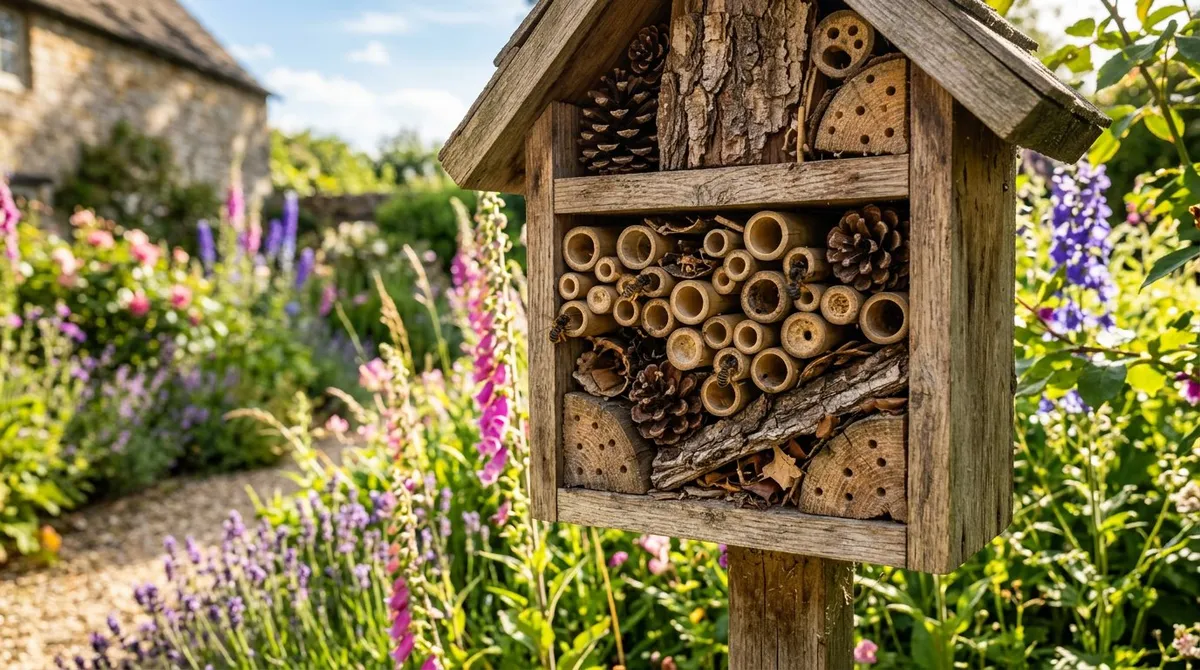
How to build a bug hotel for solitary bees, ladybirds and lacewings: which materials to use, where to put it, and how to look after it through the year.
Read the guide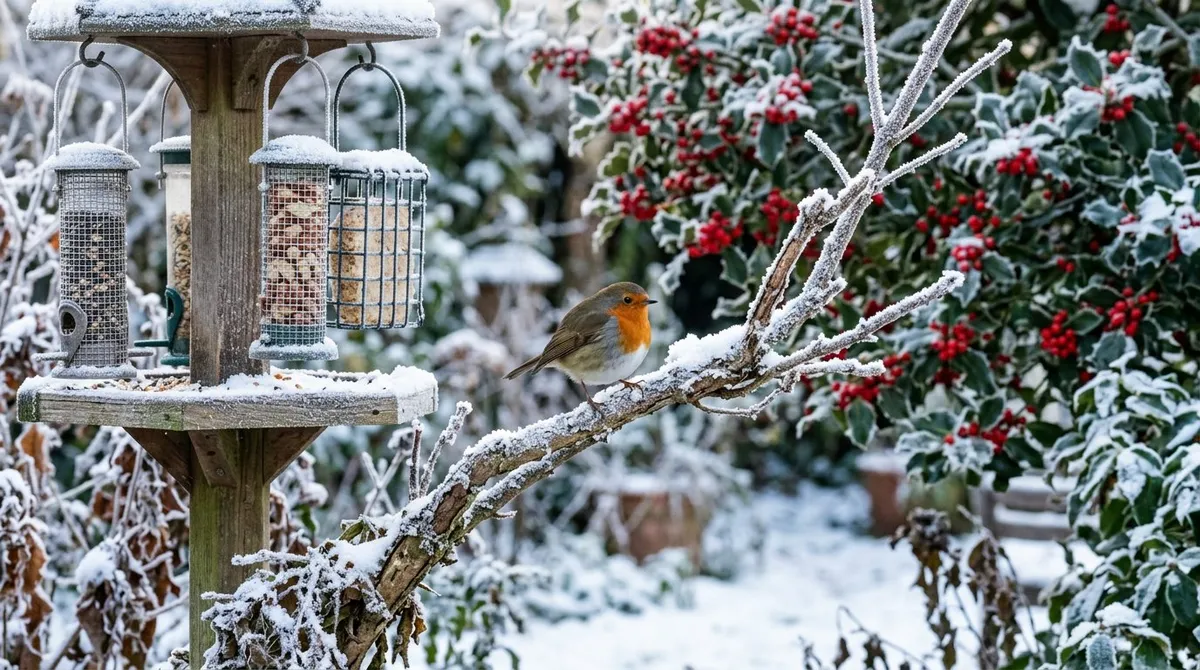
Help garden wildlife through winter: feeding birds, leaving hedgehogs to hibernate, keeping a pond open and plants that feed bees on mild days.
Read the guide