Garden Ideas for Every Budget
Garden ideas from free to five thousand pounds for UK homes. Covers quick wins, weekend projects, planting schemes, and full garden makeovers.
Key takeaways
- Free projects like dividing perennials, moving plants, and sowing seeds change gardens without spending
- Paint is the cheapest makeover tool — a single tin of fence paint changes the entire backdrop for fifteen pounds
- Gravel over membrane at eight to fifteen pounds per square metre replaces tired lawns or bare soil instantly
- Bulbs give the highest flower-to-cost ratio — one hundred mixed daffodils cost around ten pounds
- A full border replant with perennials, shrubs, and ground cover costs fifty to one hundred and fifty pounds
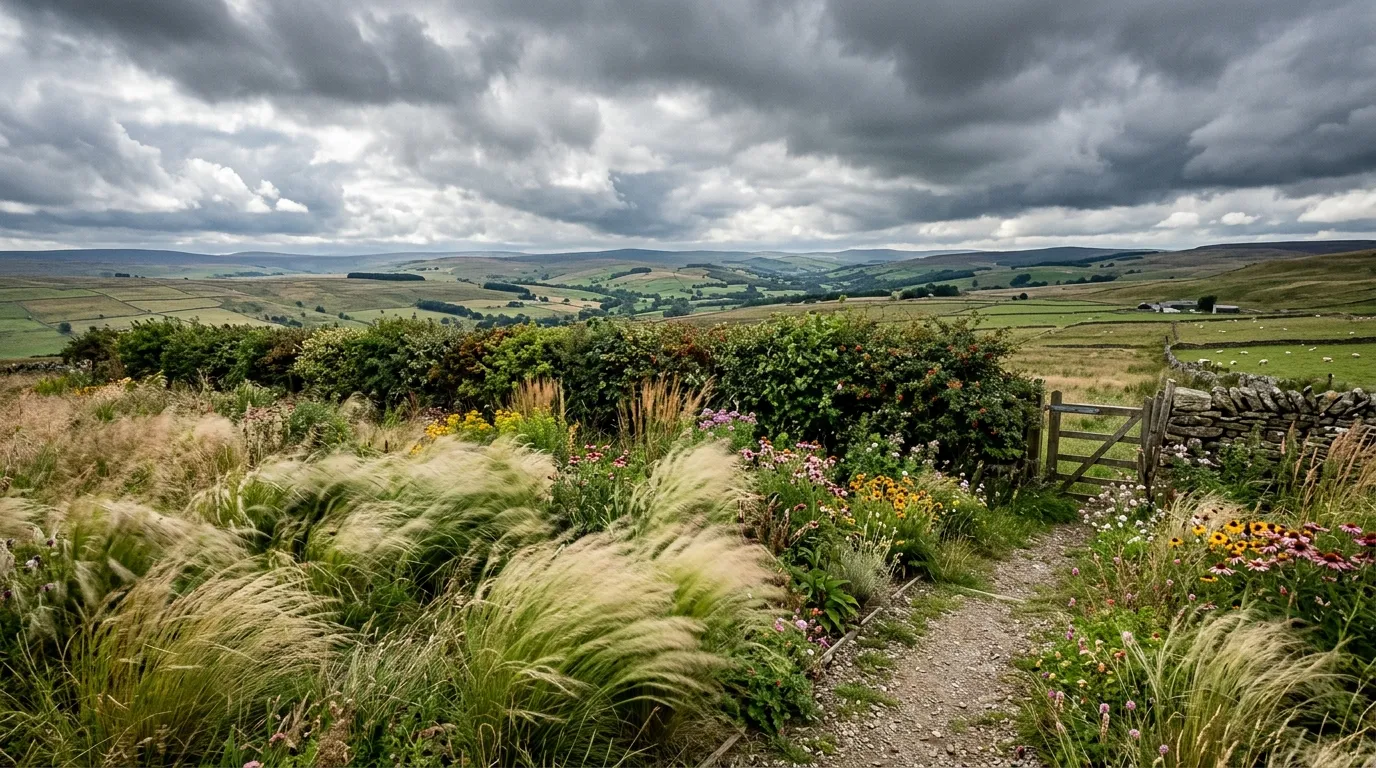
A garden does not need a large budget to look good. Some of the best-looking gardens in Britain cost almost nothing to create. The difference between a forgettable plot and a great one is not money. It is having a plan.
This guide works through garden improvements at every price point, from projects that cost nothing to full makeovers. Every idea is practical, achievable by a competent DIYer, and suited to UK conditions. For specific layout advice for smaller plots, see our guide to small garden design ideas.
Free: projects that cost nothing
Move and divide plants
Most gardens contain plants in the wrong place. A shade-loving fern baking in full sun. A sprawling shrub blocking a path. Moving plants costs nothing and often saves them.
Dividing perennials doubles or triples your plant stock for free. Lift established clumps of geraniums, hostas, or grasses in autumn or spring. Split them with a spade or two forks back-to-back. Replant the divisions at the same depth. A single hosta produces 4-6 new plants every 3-4 years.
Tidy edges and clear beds
Nothing turns a garden faster than clean edges. Use a half-moon edger or a flat spade to cut crisp lines between lawn and borders. Clean the patio while you are at it. Clear weeds, deadhead flowers, and rake bare soil smooth. This takes an afternoon and makes the entire garden look maintained.
Propagate from cuttings
Take cuttings from existing shrubs in September. Lavender, rosemary, box, hydrangea, and fuchsia all root easily from semi-ripe cuttings. Push 10cm stems into pots of gritty compost. By spring you have free plants for borders, hedging, or gifts.
Reorganise what you have
Before buying anything, stand at your back door and look at the garden critically. Which areas draw the eye? Where do paths naturally lead? Which plants deserve more prominence? Often a garden just needs reorganising — moving the best plants to the front, screening the ugly corners, and creating a clear sightline to a focal point.
Under fifty pounds
Paint fences and sheds
A single tin of exterior wood paint costs twelve to eighteen pounds and covers 6-8 square metres. Dark colours — charcoal, slate blue, deep green — make fences recede and planting stand out. Light colours reflect light into shady corners.
Painting every fence panel the same colour unifies the garden and creates a clean backdrop for plants. It is the single cheapest makeover with the biggest visual impact. Our guide to garden fence ideas covers colours, climbers, and styles in detail. While you are at it, paint the shed too. Our garden storage solutions guide covers shed alternatives if yours has seen better days.
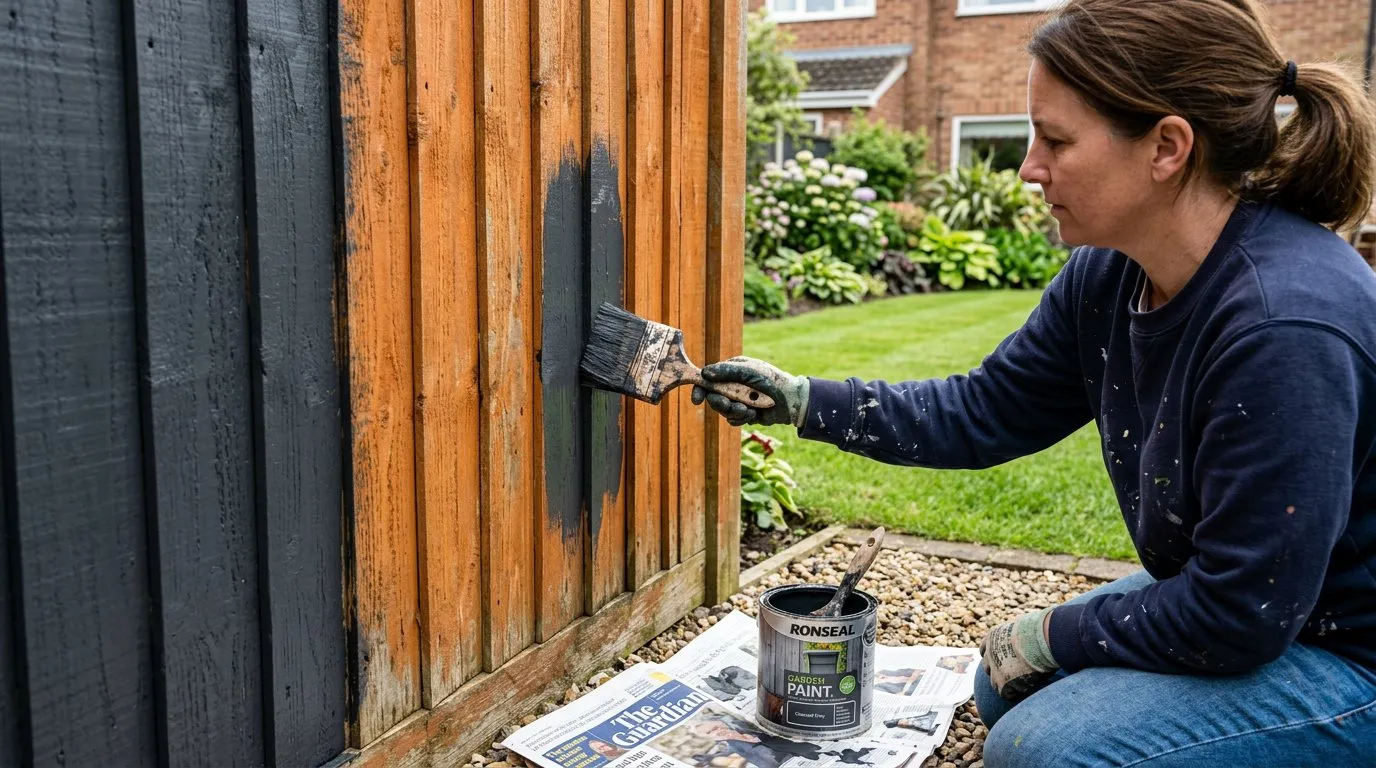 A single tin of dark paint turns the entire backdrop of a garden for under twenty pounds
Plant bulbs in bulk
Bulbs are the best value in gardening. One hundred mixed daffodil bulbs cost around ten pounds and flower every spring for a decade. Fifty tulips cost eight to twelve pounds and deliver three weeks of dramatic colour.
Plant in drifts of one variety rather than mixed handfuls. Twenty-five of the same tulip in a cluster looks intentional and bold. Twenty-five different varieties looks chaotic.
| Bulb | Cost per 100 | Flowers | Lifespan |
|---|---|---|---|
| Daffodils (mixed) | Eight to twelve pounds | Mar-Apr | 10+ years |
| Crocus (mixed) | Six to eight pounds | Feb-Mar | 5+ years |
| Tulips (single variety) | Fifteen to twenty pounds | Apr-May | 3-5 years |
| Alliums (Purple Sensation) | Twenty to twenty-five pounds | May-Jun | 5+ years |
| Snowdrops (in the green) | Fifteen to twenty pounds | Jan-Feb | 10+ years |
Sow a wildflower patch
A packet of native wildflower seed costs three to five pounds and covers 4-6 square metres. Strip the turf from a sunny corner, rake the soil, and scatter seed in September or March. By the following summer you have ox-eye daisies, knapweed, and field scabious attracting bees and butterflies. Our guide to creating a mini meadow covers the full method.
Add containers and pots
A few well-placed pots create instant structure. Terracotta pots from reclamation yards cost five to fifteen pounds each and look far better than plastic. Fill with seasonal bedding, herbs, or a single architectural plant like a phormium or a bay tree.
Group pots in odd numbers — three or five — at doorways, on steps, or at the end of a path. Varying heights creates depth. A tall pot at the back, a medium in the middle, and a low one at the front works every time.
Under two hundred pounds
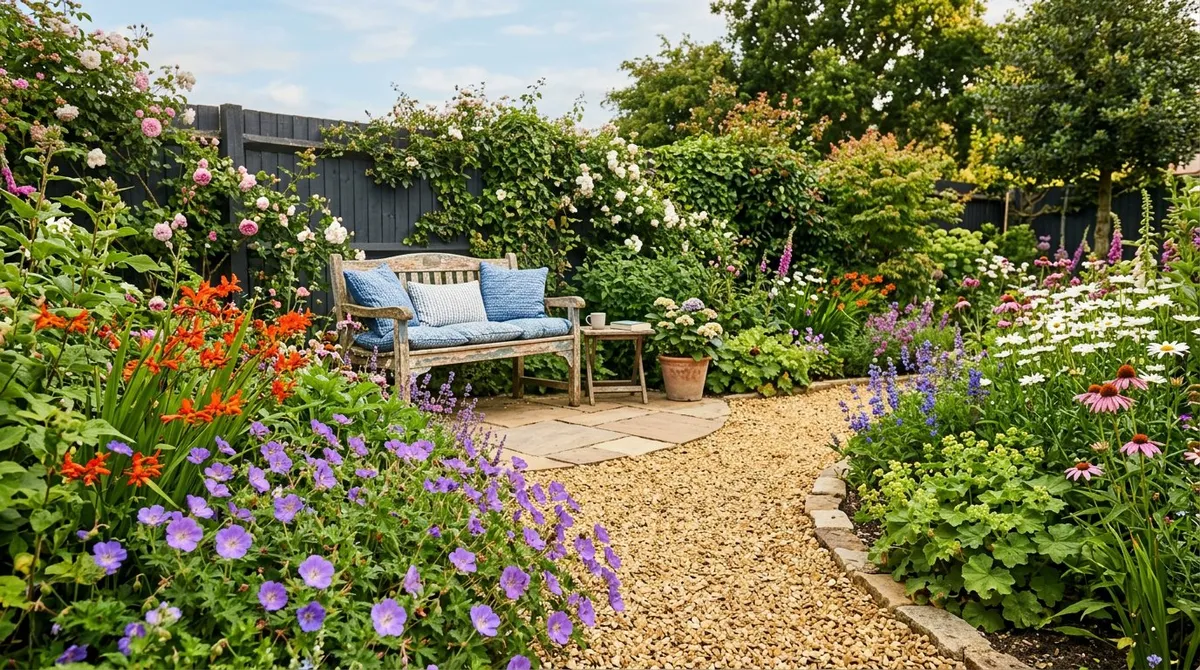
Lay a gravel area
Gravel laid over weed membrane costs eight to fifteen pounds per square metre including materials. A 3m x 3m seating area costs seventy to one hundred and thirty pounds and takes a weekend to complete.
Method: clear the area to firm ground, lay weed membrane, border with timber edging or metal strip, spread 5cm of 10-20mm gravel. Compact with a plate vibrator or heavy roller.
Gravel suits Mediterranean-style planting — lavender, rosemary, grasses — and needs almost no maintenance. It drains instantly, looks good wet or dry, and creates a satisfying crunch underfoot.
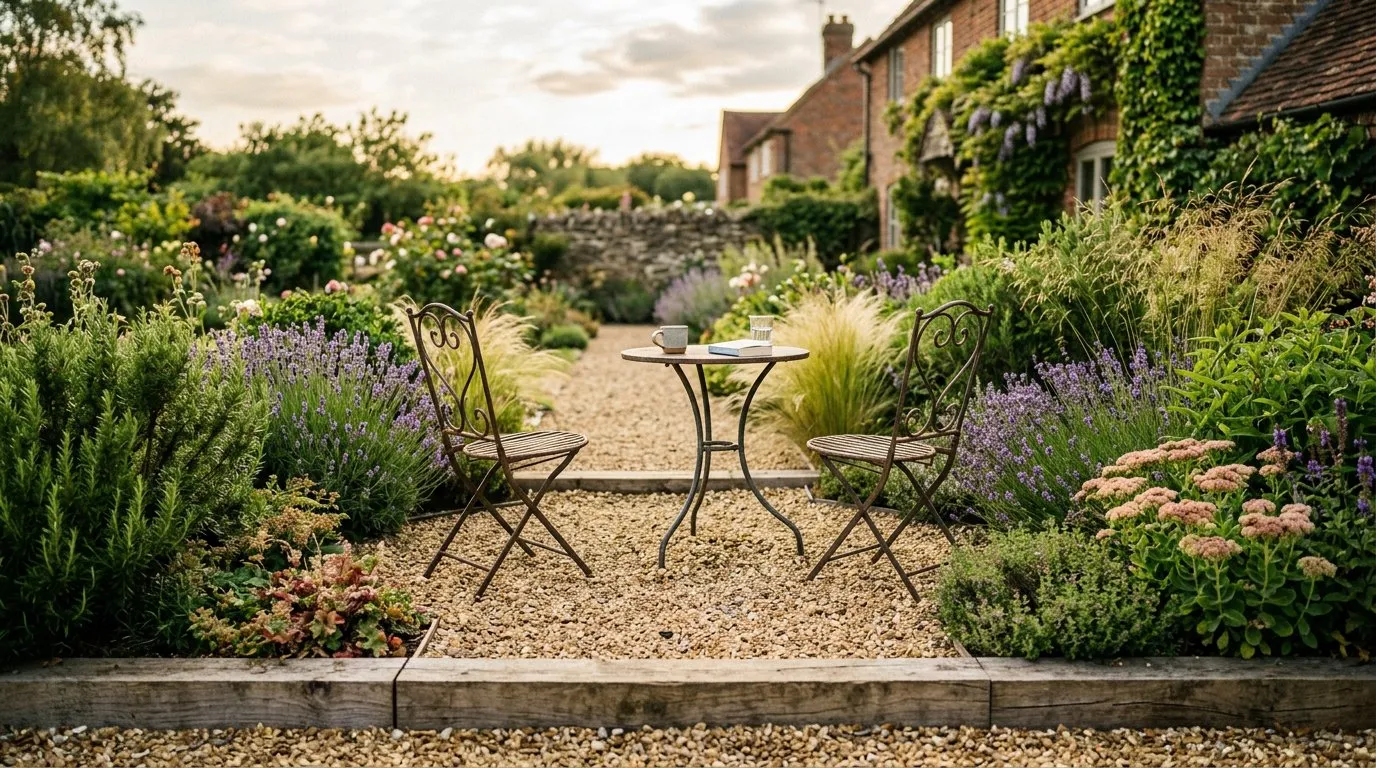 A gravel seating area with Mediterranean planting costs under two hundred pounds and takes a weekend to create
Replant a border
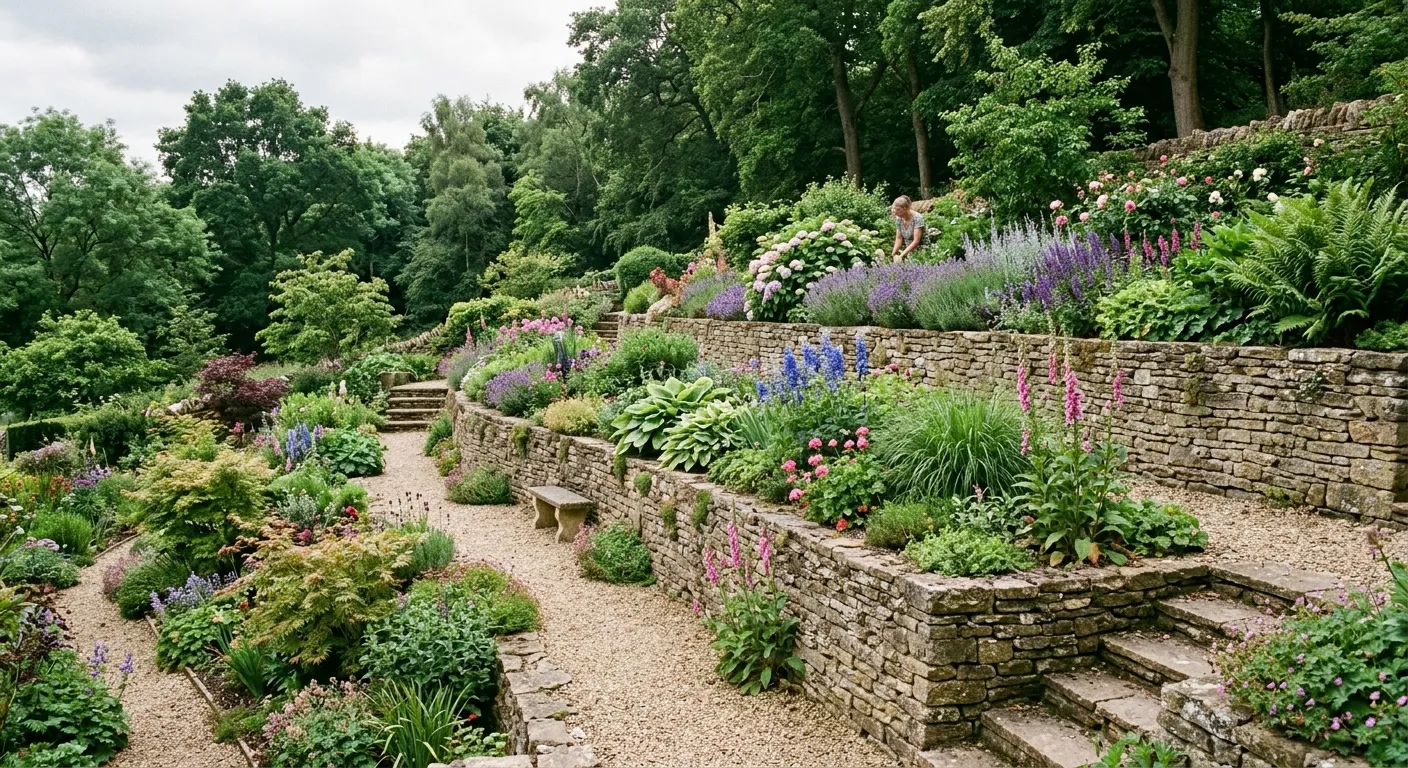
A complete border overhaul with perennials, shrubs, and ground cover costs fifty to one hundred and fifty pounds for a 2m x 6m bed. Buy plug plants online for the best value — they establish quickly and cost a fraction of garden centre prices.
Structure a border in three layers:
- Back row: 2-3 shrubs for year-round structure (Viburnum tinus, Choisya, evergreen grasses)
- Middle row: perennials for seasonal colour (geraniums, nepeta, echinacea, Japanese anemones)
- Front row: ground cover to suppress weeds (Geranium macrorrhizum, Vinca minor, creeping thyme)
Why we recommend buying perennials as plug plants: After 30 seasons of border planting, plug plants ordered online consistently outperform pot-grown garden centre stock as a budget choice. A tray of 30 Geranium Rozanne plugs costs around fifteen pounds and establishes just as fast as a single two-litre pot costing eight pounds. The same fifteen pounds planted as plugs fills a 2-metre border within one growing season.
A cottage garden planting plan works particularly well on a budget because cottage plants — foxgloves, hollyhocks, aquilegia — self-seed freely and fill gaps naturally.
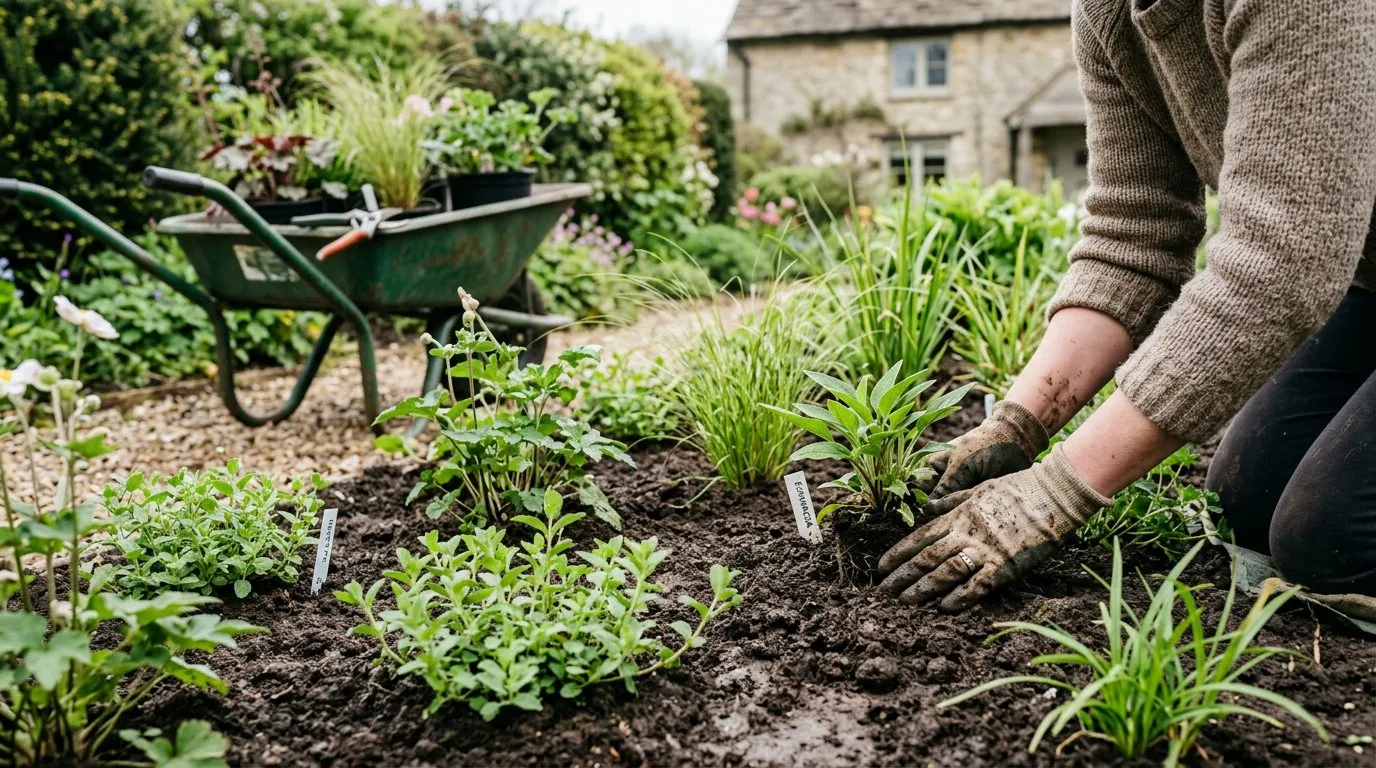 A complete border replant with perennials, shrubs, and ground cover costs fifty to one hundred and fifty pounds
Build a raised bed
A timber raised bed measuring 1.2m x 2.4m costs thirty to sixty pounds for materials. Fill with a 50:50 mix of topsoil and compost for another forty to seventy pounds. You now have a productive growing space that looks tidy and structured.
Raised beds work as design features as well as growing spaces. Two matching beds with a gravel path between them create a kitchen garden that looks planned and purposeful.
Tip: The Royal Horticultural Society garden finder shows hundreds of open gardens across the UK. Visit real gardens at your budget level for ideas that work in practice, not just on Pinterest.
Under one thousand pounds
Install a patio or seating area
Natural stone paving costs forty to eighty pounds per square metre laid, though porcelain pavers and concrete flags bring this down to twenty to forty pounds. A 3m x 3m patio costs two hundred to seven hundred pounds depending on material.
A well-laid garden path connecting the house to a new patio ties the design together. Position the patio where it catches the most sun. In most UK gardens this means the south or south-west facing side of the house. A patio in permanent shade never gets used. Our step-by-step guide on how to lay a patio covers the full process from sub-base to pointing.
Plant a hedge
A native mixed hedge of hawthorn, blackthorn, field maple, and holly costs two to four pounds per plant as bare-root whips in winter. A 10-metre hedge needs 30-40 plants (three per metre), costing sixty to one hundred and sixty pounds. It reaches head height within 4-5 years.
A hedge provides privacy, wind shelter, wildlife habitat, and year-round structure. It also increases property value more than any fence.
Create lighting
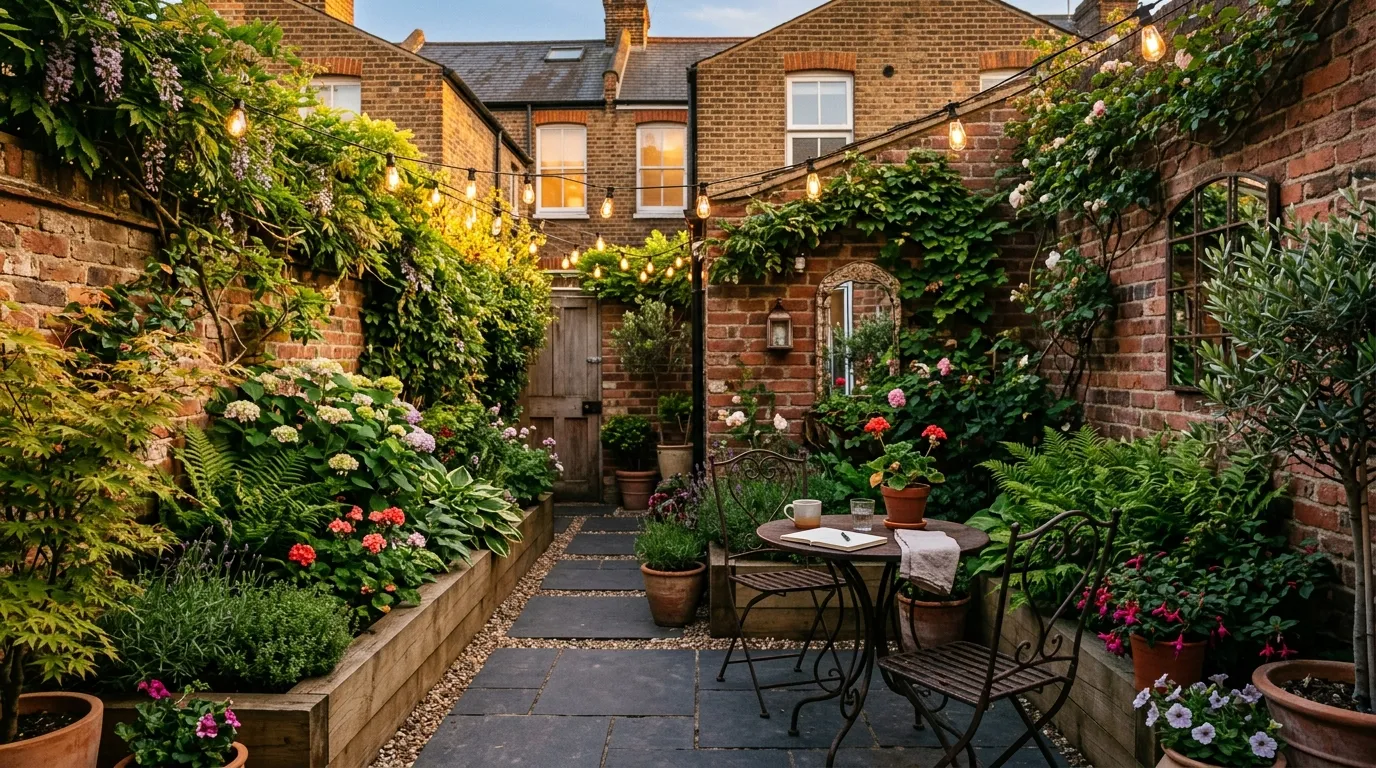
Outdoor lighting extends the garden’s usable hours and adds atmosphere. Solar stake lights cost two to five pounds each. LED festoon strings cost fifteen to thirty pounds for a 10-metre run. A set of low-voltage LED uplights for trees and shrubs costs fifty to one hundred and fifty pounds.
Light trees from below with narrow-beam uplights for drama. String festoons at 2.5m height across a seating area for warmth. Mark paths with low solar bollards for safety. Avoid floodlights — they flatten everything.
Full makeover: one thousand to five thousand pounds
At this budget, you can redesign the entire garden. Combine hard landscaping (paving, fencing, paths), structural planting (hedges, trees, shrubs), and decorative planting (borders, containers, climbers).
What the budget covers
| Element | Typical cost |
|---|---|
| Paving (12 sq m patio) | Five hundred to one thousand pounds |
| Fencing (20m run) | Six hundred to one thousand two hundred pounds |
| Planting (borders, trees, hedge) | Three hundred to eight hundred pounds |
| Lighting | One hundred to three hundred pounds |
| Turf or seed (20 sq m lawn) | Eighty to two hundred pounds |
| Skip hire and clearance | One hundred and fifty to three hundred pounds |
Design principles that save money
Simplify materials. Use a maximum of two hard landscaping materials. One type of paving and one type of edging. More materials mean more cutting, more waste, and a busier look.
Invest in structure. Spend more on the permanent elements — paving, fencing, trees — and less on seasonal planting. A well-built patio lasts 30 years. Bedding plants last one season.
Phase the work. You do not have to do everything at once. Build the patio this year, add a raised deck next summer, plant the borders the following spring. This spreads cost and lets you adjust the plan as the garden develops.
Now you’ve mastered garden ideas for every budget, read our guide on garden path ideas for the next step.
Frequently asked questions
How much does a garden makeover cost in the UK?
A basic refresh with painting, tidying, and new planting costs under one hundred pounds. A mid-range makeover with gravel areas, border replanting, and containers costs three hundred to one thousand pounds. A full redesign with professional paving, fencing, lighting, and planting runs two thousand to five thousand pounds or more.
What is the cheapest way to improve a garden?
Paint fences and sheds for fifteen to twenty pounds per tin — it turns the entire backdrop. Divide existing perennials for free new plants. Sow wildflower seed at three to five pounds per square metre. Clear weeds and cut crisp lawn edges for an instant tidy appearance that costs nothing.
How can I make my garden look nice on a budget?
Focus on three things: tidy edges, bold planting, and one focal point. Edge all beds and lawn borders with a half-moon edger. Plant perennials in groups of three or five of the same variety. Add one feature that draws the eye — a large pot, a wooden bench, or a climbing rose trained along the fence.
What adds the most value to a garden?
A well-maintained lawn, defined planted borders, and a usable patio or seating area add the most value to a UK property. Estate agents estimate an attractive, well-kept garden adds 5-10% to property value. Mature trees, established hedging, and quality hard landscaping are the most valuable features.
Can I redesign my garden myself?
Most garden projects are achievable as DIY with basic hand tools and a willingness to learn. Laying gravel, painting fences, planting borders, building raised beds, and turfing lawns all suit confident beginners. Paving, electrical work for lighting, and removing large trees benefit from professional help.
When is the best time for a garden makeover?
Autumn is ideal for planting trees, shrubs, hedges, and perennials. Spring suits hard landscaping, lawn work, and sowing. Plan your design in winter when the garden’s bones are visible. Avoid heavy physical work in midsummer heat or midwinter frost. Phase larger projects across seasons.
Lawrie has been gardening in the West Midlands for over 30 years. He grows his own veg using no-dig methods, keeps a wildlife-friendly garden, and writes practical advice based on real UK growing conditions.