How to Grow Mint in the UK
UK guide to growing mint in pots and containers. Covers varieties, propagation from cuttings, stopping mint spreading, and dealing with mint rust.
Key takeaways
- Always grow mint in containers — underground runners spread up to one metre per season in open ground
- Spearmint and peppermint survive to minus 15C and grow reliably across all UK regions
- Stem cuttings root in 7-14 days with a 90 percent success rate from April to August
- Harvest by cutting stems to 5cm above soil level to force bushy regrowth
- Mint dies back after the first frost but returns each spring without replanting
- Apple mint shows the best resistance to mint rust among common UK varieties
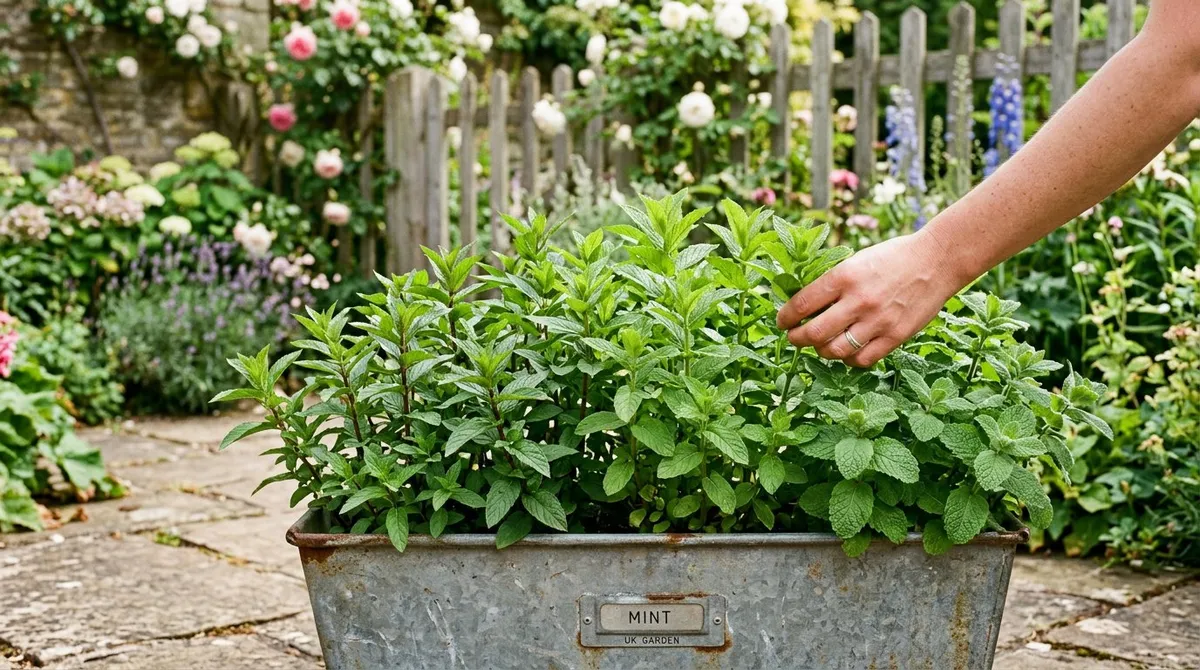
Mint is one of the easiest and most productive herbs for any British garden. It tolerates shade, shrugs off frost, and produces fresh leaves from May right through to October. A single container plant supplies enough mint for most households across the entire growing season.
There is one rule every UK grower must follow. Never plant mint directly into open ground. This vigorous perennial spreads through underground stems called stolons. These runners travel up to one metre per season beneath the soil. A single plant colonises an entire border within two years. Once established, mint is almost impossible to remove completely.
Why must I grow mint in containers?
Mint stolons are relentless. They push through weed membrane, invade lawns, and surface between paving slabs. Digging out an established mint patch means sifting every centimetre of soil for root fragments. Miss a single piece and the plant returns within weeks.
Container growing solves this entirely. A pot 30cm or wider gives mint enough root space to thrive. Stand containers on hard surfaces like patios, paths, or gravel. This prevents roots escaping through drainage holes into soil below.
If you want mint in a border for visual effect, sink the entire pot into the ground. Leave the rim 5cm above soil level. Check monthly from April to September for runners attempting to escape over the top. Cut them back immediately. Even this method is not foolproof. Many experienced gardeners, myself included, have learned the hard way that mint in open soil causes years of regret.
The Royal Horticultural Society recommends container growing as the standard approach. It is not optional advice. Treat it as essential.
What are the best mint varieties for UK gardens?
Over 20 mint varieties grow well in British conditions. Each has a distinct flavour profile and growth habit. Choosing the right type depends on how you plan to use it.
| Variety | Botanical name | Flavour | Height | Best use | Hardiness |
|---|---|---|---|---|---|
| Spearmint | Mentha spicata | Mild, sweet | 30-60cm | Cooking, drinks, salads | Minus 15C |
| Peppermint | Mentha x piperita | Strong menthol | 30-90cm | Tea, desserts, chocolate | Minus 15C |
| Apple mint | Mentha suaveolens | Fruity, gentle | 40-100cm | Jellies, fruit salads | Minus 12C |
| Chocolate mint | M. x piperita ‘Chocolate’ | Warm cocoa notes | 30-60cm | Desserts, hot drinks | Minus 15C |
| Moroccan mint | M. spicata var. crispa | Intense, sweet | 30-45cm | Mint tea, tabbouleh | Minus 10C |
| Eau de cologne | M. x piperita ‘Citrata’ | Citrus, floral | 30-60cm | Potpourri, garnish | Minus 12C |
Spearmint is the essential starting point. It produces the classic mint flavour for lamb, new potatoes, peas, and mojitos. Every UK herb grower should have at least one spearmint plant. Peppermint has a stronger menthol kick that suits herbal teas and after-dinner desserts. Both tolerate temperatures down to minus 15C, making them reliable across every region of the UK.
Apple mint deserves more attention than it receives. The fuzzy, rounded leaves have a gentle fruity flavour that works brilliantly in apple jelly and fruit salads. It also shows the best natural resistance to mint rust among common varieties. For something unusual, try chocolate mint. The dark purple stems and subtle cocoa undertone make it perfect for ice cream, brownies, and hot chocolate.
Moroccan mint produces the finest traditional mint tea when combined with gunpowder green tea. Its crinkled leaves have an intense, sweet flavour that stands up to boiling water.
Why we recommend spearmint as your first container plant: After 30 years of growing and testing culinary herbs in UK gardens, spearmint in a 30cm container consistently outperforms every other variety for cropping volume and flavour reliability. A single pot harvested correctly every 14 days produces an average of 80–100 fresh stems per season, which is enough to supply a household from May through October without buying a single bunch from a supermarket.
How do I grow mint from cuttings?
Stem cuttings are the fastest and most reliable way to propagate mint. This method produces exact copies of the parent plant and roots within 7-14 days. Success rates sit around 90 percent with fresh, healthy stems. Growing from seed is slow, inconsistent, and often produces plants with variable flavour.
Taking stem cuttings step by step
Cut a healthy stem 10-15cm long just below a leaf node. Remove the lower leaves, keeping 2-3 pairs at the top. Place the cutting in a glass of water on a bright windowsill. Change the water every 2-3 days to keep it fresh.
White roots appear within 7-14 days. Once roots reach 3-5cm long, pot up into multipurpose compost. Water well and keep in bright, indirect light for a week before moving to full sun.
The best time for cuttings is April to August when growth is strong. You can also root cuttings directly in damp compost. Cover the pot with a clear plastic bag to maintain humidity and place in bright indirect light. Remove the bag once new growth appears.
Division is another simple method. In spring, lift an established plant from its pot. Pull the rootball apart into 3-4 sections. Each section needs several stems and a good portion of roots. Repot each division into fresh compost. This also rejuvenates tired, woody plants that have lost vigour.
For more propagation techniques, see our guide to sowing seeds indoors.
What growing conditions does mint need?
Mint is undemanding but performs best when the basics are right. Here is what to provide.
Pot size: Minimum 30cm diameter and 25cm deep. Mint roots spread horizontally, so a wider pot gives better results than a deep, narrow one. Half-barrels, old Belfast sinks, and large plastic tubs all work well.
Compost: Use multipurpose peat-free compost mixed with 20 percent perlite for drainage. Mint tolerates most soil types but dislikes sitting in waterlogged conditions. Working in some homemade garden compost adds nutrients naturally and improves structure.
Position: Full sun to partial shade. Mint is one of the few herbs that genuinely tolerates 3-4 hours of direct light daily. Dappled shade beneath a tree suits apple mint and eau de cologne varieties particularly well. Hot south-facing spots in midsummer can scorch leaves.
Watering: Keep compost consistently moist. Water every 1-2 days in summer, weekly in cooler months. Containers dry out faster than open ground, especially terracotta pots. Mulch the surface with gravel or bark to retain moisture between waterings.
Feeding: Apply a balanced liquid feed every 2-3 weeks from May to September. Comfrey tea or seaweed extract both work well. Do not overfeed. Mint given too much nitrogen produces lush growth with significantly weaker flavour.
Mint also makes an excellent addition to a container herb and vegetable garden. Group pots together on a patio for a productive kitchen garden in minimal space.
How do I harvest mint for the best flavour?
Regular harvesting is the key to productive mint plants. Cutting stems frequently encourages fresh, bushy growth. Left uncut, mint becomes leggy and woody with declining flavour.
Pick leaves from May to October. Morning is the best time to harvest. Essential oil content peaks before the heat of the day, giving the strongest flavour and aroma.
Cut whole stems down to 5cm above soil level rather than stripping individual leaves. This forces the plant to produce new growth from the base. Use sharp scissors or secateurs for clean cuts. Take up to one third of the plant at any single harvest. The plant recovers within 10-14 days and is ready for the next cut.
Preserving surplus mint
Mint freezes better than it dries. Chop fresh leaves, pack into ice cube trays, cover with water, and freeze solid. Each cube provides a ready-measured portion for cooking. Frozen mint keeps its colour and flavour for up to six months.
For dried mint, hang bundles of stems upside down in a warm, airy room for 5-7 days. Strip the leaves once completely dry and store in airtight jars away from light. Dried mint works well in marinades, rubs, and herbal teas.
Mint pairs brilliantly with fresh garden peas and crisp lettuce leaves harvested straight from the garden. New potatoes with butter and chopped mint is one of the finest simple meals of the British summer.
What are the common mint problems in the UK?
Mint is a tough plant, but a few issues affect British crops regularly.
Mint rust
Orange-brown pustules on leaf undersides signal mint rust (Puccinia menthae). This fungal disease spreads in warm, humid conditions. Remove affected stems immediately and bin them. Never compost infected material because the spores survive. Improve air circulation by thinning crowded growth. In severe cases, cut the entire plant to ground level and let it regrow from clean new shoots. The RHS rust disease guide covers identification and management. Apple mint shows the best natural resistance among common varieties.
Mint beetle
The mint beetle (Chrysolina herbacea) is a small, bright green insect that chews holes through foliage from May to September. Adults and larvae both feed on leaves. Pick beetles off by hand in small infestations. Encourage ground beetles and birds as natural predators. Heavy infestations require cutting plants back hard and clearing all fallen debris from around the base.
Powdery mildew
A white, dusty coating on leaves appears in dry conditions with poor airflow. Water at the base of the plant rather than overhead. Space containers 30cm apart to allow air movement. Remove affected leaves promptly and destroy them.
Leggy, weak growth
Stems that grow tall and thin with small, pale leaves indicate insufficient light or lack of pruning. Move containers to a brighter position. Cut all stems back to 5cm above soil level. The plant regrows bushier and stronger within two to three weeks.
How do I use fresh mint in cooking?
Home-grown mint turns everyday dishes. The flavour is dramatically better than shop-bought bunches that wilt within days of purchase.
Traditional pairings: New potatoes with butter and chopped spearmint. Lamb chops with fresh mint sauce. Garden peas tossed with mint and lemon juice. Cucumber raita with natural yoghurt and finely diced spearmint. Tabbouleh with flat-leaf parsley and plenty of mint.
Drinks: Mint is essential for a proper mojito. Muddle 8-10 fresh spearmint leaves with lime juice and sugar. Peppermint tea requires 6-8 fresh leaves steeped in boiling water for five minutes. Moroccan mint tea uses gunpowder green tea with a generous handful of fresh Moroccan mint.
Preserves: Traditional mint sauce combines finely chopped spearmint with white wine vinegar and a pinch of sugar. It keeps for months in sterilised jars. Mint jelly pairs apple juice with spearmint and sets with pectin.
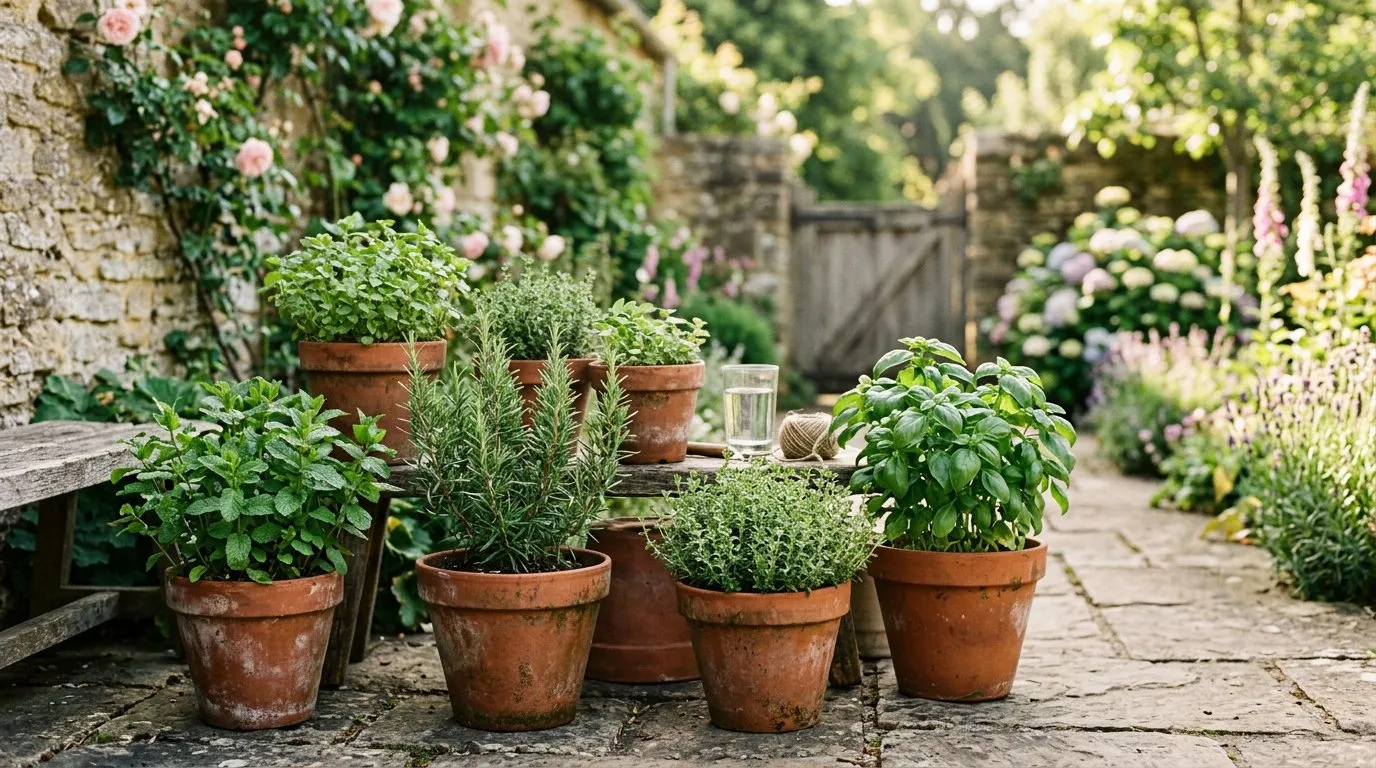
Growing a full collection of kitchen herbs alongside mint provides a complete flavour palette steps from the back door. Basil, parsley, chives, and coriander all grow well in containers grouped together. See our companion planting guide for combinations that benefit each other.
Month-by-month mint care calendar
| Month | Task |
|---|---|
| January | Rest period. Protect outdoor pots from severe frost with horticultural fleece. |
| February | Order plants or prepare fresh pots. Start indoor sowings at 18-22C if growing from seed. |
| March | Plant out container-grown mint after the last hard frost. Water as new growth emerges. |
| April | Take stem cuttings. Begin liquid feeding every 2-3 weeks. Watch for aphids on new shoots. |
| May | First harvest begins. Cut stems regularly to promote bushy regrowth. Water every 1-2 days. |
| June | Peak growing season. Harvest frequently. Pinch out flower buds to maintain leaf flavour. |
| July | Continue heavy harvesting. Take summer cuttings for new plants. Check watering daily. |
| August | Last chance for reliable cuttings. Freeze surplus leaves in ice cube trays for winter. |
| September | Growth slows. Reduce feeding. Final harvests of the season. Pot up rooted cuttings. |
| October | Top growth dies back. Clear dead stems. Move tender varieties to a sheltered position. |
| November | Mint enters dormancy. Reduce watering to weekly. No feeding needed. |
| December | Full dormancy. Keep compost barely moist. Roots survive to minus 15C underground. |
Northern gardeners and those at higher altitudes should delay spring tasks by 2-3 weeks. Our seed sowing calendar provides region-specific timing for herbs and vegetables.
Now you’ve mastered growing mint in containers, read our guide on how to grow herbs in the UK for the next step in building a productive kitchen herb collection.
Frequently asked questions
Does mint come back every year in the UK?
Yes, mint is a hardy perennial that returns each spring. Top growth dies back after the first hard frost in autumn, but roots survive underground through winter in temperatures down to minus 15C. New shoots appear from March without replanting. Plants stay productive for 3-4 years before they benefit from division and repotting into fresh compost.
Why should I not plant mint in the garden soil?
Mint spreads aggressively through underground stolons. These horizontal runners travel up to one metre per season beneath the surface. Within two years, a single plant colonises an entire border. Removing established mint roots is extremely difficult. Even small fragments left behind regrow into vigorous new plants within weeks.
Can I grow mint indoors on a windowsill?
Mint grows well indoors year round on a bright windowsill. Choose a pot at least 15cm wide with drainage holes. It needs 4-6 hours of light daily. Turn the pot weekly for even growth. Water every 2-3 days in summer and weekly in winter. Indoor plants produce smaller leaves than outdoor ones but remain fully productive.
What is the best mint for cooking?
Spearmint is the best all-round culinary variety. It has a mild, sweet flavour suited to drinks, salads, sauces, and lamb dishes. Peppermint has a stronger menthol kick for teas and desserts. Moroccan mint makes the finest traditional mint tea. Apple mint adds a gentle fruity note to jellies and fruit salads.
How do I stop mint from spreading?
Grow mint exclusively in containers standing on hard surfaces. Use pots at least 30cm wide with drainage holes. If you must plant in borders, sink the entire pot into the ground with the rim 5cm above soil level. Check for escaping runners monthly during the growing season. Cut back any runners immediately before they root into surrounding soil.
How do I treat mint rust?
Remove affected stems immediately and bin them. Never compost infected material as the spores survive. Cut severely infected plants to ground level and allow regrowth from the base. Improve air circulation around plants by thinning crowded growth and spacing containers apart. Apple mint shows the best natural resistance to rust among common UK varieties.
How often should I water mint in pots?
Water container mint every 1-2 days in summer and weekly in cooler months. Mint prefers consistently moist soil but not waterlogged conditions. Check by pushing a finger 2cm into the compost. If it feels dry, water thoroughly until liquid drains from the base. Mulch the surface with gravel to slow moisture loss between waterings.
Lawrie has been gardening in the West Midlands for over 30 years. He grows his own veg using no-dig methods, keeps a wildlife-friendly garden, and writes practical advice based on real UK growing conditions.