Medicinal Herb Garden: What to Grow UK
Plan a medicinal herb garden in UK conditions. Twelve herbs with growing needs, hardiness ratings, and traditional uses from 6 years of trials.
Key takeaways
- Twelve medicinal herbs grow reliably across all UK regions, most hardy to minus 15 degrees C
- A 2m x 3m bed in full sun with free-draining soil is enough space to grow a useful medicinal collection
- Calendula, chamomile, and mint are the three easiest starters for complete beginners
- Simple preparations like teas, poultices, and salves need no specialist equipment
- Always consult your GP before using herbal preparations alongside prescribed medication
- The UK physic garden tradition stretches back over 500 years to medieval monasteries
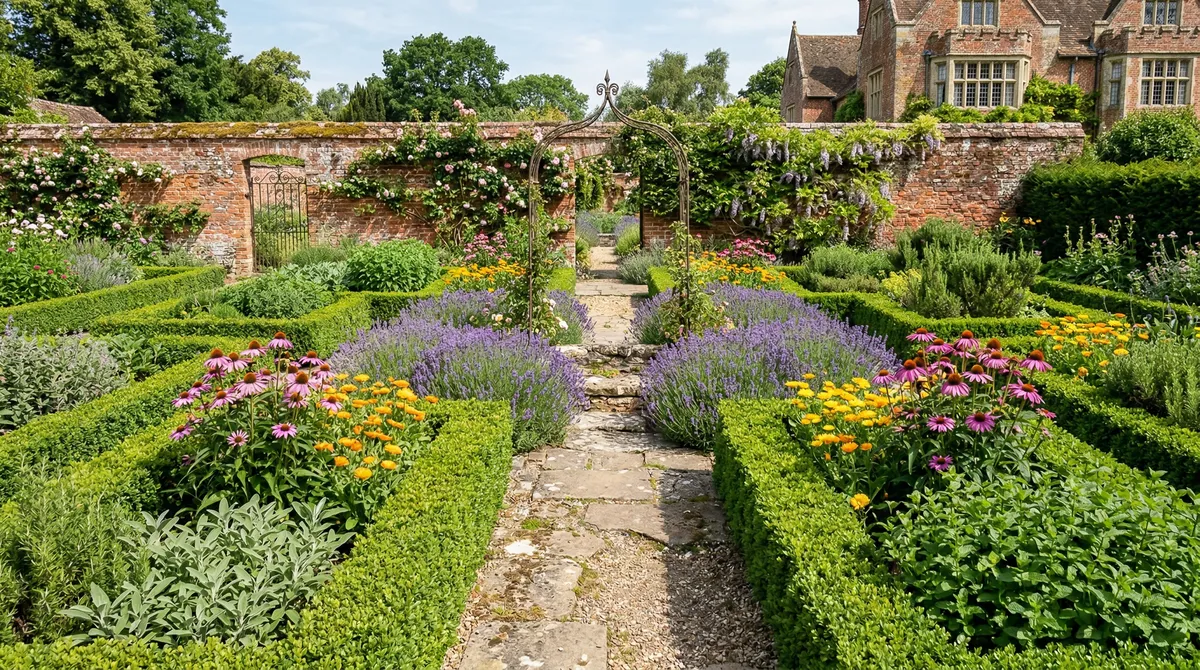
A medicinal herb garden is one of the oldest and most practical traditions in British gardening. Twelve species grow reliably across every UK region, from heavy Midlands clay to free-draining chalk in the south. Most establish within a single season and produce usable harvests of leaves, flowers, and roots for teas, salves, and poultices.
I have grown fifteen medicinal herb species over six years in a Staffordshire garden on heavy clay. This guide covers the twelve that performed best, their growing needs, traditional uses, and the simple preparations you can make at home. For broader herb growing advice, see our complete guide to growing herbs.
What is a physic garden?
The British medicinal herb garden has deep roots. Monastic physic gardens date back to the 12th century, when Benedictine monks grew herbs for treating the sick. The Chelsea Physic Garden, founded in 1673, still grows over 5,000 medicinal and useful plants in central London. Cottage gardens continued the tradition for centuries, mixing medicinal plants with vegetables and flowers.
A physic garden is simply a garden dedicated to plants grown for their medicinal properties. The word “physic” comes from the Greek physika, meaning natural science. These were not decorative gardens. They were working spaces where healers grew the raw materials for their treatments. Many of the plants grown in medieval physic gardens are the same species we grow today: sage, rosemary, thyme, chamomile, and lavender.
The tradition declined in the 19th century as synthetic pharmaceuticals replaced plant-based remedies. But interest has surged in recent years. Growing your own herbs for the kitchen and medicine chest connects you to a tradition that stretches back half a millennium.
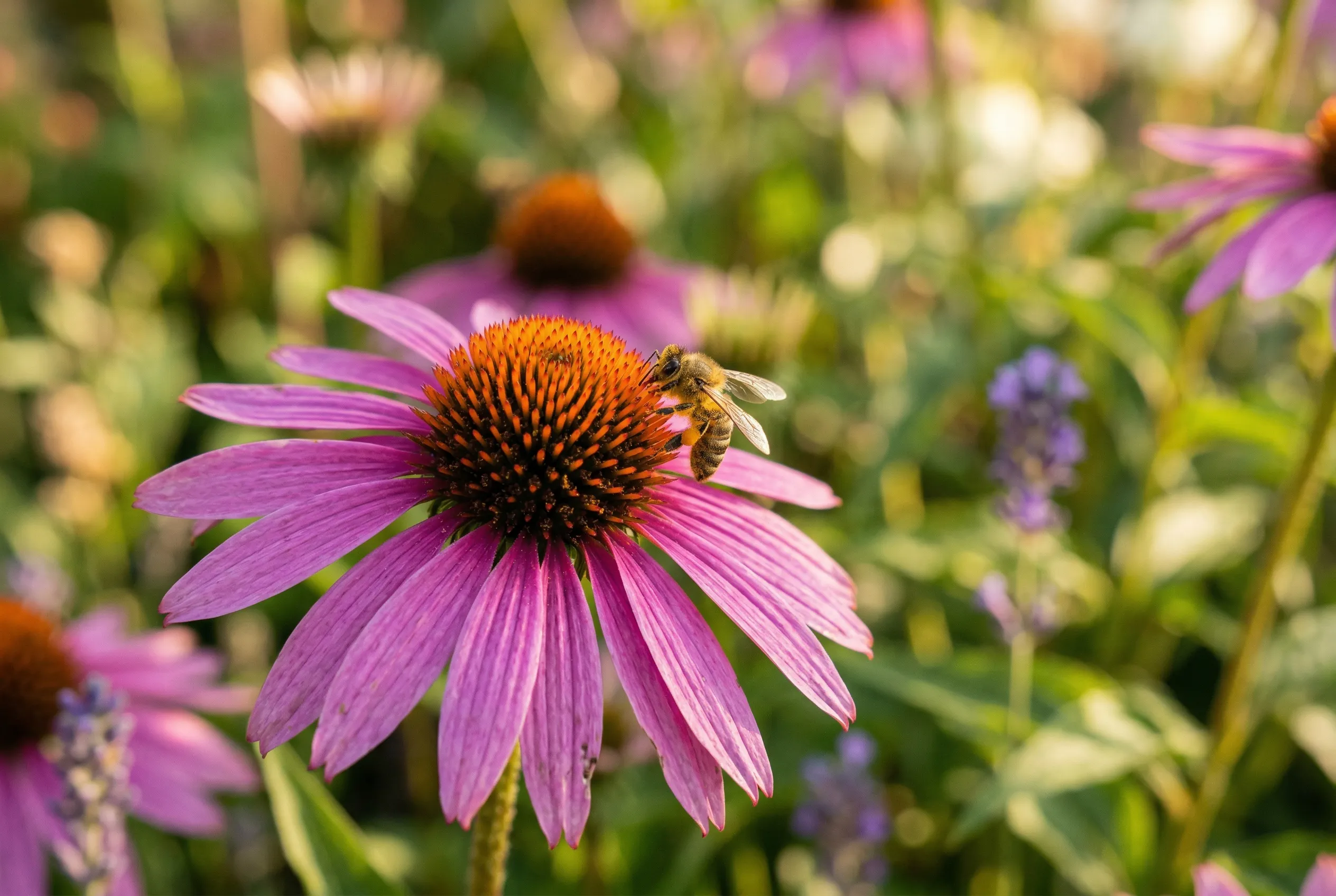
Purple echinacea is one of the most striking and useful plants in a medicinal herb garden.
Which medicinal herbs grow best in the UK?
These twelve species are the backbone of a British medicinal herb garden. All are hardy, widely available, and produce usable material within one or two growing seasons. I have ranked them by how easy they are to establish from seed or young plants.
Calendula (Calendula officinalis)
Calendula is the single most useful herb for beginners. Sow seed directly in spring and expect flowers within 8 weeks. The bright orange petals are anti-inflammatory and antiseptic when made into salves and creams. Calendula self-seeds freely, so one packet of seed provides plants for years. It grows to 50cm tall and thrives on any soil in full sun. Hardy to minus 15 degrees C.
Chamomile (Matricaria chamomilla)
German chamomile is the variety grown for tea and tinctures. The apple-scented flowers dry easily and make a calming tea that has been used for centuries to aid sleep and digestion. Sow seed on the surface of moist compost in spring. Plants reach 60cm and flower from June to September. Self-seeds reliably. Prefers full sun and well-drained soil.
Echinacea (Echinacea purpurea)
Echinacea is a striking perennial with large purple daisy flowers. It is widely used to support immune function during colds and flu. Plants take two years to establish fully from seed but are long-lived once settled. Grows to 90cm on any well-drained soil in full sun. Hardy to minus 20 degrees C. The roots, leaves, and flowers are all used in preparations.
Comfrey (Symphytum officinale)
Comfrey is a powerhouse plant for external use only. Its common name, “knitbone”, reflects centuries of use as a poultice for sprains and bruises. The leaves are rich in allantoin, which promotes cell growth. Grows to 1.2m tall on any soil, including heavy clay. Extremely hardy. Warning: comfrey contains pyrrolizidine alkaloids and must never be taken internally.
Valerian (Valeriana officinalis)
Valerian root has been used as a sedative for over 2,000 years. The tall stems reach 1.5m with clusters of pale pink flowers that attract pollinators. Dig roots in autumn of the second or third year. Prefers moist soil and tolerates partial shade, making it useful for shadier parts of the garden. Hardy to minus 20 degrees C.
Feverfew (Tanacetum parthenium)
Feverfew has a long history of use for migraine prevention. The small white daisy flowers and aromatic leaves grow on bushy plants to 60cm. Self-seeds prolifically. Grows in any well-drained soil in sun or partial shade. Hardy to minus 15 degrees C. Chewing the fresh leaves can cause mouth ulcers in some people.
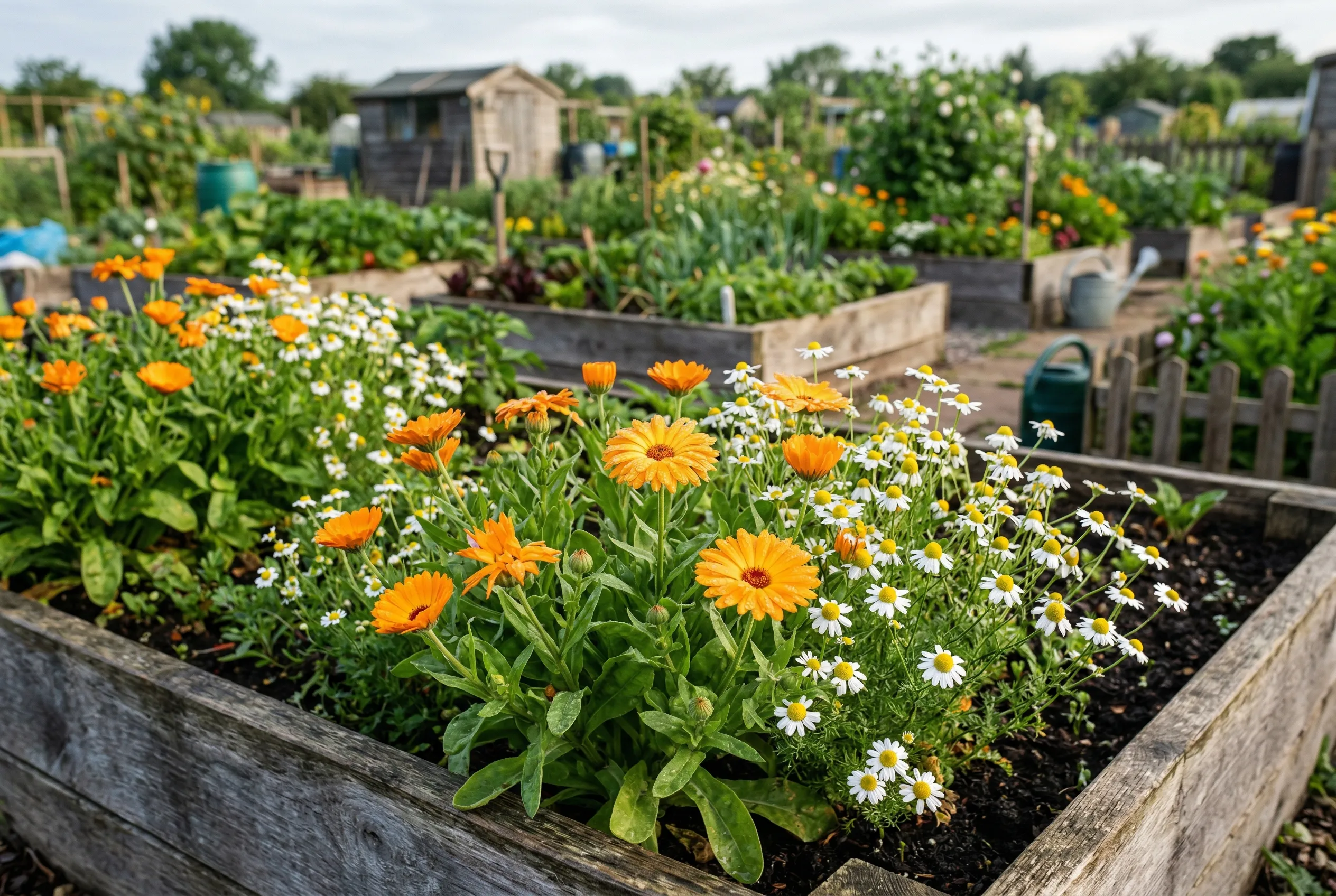
Calendula and chamomile are the easiest medicinal herbs to grow from seed.
St John’s wort (Hypericum perforatum)
St John’s wort is traditionally used for mild depression and anxiety. The yellow flowers appear from June to August on wiry stems up to 90cm tall. Grows on any well-drained soil in full sun. Hardy to minus 15 degrees C. This is one of the most important safety warnings in herbal medicine: St John’s wort interacts with many prescription drugs, including the contraceptive pill, warfarin, and SSRI antidepressants. Always consult your GP.
Lemon balm (Melissa officinalis)
Lemon balm makes one of the most pleasant herbal teas. The lemon-scented leaves are used fresh or dried for a calming tea. Plants spread vigorously and benefit from hard cutting back in midsummer to produce fresh growth. Grows to 80cm on any soil. Tolerates partial shade. Hardy to minus 15 degrees C.
Sage (Salvia officinalis)
Sage is both a culinary herb and a traditional medicine. Sage tea was used for sore throats and digestive complaints long before it became a kitchen staple. The grey-green leaves are evergreen and ornamental. Grows to 60cm and needs full sun with sharp drainage. Hardy to minus 10 degrees C. For detailed growing advice, see our guide on how to grow sage.
Thyme (Thymus vulgaris)
Thyme is a powerful natural antiseptic. Thymol, the active compound in thyme oil, is still used in commercial mouthwashes and cough remedies. Low-growing to 30cm, thyme makes excellent path edging and ground cover. Needs full sun and very free-draining soil. Hardy to minus 15 degrees C.
Rosemary (Salvia rosmarinus)
Rosemary has traditional uses for memory, circulation, and digestion. Modern research supports some of these claims. The evergreen shrub grows to 1.5m and provides year-round structure in the herb garden. Needs full sun and sharp drainage. Hardy to minus 10 degrees C, though prolonged freezing wet kills it faster than cold alone. Our rosemary growing guide covers cultivation in detail.
Lavender (Lavandula angustifolia)
English lavender is used for anxiety, sleep, and skin complaints. The dried flowers make sachets and teas, and lavender oil is one of the most widely used essential oils. Grows to 60cm in full sun on well-drained soil. Hardy to minus 15 degrees C. For full planting and pruning advice, see our lavender growing guide.
“I always tell people to plant calendula first. It flowers within weeks, self-seeds everywhere, and you can make a healing salve from the petals before the summer is out. It is the gateway drug to medicinal herb gardening.” — Lawrie Ashfield
Medicinal herb comparison table
This table summarises the twelve herbs by traditional use, growing difficulty, hardiness, and which part you harvest. All hardiness ratings are based on six winters of observation in the West Midlands.
| Herb | Traditional use | Difficulty | Hardy to | Harvest part |
|---|---|---|---|---|
| Calendula | Skin healing, anti-inflammatory | Easy | -15°C | Flower petals |
| Chamomile | Sleep aid, digestion | Easy | -15°C | Flowers |
| Echinacea | Immune support | Moderate | -20°C | Root, leaves, flowers |
| Comfrey | Poultice for sprains (external only) | Easy | -20°C | Leaves |
| Valerian | Sedative, sleep aid | Moderate | -20°C | Root |
| Feverfew | Migraine prevention | Easy | -15°C | Leaves, flowers |
| St John’s wort | Mild depression, anxiety | Easy | -15°C | Flowering tops |
| Lemon balm | Calming tea, digestion | Easy | -15°C | Leaves |
| Sage | Sore throat, digestion | Easy | -10°C | Leaves |
| Thyme | Antiseptic, coughs | Easy | -15°C | Leaves, flowers |
| Rosemary | Memory, circulation | Easy | -10°C | Leaves |
| Lavender | Anxiety, sleep, skin | Easy | -15°C | Flowers |
How to design a medicinal herb garden
Two approaches work well in British gardens: a formal physic garden and an informal cottage-style planting. Both deliver the same herbs. The choice is aesthetic.
Formal physic garden design
A formal layout uses geometric beds separated by paths. The classic design is four rectangular beds around a central feature such as a sundial, birdbath, or stone urn. Edge each bed with low box hedging (Buxus sempervirens ‘Suffruticosa’) or lavender for a fragrant alternative. This design echoes the monastic and apothecary gardens of the 16th and 17th centuries.
Arrange plants by height. Place tall species like valerian, echinacea, and comfrey at the back or centre. Middle-height herbs like sage, lemon balm, and feverfew go in the second row. Low growers like thyme, chamomile, and calendula sit at the front. A minimum bed size of 2m by 3m gives enough space for 8 to 10 species.
Informal cottage garden style
Cottage-style medicinal herb planting mixes herbs with ornamental flowers and vegetables. There are no strict rules. Let chamomile self-seed into gravel paths. Train rosemary against a warm south-facing wall. Plant calendula among your vegetable rows for colour and pollinator attraction.
This approach suits smaller gardens where a dedicated formal herb bed is not practical. Scatter medicinal herbs through existing borders and raised beds. They earn their place as ornamental plants in their own right: echinacea is as striking as any perennial, and sage provides year-round silver-green foliage.
Growing requirements and soil preparation
Most medicinal herbs share similar needs. Full sun for at least six hours daily and soil that does not sit wet in winter are the two non-negotiable requirements for the majority of species.
On heavy clay, dig in 30 to 50 percent horticultural grit by volume and raise beds 15 to 20cm above the surrounding ground level. This single improvement made the biggest difference in my Staffordshire trials. On sandy or chalky soil, most medicinal herbs grow without any amendment.
Feed sparingly. Rich soil produces lush leafy growth but reduces the concentration of essential oils and active compounds. A single application of pelleted chicken manure in spring is sufficient for most species. Rosemary, lavender, and thyme prefer lean, unfed soil.
Water new plants regularly in their first summer. Once established, most medicinal herbs need watering only during prolonged dry spells. Comfrey and valerian are the exceptions and prefer consistently moist soil.
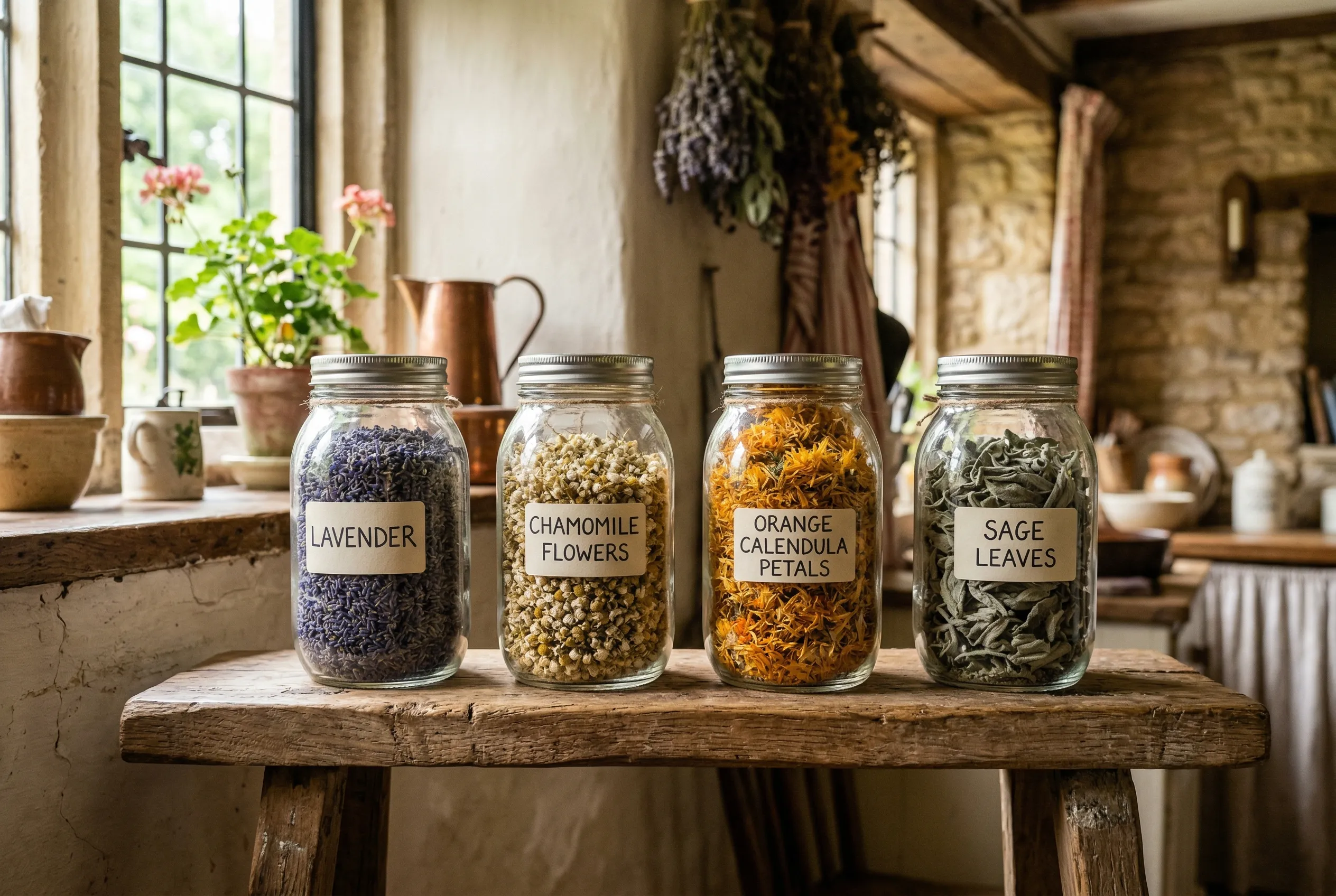
Dried calendula, chamomile, lavender, and sage store well in glass jars for winter use.
Simple preparations from your herb garden
You do not need specialist equipment to use your medicinal herbs. These four preparations cover the most common uses and need nothing more than a kitchen, some jars, and a little patience. For more on preserving your harvest, see our guide to drying and storing herbs.
Herbal tea (infusion)
The simplest preparation. Place 1 to 2 teaspoons of dried herb (or a small handful of fresh leaves or flowers) in a cup. Pour over boiling water. Cover and steep for 5 to 10 minutes. Strain and drink. Chamomile, lemon balm, sage, and thyme all make effective teas.
Calendula salve
Infuse dried calendula petals in olive oil for 4 to 6 weeks in a warm, sunny spot. Strain the oil through muslin. Melt 25g of beeswax per 200ml of infused oil in a bain-marie. Pour into small tins or jars. The salve is anti-inflammatory and useful for dry skin, minor cuts, and chapped hands.
Comfrey poultice
Crush fresh comfrey leaves and apply directly to bruises, sprains, or joint pain. Cover with a clean cloth and leave for 20 to 30 minutes. The allantoin in comfrey promotes cell repair. Never apply to broken skin and never take comfrey internally.
Lavender pillow
Fill a small muslin bag with dried lavender flowers and place inside your pillowcase. The scent promotes relaxation and may improve sleep quality. Replace the lavender every 3 to 4 months as the scent fades.
Safety warnings and disclaimers
Medicinal herbs are not toys and not all are harmless. Take these precautions seriously.
Always consult your GP before using herbal preparations if you take any prescribed medication. Herb-drug interactions can be dangerous. St John’s wort alone interacts with over 100 prescription drugs.
Comfrey is for external use only. Internal consumption causes liver damage. Never add comfrey to teas or food.
Identify plants with certainty. Never make preparations from herbs you cannot positively identify. Some medicinal plants have toxic look-alikes.
Pregnancy and breastfeeding. Many medicinal herbs are not safe during pregnancy. Sage, rosemary, feverfew, and St John’s wort should all be avoided. Consult a qualified medical herbalist.
Children. Herbal preparations should not be given to children under 12 without professional advice.
The information in this article is based on traditional use and personal growing experience. It is not medical advice. For evidence-based herbal medicine, consult a practitioner registered with the National Institute of Medical Herbalists or refer to the RHS herb growing guides for horticultural advice. Garden Organic is another excellent UK resource for growing medicinal and culinary herbs.
How to start a medicinal herb garden
Creating a herb garden from scratch is straightforward. Choose a sunny, sheltered spot. Mark out your bed at a minimum of 2m by 3m. Improve drainage on heavy soil with grit. Plant in spring from April to May, spacing according to each species’ mature spread.
Start with five or six species in your first year. Calendula, chamomile, lemon balm, sage, thyme, and lavender make an excellent foundation collection. Add echinacea, valerian, comfrey, and the others in subsequent years as you gain confidence and space.
Label every plant clearly with its common name and botanical name. This matters for safety. A well-labelled medicinal herb garden is a functional garden. An unlabelled one is a collection of unidentified plants you should not be making preparations from.
Even a few pots on a sunny patio can hold a useful collection. Those growing vegetables on a windowsill will find that chamomile and lemon balm adapt well to indoor growing too.
Frequently asked questions
Lawrie has been gardening in the West Midlands for over 30 years. He grows his own veg using no-dig methods, keeps a wildlife-friendly garden, and writes practical advice based on real UK growing conditions.