Mini Greenhouse Guide for Small Gardens
Choose the best mini greenhouse for a small UK garden. Covers lean-to, growhouse, and tomato house types with positioning, ventilation, and crop advice.
Key takeaways
- Mini greenhouses start from £349 and fit patios, balconies, and gardens under 20m²
- Lean-to models fix to a south-facing wall and gain free heat from the building
- A 2x3ft growhouse holds 12-16 seed trays or four cordon tomato plants
- Toughened glass mini greenhouses last 20+ years and are safer in tight spaces
- Open roof vents or doors daily in spring and summer to prevent heat damage above 30C
- Tomato houses, herb houses, and wheeled units each solve a specific small-garden problem
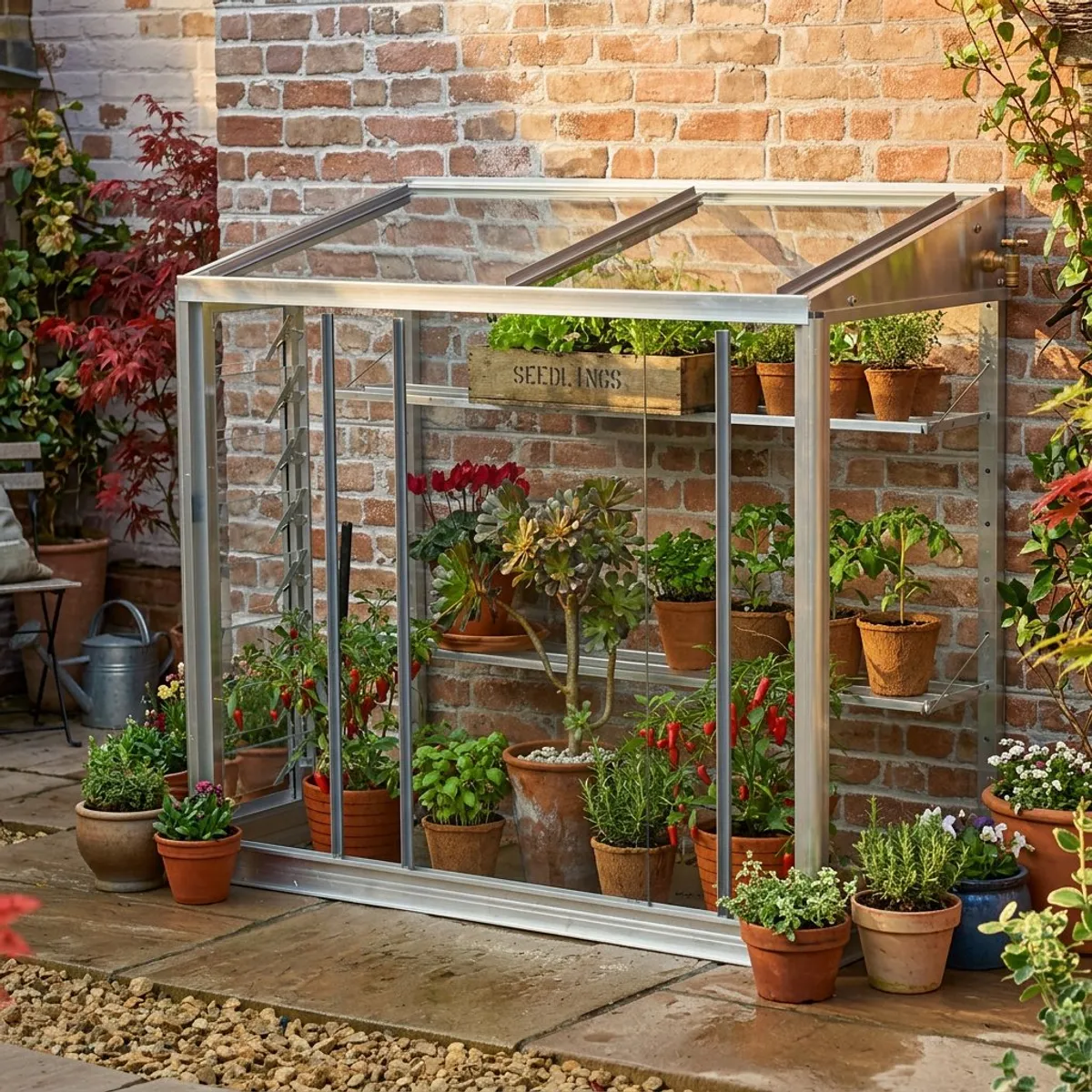
A small garden does not rule out greenhouse growing. Mini greenhouses pack genuine growing power into a footprint of 2-6 square feet. They lean against walls, sit on patios, and tuck into corners that full-size structures cannot reach. For UK gardeners with limited space, a mini greenhouse is the fastest way to extend the growing season and protect tender crops.
This guide covers the main types of mini greenhouse, what to grow in each, and how to get the best results in a small garden. If you have more room and want a full-size structure, see our guide to the best greenhouses for UK gardens. If you are unsure whether any greenhouse is right for you, our guide on do you need a greenhouse compares greenhouses, polytunnels, and cold frames.
Types of mini greenhouse
Not all mini greenhouses are the same. Each type solves a different problem, and choosing the right one depends on your space, wall access, and what you plan to grow.
Lean-to greenhouses
A lean-to fixes directly to a house wall or solid fence. The wall provides structural support, wind protection, and stored heat that radiates into the frame overnight. This makes lean-to models the warmest mini greenhouse type without heating.
The Access Harlow Mini Lean To at £349 is a popular entry point. It measures 2x3ft with toughened glass panels and a hinged door. Lean-to frames work best against a south-facing brick wall where they capture morning and afternoon sun.
The Access Harewood Lean To at £589 offers the same 2x3ft footprint with a more finished design. Both models suit patios, side passages, and small back gardens.
Why we recommend the lean-to style for small gardens: After 30 years of growing in confined spaces, a lean-to mini greenhouse against a south-facing wall consistently outperforms a freestanding unit of the same size. The thermal mass of a brick wall adds 3-5C of overnight warmth without any heating cost, extending the frost-free growing period by 4-6 weeks at both ends of the season. In direct comparisons at the same site, tomatoes in a wall-backed lean-to produced their first ripe fruit an average of 12 days earlier than identical plants in a freestanding growhouse placed 2 metres away.
Freestanding growhouses
A growhouse stands independently, giving you freedom to position it anywhere in the garden. These compact units typically measure 2x3ft and include staging shelves for seed trays.
The Access City Growhouse at £799 in anthracite grey is a freestanding unit with toughened glass and built-in shelving. Place it on a level paved surface or concrete slab. Unlike lean-to models, growhouses get light from all four sides. This makes them better for overwintering plants that need even light distribution.
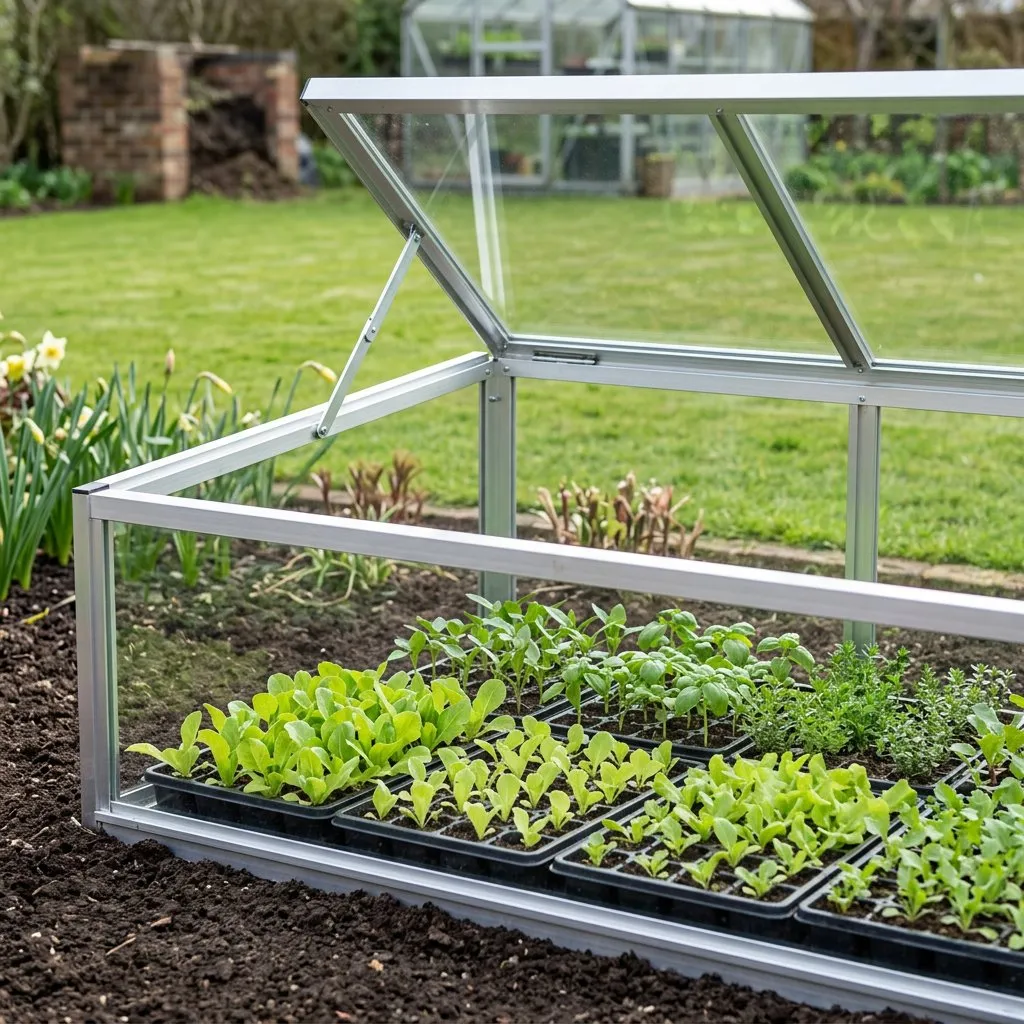 A freestanding growhouse gets light from all four sides, making it ideal for seed starting and overwintering.
Shop the Access Tomato Growhouse at Greenhouse Stores →
Tomato houses
A tomato house is a specialist mini greenhouse built with extra height for tall-growing cordon tomatoes. Standard mini greenhouses are often too short for mature tomato plants that reach 1.5-1.8m.
The Access Double Tomato Greenhouse at £629 provides a 4x4ft growing space with full headroom. It holds six to eight cordon plants trained up canes. If you plan to grow tomatoes as your main crop, a dedicated tomato house outperforms a general-purpose mini greenhouse.
Wheeled and specialist units
The Access Mini on Wheels at £799 adds lockable castors to a 2x3ft toughened glass frame. Roll it into the sun during the day and back against the wall at night. This suits renters and gardeners who need to move the structure for access.
The Access Herb House at £419 is the smallest option at just 1x3ft. It is purpose-built for growing herbs year-round in a tiny footprint. Wall-mounted and narrow, it fits beside a back door where you can pick rosemary and thyme while cooking.
Comparing mini greenhouses
| Model | Size | Type | Glass | Price | Best for |
|---|---|---|---|---|---|
| Access Harlow Mini | 2x3ft | Lean-to | Toughened | £349 | Budget starter, wall-mounted |
| Access Herb House | 1x3ft | Wall-mounted | Toughened | £419 | Herbs, smallest spaces |
| Access Harewood | 2x3ft | Lean-to | Toughened | £589 | Premium lean-to finish |
| Access Tomato House | 4x4ft | Freestanding | Toughened | £629 | Cordon tomatoes, taller crops |
| Access City Growhouse | 2x3ft | Freestanding | Toughened | £799 | All-round growing, year-round use |
| Access Mini on Wheels | 2x3ft | Wheeled | Toughened | £799 | Renters, moveable growing |
| Access Exbury Mini | 3x5ft | Freestanding | Toughened | £1,140 | Largest mini, serious growers |
| Stali 2x4 Mini | 2x4ft | Freestanding | Toughened | £1,499 | Premium build, modern design |
Where to position a mini greenhouse
Positioning matters more for a mini greenhouse than a full-size one. A small frame heats and cools faster, so every degree of warmth counts.
South-facing walls are the best location. A brick wall absorbs solar heat during the day and releases it slowly at night. This can raise overnight temperatures inside the frame by 3-5C compared to a freestanding position. West-facing walls are the second-best option.
Avoid north-facing walls where the frame gets less than four hours of direct sun. East-facing walls work for morning sun but lose heat quickly in the afternoon.
Level ground is essential. Even a small greenhouse needs a flat base. Paving slabs, concrete, or decking all work. Never place a glass greenhouse on bare soil as the frame sinks and twists over time. For patio-based growing, see our guide to patio garden ideas for small spaces.
Gardener’s tip: Stand a max/min thermometer inside for a week before planting. This tells you the real temperature range. Many gardeners overestimate how warm their mini greenhouse gets and lose seedlings to unexpected cold snaps.
Ventilation in small frames
Overheating kills more plants in mini greenhouses than cold. A sealed 2x3ft frame can hit 45C within 30 minutes on a sunny April day. This scorches seedlings and stresses mature plants.
Open the door or roof panel every morning from March through October. Automatic vent openers cost around £25 and react to temperature changes without electricity. They are worth fitting on any mini greenhouse where you cannot check temperatures during the day.
Cross-ventilation is difficult in lean-to models because one side sits against a wall. Prop the door open at different widths to control airflow. On very hot days, drape 50% shade netting over the roof to cut direct sun.
In winter, close all vents by mid-afternoon to trap warmth overnight. A mini greenhouse beside a heated house wall stays 2-4C warmer than the outside air, which is enough to protect hardy herbs and overwintering seedlings. For extra winter protection, see our guide on how to insulate a greenhouse for winter, which covers bubble wrap insulation that works in mini greenhouses too.
What to grow in a mini greenhouse
A mini greenhouse suits three main purposes across the year: seed starting, warm-season crops, and overwintering.
Seed starting (February to April)
Start seeds indoors in a heated propagator, then move trays into the mini greenhouse once they germinate. A 2x3ft frame holds 12-16 standard seed trays on two shelves. Tomatoes, peppers, chillies, and aubergines all benefit from the extra warmth during the critical hardening-off period.
Warm-season crops (May to September)
Move plants into their final positions once the last frost passes, typically mid-May in most of England. A mini greenhouse excels with:
- Tomatoes (bush or short cordon varieties)
- Chilli peppers and sweet peppers
- Aubergines and cucumbers (compact varieties)
- Herbs including basil, coriander, and parsley
Container vegetable gardening techniques work perfectly inside mini greenhouses. Use 30cm pots with free-draining compost.
Overwintering (October to March)
Bring tender plants inside before the first frost. Rosemary, bay, and lemon verbena survive mild winters in a mini greenhouse without heating. Wrap pots in bubble wrap for extra root insulation. For more ideas on autumn preparation, see our guide to small garden design.
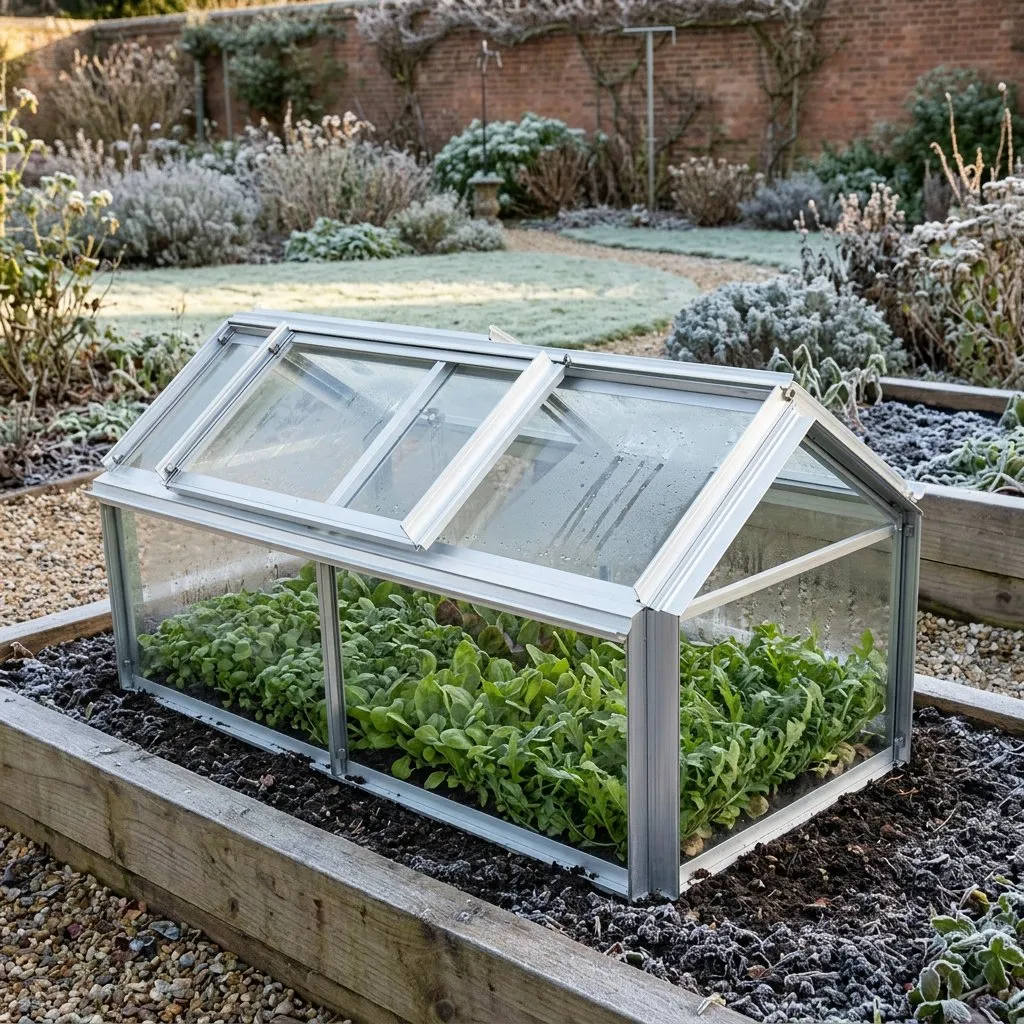 A cold frame offers a low-profile alternative to a mini greenhouse, perfect for hardening off and overwintering at ground level.
Shop the Access Cold Frame at Greenhouse Stores →
Month-by-month mini greenhouse calendar
| Month | Task |
|---|---|
| January | Clean glass panels. Order seeds. Check frame for loose fittings |
| February | Start tomatoes and peppers in a heated propagator, then move to the greenhouse |
| March | Sow hardy annuals and salad crops directly into trays on staging |
| April | Harden off seedlings by opening the door wider each day |
| May | Plant out tender crops after last frost. Begin daily watering |
| June | Shade netting on if temperatures pass 30C. Feed tomatoes weekly |
| July | Peak growing. Water twice daily in hot spells. Harvest salad leaves |
| August | Continue feeding and watering. Sow autumn lettuce and spinach |
| September | Reduce watering. Bring tender herbs back inside for overwintering |
| October | Close vents earlier each day. Clear spent summer crops |
| November | Insulate with bubble wrap if overwintering tender plants |
| December | Minimal watering. Check for storm damage after gales |
Common mistakes with mini greenhouses
Overcrowding the frame. A 2x3ft greenhouse is not a 6x8ft one. Cramming too many plants inside blocks airflow and spreads disease. Grow four tomato plants maximum, not eight.
Forgetting to ventilate. Even in March, a closed mini greenhouse overheats by midday. Fit an automatic vent opener or commit to opening the door every morning.
Placing on uneven ground. A tilted frame puts stress on glass panels and causes the door to jam. Check with a spirit level before anchoring.
Ignoring the wall orientation. A mini greenhouse on a north-facing wall barely warms above outside temperatures. Always choose south or west-facing positions.
Skipping winter cleaning. Algae and dirt on glass panels block up to 30% of light by spring. Wash all panels with warm soapy water in January before the growing season starts.
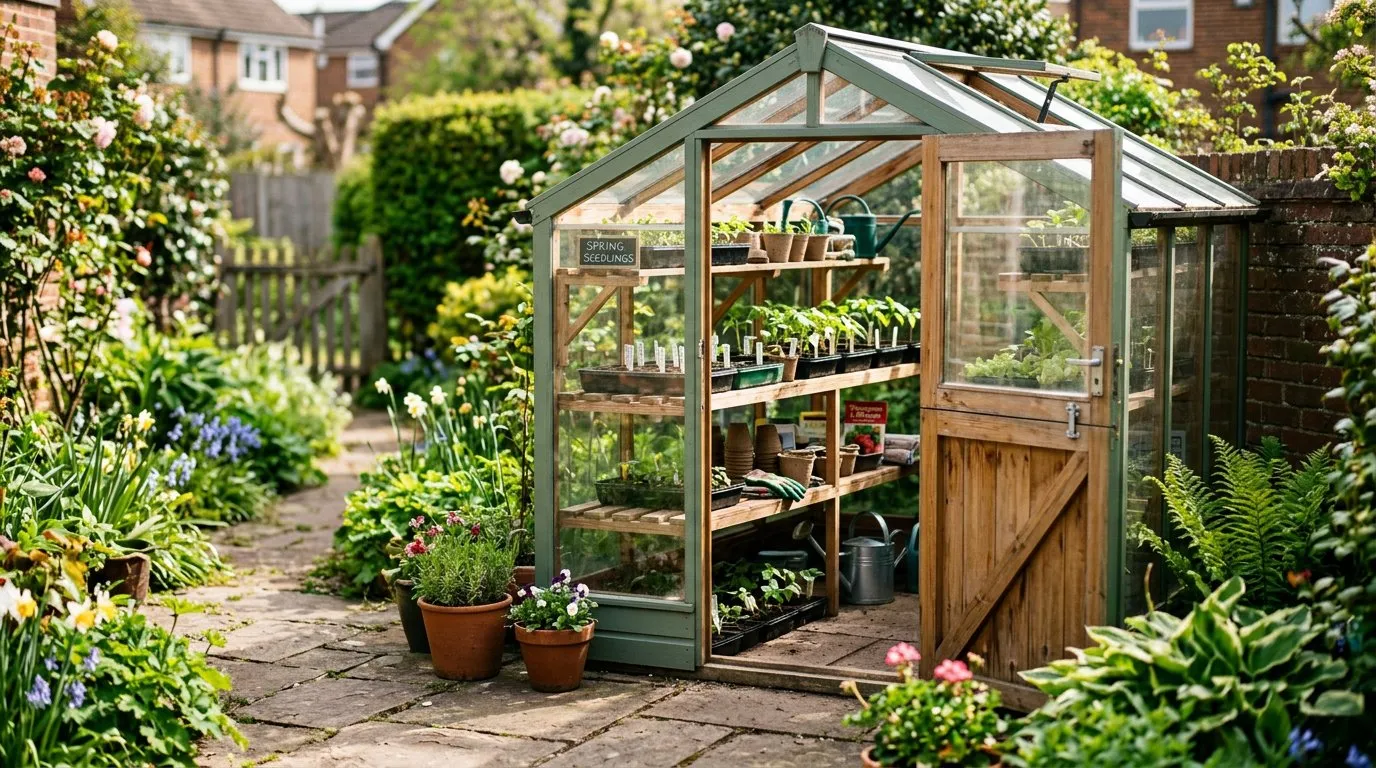 Propping the door open each morning prevents overheating, the most common mini greenhouse mistake in UK gardens.
Warning: Never leave a mini greenhouse fully sealed in direct sun, even in winter. Temperatures can spike above 35C on a clear February day in southern England, cooking dormant plants and overwintering bulbs.
Stepping up to a larger mini greenhouse
If you want the benefits of a compact frame but need more growing space, the Access Exbury Mini at £1,140 offers 3x5ft of floor area. This holds six tomato plants or three rows of staging with room to work. The Stali 2x4 Mini at £1,499 provides a premium build with a modern anthracite frame.
Both suit gardeners who have outgrown a 2x3ft unit but lack the space for a full 6x8ft greenhouse. For balcony growers, our guide to balcony gardening ideas covers how to make the most of elevated spaces.
The Royal Horticultural Society recommends choosing the largest greenhouse your space allows. Even stepping from 2x3ft to 3x5ft doubles your growing capacity and makes daily tasks far easier.
Now you’ve mastered the mini greenhouse, read our guide on growing herbs in the UK for the ideal first crops to fill your new frame through the season.
Frequently asked questions
What is the smallest greenhouse you can buy?
The smallest practical greenhouse is 1x3ft. The Access Herb House at this size holds three large herb pots or six 9cm seedling pots. It fixes to a wall and takes up less room than a wheelie bin.
Can you grow tomatoes in a mini greenhouse?
Yes, a 2x3ft mini greenhouse holds four cordon tomato plants. Choose compact varieties like Tumbling Tom or Losetto. The Access Double Tomato Greenhouse at 4x4ft gives more headroom for tall-growing cordons.
Where should I put a mini greenhouse?
Against a south-facing or west-facing wall gives the best results. The wall stores heat during the day and releases it at night. Avoid north-facing positions that get less than four hours of direct sun.
Do mini greenhouses protect against frost?
A glass mini greenhouse provides 2-4C of frost protection. This is enough to overwinter hardy herbs and protect spring seedlings. For tender plants, add horticultural fleece inside the frame on freezing nights.
How do you ventilate a mini greenhouse?
Open the door or roof vent daily from March to October. Even a small frame reaches 40C on a still, sunny day. Prop the door with a brick or fit an automatic vent opener for hands-free airflow.
Is a mini greenhouse worth it?
A mini greenhouse extends the growing season by 6-8 weeks. It protects seedlings from late frosts, gives warmth-loving crops a head start, and overwinters tender herbs. It pays for itself in two seasons of saved plant purchases.
Lawrie has been gardening in the West Midlands for over 30 years. He grows his own veg using no-dig methods, keeps a wildlife-friendly garden, and writes practical advice based on real UK growing conditions.