Best Greenhouse for UK Gardens
The best greenhouses for UK gardens compared by size and budget. Aluminium, wooden, and polycarbonate models rated for British weather.
Key takeaways
- A 6x8ft aluminium greenhouse is the most popular choice for UK gardens, fitting standard plots and paths
- Aluminium frames start from £399 and need almost no maintenance over a 25-year lifespan
- Wooden greenhouses like the Swallow Kingfisher offer 15-20% better heat retention but need annual treatment
- Toughened glass is safer and more durable than horticultural glass, especially in exposed gardens
- Mini greenhouses from £349 suit patios and small spaces where a full-size model won't fit
- Budget £400-£600 for a solid starter greenhouse, £800-£1,500 for mid-range, £2,000+ for premium timber
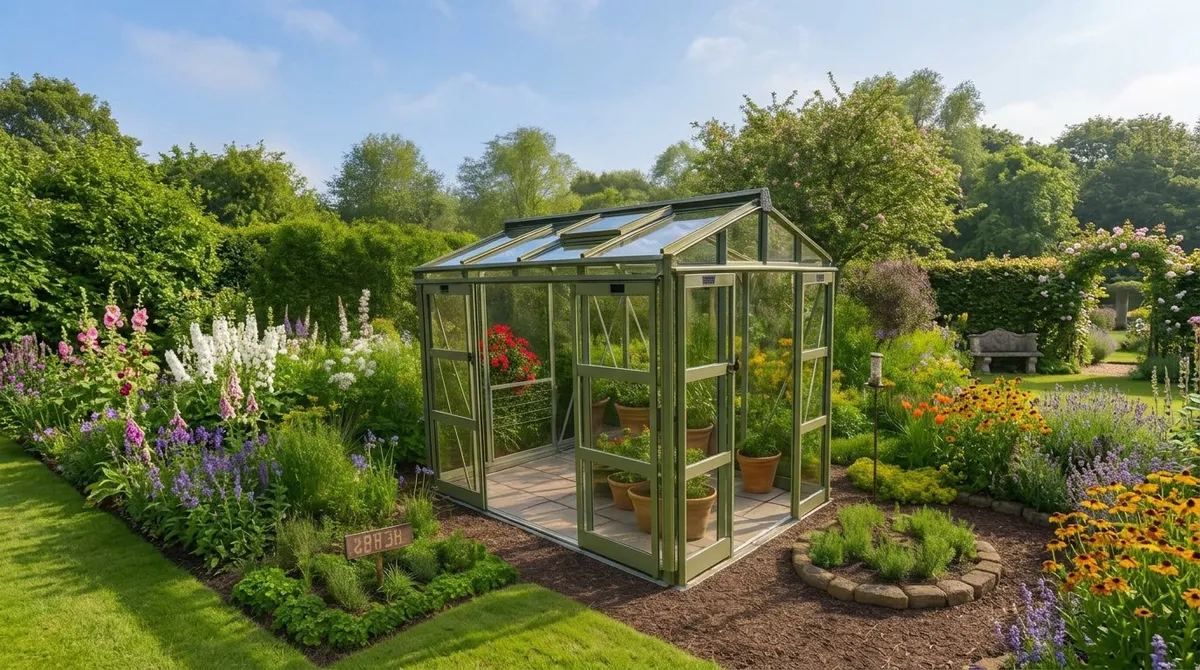
Choosing the right greenhouse is one of the best decisions a UK gardener can make. A well-chosen structure extends your growing season by two to three months, protects tender crops from late frosts, and gives you a dedicated space for seed starting. The wrong choice means wasted money and a frame that doesn’t survive its first British winter.
This guide compares the main greenhouse types available to UK gardeners, from budget polycarbonate models to premium timber frames. Every greenhouse mentioned here is available from UK retailers and suited to British weather conditions. If you already have a greenhouse and want to get growing, see our guide to growing tomatoes in the UK.
Aluminium vs wooden vs polycarbonate greenhouses
The frame material is the single most important decision. It affects price, maintenance, heat retention, and how long the greenhouse lasts.
Aluminium frames dominate the UK market. They are lightweight, corrosion-resistant, and need no painting or treatment. A good aluminium greenhouse lasts 25 years or more with zero maintenance beyond replacing the odd clip. The Vitavia Venus 5000 is a popular mid-range example, priced at £549-£849 depending on glazing and colour.
Wooden frames offer a traditional look and better thermal performance. Timber insulates roughly 15-20% more effectively than aluminium, keeping the greenhouse warmer on cold nights. The trade-off is annual maintenance. Expect to apply preservative every autumn. The Swallow Kingfisher at £3,397 is a premium example built from Scandinavian red pine.
Polycarbonate panels are a glazing option rather than a frame type. They pair with aluminium frames and offer good insulation and shatter resistance. Models like the Palram Hybrid at £399-£519 use twin-wall polycarbonate for the roof and clear panels for the sides. Our guide to polycarbonate vs glass greenhouses covers the full comparison of light transmission, heat retention, and safety.
What size greenhouse do you need?
Size depends on what you plan to grow and how much garden space you have. Most UK gardeners settle on a 6x8ft (1.8 x 2.4m) model as the best balance between growing space and footprint.
| Size | Floor area | Best for | Typical price range |
|---|---|---|---|
| 6x4ft | 2.2m² | Seed starting, small collections | £300-£500 |
| 6x8ft | 4.5m² | General growing, tomatoes, staging | £400-£900 |
| 8x10ft | 7.4m² | Serious growers, overwintering | £800-£1,500 |
| 8x12ft+ | 9.3m²+ | Year-round production, large gardens | £1,200-£3,500+ |
A 6x4ft model is tempting as a first greenhouse, but most growers outgrow it within a year. You fill the staging with seed trays in March, add tomato plants in May, and suddenly there’s no room for anything else. If you have the space, start with 6x8ft.
For gardeners with limited space, mini greenhouses offer a practical alternative. Access Mini Greenhouses start from £349 and lean against a wall or fence. They suit patios, balconies, and tiny back gardens. Our mini greenhouse guide for small gardens covers lean-to, growhouse, and tomato house types in detail. They are also perfect for container vegetable gardening where a full structure won’t fit.
Gardener’s tip: Measure your path width before ordering. A 6ft-wide greenhouse needs at least a 2m-wide path for access during construction. Check overhead clearance too, especially for eave height on raised bed gardening areas nearby.
Choosing the right glazing
Glazing affects light transmission, insulation, safety, and price. There are three main options for UK greenhouses.
Horticultural glass is the traditional choice. It lets in the most light (around 90% transmission) and stays clear for decades. The downside is fragility. It shatters into sharp shards on impact. Budget models like the base-spec Vitavia Venus 5000 use horticultural glass.
Toughened safety glass costs 20-30% more but is five times stronger. When it does break, it crumbles into small granules rather than jagged shards. The Elite Thyme at £1,429 comes with toughened glass as standard. Families with children should choose toughened without hesitation.
Twin-wall polycarbonate provides the best insulation of the three. The air gap between layers reduces heat loss by up to 40% compared to single glass. Light transmission is lower (around 80%) and the panels can yellow after 10-15 years. The Palram Hybrid uses polycarbonate roof panels with clear side panels, offering a good middle ground.
| Glazing type | Light transmission | Insulation | Durability | Safety |
|---|---|---|---|---|
| Horticultural glass | 90% | Low | Fragile | Poor (sharp shards) |
| Toughened glass | 88% | Low | High | Good (crumbles) |
| Twin-wall polycarbonate | 80% | High | Moderate | Excellent (flexible) |
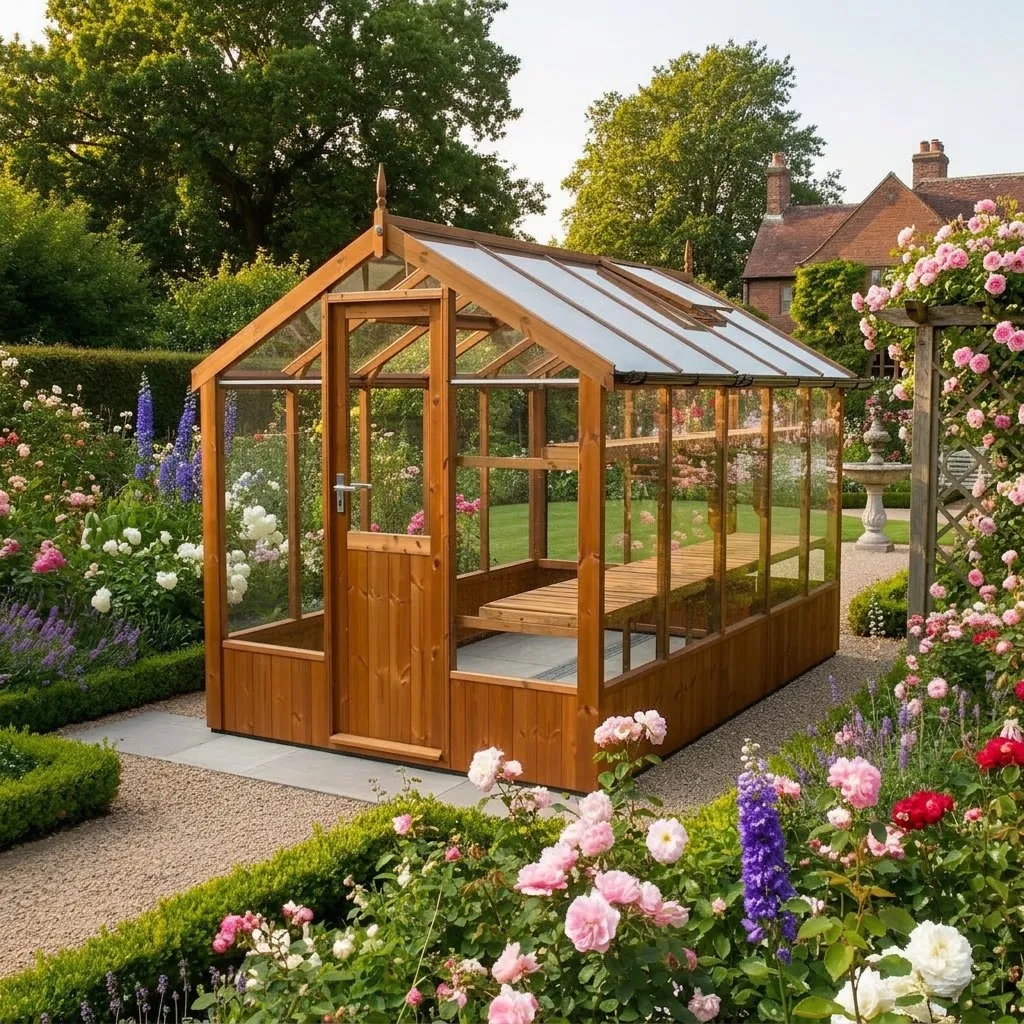 The Swallow Kingfisher in Scandinavian red pine brings a traditional look and superior heat retention to a cottage garden.
Shop the Swallow Kingfisher at Greenhouse Stores →
Best greenhouses by budget
Under £500: best value starters
The Palram Hybrid 6x8ft at £399-£519 is the strongest value option. Polycarbonate roof panels protect against hail and accidental breakage. The aluminium frame needs no maintenance. It suits beginners and gardeners who want to try greenhouse growing without a large investment. Growing herbs and starting seedlings are ideal uses for this size.
£500-£1,000: the mid-range sweet spot
The Vitavia Venus 5000 at £549-£849 is one of the most popular greenhouses in the UK. Available in silver, green, and black finishes, with a choice of horticultural or toughened glass. The 5000 model offers 8x6ft of growing space with integral guttering and a single sliding door. The Elite High Eave range starts from £849 and gives extra headroom for tall crops like cucumbers and cordon tomatoes.
£1,000-£2,000: serious growers
The Elite Thyme 6x8ft at £1,429 comes with toughened glass, an aluminium frame, and a 15-year manufacturer guarantee. The Palram Glory range starts from £950 and offers a barn-style design with extra headroom. Both suit gardeners who plan to use their greenhouse year-round for growing vegetables.
Over £2,000: premium timber
The Swallow Kingfisher 6x10ft at £3,397 is handmade in Lincolnshire from Scandinavian red pine. It comes with toughened glass, brass fittings, and auto vents. Wooden greenhouses at this level are garden features in their own right. They hold heat well through autumn and winter, making them suitable for overwintering tender plants.
What to look for when buying
Beyond frame material, size, and glazing, several features separate a good greenhouse from a frustrating one.
Ventilation is critical. A greenhouse without adequate vents overheats within minutes on a sunny day, even in March. Look for at least one roof vent per 2m of length, plus a louvre vent in the side wall. Automatic vent openers (around £25 each) are essential if you are out during the day. Heat build-up kills more greenhouse plants than cold.
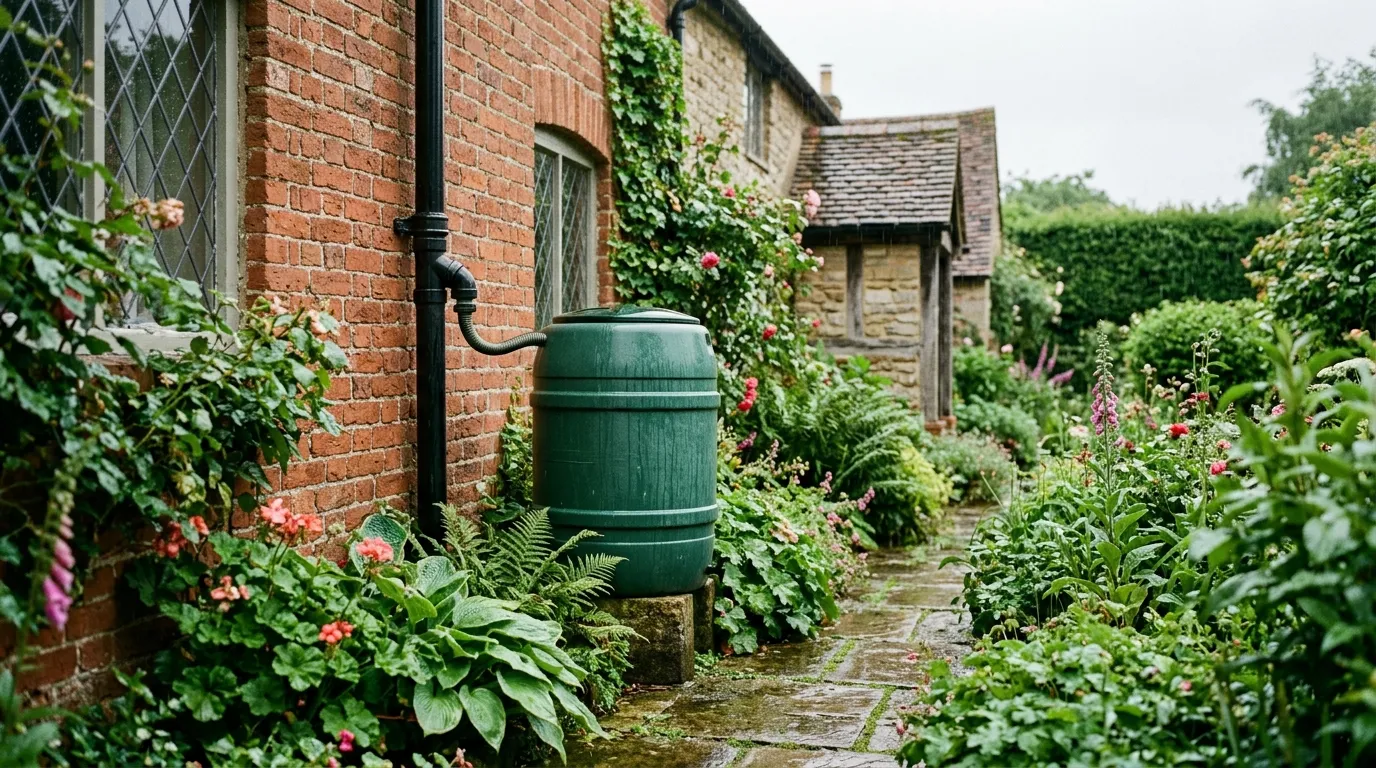
Guttering collects rainwater for free irrigation. Most aluminium greenhouses include integral gutters. Connect a water butt to each downpipe. A 6x8ft greenhouse collects roughly 3,000 litres of rainwater per year in an average UK location.
Base requirements vary by model. Most aluminium greenhouses need a steel base frame (often sold separately for £50-£100) secured to a flat, level surface. Concrete slabs, paving, or a poured concrete strip all work. Our guide on how to build a greenhouse base covers paving slabs, concrete, and steel base kits step by step. Never place a greenhouse directly on bare soil.
Doors come as single sliding, double sliding, or hinged. Sliding doors save space and won’t blow open in wind. Hinged doors are easier to open with full hands but need clearance to swing.
Warning: Check wind exposure before choosing a position. An unsheltered greenhouse in a windy garden needs toughened glass and secure bolting to the base. Companion planting a windbreak hedge on the prevailing wind side helps protect the structure.
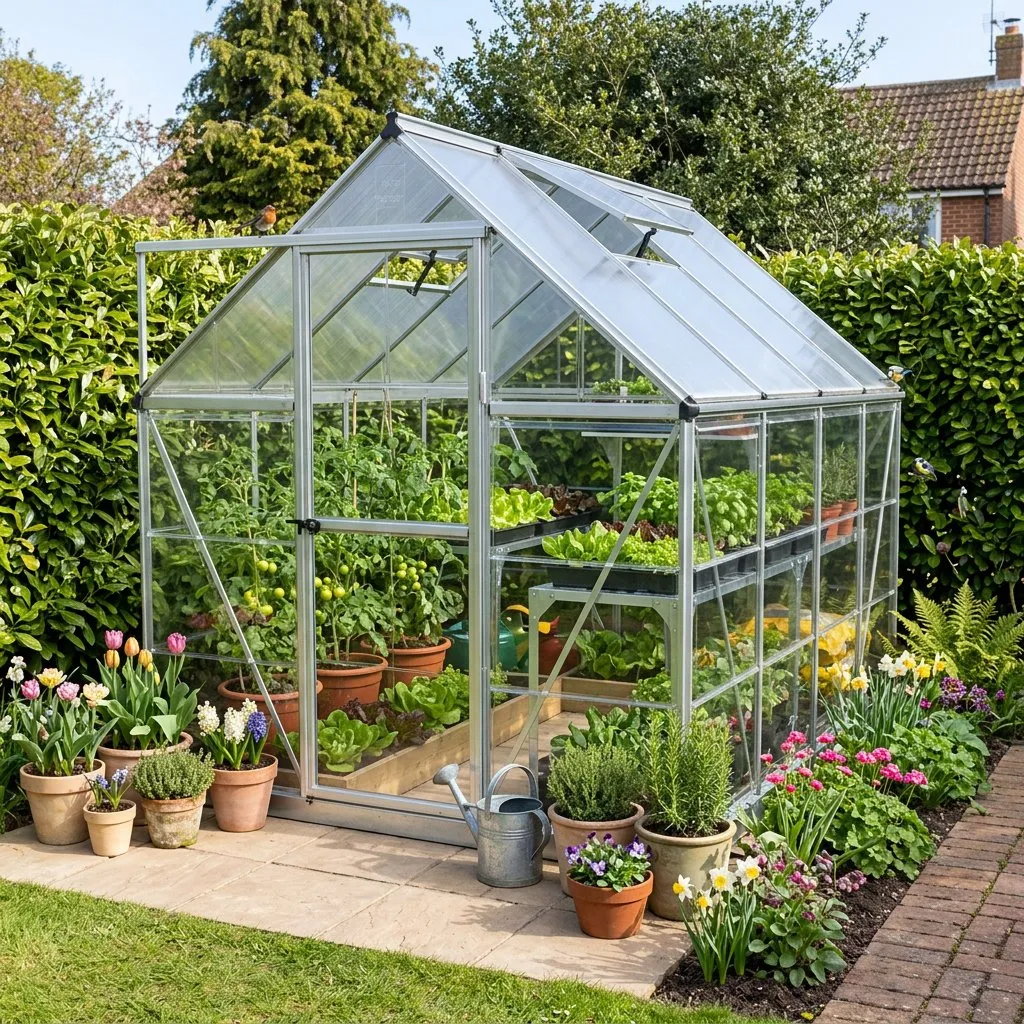 The Palram Hybrid 6x8 offers solid polycarbonate construction at a budget-friendly price point.
Shop the Palram Hybrid 6x8 at Greenhouse Stores →
Common mistakes when buying a greenhouse
Buying too small. The most frequent regret. A 6x4ft greenhouse seems spacious in January but overflows by April. Start with 6x8ft minimum if your garden allows it. If budget is the main constraint, a polytunnel offers more growing space per pound than a greenhouse, though with trade-offs on ventilation and durability.
Ignoring ventilation. Greenhouses overheat faster than most beginners expect. A still, sunny day in April can push internal temperatures past 35C. Without roof vents and auto openers, you lose plants to heat stress.
Skipping the base. Building directly on soil leads to sinking, shifting, and frame damage within two years. A proper level base is not optional.
Choosing the cheapest glazing. Horticultural glass saves money upfront but costs more in replacement panes over time. If your site is exposed or you have children, toughened glass pays for itself.
Forgetting about access. You need room to carry glass panes and frame sections during construction. A greenhouse tucked into a tight corner is difficult to build and harder to maintain.
Getting the most from your greenhouse
A greenhouse earns its cost when you use it across the full year. Start seeds in February for chilli peppers and tomatoes. Move to salad crops and herbs through spring. Grow tomatoes, cucumbers, and peppers through summer. Use it for overwintering tender plants from October.
Staging and shelving double your usable space. Aluminium staging is durable and easy to clean. Tiered shelving against the back wall holds dozens of extra seed trays.
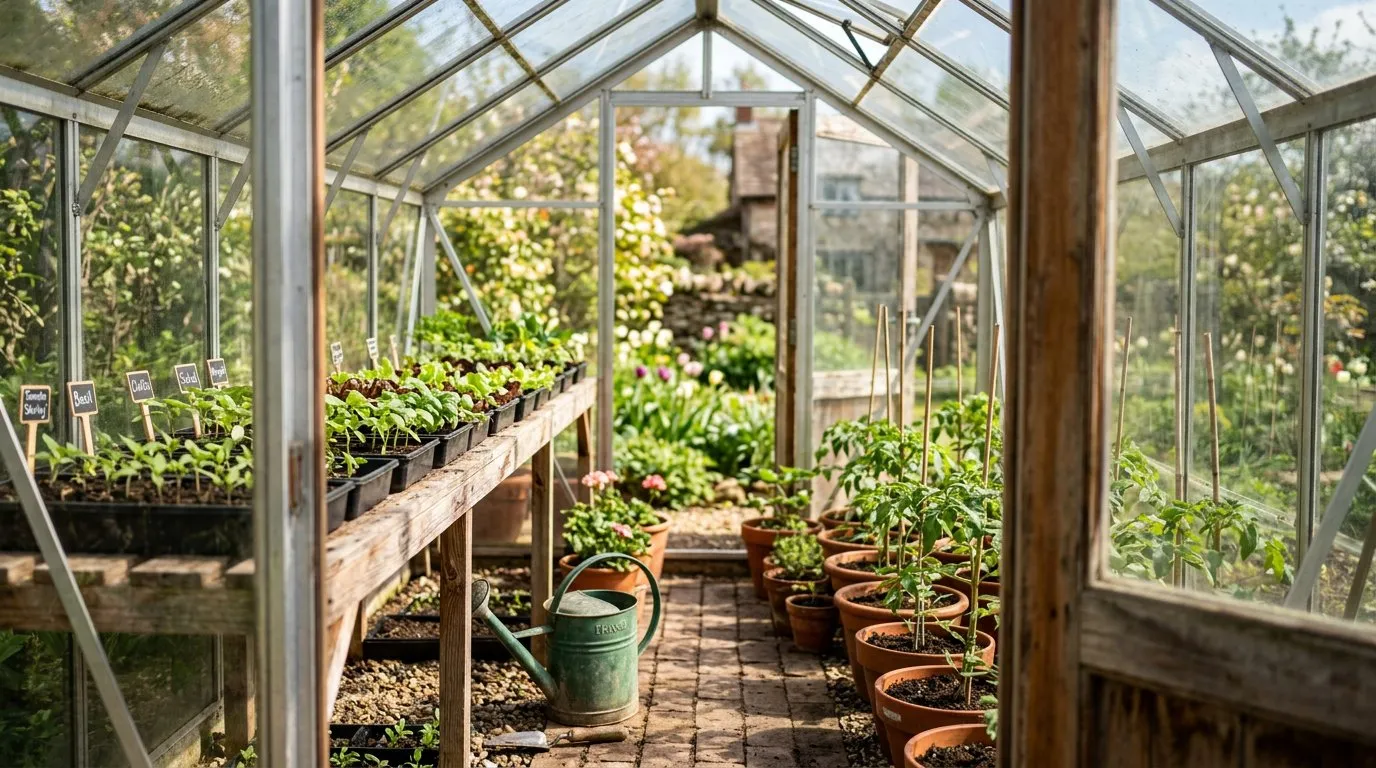 Staging and shelving change a greenhouse interior, doubling the usable growing space for seed trays and young plants.
Shade netting is essential from May to September. A simple 50% shade cloth draped over the roof prevents leaf scorch on hot days. Remove it in autumn when light levels drop.
The Royal Horticultural Society recommends positioning your greenhouse with the ridge running east to west. This orientation captures the most winter sunlight, which is the limiting factor for UK growing.
For ideas on what to grow once your greenhouse is set up, see our guides on growing in grow bags and raised bed gardening for beginners.
Why we recommend the Vitavia Venus 5000: After 30 years of installing and growing in greenhouses across the UK, the Vitavia Venus 5000 consistently outperforms everything else in the £500-£900 bracket. Its single-piece aluminium extrusions resist racking in wind better than two-part frames, and the integral gutters feed a water butt that collects roughly 3,000 litres per year on an average UK site. In toughened glass form it has survived hailstorms that shattered horticultural glass in neighbouring greenhouses on the same plots.
Now you’ve mastered choosing a greenhouse, read our guide on polycarbonate vs glass greenhouses for the next step.
Frequently asked questions
What size greenhouse should I buy?
A 6x8ft greenhouse suits most UK gardens. It holds 40-50 seed trays on staging and leaves room for a growing bench and floor-level tomato pots. Smaller gardens can use a 6x4ft model, but you will outgrow it within one season.
Is aluminium or wooden better for a greenhouse?
Aluminium suits most gardeners because it needs no upkeep. Wooden greenhouses hold heat 15-20% better and look more attractive in traditional gardens, but they need annual preservative treatment and cost two to three times more.
Do I need toughened or horticultural glass?
Toughened glass is safer and more durable. It withstands storm debris and accidental knocks without shattering. Horticultural glass is cheaper but breaks into sharp shards. Families with children or pets should always choose toughened.
How much does a greenhouse cost in the UK?
Budget aluminium greenhouses start from £399. Mid-range models with toughened glass cost £600-£1,500. Premium wooden greenhouses range from £2,000 to over £3,500. Professional installation adds £200-£500 depending on the size.
Can I put a greenhouse on a patio?
Yes, a flat and level paved surface works well. You need a steel base frame bolted to the paving. Avoid placing greenhouses directly on soil without a proper foundation, as the frame shifts over time.
Do I need planning permission for a greenhouse?
Most domestic greenhouses fall under permitted development. The structure must be single storey, not cover more than 50% of the garden, and sit behind the front wall of the house. Check with your local council if you live in a conservation area.
Lawrie has been gardening in the West Midlands for over 30 years. He grows his own veg using no-dig methods, keeps a wildlife-friendly garden, and writes practical advice based on real UK growing conditions.