Greenhouse Pest Control: UK Guide
UK greenhouse pest control guide covering whitefly, spider mites, aphids, vine weevil, and slugs. Biological controls, prevention, and treatment methods.
Key takeaways
- Seven pests cause 90% of UK greenhouse damage: whitefly, spider mite, aphids, vine weevil, slugs, mealybug, and scale insects
- Biological controls achieve 80-90% pest reduction without chemicals and are safe for edible crops
- Encarsia formosa wasps control whitefly at £10-15 per introduction, working best above 18C
- Autumn greenhouse cleaning removes 80-90% of overwintering pests and eggs
- Good ventilation using automatic vent openers keeps temperatures below 30C and reduces pest pressure
- Companion planting with French marigolds and basil reduces whitefly on tomatoes by up to 50%
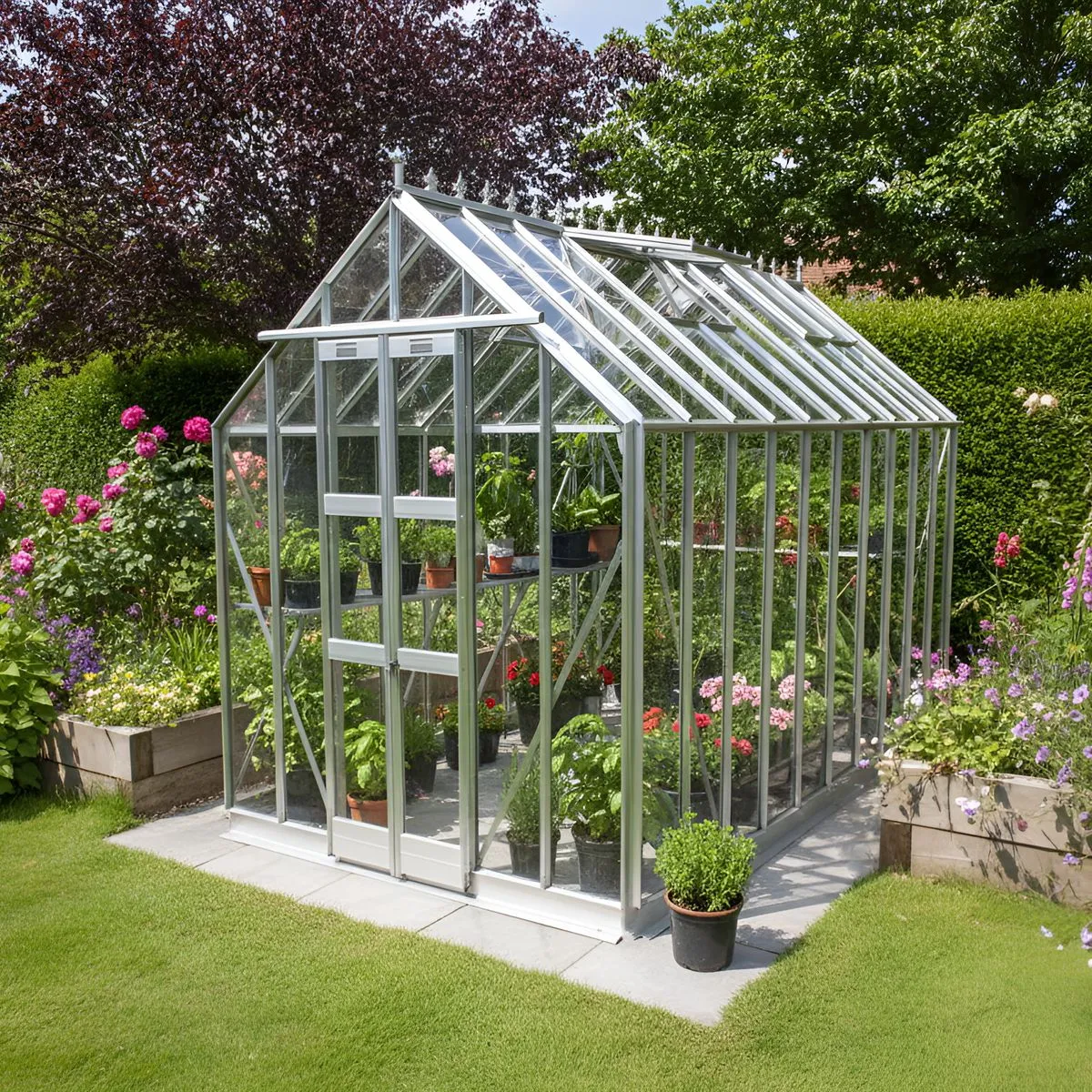
Greenhouse pests thrive in the warm, sheltered conditions that make growing under glass so productive. The same environment that pushes tomatoes to ripen and cucumbers to crop also allows whitefly, spider mites, and aphids to breed at alarming speed. Left unchecked, a minor pest problem in May becomes a crop-destroying infestation by July.
The good news is that every common greenhouse pest has a reliable, proven control. Biological controls using parasitic wasps, predatory mites, and nematodes achieve 80-90% effectiveness against target pests. Combined with good hygiene, proper ventilation, and strategic companion planting, most gardeners can manage pests without reaching for chemicals at all.
How to identify common greenhouse pests
Knowing what you are dealing with is half the battle. These seven pests cause over 90% of greenhouse damage in the UK. Each has distinct identification features and specific controls.
| Pest | Size | Identification | Main damage | Peak season |
|---|---|---|---|---|
| Glasshouse whitefly | 1.5mm | White-winged adults on leaf undersides | Honeydew, sooty mould, leaf yellowing | May-October |
| Red spider mite | 0.5mm | Yellow-green mites, fine webbing | Yellow stippling, leaf bronzing, defoliation | June-September |
| Aphids | 2-3mm | Green, black, or pink clusters on shoot tips | Distorted growth, honeydew, virus transmission | April-October |
| Vine weevil | 9mm adult | Black beetle with fused wing cases, C-shaped white grubs | Root destruction (grubs), leaf notching (adults) | Adults: May-Sept, Grubs: autumn-spring |
| Slugs and snails | 10-80mm | Grey or brown, slime trails on staging | Seedling destruction, holes in leaves and fruit | Year-round in heated greenhouses |
| Mealybug | 3-4mm | White waxy coating, cottony egg masses | Sap feeding, honeydew, plant weakening | Year-round indoors |
| Scale insects | 2-6mm | Brown domed shells on stems and leaf veins | Sap feeding, honeydew, branch dieback | Year-round indoors |
Check plants weekly from April onwards. Catching pests early, when only a few individuals are present, makes control far simpler than battling an established colony. For a detailed breakdown of spider mite identification and control, see our dedicated guide.
Biological controls for greenhouse pests
Biological controls are living organisms that suppress pest populations naturally. They are the most effective long-term approach and are safe to use on food crops right up to harvest.
Whitefly: Encarsia formosa
The parasitic wasp Encarsia formosa is the standard biological control for glasshouse whitefly. Each tiny wasp (0.6mm) parasitises up to 300 whitefly scales over its lifetime. It lays an egg inside the whitefly nymph, which turns black as the wasp larva develops. Introduce at a rate of 5-10 per plant from May onwards. Encarsia needs temperatures above 18C and good light levels to work. Expect visible results within 3-4 weeks. A single introduction costs £10-15 for a hobby greenhouse.
Spider mites: Phytoseiulus persimilis
Phytoseiulus persimilis is a fast-moving predatory mite that devours 5-7 adult spider mites or 20 eggs per day. Introduce at the first sign of leaf stippling, not once webbing covers the plants. It needs temperatures of 16-30C and humidity above 60%. Damp down greenhouse floors to raise humidity on hot days. Costs £8-15 per application for a hobby greenhouse, with repeat introductions every 2-3 weeks during peak season.
Aphids: Aphidius colemani
The parasitic wasp Aphidius colemani lays eggs inside aphids, killing them from within. Parasitised aphids swell into brown, papery “mummies” visible on leaves. Introduce from April when aphid colonies first appear. Each wasp parasitises 200-300 aphids. For severe outbreaks, combine with lacewing larvae. Read our full aphid control guide for cultural and chemical options.
Vine weevil and slugs: nematodes
Steinernema kraussei nematodes target vine weevil grubs in compost and soil. Water them in during spring or autumn when soil temperatures exceed 5C. They kill grubs within 7-14 days. Phasmarhabditis hermaphrodita nematodes control slugs below ground. Both cost £8-15 per treatment. See our guides on vine weevil treatment and getting rid of slugs for application schedules.
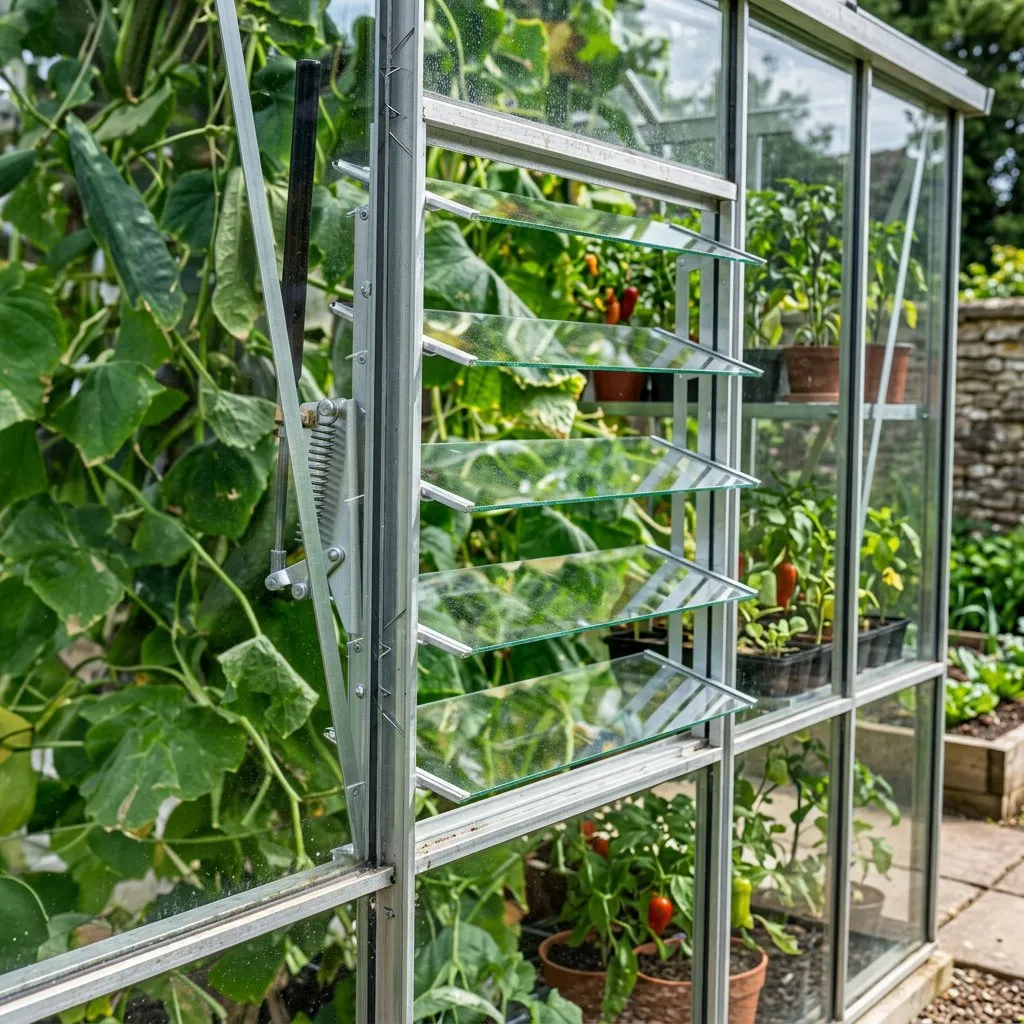 A Vitavia louvre vent creates cross-airflow that disrupts whitefly settling patterns and reduces humidity.
Shop the Vitavia Louvre Window at Greenhouse Stores →
Prevention: ventilation, hygiene, and companion planting
Prevention costs less than treatment and delivers better results. Three strategies form the backbone of a pest-free greenhouse.
Ventilation and airflow
Stagnant, humid air encourages whitefly and botrytis. Hot, dry air accelerates spider mite reproduction. The goal is balanced airflow that keeps daytime temperatures below 30C and humidity between 50-70%.
Automatic vent openers are the simplest upgrade. Our guide to greenhouse ventilation and humidity control covers the full range of vent types and how to maintain the ideal 40-60% humidity that discourages pests. The Palram Auto Vent Opener (around £55) opens roof vents as temperatures rise, with no electricity needed. For side ventilation, the Vitavia Louvre Window (around £59.99) creates cross-airflow that disrupts whitefly settling patterns. The Elite Automatic Louvre Opener (around £59) automates side ventilation without manual adjustment. Combined roof and side venting creates the through-draught that pests dislike.
Greenhouse hygiene
A thorough autumn clean is the single most effective prevention measure. Overwintering pest eggs, pupae, and dormant adults shelter in crevices, under staging, and in plant debris. Remove everything in October. Wash all glazing, staging, and frame joints with greenhouse disinfectant. Scrub under staging where slugs shelter. An afternoon’s work removes 80-90% of overwintering pests.
During the growing season, remove dead leaves promptly. Clear fallen fruit. Inspect every new plant before it enters the greenhouse, checking leaf undersides and compost surface for hitchhiking pests. Quarantine new plants for a week if possible. Our greenhouse growing calendar includes monthly maintenance reminders that help keep pest pressure low.
Companion planting
Strategic planting inside and around the greenhouse reduces pest pressure measurably. French marigolds (Tagetes patula) planted alongside tomatoes reduce whitefly by up to 50%. Basil between tomato plants deters aphids and whitefly. Nasturtiums at the greenhouse door act as sacrificial trap crops, drawing aphids away from valuable plants. Our companion planting guide covers the full range of proven plant partnerships.
Why we recommend Encarsia formosa over chemical whitefly sprays: After 30 years of managing greenhouse pests in UK growing conditions, Encarsia wasps consistently outperform repeated chemical applications once temperatures stay reliably above 18C. In a typical 8x6ft hobby greenhouse, a single introduction of 25 Encarsia cards in early May reduced an established whitefly population by over 80% within four weeks — without affecting fruit, beneficial insects, or the option to introduce Phytoseiulus mites at the same time.
French marigolds and basil planted alongside tomatoes provide natural whitefly and aphid deterrence.
Monthly pest control calendar
Timing matters. This calendar covers the key actions for keeping greenhouse pests under control throughout the year.
| Month | Pest activity | Action |
|---|---|---|
| January-February | Dormant. Overwintering eggs and pupae in crevices. | Order biological controls. Repair greenhouse glazing and seals. |
| March | Aphids appear on early sowings. Slug activity increases. | Hang yellow sticky traps. Apply slug nematodes if soil above 5C. |
| April | Whitefly and aphid numbers rising. First spider mites active. | Introduce Aphidius colemani. Begin weekly plant inspections. |
| May | All pests breeding. Biological controls become effective. | Introduce Encarsia for whitefly, Phytoseiulus for spider mites. |
| June-July | Peak breeding season. Populations doubling weekly. | Reinforce biological controls every 2-3 weeks. Damp down floors. |
| August | Maximum pest pressure. Mealybug and scale visible. | Spot-spray severe infestations. Continue predator introductions. |
| September | Vine weevil adults laying eggs. Pest activity slowing. | Apply vine weevil nematodes. Plan autumn clean. |
| October-November | Pests entering dormancy. | Full greenhouse clean. Remove all debris. Disinfect surfaces. |
Organic sprays for greenhouse pests
When biological controls need reinforcement, organic sprays provide a chemical-free knockdown. They work by physical contact, so thorough coverage of leaf undersides is essential.
SB Plant Invigorator (£8-12 per 500ml) controls whitefly, aphids, spider mites, and mealybug. It suffocates pests on contact and feeds plants simultaneously. Safe with biological controls after 24 hours. Neem oil (£6-10 per 250ml concentrate) disrupts pest feeding and reproduction. Apply in the evening to prevent leaf burn. Soft soap spray (potassium fatty acids, £4-7 per litre) dissolves the waxy coating on aphids, mealybug, and scale insects.
For broader organic pest control methods covering the entire garden, see our dedicated guide. The RHS glasshouse pest page provides additional identification photographs and biological control supplier links. Garden Organic covers chemical-free greenhouse growing in more depth.
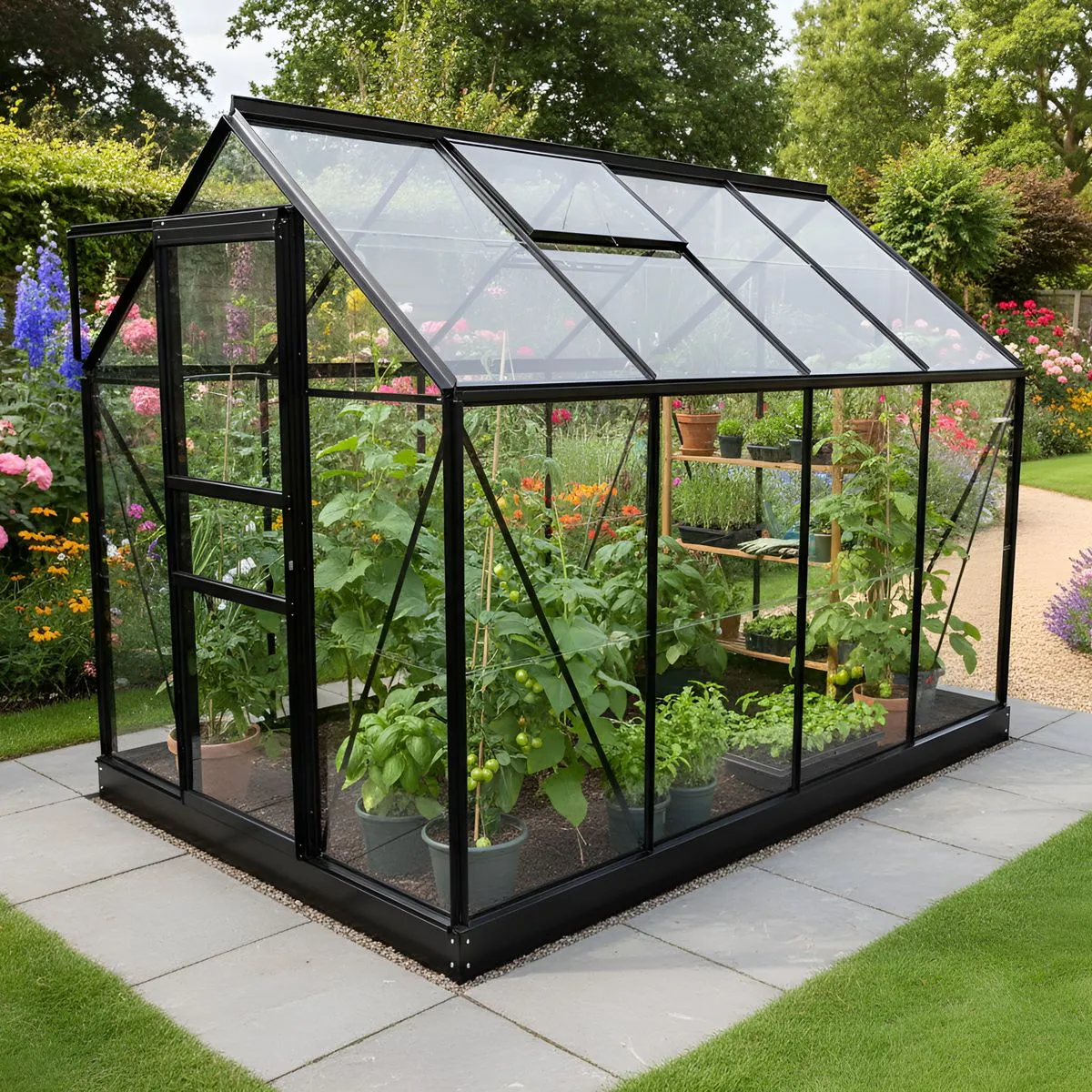 A Vitavia Venus 5000 Black greenhouse with healthy plants inside, ready for the growing season after a thorough autumn deep-clean.
Shop the Vitavia Venus 5000 at Greenhouse Stores →
Common mistakes in greenhouse pest control
Waiting too long to act. Pest populations grow exponentially in warm greenhouses. A few whitefly in May become thousands by July. Weekly inspection from April onwards catches problems when they are still manageable.
Spraying the tops of leaves. Spider mites, whitefly nymphs, and aphids live on leaf undersides. Spraying from above misses the target entirely. Always use a fine mist sprayer and work from below, coating every leaf underside until dripping.
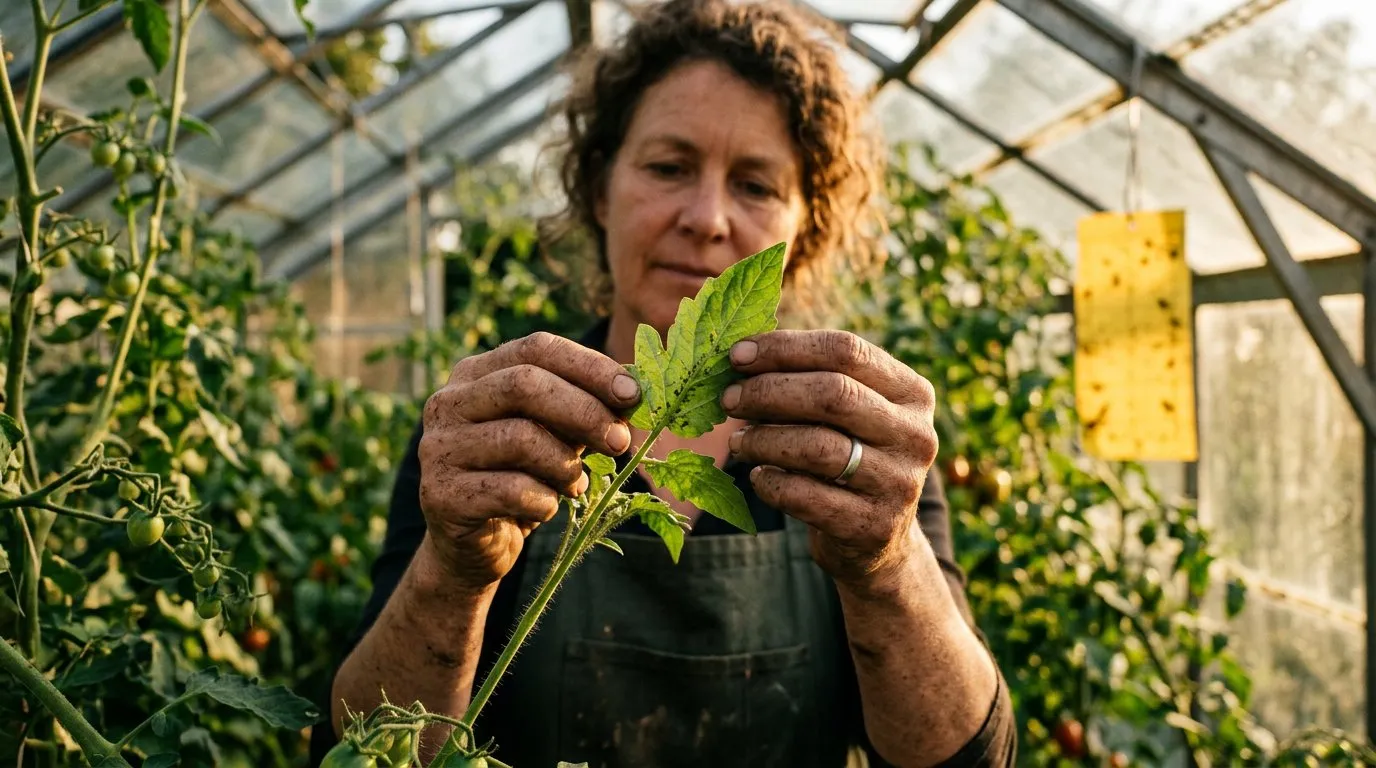 Weekly leaf inspections catch greenhouse pest problems early — check undersides where whitefly and spider mites hide.
Mixing chemicals with biological controls. A single insecticide application kills parasitic wasps and predatory mites along with the target pest. If you choose biological control, commit to it. Use only compatible organic sprays like SB Plant Invigorator, and wait 24 hours before introducing predators.
Neglecting the autumn clean. Skipping a 2-3 hour clean in October means overwintering pests get a head start the following spring. This single task prevents more pest problems than any other action during the year.
Poor ventilation. A sealed greenhouse on a hot day creates exactly the conditions spider mites prefer: hot, dry, and still. Fit automatic vent openers and keep side vents open during the growing season. Balance airflow with humidity management for the best results.
For help with specific problems that overlap with pest damage, see our guide on tomato blight prevention, which covers the fungal diseases that stressed, pest-weakened plants are most susceptible to.
Now you’ve mastered pest control, read our greenhouse growing calendar to see exactly when to introduce biological controls each month for the best results through the season.
Frequently asked questions
What is the most common greenhouse pest in the UK?
Glasshouse whitefly (Trialeurodes vaporariorum) is the most common pest in UK greenhouses. Adults are 1.5mm white-winged insects that cluster on leaf undersides. They breed year-round in heated greenhouses and produce sticky honeydew that encourages sooty mould. Biological control with Encarsia formosa parasitic wasps is the most reliable treatment, achieving over 80% control.
How do I prevent pests in my greenhouse?
Prevention relies on four measures. Clean the greenhouse thoroughly in autumn, removing all plant debris and washing surfaces with disinfectant. Inspect every new plant before bringing it inside. Maintain good airflow with automatic vent openers and louvre windows. Hang yellow sticky traps from March onwards to catch flying pests early before populations establish.
Do biological controls work in unheated greenhouses?
Most biological controls need minimum temperatures of 15-18C to breed effectively. In unheated UK greenhouses, introduce them from late May to September when daytime temperatures reliably exceed 18C. Amblyseius californicus predatory mites tolerate temperatures as low as 8C and survive without prey, making them suitable for cooler conditions.
What is the best organic spray for greenhouse pests?
SB Plant Invigorator (£8-12 per 500ml) controls whitefly, aphids, spider mites, and mealybug through physical action. It suffocates pests on contact and feeds plants simultaneously. Spray leaf undersides thoroughly every 5-7 days for 3-4 applications. It is safe on edible crops and compatible with biological controls after 24 hours.
How often should I clean my greenhouse to prevent pests?
Do a full deep clean once a year in October or November after the growing season ends. Remove all plant debris, wash glazing and staging with disinfectant, and scrub frame joints where pests shelter. Monthly spot checks during the growing season catch early problems. Wipe down staging surfaces and check under pots where slugs and vine weevil hide.
Can companion planting reduce greenhouse pests?
Yes, specific companions reduce certain pests. French marigolds planted alongside tomatoes cut whitefly numbers by up to 50% according to Newcastle University research. Basil deters aphids and whitefly. Nasturtiums act as sacrificial trap crops, drawing aphids away from valuable plants. Plant companions within 30-50cm of the target crop for best results.
Lawrie has been gardening in the West Midlands for over 30 years. He grows his own veg using no-dig methods, keeps a wildlife-friendly garden, and writes practical advice based on real UK growing conditions.