How to Get Rid of Brambles
How to remove brambles from UK gardens permanently. Covers cutting back, root removal, glyphosate treatment, stump methods, and preventing regrowth.
Key takeaways
- Brambles grow up to 3 metres per season and root wherever arching stems touch soil
- September to October is the most effective time for glyphosate treatment
- Root crowns must be dug out to 20-30cm depth to prevent regrowth
- Established bramble patches take 2-3 seasons to clear completely
- You are legally required to cut back brambles that encroach onto neighbouring property
- Covering cleared ground with heavy-duty landscape fabric for 12 months prevents regrowth
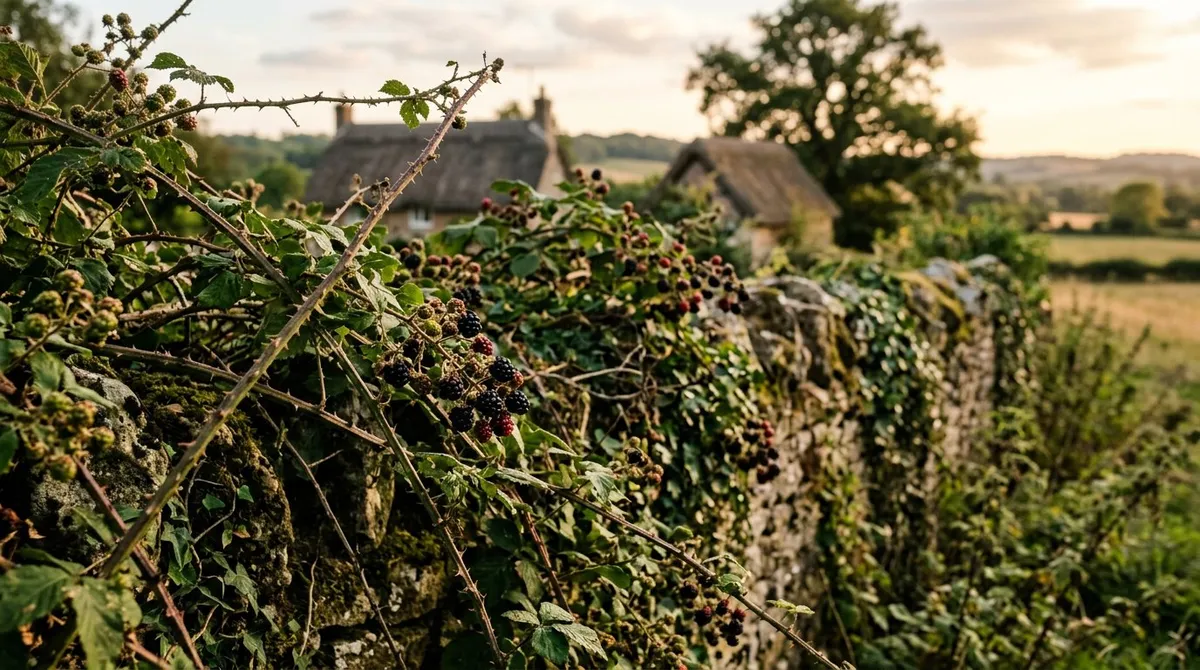
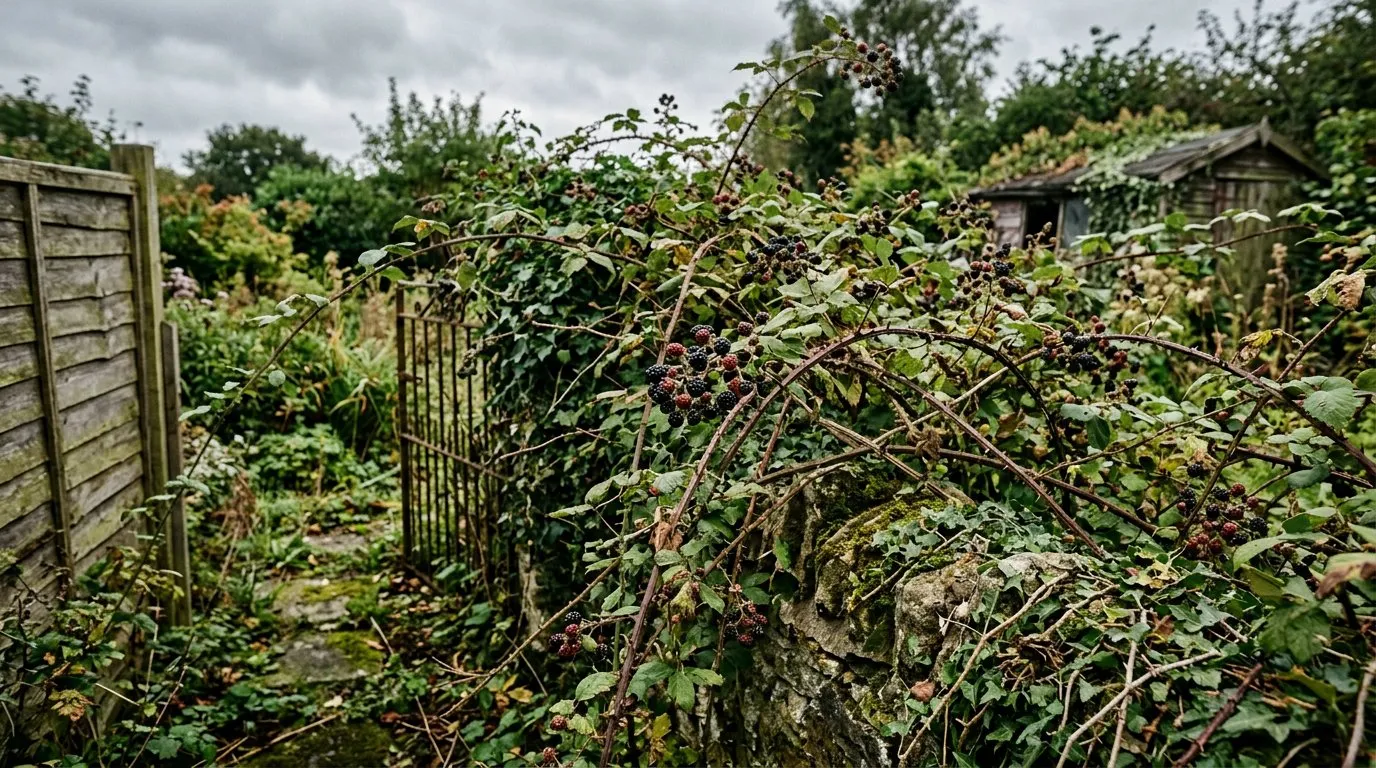
Brambles are the most stubborn woody weed in British gardens. Rubus fruticosus, the common bramble or blackberry, grows up to 3 metres in a single growing season. Its arching stems root wherever they touch the ground, creating dense thickets that swallow borders, paths, and fences within a year or two of being left unchecked.
Removing brambles takes more than a quick hack with shears. The root crown sits 15-30cm below the surface, and any fragment left behind sends up fresh shoots within weeks. This guide covers every effective method, from manual clearance to chemical treatment, and explains how to stop brambles returning once you have cleared the ground. If brambles are just one of several invasive weeds on your plot, our guide to getting rid of bindweed covers another persistent problem that often grows alongside brambles.
How brambles spread and why they are so hard to kill
Understanding bramble biology makes removal far more effective. Brambles are not a single species but an aggregate of over 300 microspecies within the Rubus fruticosus group. All share the same aggressive growth strategy.
Tip layering is the primary method of spread. Bramble stems arch over and the tips touch the ground, where they produce roots and a new crown. A single established plant can colonise a 3 metre radius in one growing season through tip layering alone.
Root crown regeneration is what makes brambles so persistent. The root crown is a woody mass just below the soil surface that stores energy reserves. Cut the stems and the crown pushes out new growth. Even small fragments of root crown produce new plants. This is why strimming or mowing alone never works.
Seed dispersal adds to the problem. Birds and foxes eat blackberries and deposit seeds across the garden. Bramble seeds remain viable in soil for over 40 years, according to research by Rothamsted Research. This means new seedlings can appear years after you think you have cleared the last plant.
When to tackle brambles: seasonal timing
Timing your clearance work correctly saves effort and improves results. Brambles respond differently to treatment depending on the season.
| Season | Plant activity | Best action | Effectiveness |
|---|---|---|---|
| Spring (March-May) | Rapid new shoot growth from root crowns | Cut back new growth. Dig out root crowns in soft soil. | Moderate. Roots are actively growing and harder to exhaust. |
| Summer (June-August) | Full leaf canopy. Stems hardening. Fruit forming. | Mow or strim accessible patches. Avoid herbicide (poor root uptake). | Low for chemical treatment. Good for physical clearance. |
| Autumn (September-October) | Sugars translocated to roots. Leaves still green. | Best time for glyphosate application. Herbicide follows sugars into roots. | Very high (85-95% kill rate). |
| Winter (November-February) | Dormant. Leaves dropped. Stems bare. | Cut back dead stems. Dig out root crowns. Burn or dispose of cut material. | Good for physical clearance. Herbicide ineffective on dormant plants. |
Gardener’s tip: The single best approach is a two-phase strategy. Cut brambles back hard in winter when you can see the structure and access root crowns. Then treat regrowth with glyphosate the following September when the plant is actively moving sugars to its roots.
Manual removal: cutting and digging
Manual clearance is hard work but avoids chemicals entirely. It works well for small patches up to about 10 square metres.
Equipment you need
Bramble clearance demands proper gear. Thorns cause painful puncture wounds and can introduce bacterial infections.
- Thick leather gauntlets (not standard gardening gloves, which thorns pierce easily)
- Long-sleeved shirt and trousers in heavy fabric or thorn-proof material
- Safety goggles when using power tools
- Loppers (bypass type, 70cm handles minimum) for cutting stems
- Bow saw for thick woody stems over 2cm diameter
- Sharp spade for digging out root crowns
- Mattock or grubbing hoe for breaking up root crowns in compacted soil
- Heavy-duty sacks or a trailer for disposal
Step-by-step clearance
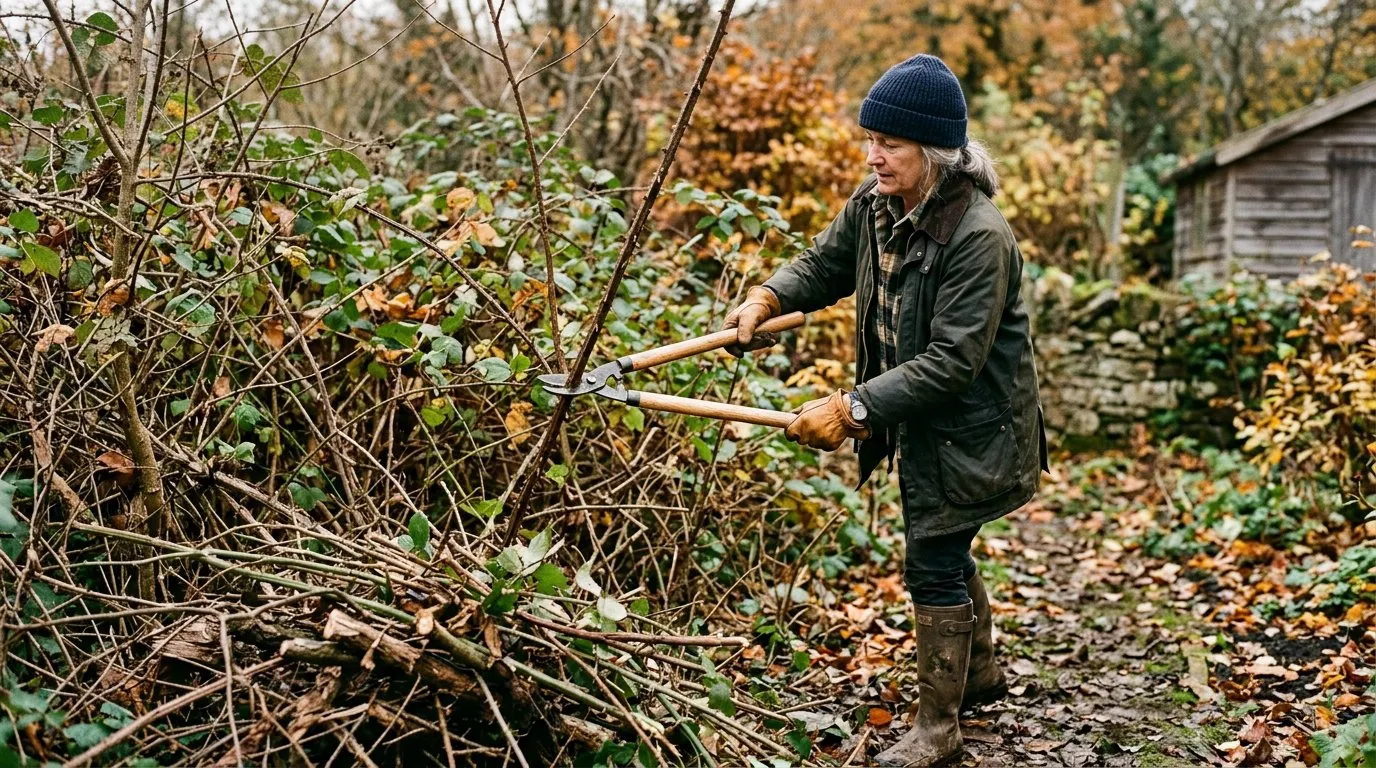
- Cut all stems to 15cm above ground using loppers or a bow saw. Work from the outside of the thicket inward. Roll cut stems into bundles and tie with wire for easier handling.
- Clear all cut material from the area. Bramble stems root if left on bare soil.
- Dig out root crowns using a sharp spade or mattock. Each crown sits 15-30cm below the surface. Follow the crown sideways to find connected runners.
- Remove all root fragments larger than 2cm. Sieve loose soil if necessary in badly infested areas.
- Check for tip-layered plants around the perimeter. New crowns form wherever stems have rooted into the ground.
- Dispose of all material responsibly. Bramble cuttings are accepted at council green waste sites but must not go in home compost bins. The thorns do not break down and the stems can re-root.
If your soil is heavy clay, digging out root crowns is much harder. Our guide to improving clay soil explains how to work with this challenging soil type. The RHS weed control page covers bramble identification with detailed photographs.
Chemical treatment with glyphosate
Glyphosate is the most effective herbicide for brambles. It is a systemic weedkiller, meaning it is absorbed through the leaves and transported throughout the plant, killing roots and all.
How to apply glyphosate to brambles
Foliar spray is the standard method for standing bramble growth:
- Use a product containing 360g/L glyphosate (e.g. Roundup ProVantage, Gallup Biograde)
- Mix according to label directions. Typical rate is 100ml concentrate per 5 litres of water
- Apply with a knapsack sprayer on a calm, dry day
- Spray until leaves are thoroughly wet but not dripping
- Do not spray in wind. Glyphosate kills any green plant it contacts
- Allow 6-8 hours before rain for adequate absorption
- Results visible within 2-3 weeks. Full root death takes 4-6 weeks
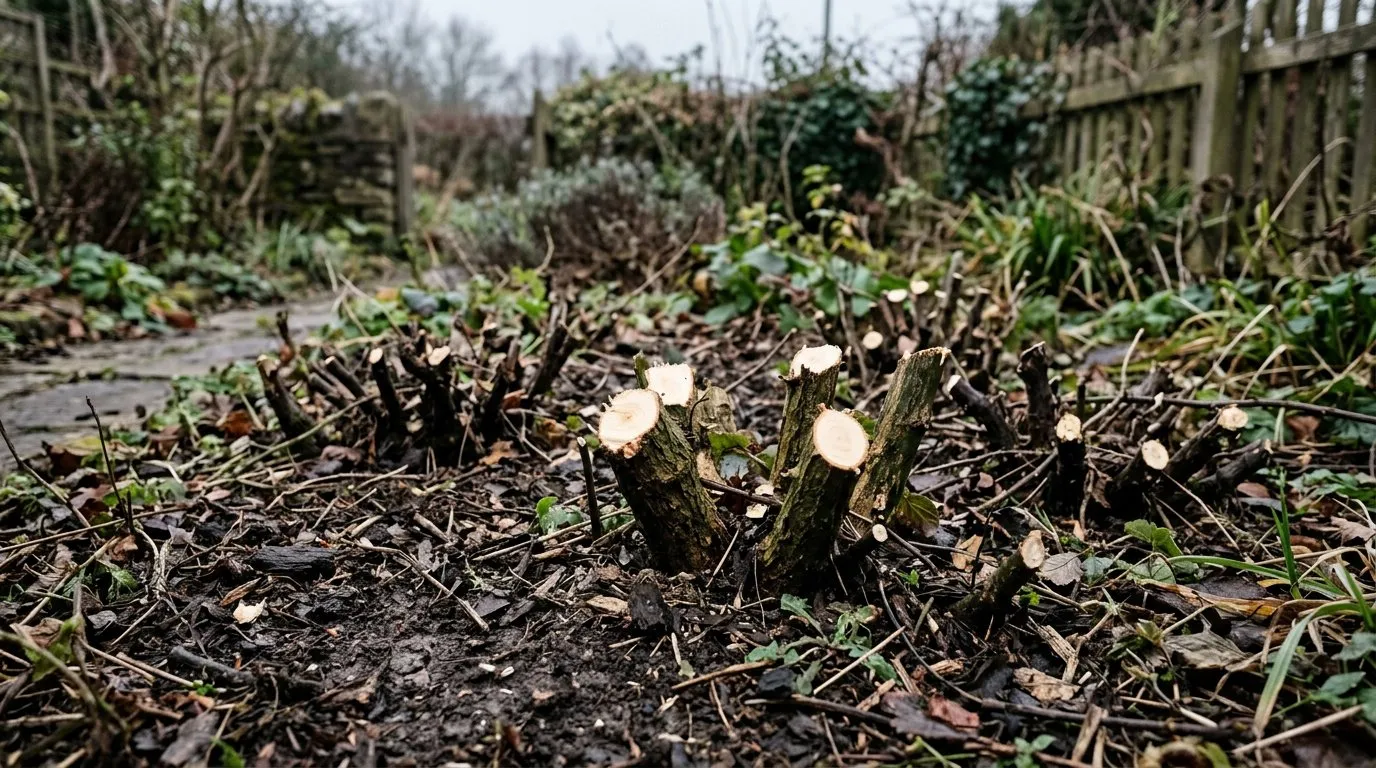
Cut stump treatment works on recently cut bramble crowns:
- Cut stems to 10-15cm above ground
- Apply undiluted glyphosate gel (e.g. Roundup Gel) directly to the fresh cut surface within 30 minutes
- The plant absorbs the herbicide through the cut surface into the root system
- This method prevents spray drift and is safer near desirable plants
- Apply in autumn for the best root uptake
Warning: Glyphosate is a non-selective herbicide. It kills grass, perennials, and any other plant it contacts. Protect nearby plants with a shield of cardboard or plastic sheeting during application. Avoid spraying on windy days.
Glyphosate treatment schedule
For established bramble infestations, a single treatment rarely achieves complete control. Follow this schedule:
| Timing | Action | Expected result |
|---|---|---|
| Year 1, September | Cut back to 30cm. Allow 4-6 weeks of regrowth. Spray regrowth with glyphosate. | 85-95% of root crowns killed |
| Year 1, November | Cut dead stems to ground level. Remove all material. | Site cleared for winter |
| Year 2, May | Spot-treat any regrowth with glyphosate gel | Catches surviving root crowns |
| Year 2, September | Final spray on any remaining regrowth | 95-100% clearance |
Mechanical clearing for large areas
For bramble infestations covering large areas, perhaps an overgrown allotment or neglected section of garden, manual digging is impractical.
Brush cutter or clearing saw
A brush cutter with a tri-blade or circular saw attachment cuts through bramble stems up to 3cm thick. This is faster than loppers for large patches. Wear full protective equipment including a face visor, ear defenders, and steel-toed boots. Work systematically in strips, piling cut material behind you.
Rotavator or mini digger
A rotavator (rotary cultivator) chops up bramble roots in the top 15-20cm of soil. This is effective but creates many small root fragments, each capable of regrowing. Rotavate twice, 3 weeks apart, to exhaust regrowth. Follow up with glyphosate on any survivors.
A mini digger strips the top 30cm of soil, removing root crowns completely. This is the nuclear option: effective but expensive (hire costs £150-250 per day) and destroys soil structure. Only suitable for total site clearance where you intend to bring in fresh topsoil.
Covering with landscape fabric
After cutting brambles to ground level, covering the area with heavy-duty landscape fabric (100g/m minimum) or old carpet suppresses regrowth by blocking light. Secure edges with pegs or heavy objects.
Leave the covering in place for 12-18 months. Bramble shoots will push up against the fabric but eventually exhaust their energy reserves without light for photosynthesis. This method is slow but requires almost no ongoing effort.
Preventing bramble regrowth
Clearing brambles is only half the battle. Preventing regrowth demands attention for at least two full growing seasons after the initial clearance.
Monitor and spot-treat
Walk the cleared area every 2-3 weeks from April to October during the first two years. New shoots from surviving root fragments appear as single stems with characteristic toothed leaves. Pull seedlings by hand when small. Spot-treat larger regrowth with glyphosate gel applied directly to the leaves.
Plant competitive ground cover
Bare soil invites bramble seedlings. Once the ground is clear, establish a dense planting that out-competes bramble seedlings for light and space. Options include:
- Grass sown thickly at 35-50g per square metre
- Ground cover plants such as geraniums, vinca, or pachysandra
- Dense shrub planting for borders and boundaries
For suggestions on plants that fill space quickly and suppress weeds, see our guide to climbing plants for vertical coverage on cleared fences and walls. Garden Organic has further advice on chemical-free weed suppression using ground cover plants.
Mulch heavily
A 10-15cm layer of bark mulch or wood chip over cleared ground suppresses bramble seedling germination. Mulch does not stop established root crowns from regrowing, so only apply it after thorough root removal or herbicide treatment. Our composting guide covers producing your own mulch from garden waste. If Japanese knotweed is present alongside brambles, see our knotweed identification guide for the very different legal and disposal requirements that plant carries.
Legal obligations: brambles and boundary disputes
Brambles growing on your land that encroach onto neighbouring property are your responsibility. The law in England and Wales is clear on this.
Your neighbour has the right to cut back any bramble growth that crosses the boundary line. They must offer the cuttings back to you. They cannot enter your property to do this without permission.
If your brambles cause a persistent nuisance, your local council can take action under the Anti-social Behaviour, Crime and Policing Act 2014. This includes issuing a Community Protection Notice requiring you to cut the brambles back within a specified timeframe. Failure to comply is a criminal offence carrying a fine of up to £2,500.
Brambles overhanging a public footpath or highway fall under the Highways Act 1980 (Section 154). Your local authority can require you to cut them back and may do the work themselves and charge you for it.
Warning: If brambles from your land are causing damage to a neighbour’s property, such as growing into rendered walls, blocking gutters, or damaging fences, you may be liable for repair costs under the common law of nuisance. Address encroachment promptly to avoid disputes escalating.
Common mistakes when removing brambles
Strimming without follow-up treatment
Strimming or mowing cuts brambles at ground level but does nothing to the root crown. The plant regrows within weeks, often more vigorously because the root crown pushes all its stored energy into new growth. Strimming is useful as a first step but must be followed by root removal or herbicide treatment.
Composting bramble cuttings at home
Bramble stems and root fragments survive in home compost heaps. The thorns do not decompose for years. Stems in contact with moist compost re-root and create new plants. Always take bramble waste to a council green waste facility where it is processed at temperatures high enough to kill the material.
Spraying in summer
Applying glyphosate to brambles in full summer growth seems logical but is far less effective. The plant is focused on above-ground growth and fruit production. Very little herbicide reaches the roots. Autumn application, when the plant is pulling nutrients down to its root system, is 2-3 times more effective.
Leaving root fragments in the soil
Every piece of root crown larger than 2cm can regenerate into a new plant. Rushed digging that leaves fragments behind means the problem returns within months. Take the time to sieve through the soil in heavily infested areas and remove all visible root material.
Ignoring boundary encroachment
Allowing brambles to grow unchecked over boundary fences is one of the most common causes of neighbour disputes. The longer you leave it, the harder and more expensive the clearance becomes. A 5-minute check each month during the growing season prevents years of conflict.
Why we recommend autumn glyphosate treatment over summer spraying: After 30 years of clearing overgrown plots and renovating neglected gardens, autumn application of 360g/L glyphosate to bramble regrowth consistently delivers 85-95% root kill, compared to as little as 30-40% from identical treatments in July. The difference is measurable: a patch that requires three summer treatments typically clears in a single autumn spray followed by one spring spot-treatment the following year.
Now you’ve mastered bramble removal, read our guide on Japanese knotweed identification and legal obligations for the next step in tackling seriously invasive plants.
Bramble removal costs
If you prefer to hire a professional, expect to pay:
| Service | Typical cost | Coverage |
|---|---|---|
| Garden clearance company (manual) | £200-500 per day | 20-40 square metres depending on density |
| Herbicide treatment (professional) | £150-300 per visit | Up to 100 square metres |
| Mini digger and operator | £250-400 per day | Large-scale clearance |
| Skip hire for waste disposal | £180-300 per skip | 6-8 cubic yard skip |
For comparison, DIY clearance costs approximately £30-60 for a 5-litre glyphosate concentrate, £15-30 for heavy-duty gloves, and nothing for the hard labour.
Frequently asked questions
What is the fastest way to get rid of brambles?
Cut stems to ground level with loppers, then apply glyphosate to regrowth in September. This is faster than digging alone. Glyphosate kills 85-95% of treated root systems within 4-6 weeks. Repeat treatment the following spring catches any survivors. A 10 square metre patch can be cleared in two seasons.
Will brambles grow back if you cut them down?
Yes, brambles regrow from the root crown and any root fragments left in soil. Cutting above ground removes top growth but does not kill the plant. New shoots emerge from the stump within 4-6 weeks during the growing season. You must either dig out root crowns to 20-30cm depth or apply systemic herbicide to cut stumps.
When is the best time to spray brambles with weedkiller?
September and October give the best results. Brambles translocate sugars to their roots in autumn, carrying the herbicide deep into the root system. Spring and summer spraying kills foliage but often fails to reach the roots. Apply glyphosate to actively growing leaves on a dry, calm day above 10C.
Can I burn brambles to get rid of them?
Burning removes above-ground growth but does not kill the roots. New shoots appear within weeks. Burning also risks damaging soil structure, killing beneficial organisms, and may require permission from your local council under the Environmental Protection Act 1990. Burning near boundaries needs extra care due to smoke nuisance regulations.
Are brambles classed as an invasive species in the UK?
Brambles are native to the UK, not legally invasive. They are not listed under the Wildlife and Countryside Act 1981. However, brambles can become a statutory nuisance under the Anti-social Behaviour Act 2014 if they encroach onto neighbouring property or public paths. Local councils can issue Community Protection Notices requiring landowners to cut them back.
How deep do bramble roots go?
Bramble root crowns sit 15-30cm below the surface. Individual roots can extend 45cm deep in loose soil. The root crown is the critical part to remove. If even a small section remains, new shoots will emerge. In compacted clay soil, roots tend to be shallower at 10-20cm.
Do I have to cut back brambles growing over my neighbour’s fence?
You are responsible for preventing brambles from encroaching onto neighbouring property. Your neighbour has the legal right to cut back any growth that crosses the boundary and return the cuttings to you. If brambles cause a persistent nuisance, your local council can issue a Community Protection Notice requiring you to maintain them.
Lawrie has been gardening in the West Midlands for over 30 years. He grows his own veg using no-dig methods, keeps a wildlife-friendly garden, and writes practical advice based on real UK growing conditions.