Crocus tommasinianus
Crocus tommasinianus
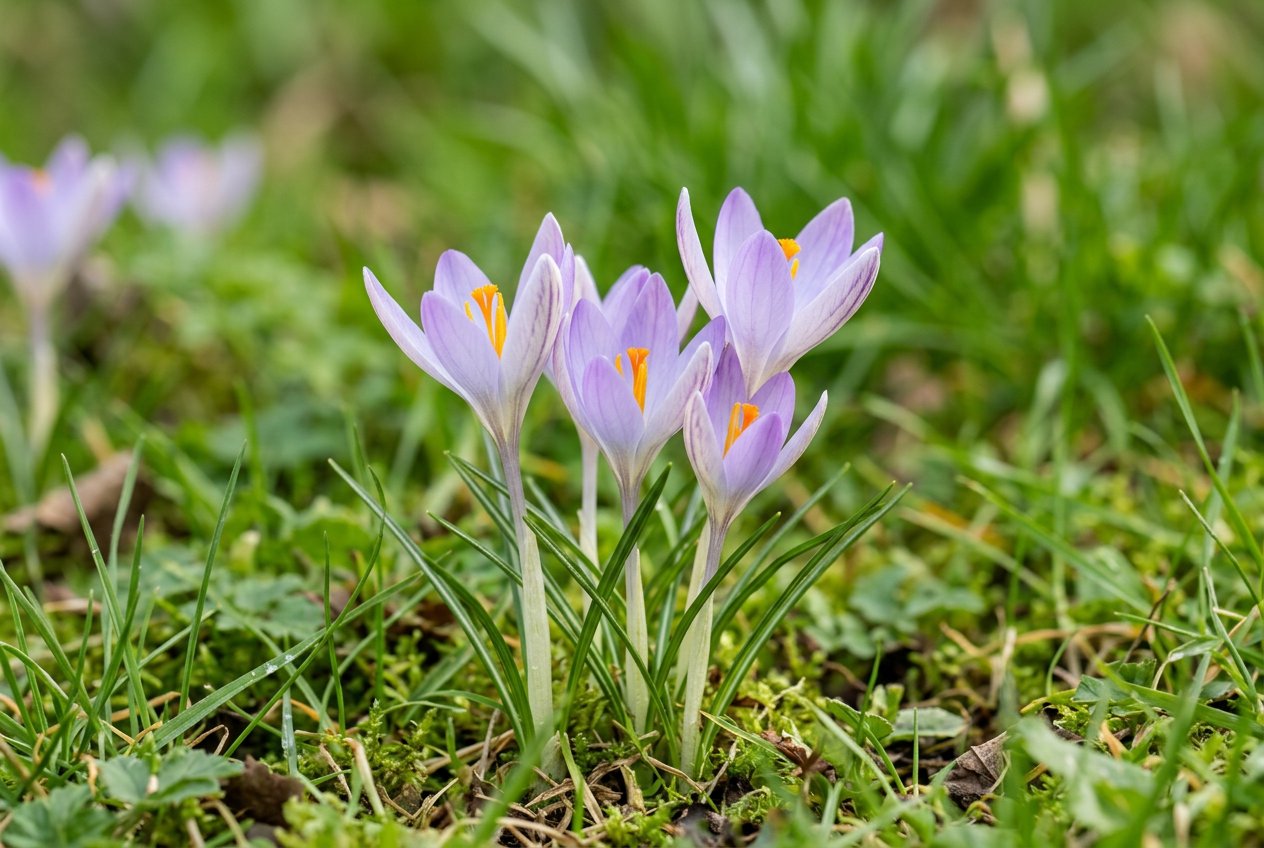
One of the earliest and most reliable crocuses for UK gardens, commonly known as Tommy crocus. Slender buds open to reveal pale silvery-lilac flowers from late January. Naturalises freely in grass, borders, and under deciduous trees. Self-seeds prolifically to form large colonies within a few years.
Where to plant
Best aspect
Border position
When to plant and expect flowers
Plant
Flowers
How to grow crocus tommasinianus
Plant corms 5-8cm deep in autumn. Thrives in any well-drained soil including clay. Best planted in large groups of 50+ for maximum impact. Naturalises freely in grass and under trees. Squirrel resistant unlike Dutch crocuses.
Soil requirements
Soil type
loam, sand, chalk, clay
Moisture
well drained
pH
neutral, alkaline
Aftercare
Allow foliage to die back naturally. Do not mow naturalised areas until leaves have yellowed, usually by mid-April.
Propagation
- Offsets
- Self-seeding
Wildlife value
Toxicity
This bulb is not known to be toxic to pets or people.
Common problems
- Mice eating corms
- Birds pecking flowers
- Crocus rot in waterlogged soil
Similar bulbs to grow
Related guides
How to Attract Birds to Your Garden
Practical guide to attracting wild birds to UK gardens. Covers feeders, food types, bird baths, nest boxes, planting, and seasonal feeding.
Autumn Gardening Jobs: Complete UK Checklist
Month-by-month autumn gardening checklist for UK gardens. Covers planting, bulbs, lawn care, pruning, composting, and wildlife tasks for Sep to November.
Balcony Gardening Ideas for the UK
Practical balcony gardening ideas for UK flats and apartments. Container choices, weight limits, wind protection, and the best plants for exposed spaces.