Galanthus nivalis
Galanthus nivalis
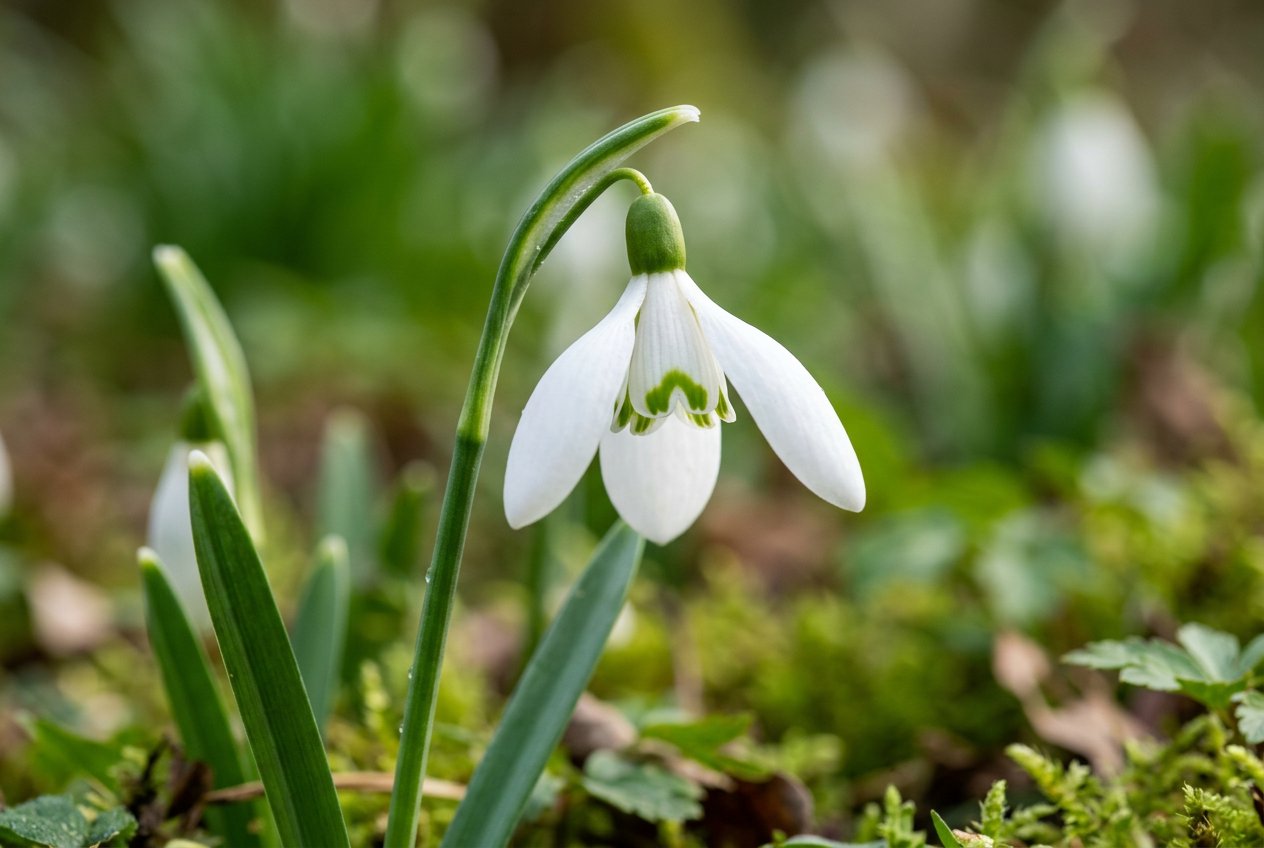
The common snowdrop is one of the first flowers of the year, producing nodding white bells with green markings from January to March. Naturalised across Britain in woodland, churchyards, and gardens. Spreads freely to form large colonies. Best planted 'in the green' (while in leaf) after flowering. A beloved harbinger of spring.
Where to plant
Best aspect
Border position
When to plant and expect flowers
Plant
Flowers
How to grow galanthus nivalis
Plant bulbs in autumn or buy 'in the green' plants in February for better establishment. Naturalises best in moist humus-rich soil under deciduous trees. Do not mow until foliage has died back. Divide congested clumps immediately after flowering.
Soil requirements
Soil type
loam, clay, chalk
Moisture
moist
pH
neutral, alkaline
Aftercare
Allow foliage to die back naturally after flowering. Remove spent flower heads to prevent self-seeding.
Propagation
- Division in the green
- Offsets
- Self-seeding
Wildlife value
Toxicity
Mildly toxic. Contains galantamine and lycorine causing nausea and gastrointestinal upset.
Common problems
- Grey mould
- Narcissus bulb fly
- Snowdrop leaf spot
Similar bulbs to grow
Related guides
The 70-30 Rule for Better Garden Borders
The 70-30 planting rule explained: 70% structure and foliage, 30% seasonal flowers, measured by area, so your UK border looks full in every month.
Air-Purifying Houseplants: What They Really Do
Do air-purifying houseplants work? The honest answer, the ten easiest plants to grow anyway, which are pet-safe, and what actually freshens indoor air.
Allotment Planner: Month-by-Month
A friendly month-by-month allotment planner for the UK: what to sow, plant, pick and tidy each month, plus a handy sowing and harvest chart.