Best Greenhouse Tomato Varieties UK
The best tomato varieties for UK greenhouses. Covers cherry, beefsteak, and plum types with yield data, growing tips, and feeding advice.
Key takeaways
- Sungold and Rosada both hold the RHS Award of Garden Merit for flavour and reliability
- Shirley is the best variety for unheated UK greenhouses, cropping at temperatures as low as 13C
- Cordon greenhouse tomatoes produce 3-5kg of fruit per plant from June to September
- Beefsteak types like Marmande and Costoluto Fiorentino need night temperatures above 18C
- Feed twice weekly with high-potash fertiliser once the first truss sets fruit
- Good ventilation keeps temperatures below 30C and prevents greenback and blossom end rot
A greenhouse extends the UK tomato season by six to eight weeks. It shields plants from blight, raises temperatures for better fruit set, and lets you grow varieties that struggle outdoors in British summers. If you are new to growing tomatoes, our beginner’s tomato guide covers the basics of sowing, feeding, and watering.
Choosing the right variety makes the biggest difference. Some cultivars are bred for cool conditions and crop well in unheated greenhouses. Others need consistent warmth and reward you with flavour that supermarket tomatoes cannot match. This guide covers the eight best varieties for UK greenhouse growers, with yield data, growing tips, and honest recommendations.
Cordon vs bush: which type suits a greenhouse?
Cordon (indeterminate) varieties are the best choice for greenhouses. They grow as a single vertical stem, reaching 1.5-2m tall. This makes efficient use of limited floor space. A 6x8ft greenhouse holds 8-10 cordon plants along both sides with a clear central path.
Bush (determinate) varieties spread outward and take up more floor area. They work better in outdoor beds, containers, and grow bags. Every variety in this guide is a cordon type unless stated otherwise.
Cordon plants need side-shooting, staking, and stopping in August. The extra effort is worth it. A single cordon plant in a greenhouse produces 3-5kg of fruit, compared to 2-3kg from a bush type grown outdoors.
The 8 best greenhouse tomato varieties
1. Sungold (orange cherry)
The sweetest cherry tomato you can grow in the UK. Sungold holds the RHS Award of Garden Merit and produces masses of bright orange fruit from July to October. Each truss carries 15-20 fruits weighing around 15g each. The flavour is intensely sweet with a tropical edge that children love.
Sungold is vigorous. Expect plants to reach 2m by late summer. Side-shoot religiously or the plant becomes a jungle. It grows well alongside companion plants like basil, which some gardeners believe improves tomato flavour.
Yield: 3-4kg per plant | Fruit size: 15g | Days to harvest: 60-65 from planting out
2. Gardener’s Delight (red cherry)
The UK’s most popular cherry tomato and a reliable greenhouse performer. Gardener’s Delight produces long trusses of 12-15 red cherry fruits with a classic sweet-acid balance. It has been grown in British gardens since the 1950s and remains hard to beat for consistency.
This variety tolerates cooler temperatures better than most cherry types. It crops well in unheated greenhouses from late June. The compact trusses ripen evenly, so you pick a whole truss at once rather than individual fruits.
Yield: 3-4kg per plant | Fruit size: 15-20g | Days to harvest: 65-70 from planting out
3. Rosada (plum cherry)
A plum-shaped cherry with outstanding flavour and an RHS AGM. Rosada produces small, elongated red fruits that are sweeter than most round cherries. The flesh is denser and less watery, making them ideal for salads and roasting. They store well on the kitchen counter for up to a week.
Rosada is a strong grower that sets fruit reliably in UK greenhouse conditions. The trusses are tight and uniform. It resists splitting better than many cherry types, which is useful in greenhouses where humidity fluctuates.
Yield: 3-4kg per plant | Fruit size: 20g | Days to harvest: 65-70 from planting out
4. Shirley (medium, best for unheated greenhouses)
The workhorse of UK greenhouse growing. Shirley holds an RHS AGM and was bred specifically for British greenhouse conditions. It crops reliably in unheated greenhouses where night temperatures drop to 13C. No other variety matches it for consistency in cool conditions.
Shirley produces medium-sized red fruit (75-85g) with a balanced flavour. It resists tobacco mosaic virus, fusarium, and cladosporium. If you only grow one variety, make it Shirley.
Yield: 4-5kg per plant | Fruit size: 75-85g | Days to harvest: 70-75 from planting out
5. Ailsa Craig (heritage medium)
A Scottish heritage variety dating back to 1927. Ailsa Craig produces medium-sized red fruit (80-100g) with a rich, old-fashioned tomato flavour that modern hybrids rarely match. Named after the volcanic island off the Ayrshire coast, it is one of the oldest UK greenhouse varieties still widely grown.
The flavour is full, deep, and complex. It suits growers who prioritise taste over yield. Ailsa Craig is slightly less disease-resistant than Shirley, so good greenhouse hygiene matters. Remove lower leaves as the season progresses and keep the greenhouse well ventilated.
Yield: 3-4kg per plant | Fruit size: 80-100g | Days to harvest: 75-80 from planting out
6. Moneymaker (classic medium)
A dependable cropper grown in UK greenhouses since the 1950s. Moneymaker produces uniform, medium-sized red fruit (70-80g) in heavy trusses. It is not the most flavourful variety on this list, but it crops consistently regardless of conditions. If you want reliability over gourmet flavour, Moneymaker delivers.
This is an excellent choice for beginners learning to grow their own vegetables. It tolerates minor watering mistakes and recovers well from temperature swings. Pair it with a cherry variety like Sungold for flavour contrast.
Yield: 3-4kg per plant | Fruit size: 70-80g | Days to harvest: 70-75 from planting out
7. Marmande (beefsteak, RHS AGM)
The best beefsteak tomato for UK greenhouse growers. Marmande holds an RHS AGM and produces large, ribbed, deep-red fruit weighing 150-250g each. The flesh is dense and meaty with low seed content. One slice covers a sandwich.
Marmande needs warmth. Night temperatures below 18C cause poor fruit set and irregular shapes. It performs best in heated greenhouses or during warm summers. In an unheated greenhouse, plant it in the warmest corner and be prepared for lower yields in cool years.
Yield: 3-4kg per plant | Fruit size: 150-250g | Days to harvest: 80-85 from planting out
8. Costoluto Fiorentino (Italian beefsteak)
A deeply ribbed Italian heirloom with intense, concentrated flavour. Costoluto Fiorentino produces large, flattened, heavily pleated fruit weighing 200-350g. The flavour is rich, acidic, and complex. It makes the best tomato sauce you will ever taste.
Like Marmande, it needs consistent warmth. Night temperatures below 18C lead to misshapen fruit and reduced yields. This variety rewards experienced growers with patience and a heated greenhouse. It is not a beginner variety, but the flavour justifies the extra effort.
Yield: 2-3kg per plant | Fruit size: 200-350g | Days to harvest: 85-90 from planting out
Greenhouse variety comparison table
| Variety | Type | Fruit | Weight | Yield | Unheated? | RHS AGM |
|---|---|---|---|---|---|---|
| Sungold | Cherry | Orange, round | 15g | 3-4kg | Yes | Yes |
| Gardener’s Delight | Cherry | Red, round | 15-20g | 3-4kg | Yes | No |
| Rosada | Plum cherry | Red, elongated | 20g | 3-4kg | Yes | Yes |
| Shirley | Medium | Red, round | 75-85g | 4-5kg | Yes | Yes |
| Ailsa Craig | Medium | Red, round | 80-100g | 3-4kg | Yes | No |
| Moneymaker | Medium | Red, round | 70-80g | 3-4kg | Yes | No |
| Marmande | Beefsteak | Red, ribbed | 150-250g | 3-4kg | No | Yes |
| Costoluto Fiorentino | Beefsteak | Red, pleated | 200-350g | 2-3kg | No | No |
Lawrie’s pick: For an unheated greenhouse, grow Shirley for main crop and Sungold for snacking. For a heated greenhouse, add Marmande for slicing and Rosada for salads. Four varieties is enough for most 6x8ft greenhouses.
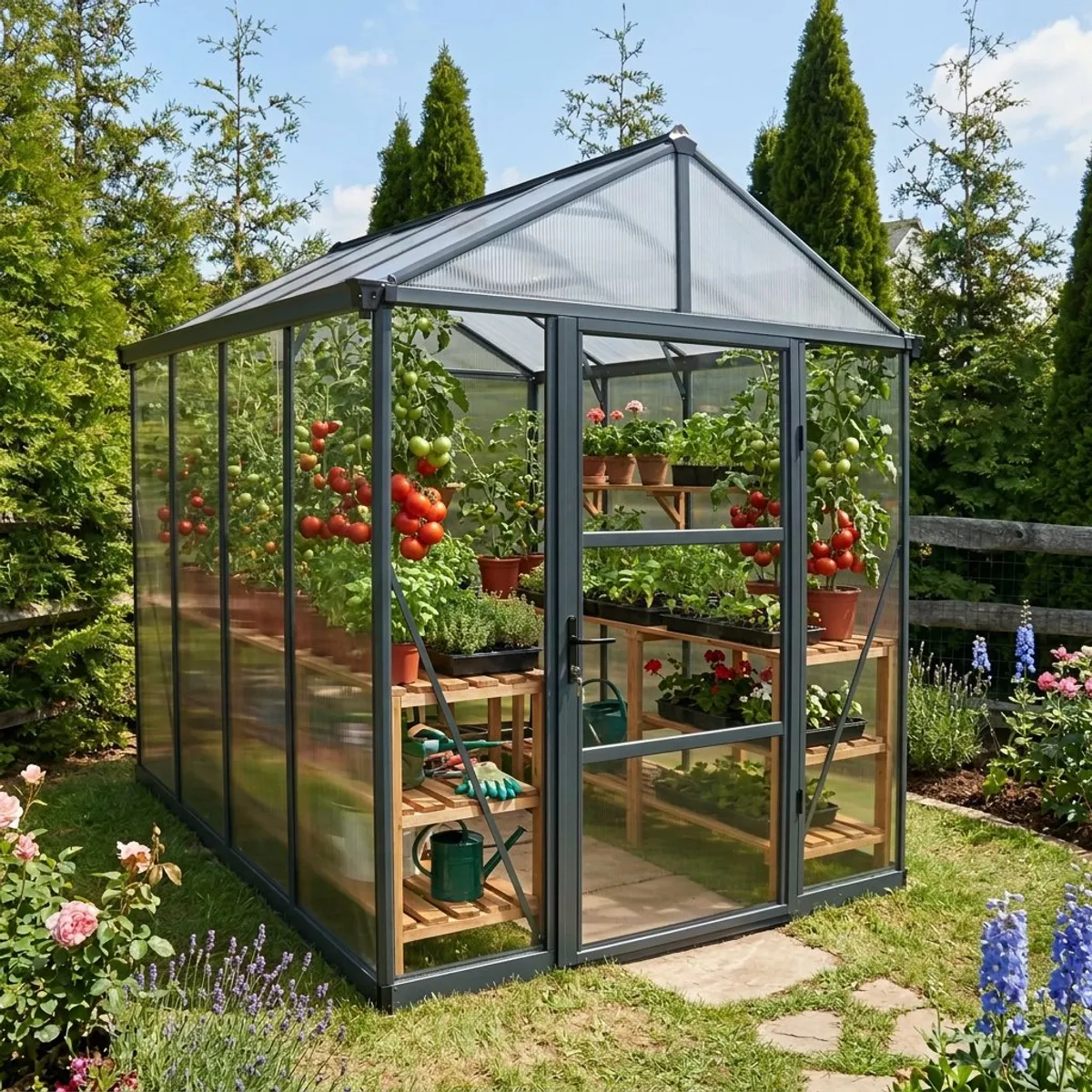
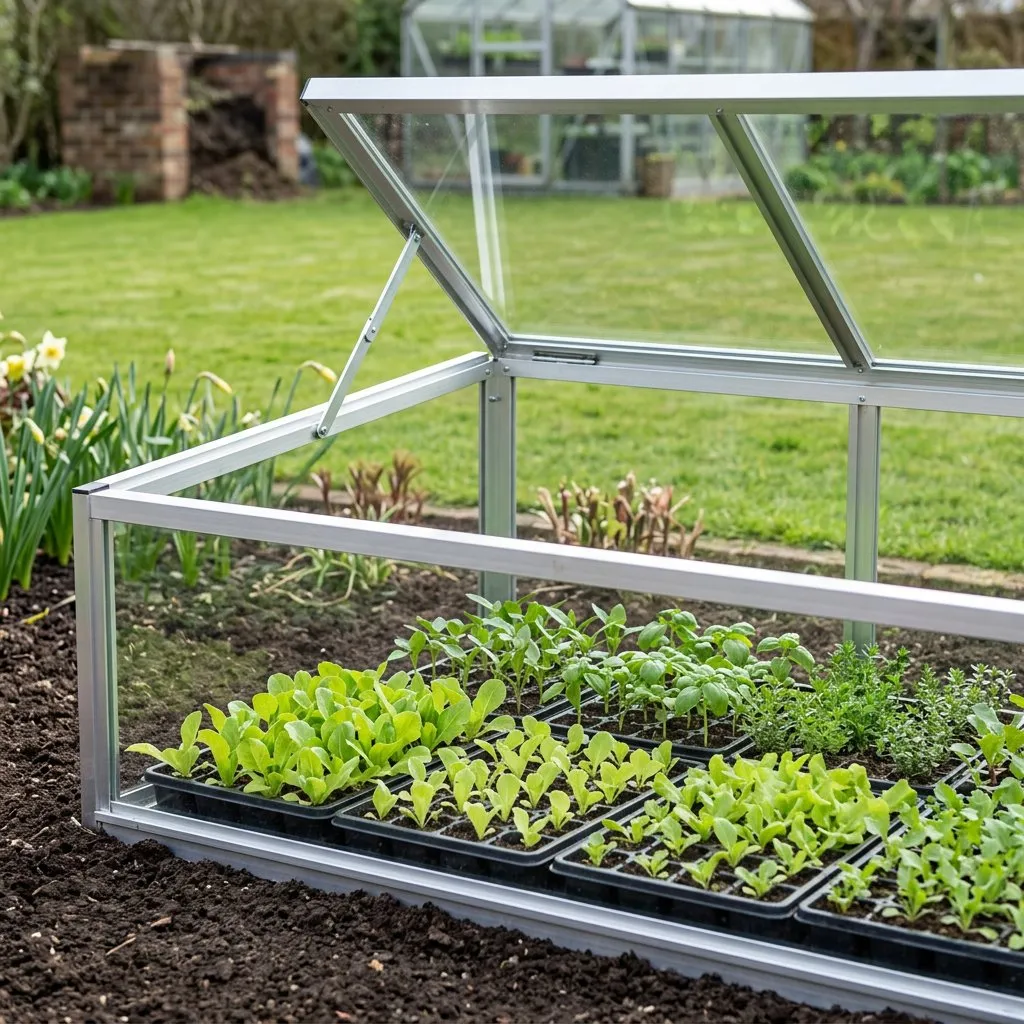 Cherry tomato varieties like Sungold and Gardener’s Delight produce heavy trusses of sweet fruit in a Vitavia Venus 5000.
Shop the Vitavia Venus 5000 at Greenhouse Stores →
Temperature and ventilation
Greenhouse tomatoes need daytime temperatures of 18-25C for optimal growth. Above 30C, pollen becomes less viable and fruit set drops. Below 13C at night, growth stalls and disease risk increases.
Ventilation is critical. Open roof vents and louvre windows on any day above 20C. Our guide to greenhouse ventilation and humidity control covers the full range of vent types and automatic openers. An automatic vent opener is the single most useful greenhouse accessory. The Palram Automatic Roof Vent Opener (around £55) opens and closes based on temperature, even when you are not home. It keeps temperatures steady and prevents the humidity spikes that encourage disease.
For growers looking for a greenhouse sized specifically for tomatoes, the Access Double Tomato Greenhouse (around £629) is purpose-built at 4x4ft with tall eaves for cordon training. Serious growers with more space might consider a larger model like the Vitavia Venus 5000 8x6 in Black, which holds 8-10 plants comfortably.
| Temperature | Effect on tomatoes |
|---|---|
| Below 10C | Growth stops. Fruit will not set. Risk of chilling injury. |
| 10-13C | Slow growth. Shirley still crops. Most varieties struggle. |
| 13-18C | Moderate growth. Good for unheated greenhouses in spring/autumn. |
| 18-25C | Optimal range. Best fruit set, fastest ripening. |
| 25-30C | Growth continues. Pollen viability starts to decline. |
| Above 30C | Poor fruit set. Greenback risk. Open all vents and shade glass. |
Feeding and watering under glass
Greenhouse tomatoes are hungrier and thirstier than outdoor plants. The enclosed environment dries out compost faster. Plants in containers and grow bags need daily watering in summer.
Feeding schedule: Start with a high-potash liquid feed (such as Tomorite) when the first truss of fruit sets. Feed twice weekly through the growing season. Do not increase the concentration. Over-feeding causes lush foliage but fewer, smaller fruits.
Watering rules:
- Water at the base, never over foliage
- Morning watering is best, leaves dry faster, reducing disease
- Check grow bags twice daily in hot weather
- Inconsistent watering causes blossom end rot and split fruit
For detailed advice on getting the most from grow bags in a greenhouse, see our guide to growing in grow bags.
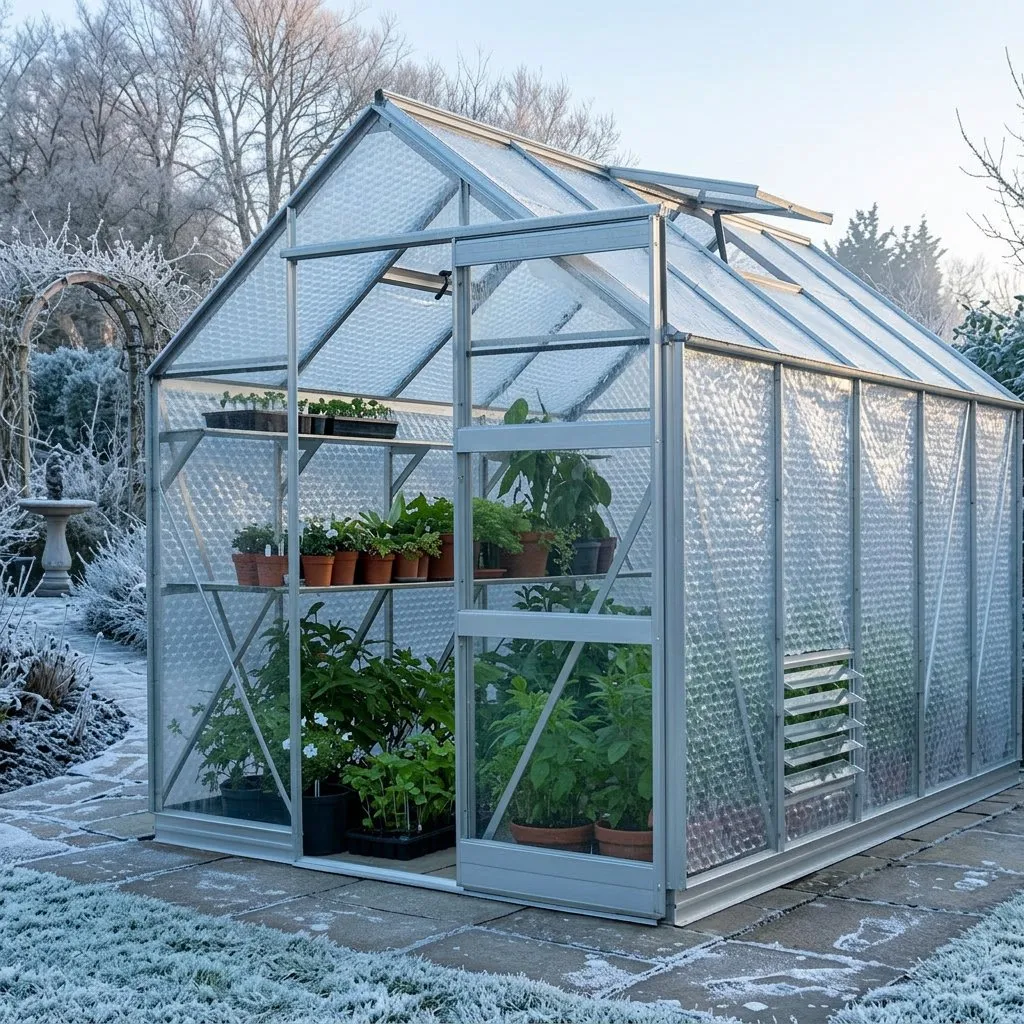 Cordon tomato varieties grow vertically to 2m, making the most of every square foot inside a Vitavia Venus 5000.
Shop the Vitavia Venus 5000 at Greenhouse Stores →
Common greenhouse tomato problems
Blossom end rot: Dark patches on the fruit base. Caused by irregular watering, not calcium deficiency. Water consistently and mulch around stems. See our full guide on tomato blight prevention and treatment for more on keeping plants healthy.
Greenback: The top of the fruit stays green and hard. Caused by temperatures above 30C. Improve ventilation and shade the greenhouse during heatwaves.
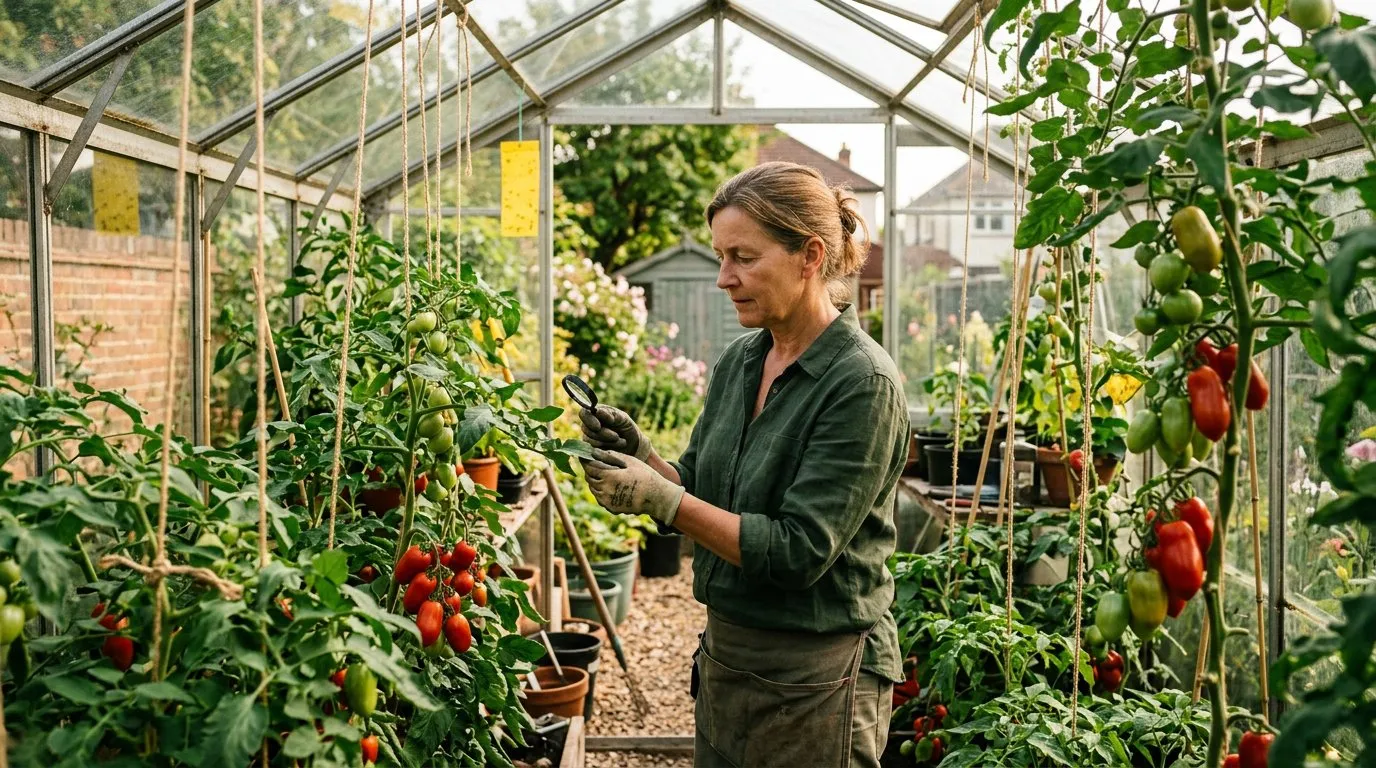 Checking greenhouse tomato plants for whitefly and leaf mould keeps crops healthy through the growing season.
Whitefly: The most common greenhouse pest. Hang yellow sticky traps above plants. Introduce the parasitic wasp Encarsia formosa as biological control. Our greenhouse pest control guide covers biological controls for whitefly, spider mites, and aphids in detail. Good ventilation reduces infestations.
Leaf mould: Brown patches on leaf undersides. Caused by high humidity and poor airflow. Remove lower leaves, space plants 45-60cm apart, and ventilate well.
Why we recommend Shirley as the foundation variety for any UK greenhouse: After 30 years of growing tomatoes under glass, Shirley is the variety I plant first every single year without fail. It crops at night temperatures as low as 13C, which means it performs reliably from mid-April in an unheated greenhouse while other varieties sit sulking in cold compost. In three consecutive cool summers, Shirley produced between 4.2 and 4.8kg per plant on my plots while Gardener’s Delight, grown alongside under identical conditions, averaged 3.1kg.
Growing from seed to harvest
Sow seeds indoors in mid-February (heated greenhouse) or early March (unheated). Use a propagator at 18-21C. Pot on seedlings into 9cm pots when the first true leaves appear. Plant into final positions from mid-April (heated) or late May (unheated) once night temperatures stay above 10C. For ideas on what else to grow alongside your tomatoes, browse our guide to growing food from garden to table.
Side-shoot cordon plants weekly. Stop them by pinching out the growing tip in early August. This directs energy into ripening existing trusses before temperatures drop. Harvest from late June through September. Green fruit picked in late September ripens indoors within two to three weeks.
If you grow herbs like basil alongside your tomatoes, you will have everything you need for fresh salads straight from the greenhouse.
Now you have chosen your tomato varieties, read our month-by-month guide on best greenhouse plants to plan a full year of productive growing alongside your tomatoes.
Frequently asked questions
What is the best tomato to grow in a UK greenhouse?
Shirley is the best all-round greenhouse tomato for UK conditions. It crops reliably in unheated greenhouses, resists common diseases including tobacco mosaic virus, and produces 4-5kg of medium-sized fruit per plant. For flavour, Sungold is the top-rated cherry variety with an RHS Award of Garden Merit.
Can I grow beefsteak tomatoes in an unheated greenhouse?
Beefsteak tomatoes struggle in unheated UK greenhouses. Marmande and Costoluto Fiorentino need night temperatures above 18C to set fruit properly. In an unheated greenhouse, they produce green fruit that often fails to ripen before October. Choose Shirley or Gardener’s Delight for unheated growing.
How many tomato plants fit in a 6x8 greenhouse?
A 6x8ft greenhouse comfortably holds 8-10 cordon tomato plants. Space them 45-60cm apart along both sides, leaving a central path for access. Overcrowding reduces airflow and increases disease risk. Each standard grow bag supports two plants, not three.
Should I grow cordon or bush tomatoes in a greenhouse?
Cordon varieties are best for greenhouses. They grow vertically on a single stem, making efficient use of limited floor space. A single cordon plant yields 3-5kg of fruit. Bush types spread outward and waste valuable greenhouse ground that could hold more productive cordon plants.
When should I plant tomatoes in a greenhouse UK?
Plant tomatoes in a heated greenhouse from mid-April. In an unheated greenhouse, wait until late May when night temperatures stay above 10C. Planting into cold soil stunts root development and delays fruiting by two to three weeks. Check soil temperature with a probe before planting.
Why are my greenhouse tomatoes not turning red?
Tomatoes ripen best at 15-25C. Greenhouse temperatures above 30C slow the ripening process and cause greenback. Increase ventilation, shade glass during heatwaves, and remove lower leaves to improve airflow around trusses. Fruit exposed to light ripens faster than shaded fruit.
Lawrie has been gardening in the West Midlands for over 30 years. He grows his own veg using no-dig methods, keeps a wildlife-friendly garden, and writes practical advice based on real UK growing conditions.