Do You Need a Greenhouse?
Find out whether a greenhouse is worth it for your garden. Covers what grows better under glass, season extension, and cheaper alternatives for UK growers.
Key takeaways
- Greenhouses extend the UK growing season by 4-8 weeks in spring and autumn
- Tomatoes, cucumbers, peppers, aubergines, and melons all crop better under glass
- Root vegetables, brassicas, and legumes grow perfectly well outdoors in the UK
- Cold frames, polytunnels, and cloches offer cheaper alternatives from 139 pounds
- Seed starting indoors is 2-3 weeks faster in a heated greenhouse than on a windowsill
- A 6x8ft greenhouse provides enough space for most hobby growers
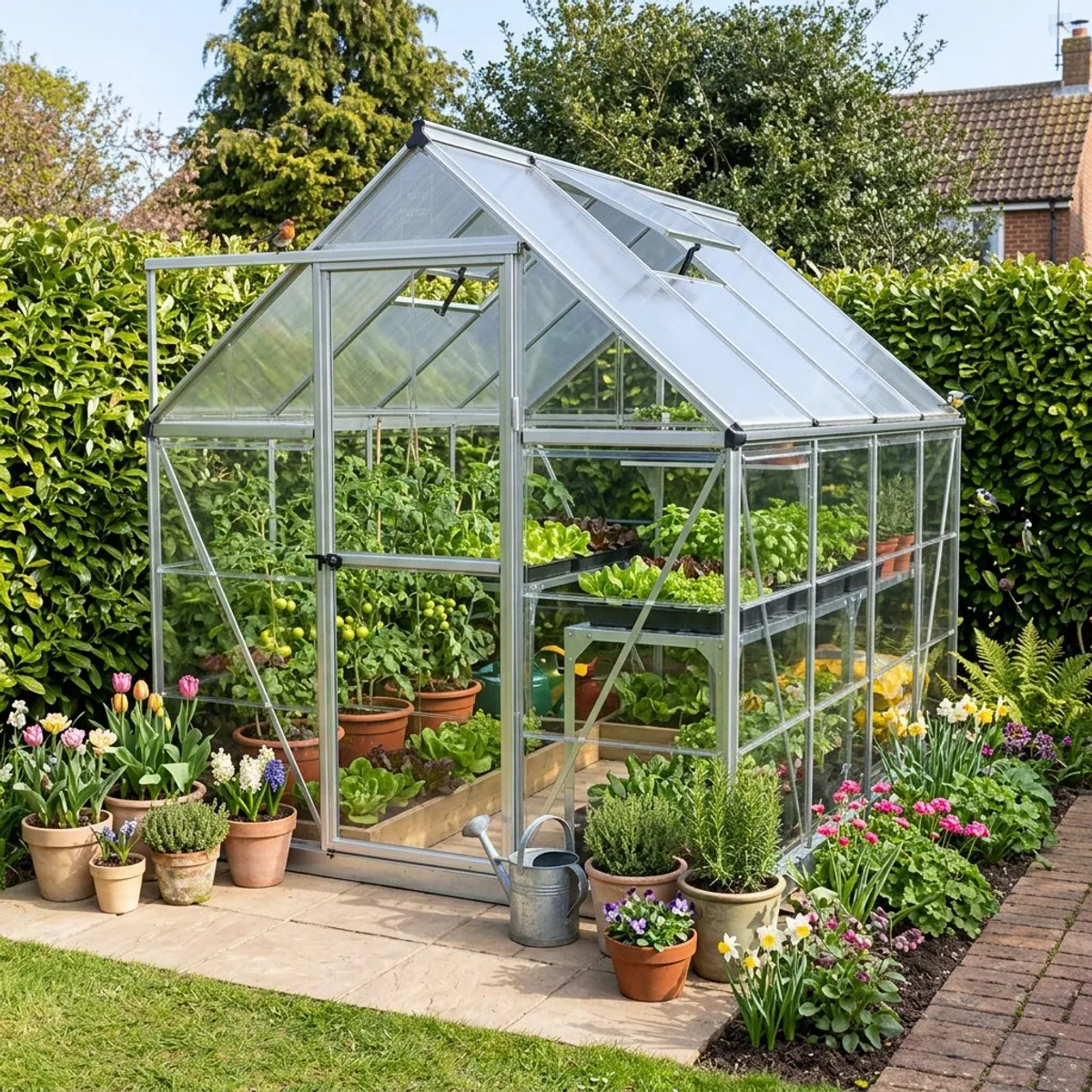
A greenhouse is not essential for every gardener. Plenty of crops thrive in open ground across the UK, from carrots and cabbages to runner beans and courgettes. But for tender crops that need warmth and shelter, nothing matches a proper greenhouse. The question is whether the crops you want to grow justify the investment.
This guide breaks down exactly which plants benefit from greenhouse growing and which do not. It also covers the main alternatives if a full greenhouse is beyond your budget or your garden is too small. For a wider look at growing food at home, see our beginner’s guide to growing your own vegetables.
Why a greenhouse changes what you can grow
The British growing season runs roughly from late April to mid-October. A greenhouse pushes that window outward by 4-8 weeks at each end. Inside a greenhouse, daytime temperatures run 10-20C higher than outside on sunny days. Even an unheated greenhouse stays 5-10C warmer than the open garden overnight.
That extra warmth matters for three reasons. First, it lets you sow seeds earlier in spring. Seeds germinate faster in consistent warmth. A heated propagator inside a greenhouse gets tomato seeds going in mid-February, a full month before outdoor sowing is safe. Our guide to sowing seeds indoors covers the full technique.
Second, tender crops that originate from warmer climates actually produce fruit. Tomatoes, peppers, aubergines, and cucumbers all evolved in tropical or subtropical regions. British summers rarely provide enough heat for them to crop reliably outdoors, especially in the north. Under glass, they thrive.
Third, you can keep growing later into autumn. Salads, herbs, and overwintering crops stay productive well into November inside a greenhouse. The RHS greenhouse growing guide has additional advice on getting the most from protected growing.
What grows better in a greenhouse
Some crops produce dramatically better results under cover. These are the plants where a greenhouse makes the biggest difference for UK growers.
Tomatoes are the number one reason people buy a greenhouse. Outdoor tomatoes crop well in sheltered southern gardens, but greenhouse-grown plants produce 3-5kg per plant compared to 2-3kg outdoors. Blight risk drops significantly under cover. See our full tomato growing guide for variety advice and month-by-month care.
Cucumbers need consistent warmth and humidity. Greenhouse varieties like Telegraph Improved produce far more fruit than outdoor ridge types. Our cucumber growing guide covers both indoor and outdoor varieties.
Peppers and chillies rarely ripen outdoors in the UK north of the Midlands. Under glass, they fruit prolifically from July to October. See our chilli pepper guide for the best UK varieties.
Aubergines are almost impossible outdoors in the UK. They need 20-30C consistently and at least five months of warmth. A greenhouse is really the only option. Our aubergine growing guide has the full method.
Melons need the hottest spot in the greenhouse. Only realistic in heated or south-facing greenhouses in southern England.
What does not need a greenhouse
Most traditional British garden crops grow perfectly well without any protection. Spending money on a greenhouse for these is unnecessary.
| Crop type | Examples | Greenhouse needed? |
|---|---|---|
| Root vegetables | Carrots, parsnips, beetroot, potatoes | No |
| Brassicas | Cabbage, broccoli, kale, Brussels sprouts | No |
| Legumes | Runner beans, French beans, peas, broad beans | No |
| Alliums | Onions, garlic, leeks, shallots | No |
| Leafy greens | Lettuce, spinach, chard | No (but faster under glass) |
| Hardy herbs | Rosemary, thyme, sage, mint | No |
| Tender fruit | Tomatoes, peppers, aubergines, cucumbers | Yes, in most UK areas |
| Tender herbs | Basil, coriander (winter) | Yes, for year-round supply |
| Seed starting | All crops | Helpful, not essential |
If your ambitions centre on root vegetables, salads, and brassicas, you can grow abundantly without any covered space. A container garden on a patio or a set of raised beds will serve you well. Herbs are another crop that mostly grow outdoors without trouble. Our herb growing guide covers the easiest varieties to start with.
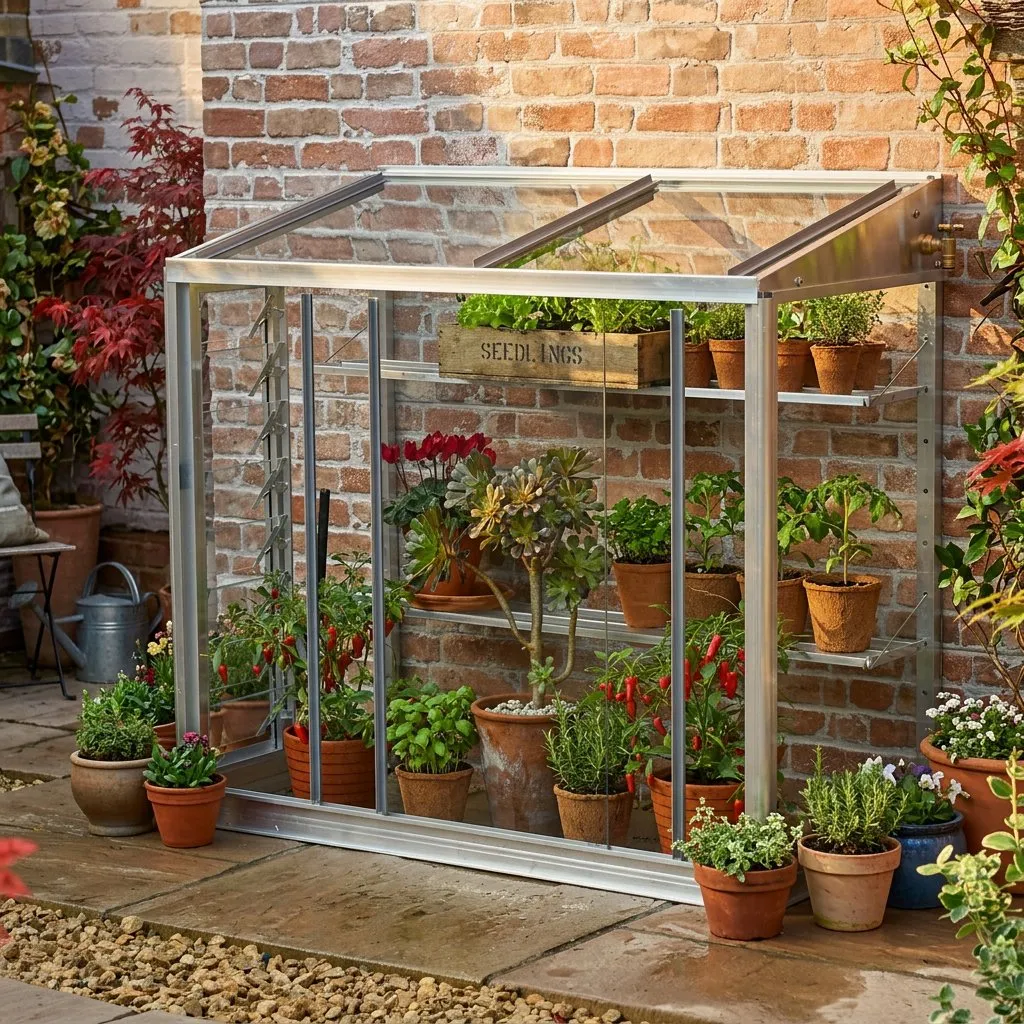 The Access Harlow Mini lean-to greenhouse tucks against a south-facing wall and suits patios and small gardens.
Shop the Access Harlow Mini at Greenhouse Stores →
Alternatives to a full greenhouse
A full-size greenhouse is not the only option for protected growing. Several alternatives cost less and take up less space.
Cold frames sit low to the ground and work well for hardening off seedlings, growing salads, and overwintering tender plants. They cost a fraction of a greenhouse. Our cold frame gardening guide covers positioning, ventilation, and what to grow month by month. The Elite Min-E-Lite Cold Frame at around 249 pounds is a sturdy aluminium option that fits against a house wall.
Polytunnels cover a larger growing area at a lower price per square metre than any greenhouse. Our guide to polytunnel vs greenhouse compares costs, durability, and which crops grow best in each structure. A 3x2m polytunnel starts from around 139 pounds. They are less durable than glass or polycarbonate, and the plastic cover needs replacing every 3-5 years. But for pure growing space on a budget, nothing beats them.
Mini greenhouses and lean-to designs suit smaller gardens, patios, and balconies. Our mini greenhouse guide covers lean-to, growhouse, and wheeled types with a full comparison table. The Access Harlow Mini Lean-To from around 349 pounds fits against a south-facing wall and holds enough tomato plants for a family’s summer supply.
Cloches and fleece protect individual plants or rows. They cost very little and extend the season by a few weeks. Useful for getting early sowings going outdoors or protecting late-season crops from the first frosts.
| Option | Typical cost | Best for | Drawbacks |
|---|---|---|---|
| Full greenhouse (6x8ft) | From 435 pounds | All tender crops, seed starting, overwintering | Needs permanent space and foundations |
| Cold frame | From 249 pounds | Hardening off, salads, herbs | Limited headroom, small growing area |
| Polytunnel (3x2m) | From 139 pounds | Budget covered growing, season extension | Plastic degrades, less sturdy in wind |
| Mini / lean-to greenhouse | From 349 pounds | Small gardens, patios, balconies | Limited capacity, needs a south-facing wall |
| Cloches and fleece | From 5 pounds | Row protection, early sowings | Temporary, no real growing space |
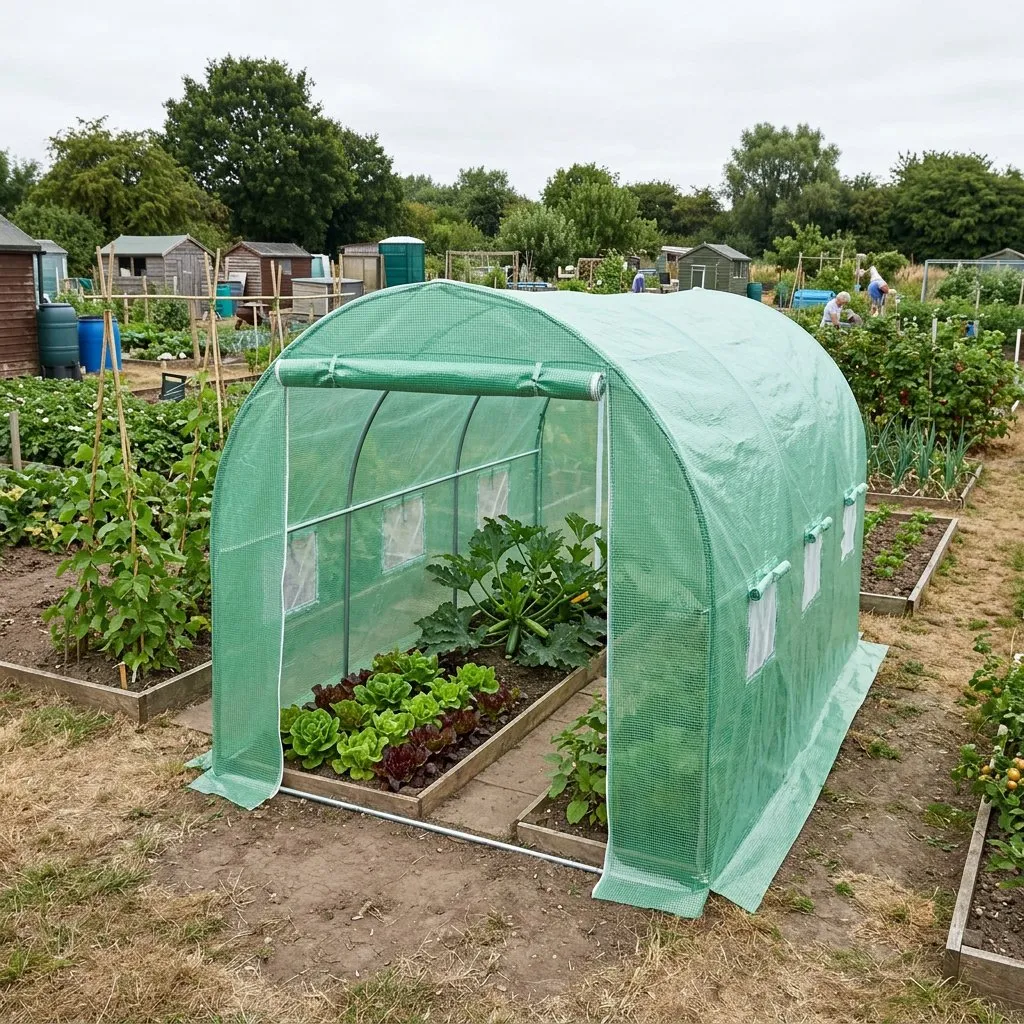 A polytunnel offers the most growing space per pound and is a practical budget alternative to a full greenhouse.
Shop the 3m Polytunnel at Greenhouse Stores →
Choosing the right greenhouse
If you decide a greenhouse is worth it, size is the first decision. Most hobby growers find a 6x8ft greenhouse provides enough space for tomatoes, cucumbers, seed trays, and potting. The Palram Canopia Hybrid 6x8 at around 435 pounds is a popular polycarbonate option that resists hail and holds heat well.
Polycarbonate panels are safer than glass in gardens with children, retain heat more effectively, and diffuse light evenly. Glass lets in more light overall and looks more traditional. Toughened glass is the best compromise for safety and light transmission.
Position your greenhouse on a level site with the ridge running east to west. This captures the most sunlight through the year. Keep it away from overhanging trees. Falling branches, bird droppings, and shade all reduce performance. A south-facing spot sheltered from prevailing wind is ideal in most parts of the UK.
Gardener’s tip: Buy the biggest greenhouse you can fit and afford. Every grower says the same thing after the first season: they wish they had gone bigger. Staging and shelving make the most of vertical space inside.
Why we recommend an 8x10ft polycarbonate greenhouse as the starting point for serious UK growers: After helping hundreds of growers choose their first greenhouse over 30 years, those who start with a 6x8ft consistently regret not going larger by their second season. An 8x10ft greenhouse holds 12-14 tomato plants and still leaves room for a propagating bench. Polycarbonate panels retain 30-40% more heat overnight than single-glazed glass, which extends the useful season by an additional 2-3 weeks compared with glass in northern UK gardens.
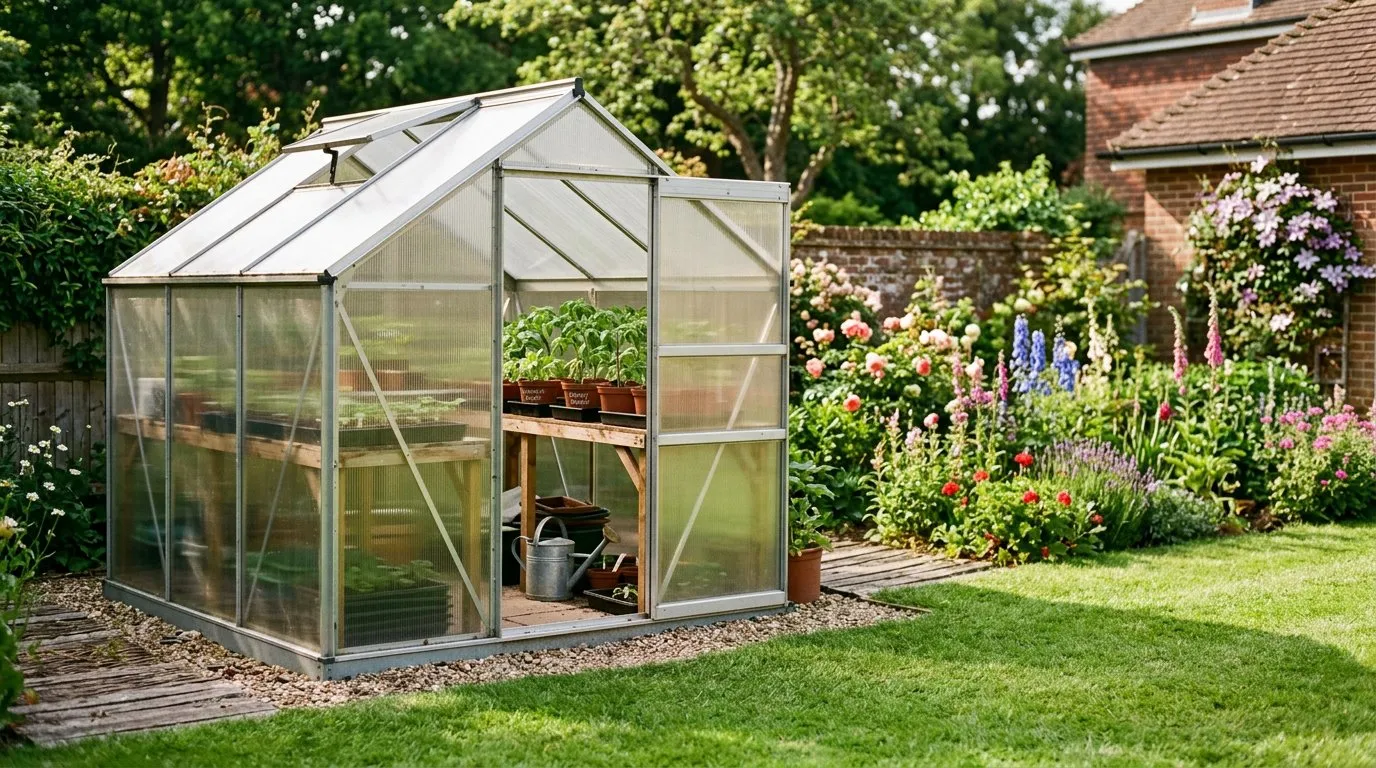 A well-positioned polycarbonate greenhouse with staging. East-west ridge orientation captures the most sunlight year-round.
The verdict
A greenhouse is worth the investment if you want to grow tomatoes, cucumbers, peppers, aubergines, or melons in the UK. It also makes seed starting easier and extends the season for salads and herbs. If your focus is root vegetables, brassicas, and legumes, you can grow a productive garden without one.
For smaller budgets, a polytunnel or cold frame covers the basics. A mini lean-to greenhouse suits patios and compact gardens. The key is matching your growing ambitions to the right level of protection. Start with what you want to harvest, then work backward to the structure that makes it possible.
Now you have decided on your growing structure, read our guide on polytunnel vs greenhouse to compare the two most popular options side by side before you buy.
Frequently asked questions
Is a greenhouse worth it in the UK?
Yes, for tender crops like tomatoes and cucumbers. A greenhouse extends the growing season by 4-8 weeks, protects against late frosts, and lets you grow crops that struggle outdoors in British summers. Most growers recoup the cost in saved produce within 3-5 years. Even a small greenhouse turns what you can grow.
What size greenhouse do I need?
A 6x8ft greenhouse suits most hobby growers. It holds 6-8 tomato plants, a row of cucumbers, and space for seed trays. Smaller gardens benefit from a lean-to or mini greenhouse that fits against a wall. Always buy the biggest size your space and budget allow.
Can I grow vegetables without a greenhouse?
Yes, most UK vegetables grow well outdoors. Potatoes, carrots, onions, peas, beans, lettuce, and all brassicas need no protection. Only tender crops like tomatoes, peppers, and aubergines benefit significantly from greenhouse growing. A sheltered, south-facing spot handles most crops.
What is the cheapest alternative to a greenhouse?
A polytunnel is the cheapest covered growing space, starting from around 139 pounds for a 3x2m frame. Cold frames cost from around 249 pounds. Both extend the season for hardening off seedlings and protecting tender plants. Cloches and horticultural fleece cost just a few pounds.
Do greenhouses need heating in winter?
Not for most uses. An unheated greenhouse stays 5-10C warmer than outside, enough to overwinter tender perennials and start seeds earlier in spring. Heating is only needed for tropical plants or year-round growing. A frost-protection heater costs around 30-50 pounds per winter to run.
When should I start using my greenhouse in spring?
Start sowing hardy seeds in an unheated greenhouse from late February. Tender crops like tomatoes go in from mid-May after the last frost risk passes. A heated propagator lets you start even earlier, from mid-February. By March, most greenhouses are busy with seed trays and early salads.
Lawrie has been gardening in the West Midlands for over 30 years. He grows his own veg using no-dig methods, keeps a wildlife-friendly garden, and writes practical advice based on real UK growing conditions.