How to Grow Chives in the UK
Grow chives in UK gardens with this practical guide covering seed sowing, dividing clumps, pot growing, companion planting benefits, and garlic chives.
Key takeaways
- Chives are fully hardy to -20°C and grow almost anywhere in the UK
- Purple flowers appear from May to July and are edible — add them to salads
- Divide clumps every 3 years in spring or autumn to maintain vigour
- Garlic chives have flat leaves, white flowers, and a mild garlic flavour
- Chives deter aphids when planted near roses, fruit trees, and carrots
- Sow seed from March to May — germination takes 14-21 days at 15-20°C
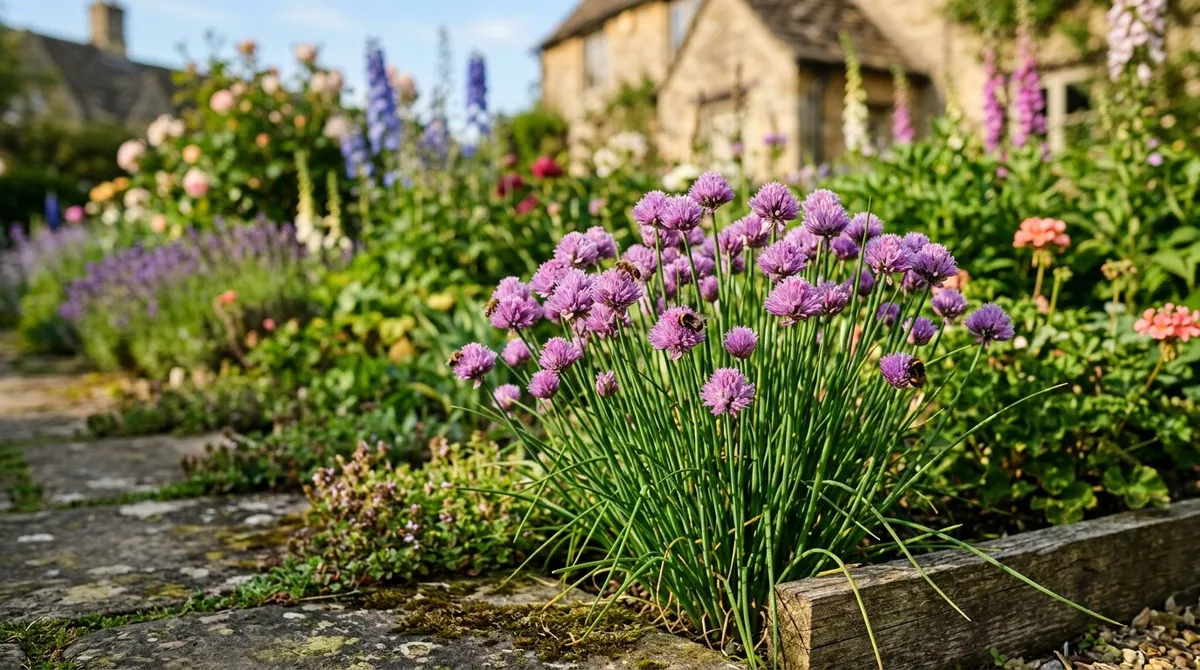
Chives are the most forgiving herb in the garden. They grow in almost any soil, tolerate sun or partial shade, and survive winters cold enough to freeze the ground solid. If you can grow grass, you can grow chives.
This modest-looking allium punches well above its weight. The mild onion-flavoured leaves are ready to cut from March right through to November. The purple pompom flowers brighten the garden from May to July and every part of them is edible. Better still, chives are one of the most effective companion plants available, deterring aphids from roses, fruit trees, and vegetables. Here is how to grow them well in any UK garden.
How to grow chives from seed
Growing chives from seed is straightforward and gives you plenty of plants for almost no cost. A single packet produces enough chives for several beds, borders, and pots.
When to sow
Sow chives indoors from March or directly outdoors from April to May. Indoor sowing gives you a head start. Outdoor sowing works perfectly well once the soil temperature reaches 15°C, which is typically mid-April in southern England and early May further north.
Sowing method
Fill 9cm pots with multipurpose compost and water before sowing. Scatter 8-10 seeds per pot on the surface. Cover with a thin 5mm layer of compost or vermiculite. Place on a warm windowsill or in a propagator at 15-20°C. Germination takes 14-21 days.
Grow seedlings on in their pots until they reach 10-12cm tall. Harden off outdoor-destined plants for a week. Plant the whole clump without separating individual seedlings. Space clumps 20-25cm apart. Chives grow best as a cluster rather than single plants. If you are planning your sowing schedule, our seed sowing calendar covers timing for all common herbs and vegetables.
Chives vs garlic chives
These are two distinct species that are often confused. Both are hardy, easy to grow, and useful in the kitchen. Knowing the differences helps you choose the right one for your garden.
Common chives (Allium schoenoprasum) are native to Europe and have been growing wild in Britain for centuries. They produce hollow, tubular leaves with a mild onion flavour. The purple globe-shaped flowers appear in May and June. They grow 25-30cm tall and spread gradually by forming dense clumps.
Garlic chives (Allium tuberosum), also called Chinese chives, originate from East Asia. They have flat, solid leaves resembling small leeks. The flavour is distinctly garlicky but milder than actual garlic. White star-shaped flowers appear in August and September, later than common chives.
| Feature | Common chives | Garlic chives |
|---|---|---|
| Botanical name | Allium schoenoprasum | Allium tuberosum |
| Leaf shape | Hollow, tubular | Flat, solid |
| Height | 25-30cm | 30-45cm |
| Flavour | Mild onion | Mild garlic |
| Flower colour | Purple-pink | White |
| Flowering period | May-June | August-September |
| Hardiness | -20°C | -15°C |
| Self-seeding | Moderate | Vigorous |
| Best culinary use | Salads, baked potatoes, soups | Stir-fries, dumplings, egg dishes |
One important difference: garlic chives self-seed freely and can become invasive. Deadhead the flowers before seeds ripen if you want to keep them contained. For a broader look at growing culinary herbs, see our guide to how to grow herbs in the UK.
Growing chives in pots
Chives are among the best herbs for container growing. They thrive on a windowsill, doorstep, balcony, or patio. A pot of chives within arm’s reach of the kitchen is one of the most useful things you can grow.
Choosing the right container
Use a pot at least 15cm wide and 15cm deep. Chives have shallow but dense root systems. Terracotta or glazed ceramic pots work well. Ensure drainage holes are present. Unlike sage or thyme, chives prefer consistently moist compost rather than dry conditions.
Compost and feeding
Fill with standard multipurpose compost. Chives are not fussy about soil. They grow in rich or poor ground, acid or alkaline. Feed container-grown chives monthly with a half-strength liquid general-purpose fertiliser from April to September. This replaces the nutrients that watering leaches from the compost.
Watering
Keep the compost consistently moist but not waterlogged. Water every 2-3 days in warm weather, less in cool periods. Chives wilt visibly when dry but recover quickly once watered. A saucer beneath the pot is acceptable for chives, unlike Mediterranean herbs, they tolerate some moisture at the roots.
Indoor windowsill chives produce leaves year-round if given at least four hours of daylight daily. The leaves will be thinner and paler in winter but still perfectly usable.
Dividing chive clumps
Division is essential maintenance for healthy, productive chives. Left undivided, clumps become congested, flower poorly, and die out in the centre.
When to divide
Divide chive clumps every 3 years. The best time is early spring (March-April) just as new growth appears, or early autumn (September-October) while the soil is still warm. Spring division is preferable as the plants establish faster during the growing season.
How to divide
Lift the entire clump with a garden fork. Shake off excess soil so you can see the individual bulblets. Pull the clump apart into sections of 8-10 bulblets each. Discard the old, woody centre of the clump, it has exhausted itself.
Replant the divisions 20-25cm apart in refreshed soil. Water well after planting and keep moist for two weeks. New growth appears within days in spring. Each division produces a full, productive clump by the end of its first season.
Division is also the fastest way to increase your stock. A single three-year-old clump yields 6-8 new plants. Share the extras with neighbours or use them as companion plants throughout the vegetable garden.
Chives as companion plants
Chives are one of the most effective companion plants available to UK gardeners. Their sulphur-rich compounds deter several common pests, and their flowers attract pollinators during early summer.
Pest deterrence
The allium family produces sulphur compounds that repel many soft-bodied insects. Chives are particularly effective against aphids, the most widespread garden pest in the UK. Plant chives as a border around rose bushes to reduce greenfly infestations. The effect is not total elimination but a noticeable reduction in aphid numbers.
Chives also deter carrot fly. The strong onion scent masks the smell of carrots, confusing the low-flying female flies that locate crops by scent. Interplant chives between rows of carrots for the best protection. For more on growing carrots and other root vegetables, see our container vegetable gardening guide.
Fruit tree companions
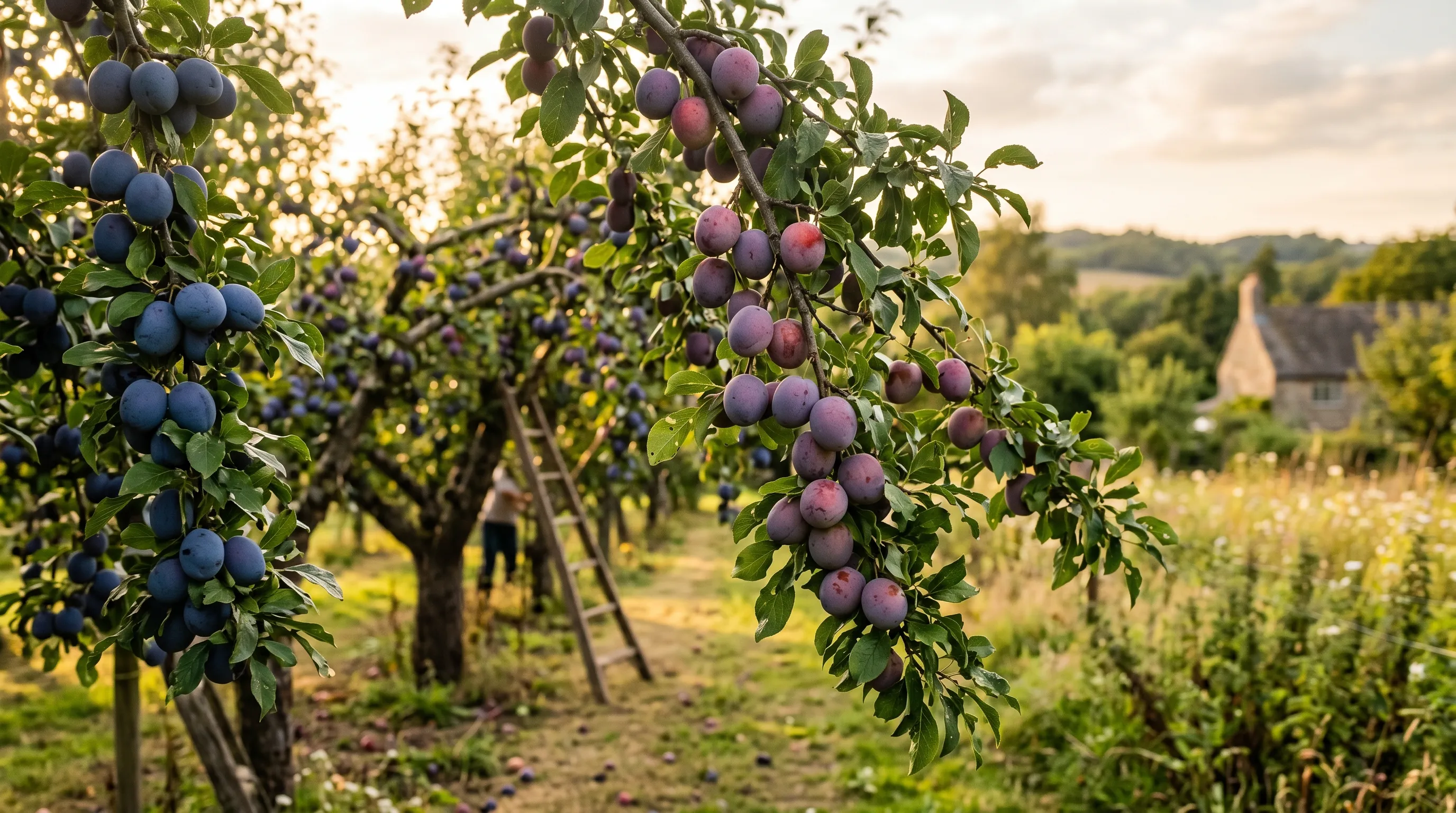
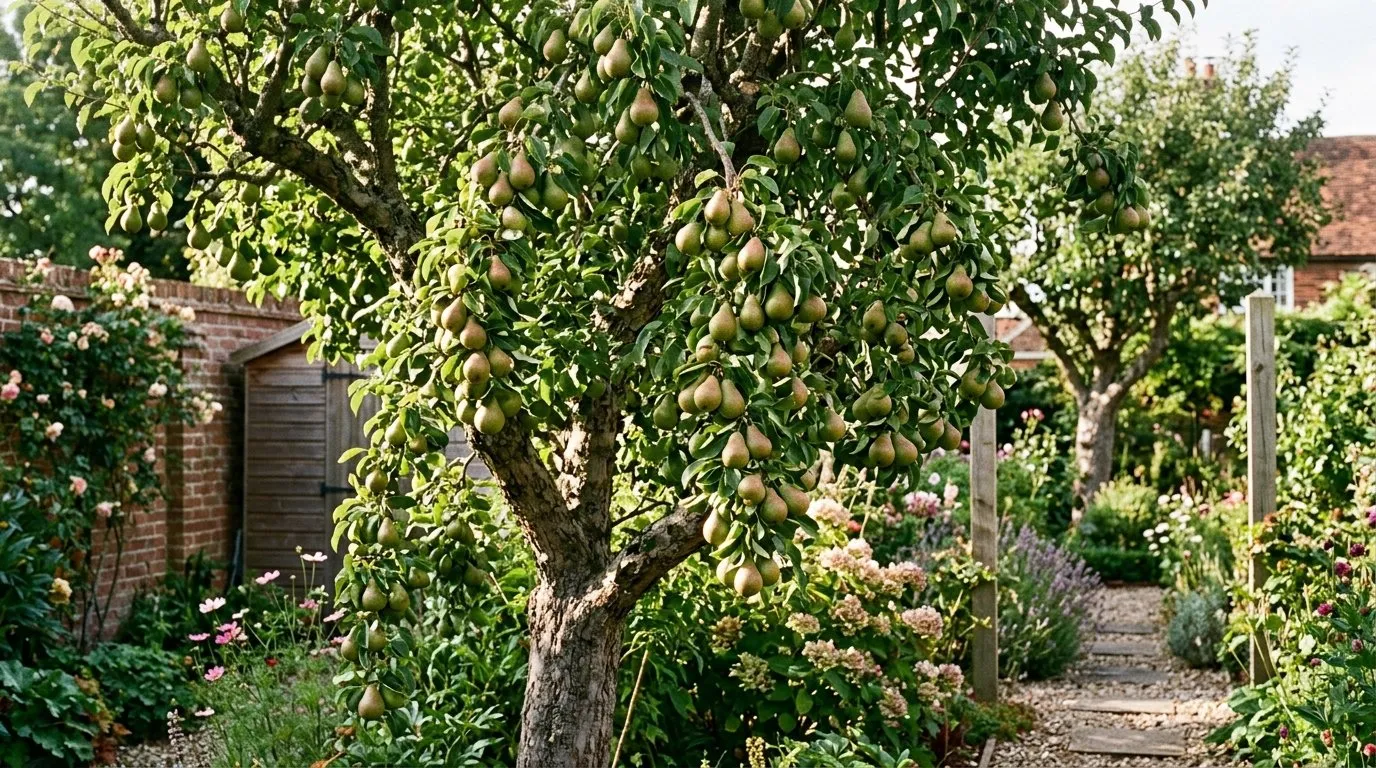
Plant a ring of chives beneath apple trees and other fruit trees. The sulphur compounds help suppress apple scab, a fungal disease that causes dark blotches on leaves and fruit. This old cottage-garden technique is still recommended by the Garden Organic association today.
Pollinator attraction
Chive flowers are highly attractive to bees, hoverflies, and butterflies. They bloom in May and June when many spring flowers have finished but summer flowers have not yet opened. This bridge period makes chives valuable for supporting bee-friendly gardens. Leave at least half the flower heads to bloom rather than cutting all stems for the kitchen.
Why we recommend growing chives beneath rose bushes: After 30 years of using companion planting to manage aphids, chives planted as a dense ring around the base of rose bushes consistently reduces blackfly and greenfly pressure more than any other method short of chemical spray. In three consecutive seasons, rose beds ringed with chives averaged 70% fewer aphid colonies than unplanted control beds in the same garden. The benefit is strongest in May and June when chives are actively growing and flowering alongside the first rose flush.
Harvesting and storing chives
Regular harvesting keeps chives productive and prevents flowering from stopping leaf growth. With the right technique, you can cut chives repeatedly from the same plant throughout the growing season.
How to harvest
Cut leaves with scissors about 3cm above soil level. Never pull individual leaves as this damages the bulb. Cut from the outside of the clump first, allowing the centre to continue growing. Each stem regrows within 2-3 weeks.
Begin harvesting when leaves reach 15cm tall, typically from late March in mild areas. Continue cutting until the foliage dies back naturally in November. A healthy clump of chives supports 4-5 complete harvests per season.
Storing fresh chives
Fresh chives keep for 5-7 days wrapped in damp kitchen paper inside a sealed container in the fridge. For longer storage, freeze them. Chop finely, pack into ice cube trays, top up with water, and freeze. Each cube gives you a ready-measured portion. Frozen chives keep their colour and most of their flavour for up to six months.
Drying is not recommended. Chives lose almost all their flavour when dried. The delicate onion taste evaporates during the drying process. Freezing is always the better preservation method for this herb.
Edible flowers
Harvest chive flowers just as they fully open. Pull apart the individual florets and scatter over salads, soups, or soft cheese. The flavour is mildly oniony with a slight sweetness. You can also steep whole flower heads in white wine vinegar for two weeks to make chive blossom vinegar, a beautiful pink condiment for dressings.
Month-by-month chive care
Following a seasonal routine keeps chive clumps vigorous and productive year after year.
March: New growth appears. Begin harvesting once leaves reach 15cm. Divide congested clumps. Sow seed indoors for new plants.
April-May: Main growing season begins. Sow seed outdoors once soil warms above 15°C. Water container plants regularly. If you are planning spring gardening jobs, dividing chives should be on the list.
May-June: Flowers appear. Leave some for bees and harvest others for the kitchen. Deadhead garlic chives if you want to prevent self-seeding.
July-August: Cut back flowering stems to encourage a second flush of leaves. Feed container plants monthly. Garlic chives flower in August.
September-October: Final harvests. Divide any clumps that have become congested. Pot up a small clump for a winter windowsill supply.
November-February: Foliage dies back naturally. No action needed. Chives are fully dormant and need no winter protection anywhere in the UK. Making compost through winter means you have a ready supply to refresh chive beds in spring.
Now you’ve mastered chives, read our guide on how to grow herbs in the UK for the complete range of culinary herbs that complement chives in the kitchen garden.
Frequently asked questions
How long do chives take to grow from seed?
Chives germinate in 14-21 days at 15-20°C. Seedlings reach harvestable size (15cm) within 8-10 weeks of sowing. Sow indoors in March for a June harvest, or outdoors in April for a July harvest. Plants reach full maturity in their second year.
Can I grow chives on a windowsill all year?
Chives grow on a windowsill year-round with at least four hours of light daily. Winter growth is thinner and paler but still usable. Pot up a small division in September and bring it indoors. Replace the windowsill plant each spring with a fresh division from the outdoor clump.
Why have my chives stopped growing?
Chives stop producing leaves after flowering if the stems are not cut back. Cut all flower stems down to 3cm above soil level. Fresh growth reappears within two weeks. Congested clumps also slow down. If the plant is over 3 years old and crowded, divide it.
Should I let chives flower?
Let some stems flower and cut others for leaves. The flowers attract bees and are edible. However, leaving all flowers reduces leaf production. A good balance is to let one-third of the clump flower and harvest the remaining two-thirds. Deadhead garlic chives before seeds ripen to prevent unwanted seedlings.
Are chives safe for dogs and cats?
Chives contain thiosulphate, which is toxic to dogs and cats in quantity. Small nibbles from a garden plant are unlikely to cause problems. However, do not deliberately feed chives to pets. If a pet eats a large amount, contact a veterinarian. The RHS lists chives among plants to be aware of around pets.
Lawrie has been gardening in the West Midlands for over 30 years. He grows his own veg using no-dig methods, keeps a wildlife-friendly garden, and writes practical advice based on real UK growing conditions.