What to Plant in August in the UK
Everything to sow, plant, and harvest in August across UK gardens. Covers late vegetables, spring bulbs, fruit tasks, lawn prep, and peak harvest crops.
Key takeaways
- August is the UK's peak harvest month with over 30 crops ready to pick
- Sow spring cabbage, pak choi, lamb's lettuce, and winter radish for late crops
- Take semi-ripe cuttings of shrubs and propagate strawberry runners for free plants
- Plant autumn crocus bulbs and order spring-flowering bulbs for September planting
- Summer prune trained fruit trees and net autumn raspberries against birds
- Water containers twice daily in hot weather and deadhead to extend flowering
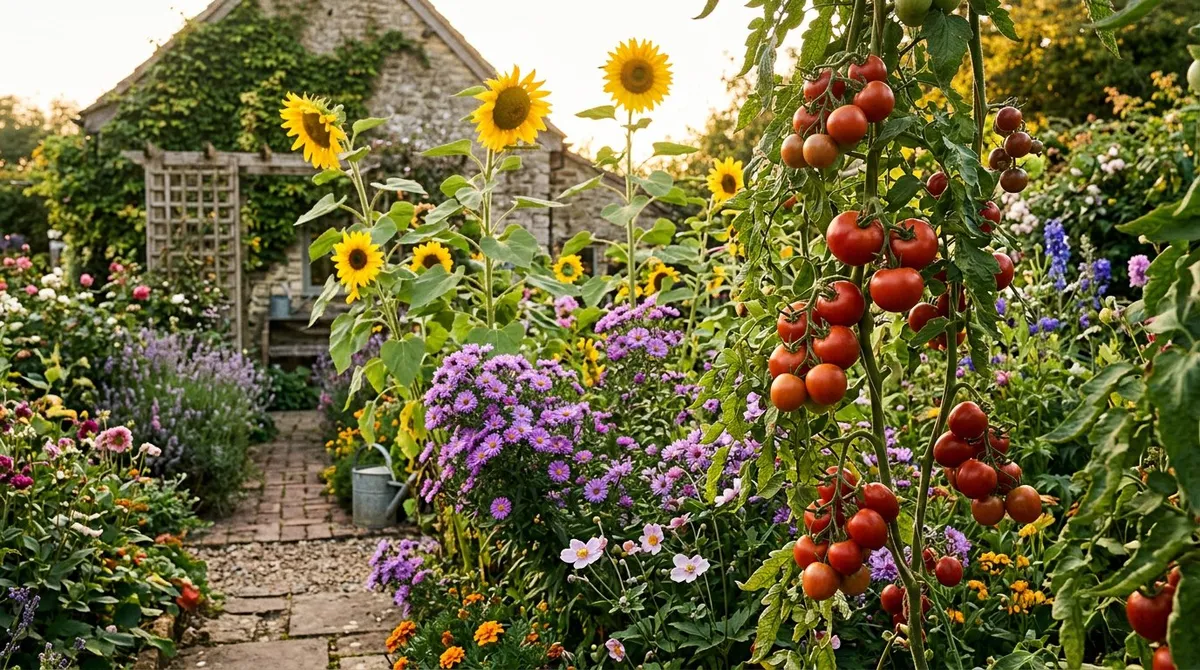
August is one of the most rewarding months in the UK garden. The growing season is at its peak, with baskets and trugs overflowing from daily harvests. Tomatoes, beans, courgettes, and soft fruit all reach their best this month.
But August is also a month of transition. The days are shortening by two minutes each evening. Sowing opportunities are narrowing. This is your last realistic window for many overwintering crops, and the time to start preparing for autumn and spring. This guide follows on from our June planting guide and connects back to the full vegetable planting calendar.
Vegetables to sow and plant in August
The August sowing list is shorter than spring, but every crop on it earns its place. These are the vegetables that fill the hungry gap between autumn and early spring.
Spring cabbage
Spring cabbage is one of the most valuable August sowings. Sow in a seed bed or modules in early August. Transplant to final positions in September or October, spacing 30cm apart. Plants overwinter as small rosettes and produce tight, pointed heads from March to May, when little else is available.
Varieties like Durham Early, April, and Flower of Spring are bred for overwintering. They tolerate hard frost down to -12C. Net against pigeons from the day you plant them out. Pigeons strip brassica leaves through winter when other food is scarce.
Pak choi
Pak choi actually performs better from August sowings than spring ones. The shorter days reduce the bolting that plagues this crop in the long days of May and June. Sow directly outdoors, 1cm deep, and thin to 20cm apart. Harvest baby leaves in 4-5 weeks or full heads in 8 weeks.
Grow under fleece from October to extend the season into November. Pak choi tolerates light frost but not prolonged freezing. A single August sowing provides stir-fry greens through the whole of autumn.
Winter lettuce
Sow winter lettuce varieties in August for autumn and early winter harvests. Standard summer lettuce will not survive the cold, so choose varieties bred for the purpose.
Recommended winter lettuce varieties:
- Winter Gem - compact Little Gem type, hardy to -8C
- Arctic King - butterhead, reliable overwinterer since the 1800s
- Valdor - large butterhead, the hardiest lettuce available
- Winter Density - cos type, crisp leaves through mild winters
Sow outdoors in a sheltered, sunny spot. Cover with cloches from October. In milder areas, these varieties produce leaves through December and January.
Lamb’s lettuce
Lamb’s lettuce (corn salad) is one of the hardiest salad crops. It shrugs off frost that kills ordinary lettuce. Sow directly outdoors from early August through to September. Scatter seed thinly and cover lightly. Thin to 10cm apart. Harvest individual leaves or cut whole rosettes. A single August sowing produces salad from October right through to March.
Winter radish
Winter radish is nothing like the small, pink summer radish. These are large, slow-growing roots that store in the ground through winter. Sow in August for harvests from October to February.
Varieties to try:
- Black Spanish Round - dark skin, white peppery flesh, stores for months
- China Rose - pink skin, mild flavour, ready in 8-10 weeks
- Mooli (Daikon) - long white roots, mild and crisp, popular in Asian cooking
Sow 2cm deep in rows 25cm apart. Thin to 15cm between plants. Winter radish roots grow to 15-20cm long and keep perfectly in the ground until you need them.
Turnips
Turnips sown in August grow quickly in the still-warm soil. They produce tender roots in just 6-8 weeks, giving you a harvest by October. Pull them young at golf-ball size for the sweetest flavour. Larger roots become woody and bitter.
Sow thinly in rows 25cm apart and thin to 10-15cm. Varieties like Atlantic and Tokyo Cross are fast-maturing and suitable for late sowings.
Chard and spinach
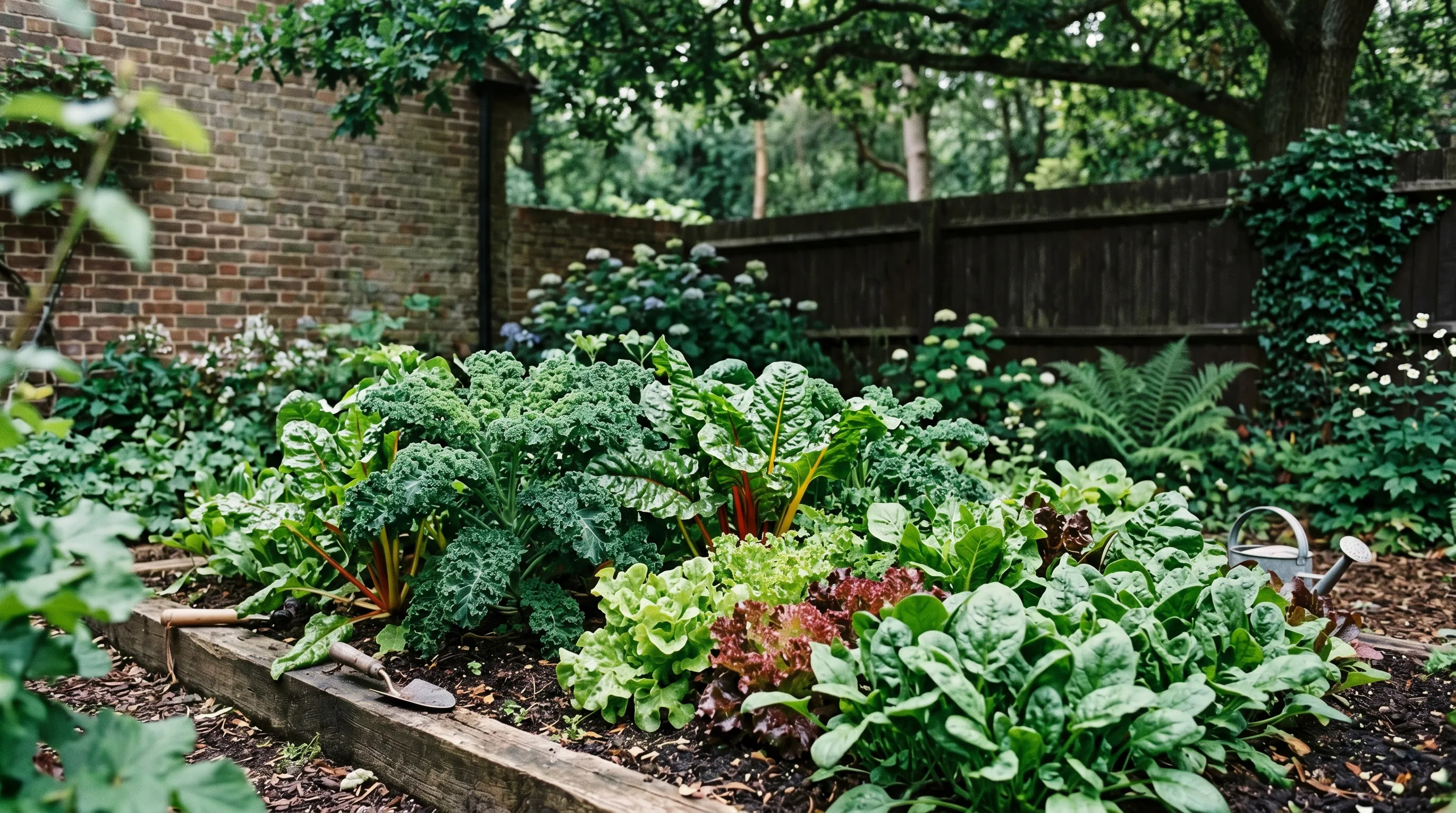
Chard sown in August produces colourful stems and leaves through autumn and winter. It tolerates frost well and regrows after cutting. Both rainbow chard and Swiss chard work from August sowings. Space plants 30cm apart and harvest outer leaves regularly.
Spinach from August sowings avoids the bolting problems of summer. The shorter days and cooler nights keep plants productive. Sow every two weeks through August for a continuous supply. Check our seed sowing calendar for the full schedule of what to sow each month.
Gardener’s tip: All August-sown vegetables benefit from a 5cm layer of garden compost spread over the soil surface before sowing. This retains moisture in dry spells and feeds the soil as it breaks down. The worms pull it under for you.
Flowers to plant in August
Plant autumn crocus and colchicum
Autumn crocus (Crocus speciosus) and colchicum (meadow saffron) flower within weeks of planting. Buy and plant the bulbs as soon as they appear in garden centres, typically from early August. The bulbs are already primed to flower and will produce blooms 4-6 weeks after planting.
Plant autumn crocus 8cm deep in well-drained soil. They naturalise well in grass. Colchicum bulbs are larger and go 10cm deep. Both spread steadily over the years, forming colonies. The Royal Horticultural Society recommends planting autumn bulbs as soon as they become available.
Order spring-flowering bulbs
August is the month to order spring-flowering bulbs from specialist suppliers. Tulips, daffodils, alliums, crocuses, and hyacinths sell out fast. The best varieties disappear by September. Order now for planting in October and November.
Buy from specialist bulb suppliers for the widest choice and largest bulbs. Larger bulbs produce bigger flowers. Store bulbs in a cool, dry, dark place until planting time.
Collect seeds from annuals
Collect seed from hardy annuals before the pods shatter. Calendula, nigella (love-in-a-mist), sweet peas, and poppies all produce seed freely in August. Pick seed heads on a dry day when the pods are brown and papery. Store in labelled paper envelopes in a cool, dry place. Sow the following spring for free plants.
Take cuttings of pelargoniums and fuchsias
August is the ideal month to take cuttings of tender perennials before autumn arrives. Pelargoniums (commonly called geraniums) and fuchsias root easily from 10cm tip cuttings taken now. Trim below a leaf node, remove the lower leaves, and insert into pots of gritty compost. Keep moist but not wet. They root in 3-4 weeks.
These cuttings overwinter as small plants on a bright windowsill or in a frost-free greenhouse. By spring, they are established plants ready to go outdoors. This saves the cost of buying new bedding plants every year.
Fruit tasks for August
Summer prune trained fruit trees
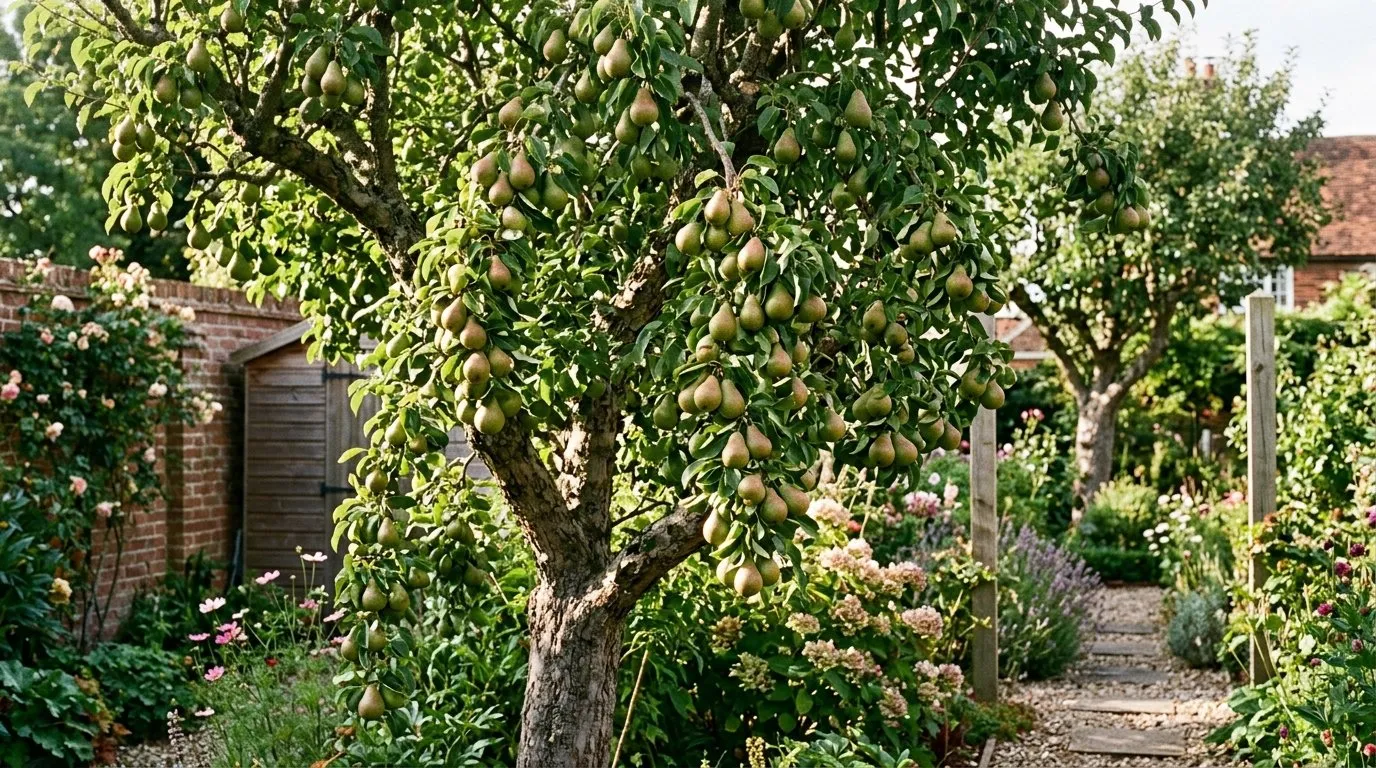
August is the main month for summer pruning of trained fruit trees. Cordons, espaliers, and fan-trained apples and pears need pruning now to control growth and encourage fruit bud formation.
Cut back new side shoots (laterals) growing directly from the main branches to 3 leaves beyond the basal cluster. Cut back sub-laterals (shoots growing from existing side shoots) to 1 leaf beyond the basal cluster. Do not prune the main leader unless it has reached the top wire.
Summer pruning lets light into the canopy and ripens the wood for next year’s fruit buds. It also keeps trained forms tidy and within their allotted space.
Propagate strawberry runners
Strawberry runners are producing new plantlets freely in August. If you need new plants, peg the strongest runner from each parent into a small pot of compost sunk into the ground beside it. Sever the connection to the parent plant once the new plantlet has rooted, usually after 4-6 weeks. For the full process, see our strawberry growing guide.
Remove all other runners to direct the parent plant’s energy into fruit production. Newly rooted runners planted into their final position by September establish well before winter and produce a full crop the following summer.
Net autumn raspberries
Autumn-fruiting raspberries begin cropping from mid-August. Net the canes before the first fruits ripen. Blackbirds and thrushes will strip an unprotected row overnight. Use proper fruit cage netting with mesh no larger than 2cm to exclude birds without trapping them.
Pick every two or three days. Ripe fruit left on the cane attracts wasps and rots quickly. Autumn raspberries continue fruiting until the first hard frost, often into late October.
Lawn care in August
Prepare for autumn sowing
If you plan to sow a new lawn or overseed bare patches, prepare the ground in late August. Dig over compacted soil, remove stones and roots, and rake to a fine tilth. Leave the surface to settle for 2-3 weeks before sowing in mid-September. September is the best month for lawn sowing because the soil is warm, rain returns, and weed competition drops.
Avoid feeding in drought
Do not apply lawn fertiliser during dry weather. Granular feed sitting on dry grass scorches the roots and leaves brown burn marks. Wait for sustained rain before feeding. If the lawn has gone brown and dormant in a heatwave, leave it alone. It recovers within two weeks of regular rain. Resist the temptation to water established lawns heavily. The grass survives drought. The water bill does not.
Mowing height
Raise the mowing height to 3-4cm during dry spells. Longer grass shades the soil surface, reducing moisture loss. Taller blades also photosynthesise more efficiently, helping the grass recover from drought stress. Never cut more than one-third of the blade length in a single mow.
Other August jobs
Take semi-ripe cuttings
August is peak time for semi-ripe cuttings of shrubs and climbers. This year’s growth has started to firm up at the base while the tip is still soft. This stage is ideal for rooting. The following plants root reliably from August cuttings:
- Lavender - 10cm non-flowering shoots, strip lower leaves
- Rosemary - 15cm heel cuttings from side shoots
- Box (Buxus) - 10cm cuttings, slow to root but reliable
- Hydrangea - 15cm tip cuttings with two pairs of leaves
- Philadelphus - 15cm semi-ripe shoots from this year’s growth
- Escallonia - 10cm side shoots with a heel of older wood
Insert cuttings into pots of 50/50 perlite and peat-free compost. Water well and cover with a clear plastic bag or place in a cold frame. Check for rooting after 6-8 weeks.
Why we recommend lavender for August semi-ripe cuttings: After 30 years of propagating shrubs, lavender cuttings taken in August root more reliably than any other time of year. Non-flowering shoots of 10cm taken now root in 4-6 weeks in a cold frame, giving you free plants ready to pot on by October. A single established lavender produces 20-30 usable cuttings, making it the most cost-effective way to fill a new border or replace plants lost to waterlogging over winter.
Deadhead flowers
Deadheading is essential in August. Remove faded flowers from roses, dahlias, cosmos, and all repeat-flowering plants. This diverts energy from seed production back into new flower buds. A dahlia deadheaded twice a week will flower continuously until the first frost. One left to set seed stops producing new blooms within a fortnight.
Water containers twice daily
Containers dry out rapidly in August. Terracotta pots lose moisture through their walls as well as from the surface. In hot weather, water in the early morning and again in the evening. A single daily watering is not enough for most pots in full sun. Feed container plants weekly with a liquid tomato feed to replace nutrients washed out by frequent watering.
Plan for autumn gardening jobs
August is a good time to note what worked and what failed this season while the evidence is fresh. Walk around the garden with a notebook. Record gaps in borders, crops that performed well, varieties to avoid, and areas that need improving. These notes save you hours of indecision when the seed catalogues arrive in January.
What to harvest in August
August is the peak harvest month in UK gardens. More crops are ready to pick now than in any other month. Regular harvesting encourages further production. Leaving ripe crops on the plant signals the plant to stop producing.
| Crop | Harvest notes |
|---|---|
| Tomatoes | Pick when fully coloured. Check daily in warm weather. |
| French beans | Pick every 2-3 days when pods are 10-12cm. Do not let them become stringy. |
| Runner beans | Pick every 2 days. Pods toughen and become stringy if left too long. |
| Courgettes | Harvest at 15-20cm. Check daily. A courgette becomes a marrow in 48 hours. |
| Cucumbers | Pick regularly to encourage further fruit. Do not let them yellow. |
| Beetroot | Pull at cricket-ball size or smaller. Large roots become woody. |
| Carrots | Lift as needed. Maincrops can stay in the ground until October. |
| Onions | Lift when the foliage bends over naturally. Dry on a rack for 2 weeks. |
| Potatoes | Lift maincrops when the foliage dies back. Cure in a dark, dry place. |
| Sweetcorn | Ready when the tassels turn brown. Test by pressing a kernel with your thumbnail. Milky liquid means ready. |
| Peas | Pick regularly. Mangetout and sugar snap before the peas inside swell. |
| Lettuce | Cut in the morning when leaves are crisp and full of moisture. |
| Soft fruit | Blackberries, autumn raspberries, and late blueberries. Pick every 2-3 days. |
| Apples | Earliest varieties (Discovery, Beauty of Bath) ripen in late August. |
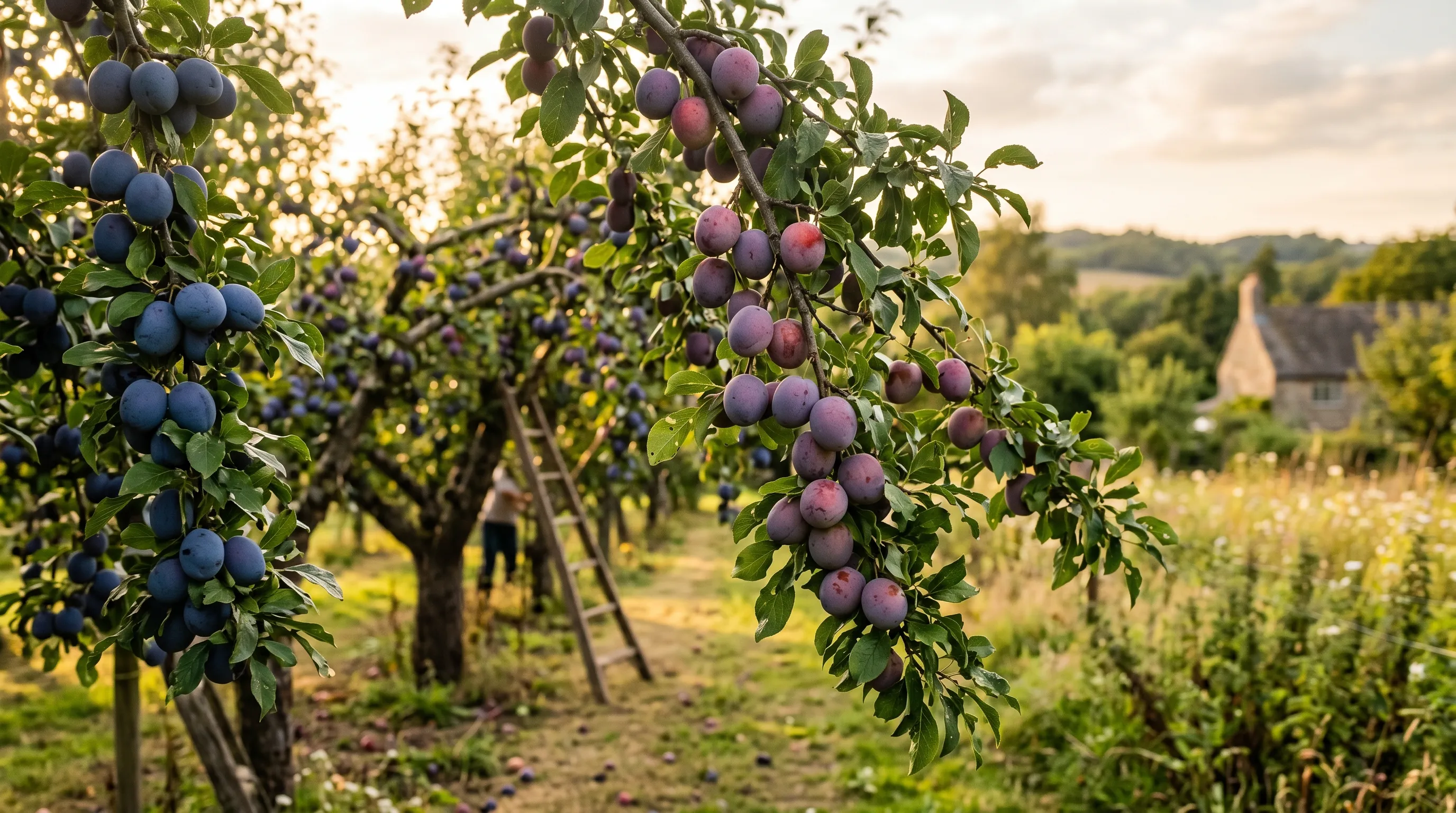
| Plums | Victoria plums ripen from mid-August. Pick when they part easily from the spur. |
Gardener’s tip: Gluts are inevitable in August. Freeze runner beans (blanch for 2 minutes first), make courgette pickle, batch-cook tomato sauce, and dry herbs. A chest freezer full of August produce feeds you through winter. The BBC Good Food preserving guides cover every method.
Common mistakes with August gardening
Neglecting watering during holiday season
August is the month when many gardeners go on holiday. Two weeks without water in a hot August kills seedlings, container plants, and newly planted shrubs. Ask a neighbour to water. Group containers together before you leave so they shade each other and reduce moisture loss. Move pots into light shade. Set up a simple drip irrigation system with a timer for the vegetable plot.
Stopping sowing too early
Many gardeners assume the sowing season ends in July. In reality, a dozen or more crops can still be sown in August. Spring cabbage, winter lettuce, lamb’s lettuce, chard, and spinach all grow well from August sowings. Quick crops like rocket produce harvestable leaves in just 4 weeks. Do not waste the remaining warmth in the soil.
Forgetting to order spring bulbs
The best spring-flowering bulb varieties sell out by early September. If you wait until October, the choice is limited to whatever is left. Order in August from specialist suppliers. The bulbs will store perfectly until planting time in October and November.
Letting runner beans get too large
Runner beans left on the plant for a few days too long become tough and stringy. Pick every other day when pods are 15-18cm long. Once a runner bean plant produces mature, seedy pods, it stops flowering. Regular picking extends the harvest by 4-6 weeks.
Ignoring pest damage on brassicas
Cabbage white butterflies lay eggs on the undersides of brassica leaves throughout August. Check every few days and squash any clusters of yellow eggs. Green caterpillars can strip a plant to a skeleton in a week. The simplest prevention is fine mesh netting secured firmly at ground level.
August planting calendar
| Week | Sow outdoors | Plant | Jobs | Harvest |
|---|---|---|---|---|
| Week 1 | Spring cabbage, pak choi, winter lettuce | Autumn crocus bulbs | Summer prune trained fruit, take cuttings | Tomatoes, beans, courgettes, beetroot |
| Week 2 | Lamb’s lettuce, winter radish, turnips | Strawberry runners | Net autumn raspberries, deadhead roses | Cucumbers, sweetcorn, onions, plums |
| Week 3 | Chard, spinach, rocket, spring onions | Potted shrubs (water well) | Order spring bulbs, collect annual seeds | Carrots, potatoes, blackberries |
| Week 4 | Last lettuce, radish | Pot up pelargonium cuttings | Prepare lawn areas, plan autumn tasks | Apples (early), autumn raspberries |
Now you’ve mastered August gardening, read our guide on autumn gardening jobs for the next step as the season begins to turn.
Frequently asked questions
What vegetables can I sow in August UK?
Around 15 vegetables can start in August. Sow spring cabbage, pak choi, winter lettuce, lamb’s lettuce, winter radish, turnips, chard, spinach, rocket, and spring onions directly outdoors. Most August sowings produce autumn and winter harvests rather than summer ones. This is the last month for starting many overwintering vegetable crops.
Is it too late to plant anything in August?
August is not too late for many crops. Quick-growing salads like rocket, lettuce, and radish still produce harvests before the first frost. Spring cabbage sown in early August overwinters for March and April picking. Autumn crocus bulbs planted now flower in 4-6 weeks. It is too late for slow-growing warm-season crops like tomatoes, peppers, and courgettes.
What flowers should I plant in August?
Plant autumn crocus and colchicum bulbs directly into borders or grass for flowers within weeks. Order spring-flowering bulbs like tulips, daffodils, and alliums for September and October planting. Take cuttings of pelargoniums and fuchsias to overwinter on a windowsill. Collect seed from hardy annuals like calendula, nigella, and poppies for sowing next spring.
Can I sow lettuce in August?
Yes, sow winter lettuce varieties in August for autumn and early winter harvests. Choose cold-tolerant types like Winter Gem, Arctic King, and Valdor. Sow outdoors in a sheltered, sunny spot and cover with cloches from October. Standard summer lettuce varieties will not survive the cold, so selecting the right variety matters.
What should I harvest in August?
August is the peak harvest month in UK gardens. Pick tomatoes, French beans, runner beans, courgettes, cucumbers, beetroot, carrots, onions, potatoes, sweetcorn, lettuce, and herbs. Soft fruit including blackberries, autumn raspberries, and late blueberries ripen now. Early apple varieties like Discovery are ready from late August. Harvest every 2-3 days for maximum production.
How do I take semi-ripe cuttings in August?
Cut 10-15cm shoots of this year’s growth that have firmed at the base but remain soft at the tip. Trim just below a leaf node and remove the lower leaves. Dip the cut end in hormone rooting powder. Insert into pots of gritty, free-draining compost. Cover with a clear polythene bag and place in a shaded cold frame. Most cuttings root in 6-10 weeks.
Should I feed my lawn in August?
Do not feed lawns during drought conditions. Granular fertiliser sitting on dry grass scorches the roots and causes brown burn marks that take weeks to recover. Wait until steady rain returns in September, then apply an autumn lawn feed with a high potassium content. If you plan to sow a new lawn, prepare the ground in late August ready for sowing in mid-September.
Lawrie has been gardening in the West Midlands for over 30 years. He grows his own veg using no-dig methods, keeps a wildlife-friendly garden, and writes practical advice based on real UK growing conditions.