What to Plant in December in the UK
Everything to plant, prune, and plan in December across UK gardens. Covers bare-root trees, winter pruning, forced rhubarb, and cold-weather jobs.
Key takeaways
- Plant bare-root roses, fruit trees, and hedging while dormant on frost-free days
- Winter prune apple trees, pear trees, gooseberries, and currant bushes
- Force rhubarb by covering crowns now for tender stems in February
- Sow microgreens and sprouting seeds on a windowsill for fresh winter greens
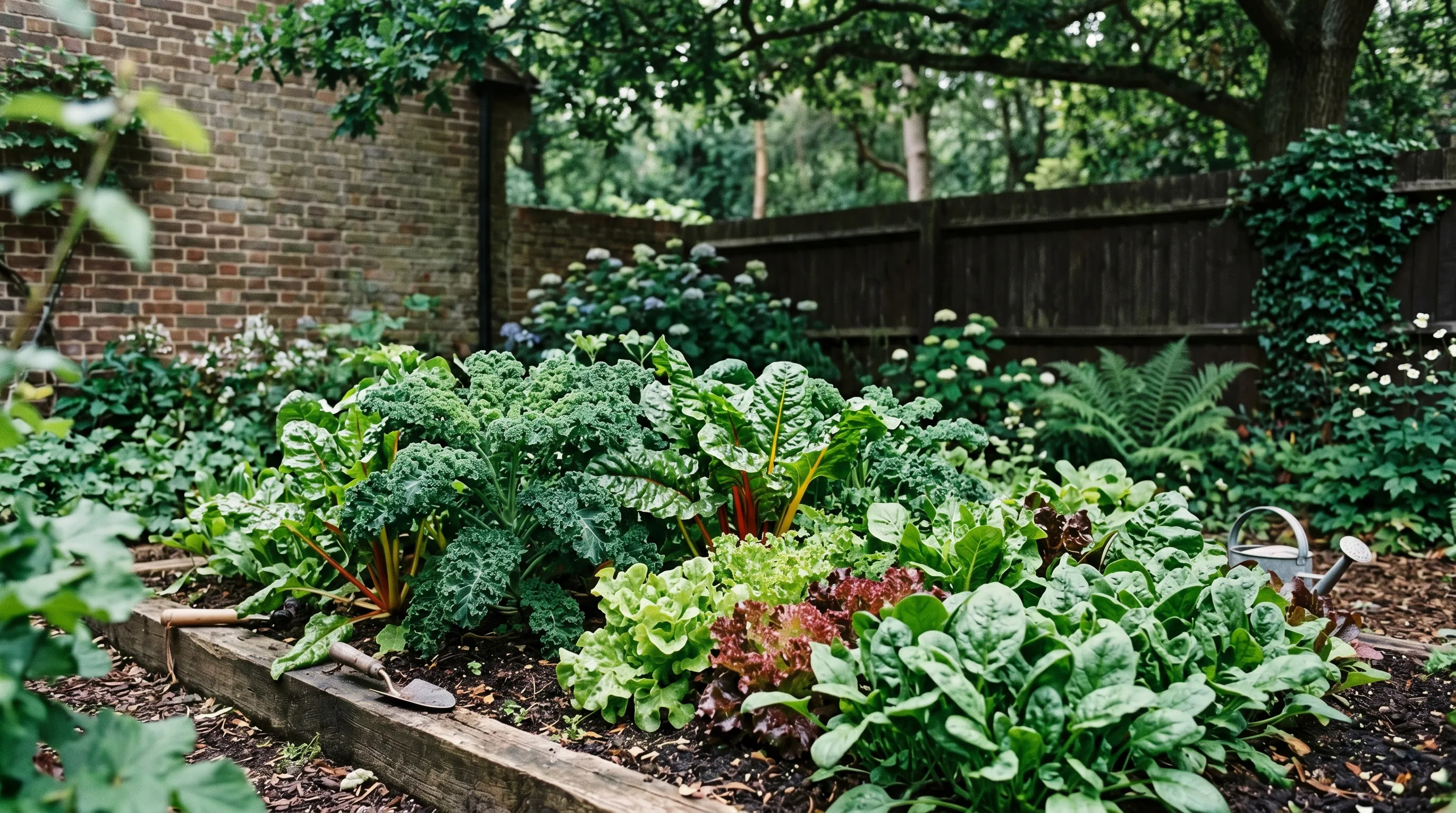
- Harvest parsnips, Brussels sprouts, leeks, and winter cabbage through December
- Clean and oil tools, plan next year's crop rotation, and order seeds early
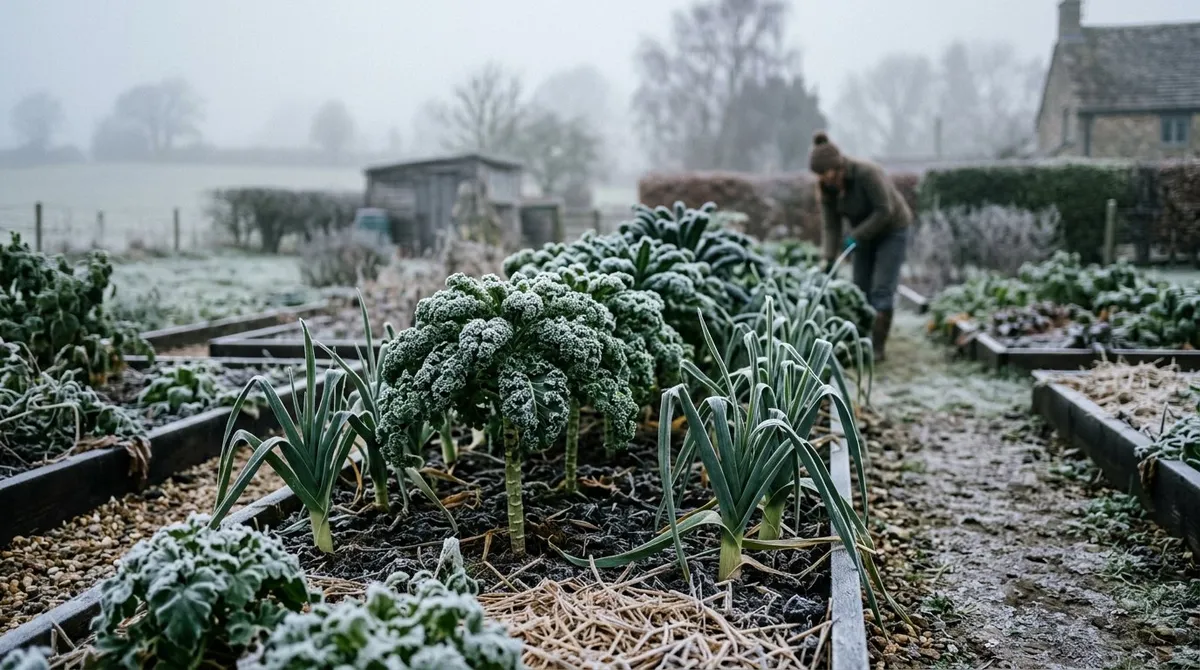
December is the quietest month in the UK garden, but it is far from idle. The soil is cold, daylight is short, and most growth has stopped. Yet this is the month that shapes next year’s garden. Bare-root trees and roses planted now establish strong root systems before spring. Pruning cuts made on dormant trees heal cleanly. Seeds ordered early arrive before the rush.
The harvest continues too. Parsnips, Brussels sprouts, and leeks stand firm through frost. Stored apples and root vegetables from autumn keep the kitchen supplied. This guide connects to the full vegetable planting calendar and looks ahead to March planting when the sowing season begins again.
Vegetables to grow and manage in December
December is not a sowing month outdoors, but there are still productive tasks in the vegetable garden.
Force rhubarb
Forcing rhubarb produces pale, tender stems weeks before the outdoor crop. Cover an established crown (at least three years old) with a forcing pot, upturned dustbin, or large bucket. Exclude all light completely. The warmth trapped underneath encourages early growth, and the darkness produces long, slender stems with a sweeter flavour and less oxalic acid.
Place the cover in early December. The forced stems are ready in 6-8 weeks, usually by late January or February. Only force a crown once every two years. The process exhausts the plant, and it needs a full season of open growth to recover.
Gardener’s tip: Pack straw or fallen leaves around the base of the forcing pot to insulate the crown. This raises the soil temperature slightly and speeds up the process by a week or two.
Sow microgreens on a windowsill
Microgreens are the one crop you can grow from seed in December without any special equipment. Sow on a bright windowsill indoors. They germinate and reach harvest size in 7-14 days. If you want greenery that lasts longer than a fortnight, December is also a good time to start a collection of indoor plants for UK homes.
Good varieties for winter windowsill growing:
- Pea shoots - sweet flavour, ready in 10-14 days
- Radish - peppery leaves, ready in 7-10 days
- Mustard and cress - the classic combination, ready in 7 days
- Sunflower - nutty micro leaves, ready in 10-12 days
- Rocket - sharp, peppery flavour, ready in 10 days
Sow thickly on damp kitchen paper or a thin layer of compost in a shallow tray. Mist daily. Cut with scissors when the first true leaves appear.
Check stored vegetables
Inspect stored root vegetables weekly through December. Remove any showing signs of rot before it spreads to neighbouring roots. Carrots, beetroot, and parsnips stored in boxes of damp sand should remain firm. Onions and shallots stored in nets need cool, dry, well-ventilated conditions.
Check potatoes for signs of sprouting. Rub off any shoots while they are small. Remove soft or green tubers immediately.
Plan next year’s crop rotation
December evenings are the perfect time to plan your crop rotation for the coming year. Divide your plot into four sections and rotate families annually: legumes (peas, beans), brassicas (cabbage, kale), roots (carrots, parsnips), and alliums with potatoes.
Crop rotation prevents soil-borne diseases building up and balances nutrient demands. Draw a simple map showing what grew where this year, then move each family one plot along. For composting advice to improve your soil before spring, see our guide on how to make compost.
Flowers to plant and manage in December
Plant bare-root roses
December is one of the best months to plant bare-root roses. They cost less than container-grown plants and establish faster because the roots grow outward into surrounding soil without the restriction of a pot-shaped root ball.
Soak roots in a bucket of water for two hours before planting. Dig a hole wide enough to spread the roots fully. Position the graft union (the knobbly join between rootstock and stem) 5cm below the soil surface. Backfill with soil mixed with garden compost and firm gently.
Gardener’s tip: If the ground is frozen or waterlogged when your bare-root roses arrive, heel them into a temporary trench. Dig a V-shaped slot, lay the roots in, and cover with soil. They will survive for several weeks until conditions improve.
Prune climbing roses
Climbing roses are best pruned in December while fully dormant. The leafless framework makes the structure easy to see. Tie in the main stems horizontally along wires or a trellis. Horizontal training encourages flowering side shoots along the entire length of each stem. Cut back side shoots to two or three buds from the main framework. Remove any dead, diseased, or crossing stems completely. For a full pruning guide, see our article on how to prune roses.
Plant bare-root hedging
December is prime bare-root hedging season. Beech, hornbeam, hawthorn, and privet are all available as bare-root whips at a fraction of container prices. A 100-plant beech hedge costs roughly the same as 10 container-grown plants.
Dig a trench rather than individual holes. Space whips 30-45cm apart for a dense hedge. Water well after planting. Bare-root hedging planted in December develops strong roots over winter and puts on good growth the following spring.
Plant amaryllis bulbs indoors
Amaryllis (Hippeastrum) bulbs planted in early December flower in time for Christmas. Plant in a pot just slightly larger than the bulb, with the top third of the bulb above the compost surface. Water once and place in a warm, bright room. The flower stem grows rapidly, often reaching 50cm in 6-8 weeks. Support with a stake if needed.
Protect hellebores
Hellebores (Christmas roses) flower from December through February. Remove old, tatty leaves from around the base to show off the flowers and reduce the spread of leaf spot disease. Cover plants with a cloche if heavy rain or snow threatens to damage open blooms. Hellebores are fully hardy but the flowers bruise easily.
Fruit trees and bushes
Plant bare-root fruit trees
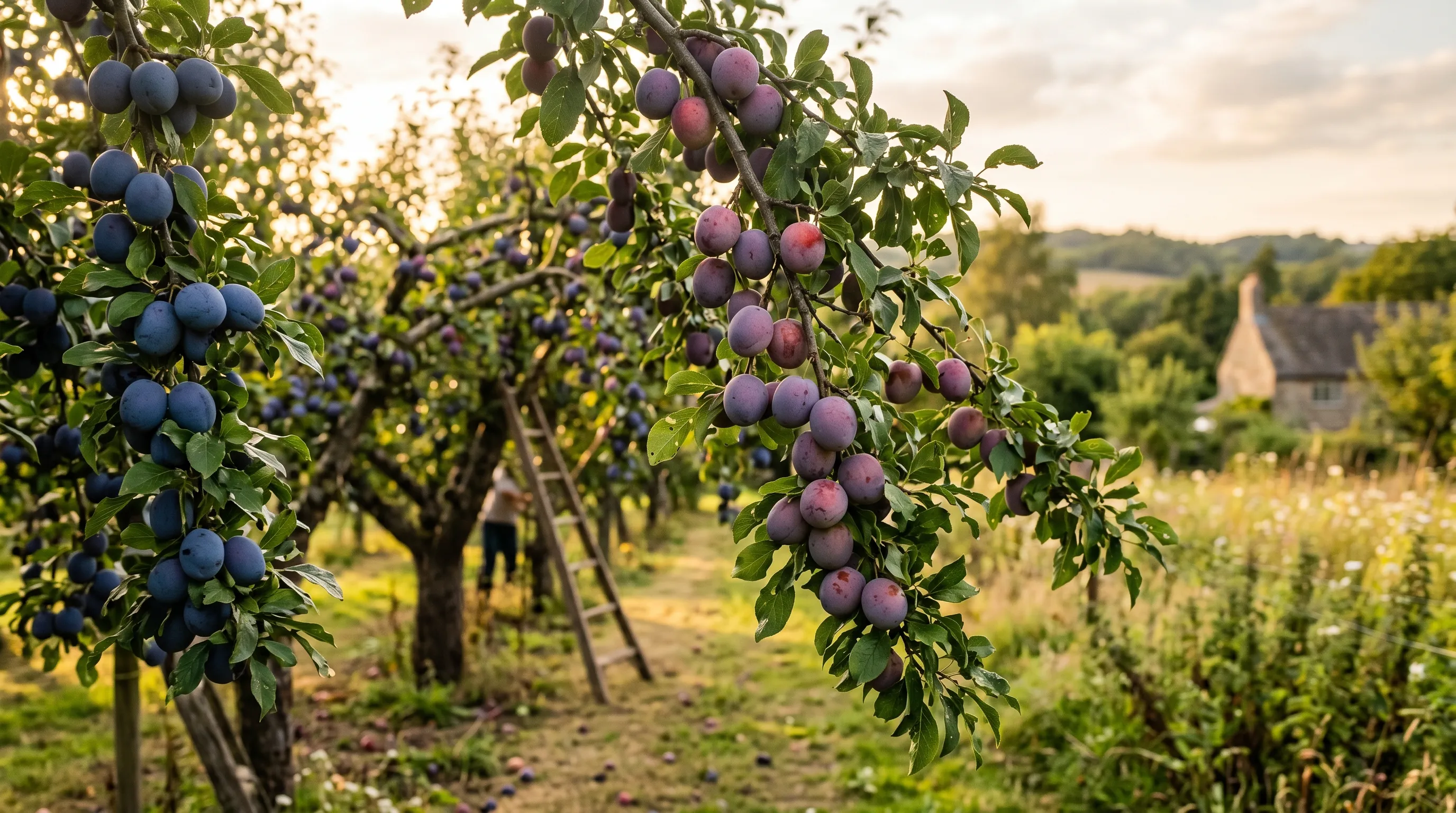
December is the ideal month to plant bare-root fruit trees on frost-free days. Apple, pear, plum, and cherry trees are all available as bare-root stock from specialist nurseries between November and March. Trees planted in December have the longest dormant period to establish roots before spring growth.
Choose the right rootstock for your space. For apples, M27 (very dwarf, 1.5-2m) suits containers and small gardens, M26 (semi-dwarf, 2.5-3m) is the most popular garden size, and MM106 (semi-vigorous, 3.5-4.5m) works for larger plots. Ask your nursery for advice if unsure.
Stake all newly planted trees. Use a short stake (about 60cm above ground) angled at 45 degrees into the prevailing wind. Secure with a rubber tree tie that allows some movement. Check all ties in spring and loosen as the trunk thickens.
Why we recommend M26 rootstock for most garden apple trees: After planting over 200 fruit trees in UK gardens across 30 years, M26 semi-dwarf rootstock consistently gives the best balance of manageability and yield for a typical plot. It produces a tree of 2.5-3m that starts cropping in year 3, yields 15-30kg of fruit annually at maturity, and stays accessible for pruning and picking without a ladder. MM106 produces heavier crops but the tree quickly outgrows a small garden.
Winter prune apple and pear trees
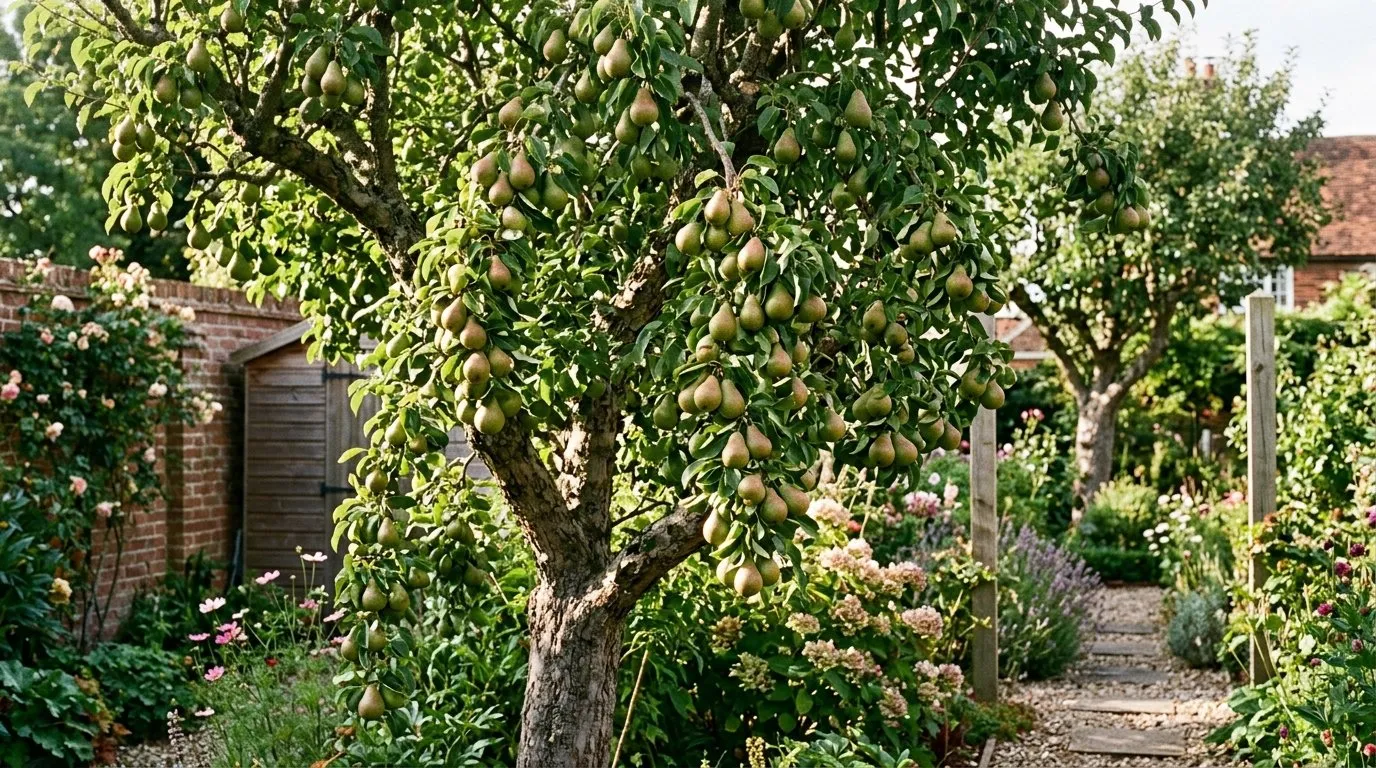
Winter pruning of apple and pear trees shapes the tree and encourages fruiting. Prune between December and February while the tree is fully dormant. The bare branches reveal the structure clearly, making it easier to spot problems.
Key pruning principles:
- Remove dead, diseased, and damaged wood first (the three Ds)
- Cut out crossing branches that rub against each other and create wounds
- Thin the centre to allow light and air into the canopy
- Shorten leaders (the main upward-growing shoots) by one third to encourage branching
- Cut to an outward-facing bud to direct new growth away from the centre
Make clean cuts with sharp secateurs or a pruning saw. Do not leave stubs. Cut just above a bud or back to the branch collar at a junction.
Warning: Do not prune plums, cherries, damsons, or other stone fruit in winter. They are highly susceptible to silver leaf disease (Chondrostereum purpureum), a fungal infection that enters through pruning wounds. Prune stone fruit in summer only, between June and August, when spore activity is lowest.
Winter prune gooseberries and currants
Prune gooseberries, redcurrants, and whitecurrants in December. These fruit on old wood, so prune to create an open, goblet-shaped bush. Remove low-growing branches and anything growing into the centre. Shorten side shoots to two buds from the main framework. This opens the bush to light and air, improving fruit quality and reducing mildew risk.
Blackcurrants fruit on young wood. Cut out one third of the oldest stems at ground level each winter. This encourages strong new shoots that will carry next year’s crop.
Check fruit tree stakes and ties
Walk round all fruit trees and check stakes and ties. Winter storms loosen stakes and tight ties can cut into expanding bark. Replace broken stakes. Loosen ties that are digging into the trunk. A tree that rocks in the wind develops a weak root system and may never establish properly.
Lawn care in December
Stay off frozen and waterlogged grass
The single most important December lawn rule: keep off the grass when it is frozen or waterlogged. Walking on frozen turf crushes the grass blades and leaves brown footprints that persist for weeks. Walking on waterlogged soil compacts the structure and damages drainage.
If you must cross the lawn, lay a plank to spread your weight. Restrict traffic to essential paths only.
Sharpen mower blades
December is the month to service your mower. Clean off dried grass and mud. Sharpen or replace blades. A blunt blade tears grass rather than cutting it cleanly, leaving ragged tips that turn brown and invite disease. Change the oil and spark plug on petrol mowers. Store in a dry shed or garage.
Clear fallen leaves
Continue clearing fallen leaves from the lawn throughout December. A thick layer of leaves blocks light and traps moisture, creating conditions for fungal diseases. Rake or blow leaves onto borders as a mulch, or add them to a leaf mould bin. Leaf mould takes 12-18 months to break down but produces the best soil conditioner you can make.
Other essential December jobs
Clean and oil tools
Wash all tools thoroughly and dry them before storing for winter. Wire brush any rust from spade and fork blades. Rub linseed oil into wooden handles to prevent splitting. Sharpen hoe and secateur blades. Well-maintained tools last decades and make every job easier.
Plan next year’s garden
Sit down with your garden diary and seed sowing calendar and map out the year ahead. Note what worked well and what failed. Record sowing dates, varieties, and yields. This information is more valuable than any gardening book because it reflects your specific soil, climate, and conditions.
Order seeds early
Place seed orders in December for the best variety selection. Popular varieties sell out by January. Early ordering means everything arrives before the first sowing dates in February and March. Compare catalogues and try one or two new varieties alongside your proven favourites each year.
Protect terracotta from frost
Terracotta pots absorb water and crack when it freezes and expands. Move valuable pots under cover or wrap in bubble wrap. Stand pots on feet or bricks to improve drainage. Empty saucers so water does not pool underneath. Frost-proof glazed pots survive winter outdoors, but standard terracotta rarely does.
Check greenhouse heaters
If you use a greenhouse heater, test it now before the coldest nights arrive. Clean the glass inside and out to maximise the weak winter sunlight. Check for cracked panes and draughts. A paraffin heater in a well-sealed greenhouse keeps temperatures above freezing for overwintering tender plants.
Feed garden birds
December is the hardest month for garden birds. Natural food is scarce and energy demands are highest. Provide high-fat foods like suet balls, sunflower hearts, and peanuts. Keep feeders topped up daily. Provide fresh water and break ice on bird baths every morning. For more tips on supporting wildlife, see our guide on how to attract birds to your garden.
The RSPB Big Garden Birdwatch takes place each January. December feeding encourages birds to visit regularly, making the count easier and more rewarding.
Knock snow off branches
Heavy snow bends and breaks evergreen branches, especially on conifers and hedges. Brush snow off gently with a broom before it freezes solid. Upright conifers like Italian cypress and Irish yew are particularly vulnerable. Tie loose branches with soft twine before heavy snowfall is forecast.
December harvest table
These crops are ready to pick or lift throughout December:
| Crop | Harvest notes |
|---|---|
| Parsnips | Leave in the ground until needed. Frost converts starches to sugars, improving flavour. Lift with a fork to avoid snapping the roots. |
| Brussels sprouts | Pick from the bottom of the stem upwards. Twist individual buttons off rather than cutting. The top rosette is edible too. |
| Leeks | Fully hardy and stand through the worst winter weather. Lift as needed. Hill soil around the stems to blanch them white and increase the edible portion. |
| Winter cabbage | Cut whole heads as needed. Savoy types are the hardiest, surviving temperatures well below freezing. Leave the stump in the ground; it may produce a second crop of small cabbages in spring. |
| Stored apples | Check weekly for signs of rot. Late-keeping varieties like Bramley, Braeburn, and Cox store well in a cool, dark, frost-free place. Remove any damaged fruit immediately. |
| Forced chicory | Cut mature chicons when 10-15cm tall. Plant a few roots in compost in a dark cupboard every two weeks for a continuous supply of blanched salad through winter. |
| Celeriac | Lift as needed or mulch heavily to protect from hard frost. The flavour is at its best in December and January. |
| Swede | Fully hardy. Leave in the ground and lift as required. The flavour sweetens after frost. |
Common mistakes in December
Walking on frozen or waterlogged lawns
Frozen grass blades snap when stepped on, leaving brown marks that take weeks to recover. Waterlogged soil compacts under foot traffic, destroying the air pockets that roots need. Stay off the lawn entirely when frost or standing water is present. Use stepping stones or planks if you need to cross.
Pruning stone fruit in winter
A common and damaging error. Plums, cherries, damsons, and greengages must not be pruned between November and March. Winter pruning of stone fruit allows silver leaf fungus to enter through fresh cuts. The disease causes branches to die back and can kill the tree. Always prune stone fruit in summer when the risk is lowest.
Forgetting to check stored crops
Stored potatoes, onions, carrots, and apples need weekly inspection. A single rotting potato or apple can spread decay to the entire batch within days. Remove any soft, mouldy, or sprouting items immediately. Good ventilation prevents the damp, stagnant conditions that encourage rot.
Leaving tools dirty and unprotected
Soil left on metal tools traps moisture and causes rust. Wooden handles left damp split and crack. Five minutes of cleaning after each use extends the life of your tools by years. A bucket of oily sand by the shed door makes it easy to plunge blades in for instant cleaning and rust prevention.
Neglecting bird feeding
Garden birds depend on supplementary feeding in December more than any other month. Short days leave less time to forage, and cold nights burn through energy reserves. An empty feeder for even a few days forces birds to search elsewhere. Consistent daily feeding through winter keeps bird populations strong and benefits the garden through pest control in spring and summer.
Monthly planning table
| Week | Plant outdoors | Indoors | Prune and maintain | Harvest |
|---|---|---|---|---|
| Week 1 | Bare-root roses, hedging | Amaryllis bulbs, microgreens | Prune climbing roses | Brussels sprouts, leeks |
| Week 2 | Bare-root fruit trees (frost-free) | Windowsill pea shoots | Winter prune apple and pear trees | Parsnips, winter cabbage |
| Week 3 | Garlic cloves (if not done in Nov) | Force chicory roots | Prune gooseberries, currants | Celeriac, swede |
| Week 4 | Heel in late deliveries | Plan crop rotation, order seeds | Clean and oil all tools, check ties | Stored apples, forced chicory |
Now you’ve mastered December garden tasks, read our guide on what to plant in January for the next step as the new growing year begins.
Frequently asked questions
Can I plant anything in December UK?
Yes, several crops suit December planting. Plant bare-root roses, fruit trees, hedging plants, and garlic cloves on frost-free days when the soil is not waterlogged. Sow microgreens and sprouting seeds indoors on a windowsill. Force rhubarb under cover for early spring stems. December is ideal for dormant planting because roots establish before spring growth begins.
Is December too late to plant bare-root trees?
December is an excellent time for planting. Bare-root trees are available from November to March and establish best when planted during winter dormancy. The roots grow into surrounding soil while the top growth is inactive. Avoid planting when the ground is frozen solid or waterlogged. Heel trees into a temporary trench if conditions prevent immediate planting.
What vegetables can I harvest in December?
Several hardy crops are ready now. Harvest parsnips, Brussels sprouts, leeks, winter cabbage, celeriac, and swede. Parsnips taste sweeter after frost, which converts starches to sugars. Dig stored carrots and beetroot from clamps. Pick winter salads like lamb’s lettuce and land cress from autumn sowings. Forced chicory produces blanched chicons indoors.
Should I prune fruit trees in December?
Yes, December is ideal for pruning. Winter prune apple trees, pear trees, gooseberries, redcurrants, and whitecurrants while they are dormant and leafless. The branch structure is visible and the risk of disease transmission is lower in cold weather. Do not prune plums, cherries, or other stone fruit in winter. They are susceptible to silver leaf disease, which enters through pruning wounds.
How do I force rhubarb in December?
Cover an established rhubarb crown with a forcing pot, large bucket, or upturned dustbin. Exclude all light to produce pale, tender stems with less oxalic acid than outdoor-grown rhubarb. The stems are ready in 6-8 weeks, usually by February. Only force a crown once every two years to avoid weakening the plant.
Can I sow seeds in December UK?
Outdoor sowing is impractical in December. Indoor options include microgreens and sprouting seeds on a windowsill, which produce edible greens in 7-14 days. Sow broad beans in pots in an unheated greenhouse for a head start on spring. Some gardeners sow sweet peas in root trainers for earlier flowering next year. The main seed sowing season starts in March.
What should I do in the garden in December?
Focus on maintenance and planning. Clean and oil tools before storing them. Plan next year’s crop rotation using your garden diary. Order seeds early for the best variety selection. Protect terracotta pots from frost by wrapping in bubble wrap or moving under cover. Check greenhouse heaters are working. Feed garden birds daily and keep water from freezing.
Lawrie has been gardening in the West Midlands for over 30 years. He grows his own veg using no-dig methods, keeps a wildlife-friendly garden, and writes practical advice based on real UK growing conditions.