What to Plant in February in the UK
What to sow, plant, and prune in February across UK gardens. Covers indoor sowings, outdoor crops, potato chitting, bare-root planting, and pruning tasks.
Key takeaways
- Sow tomatoes and peppers indoors from late February at 18-21C in southern England
- Start chitting seed potatoes in egg boxes 2-3 weeks before March planting
- Sow broad beans outdoors under cloches using Aquadulce Claudia or The Sutton
- February is the last month for bare-root fruit trees, roses, and hedging
- Prune wisteria, late-flowering clematis, and gooseberries before growth starts
- Plant snowdrops in the green while they are still in leaf for best results
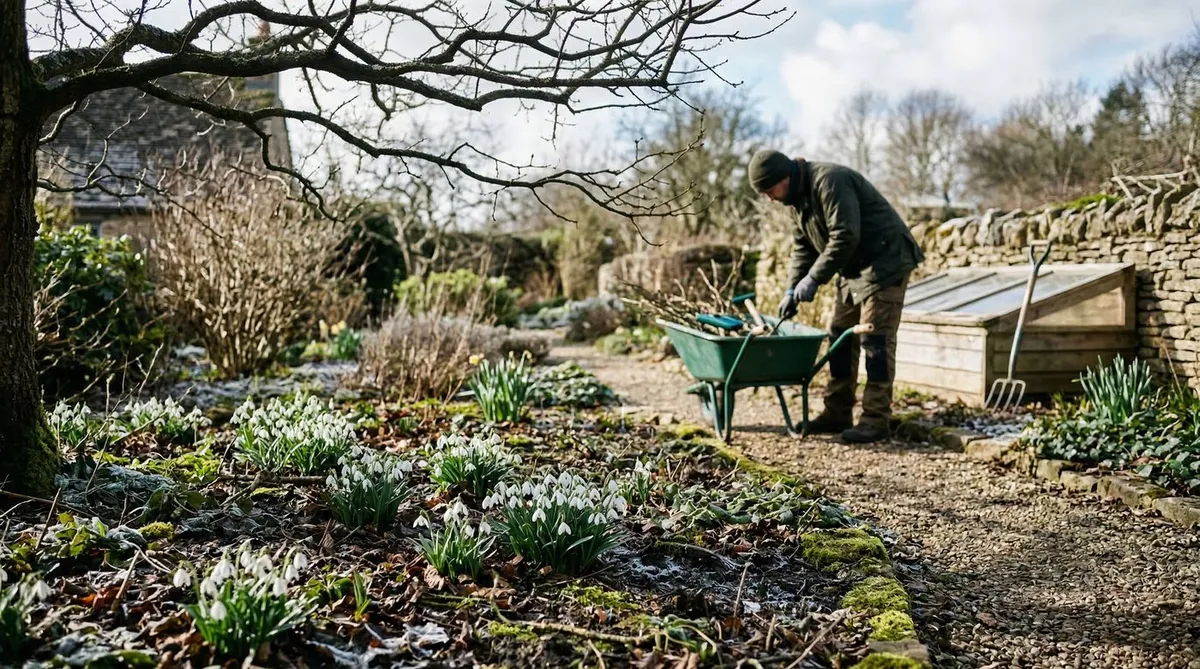
February is the bridge between winter stillness and the rush of spring. Days are lengthening by two minutes each day. Soil temperatures start to creep upward in sheltered spots, and the earliest signs of growth appear in gardens across the south. There is more to do now than in January. The work you put in this month sets up a strong start when March arrives. The RHS February jobs page is a useful companion reference for tasks beyond sowing.
This guide covers every vegetable, flower, fruit, and pruning job for February. It is organised by growing method: indoor sowings, outdoor sowings, and planting out. All timings are based on UK conditions, with notes for regional variation. For a full year-round overview, see our seed sowing calendar. For more growing advice, browse our growing guides.
Indoor sowings for February
February daylight is increasing, which makes indoor sowings more viable than in January. A heated propagator or warm south-facing windowsill is essential for tender crops started this early.
Tomatoes, peppers, and chillies
Sow tomatoes from late February if you are in southern England and have a heated propagator. Set the temperature to 18-21C. Seeds germinate in 7-14 days. Peppers and chillies need the same warmth but are slower: 14-21 days for germination. In northern areas, wait until early March.
Sow two seeds per 7cm pot, 1cm deep. Remove the weaker seedling once both emerge. Keep on a bright windowsill or under grow lights. These crops need 6-8 weeks of indoor growing before planting out after the last frost in late May.
Aubergines
Aubergines need the longest growing season of any UK vegetable crop. Sow in late February at 21-25C for the best results. They are slower to establish than tomatoes and benefit from every extra week of warmth. Use a heated propagator and keep seedlings in the warmest spot available.
Onions, leeks, and celery
Sow onions from seed in late February for large bulbs by August. Sow thinly in modules at 10-15C. Leeks can also start now in the same way. Celery is slow to germinate and needs surface sowing at 15-18C. Do not cover celery seed. It requires light to germinate and takes 14-21 days to appear.
Early lettuce and cabbage
Sow lettuce varieties like Winter Density and All the Year Round indoors from mid-February. They germinate at lower temperatures than most indoor crops, around 10-15C. Summer cabbages such as Hispi and Golden Acre can start indoors now for planting out under cloches in April.
Gardener’s tip: February light levels are still low. Place seed trays as close to the glass as possible on a south-facing windowsill. Turn trays daily to prevent seedlings leaning toward the light.
Outdoor sowings for February
Outdoor sowing in February is limited to the hardiest crops. Soil must be workable, not frozen or waterlogged. Use cloches or fleece to warm the soil for a week before sowing.
Broad beans
Broad beans are the standout outdoor sowing for February. Varieties like Aquadulce Claudia and The Sutton are bred for cold conditions and tolerate temperatures down to -5C once established. Sow 5cm deep, 20cm apart, in double rows 25cm apart.
Cover with cloches in exposed areas. February-sown broad beans crop 2-3 weeks earlier than March sowings, giving you harvests from mid-June. They fix nitrogen in the soil through their root nodules, improving fertility for follow-on crops.
Why we recommend Aquadulce Claudia for February broad bean sowings: After 30 seasons of trialling broad bean varieties in cold UK conditions, Aquadulce Claudia consistently outperforms all alternatives for winter and early spring sowing. It tolerates temperatures down to -5C once established, stands up well to February wind without staking, and produces full pods 2-3 weeks earlier than March-sown crops. That early June harvest makes a significant difference when the rest of the vegetable garden is still weeks from producing.
Parsnips
Sow parsnips from late February in mild areas where soil is workable. Fresh seed is essential. Parsnip seed loses viability after 12 months, so always buy new stock. Varieties like Tender and True and Gladiator are reliable performers.
Sow 2cm deep in rows 30cm apart. Germination is slow, taking 14-28 days even in good conditions. Mark the rows clearly. Radish makes a good row marker alongside parsnips. It germinates in 5-7 days and is harvested before parsnips need the space.
Peas
Round-seeded pea varieties like Meteor and Feltham First tolerate colder soil than wrinkle-seeded types. Sow under cloches from mid-February in sheltered southern gardens. Sow 5cm deep in a flat-bottomed trench, spacing seeds 5cm apart. Push in pea sticks or netting immediately after sowing.
Garlic
If you did not plant garlic in autumn, February is your last realistic chance. Plant individual cloves 15cm apart, 5cm deep, with the pointed end upward. Autumn-planted garlic produces larger bulbs, but February planting still gives a worthwhile harvest by July.
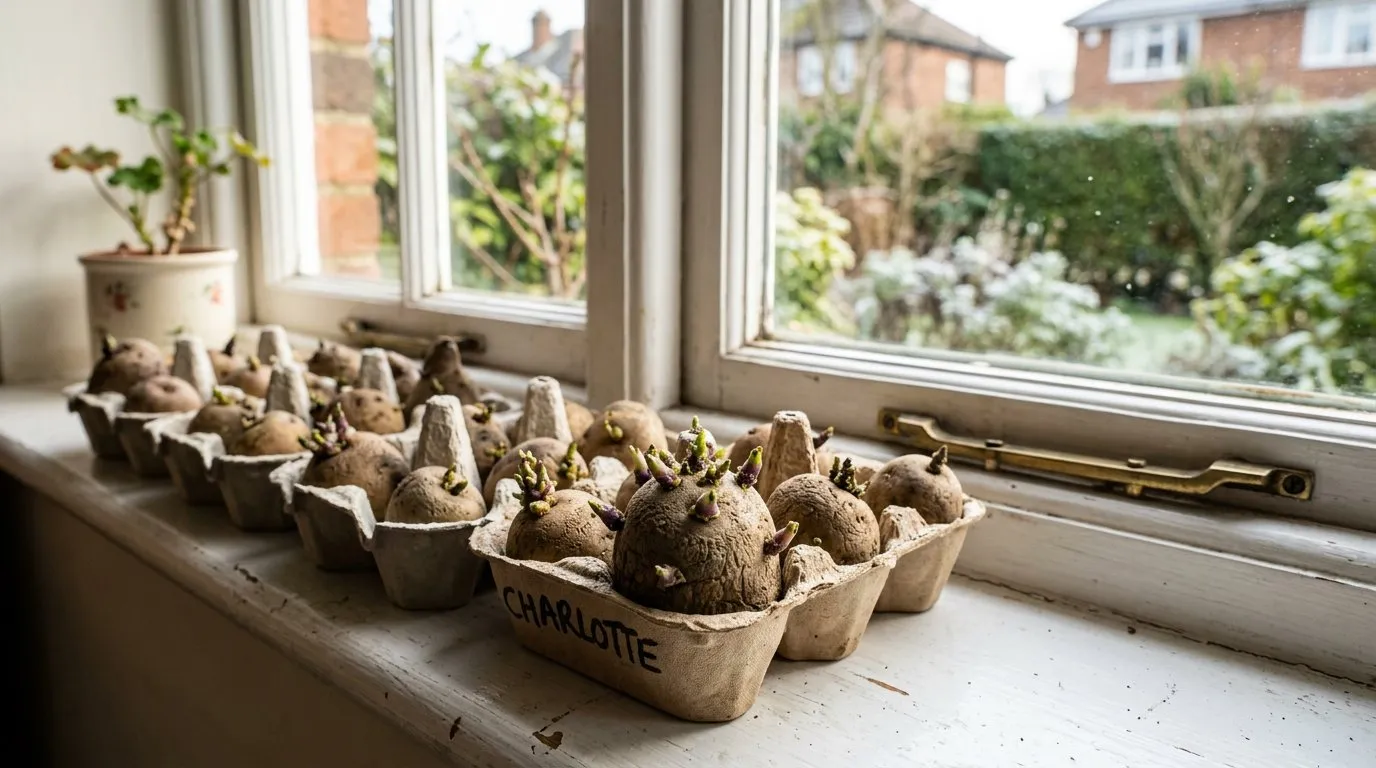 Seed potatoes chitting in egg boxes on a bright windowsill. Start this process in early February for March planting.
Potatoes: start chitting
February is the month to buy seed potatoes and begin chitting. This simple process gives tubers a head start before they go into the ground in March or April.
How to chit
Stand seed potatoes in egg boxes or shallow trays with the end that has the most eyes pointing upward. Place them in a cool, bright room at around 10C. A spare bedroom, porch, or unheated conservatory works well. Avoid dark cupboards. Shoots grown in darkness are pale, spindly, and break off during planting.
After 2-3 weeks, each tuber should have sturdy green or purple shoots 2-3cm long. These are ready for planting once the soil is workable and temperatures are right, usually from mid-March in the south.
Varieties to look for
First earlies are the fastest to harvest, taking 10-12 weeks from planting:
| Variety | Skin | Flesh | Weeks to harvest | Best for |
|---|---|---|---|---|
| Swift | White | White | 10 | Earliest crops |
| Rocket | White | White | 10-12 | Boiling, salads |
| Lady Christl | Yellow | Yellow | 10-12 | Salads, new potatoes |
Second earlies take 13-16 weeks and store better:
| Variety | Skin | Flesh | Weeks to harvest | Best for |
|---|---|---|---|---|
| Charlotte | Yellow | Yellow | 13-15 | Salads, boiling |
| Kestrel | White/purple | White | 14-16 | All-rounders |
For more detail on planting and growing, see our full guide on growing potatoes.
Flowers to sow and plant in February
February flower work combines indoor sowing of slow-growing species with outdoor planting of bulbs and bare-root stock.
Sweet peas
Sow sweet peas indoors in root trainers or deep pots from early February. Sow 2cm deep, one seed per cell, at 12-15C. Sweet peas germinate in 7-10 days. Pinch out the growing tip when seedlings reach 10cm tall to encourage bushy, multi-stemmed plants. Harden off and plant out in April.
Begonias, pelargoniums, and lobelia
These slow-growing flowers need an early start to flower by summer. Sow begonias and lobelia on the surface of damp compost at 18-21C. Do not cover the seed. It is tiny and needs light to germinate. Pelargoniums are larger-seeded and go 5mm deep at 18-20C.
Snowdrops in the green
Plant snowdrops while they are still in leaf, straight after flowering. This is called planting “in the green” and gives far better results than planting dry bulbs in autumn. Lift and divide established clumps into groups of 3-5 bulbs. Plant 10cm deep in dappled shade under deciduous trees.
Hellebores and winter jasmine
Hellebores are at their peak in February. Deadhead spent flowers to prevent self-seeding of inferior seedlings. Winter jasmine finishes flowering this month. Prune immediately after the last blooms by cutting back flowered shoots to a strong pair of buds.
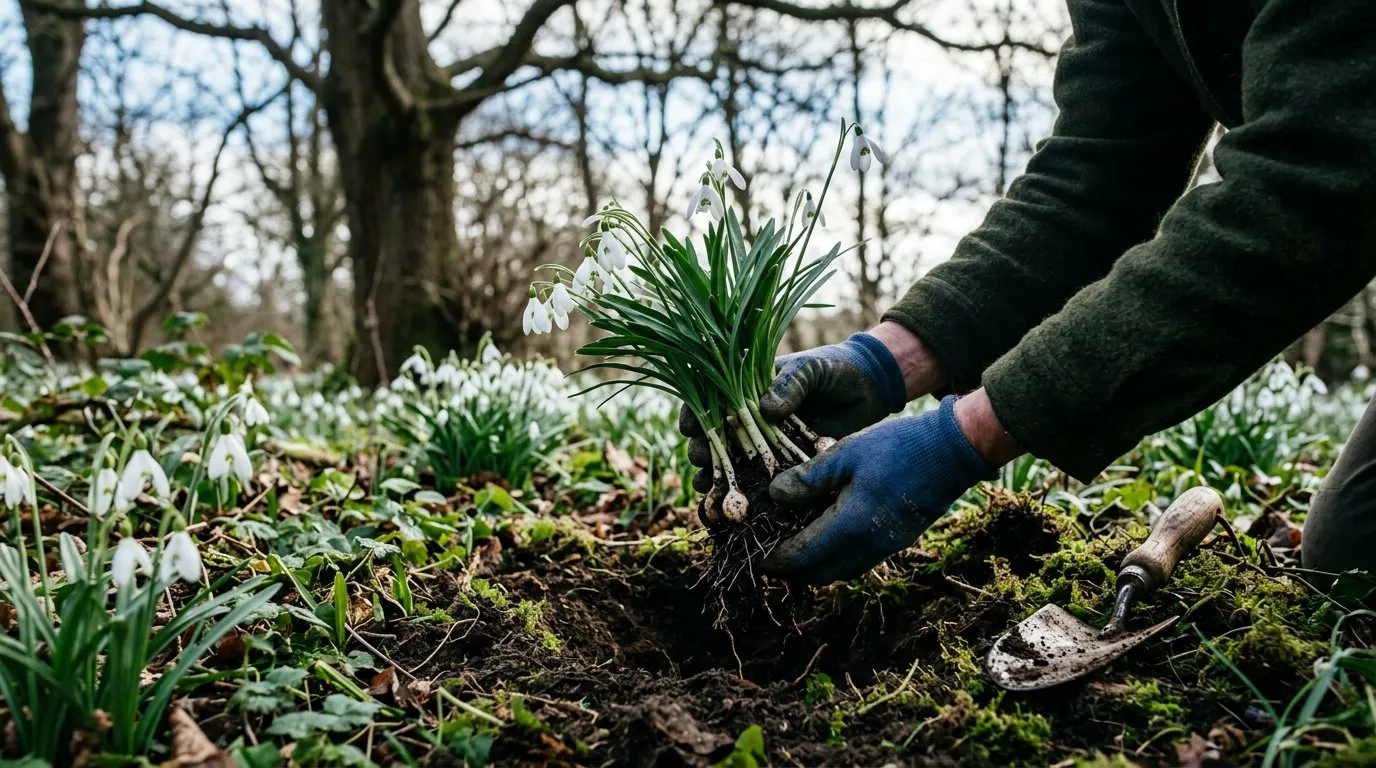 Planting snowdrops in the green. Divide established clumps after flowering and replant immediately for best results.
Bare-root planting
February is the last reliable month for bare-root planting. Trees, shrubs, and hedging sold bare-root are dormant and must be in the ground before their buds break in March.
Fruit trees
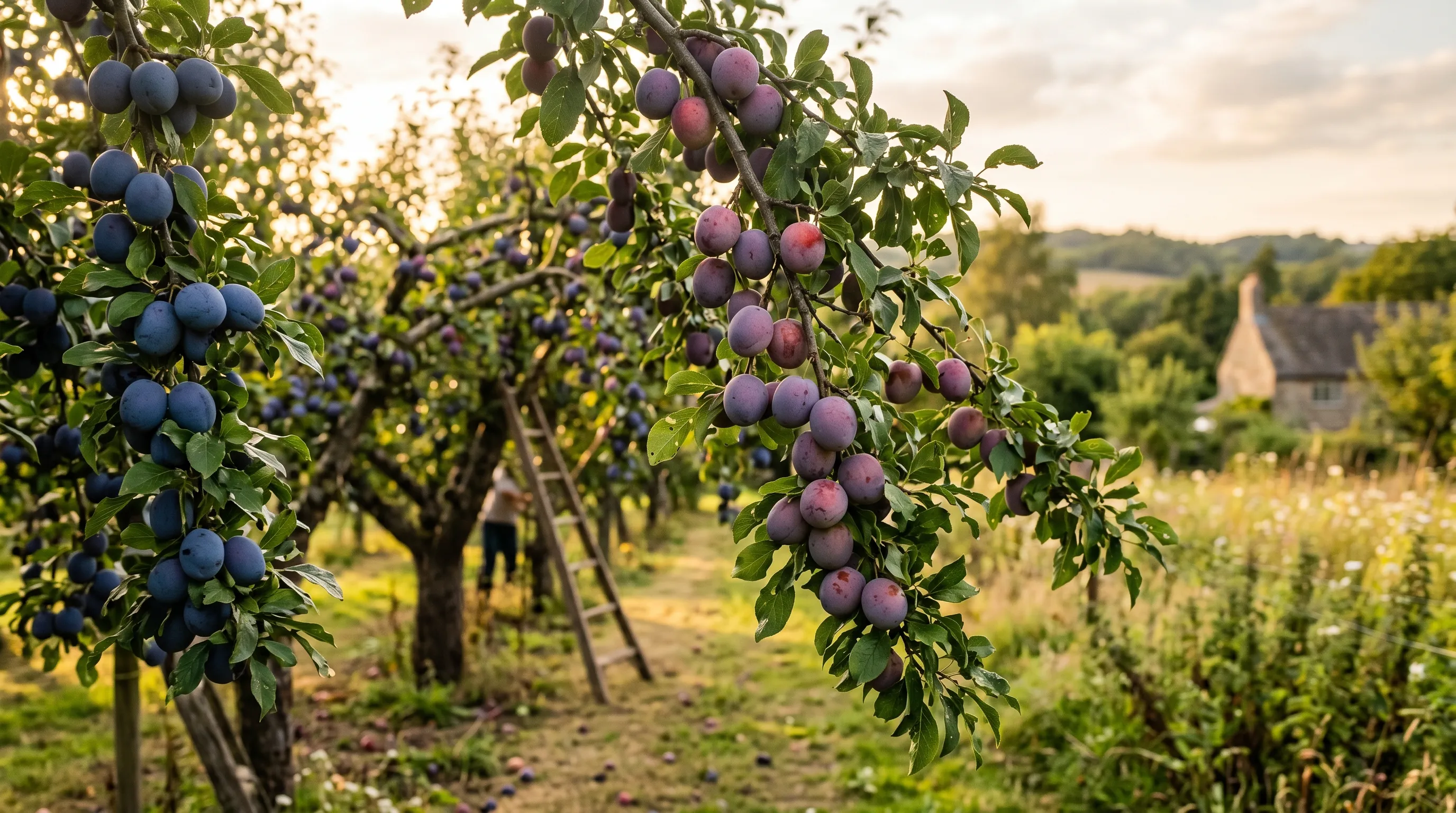
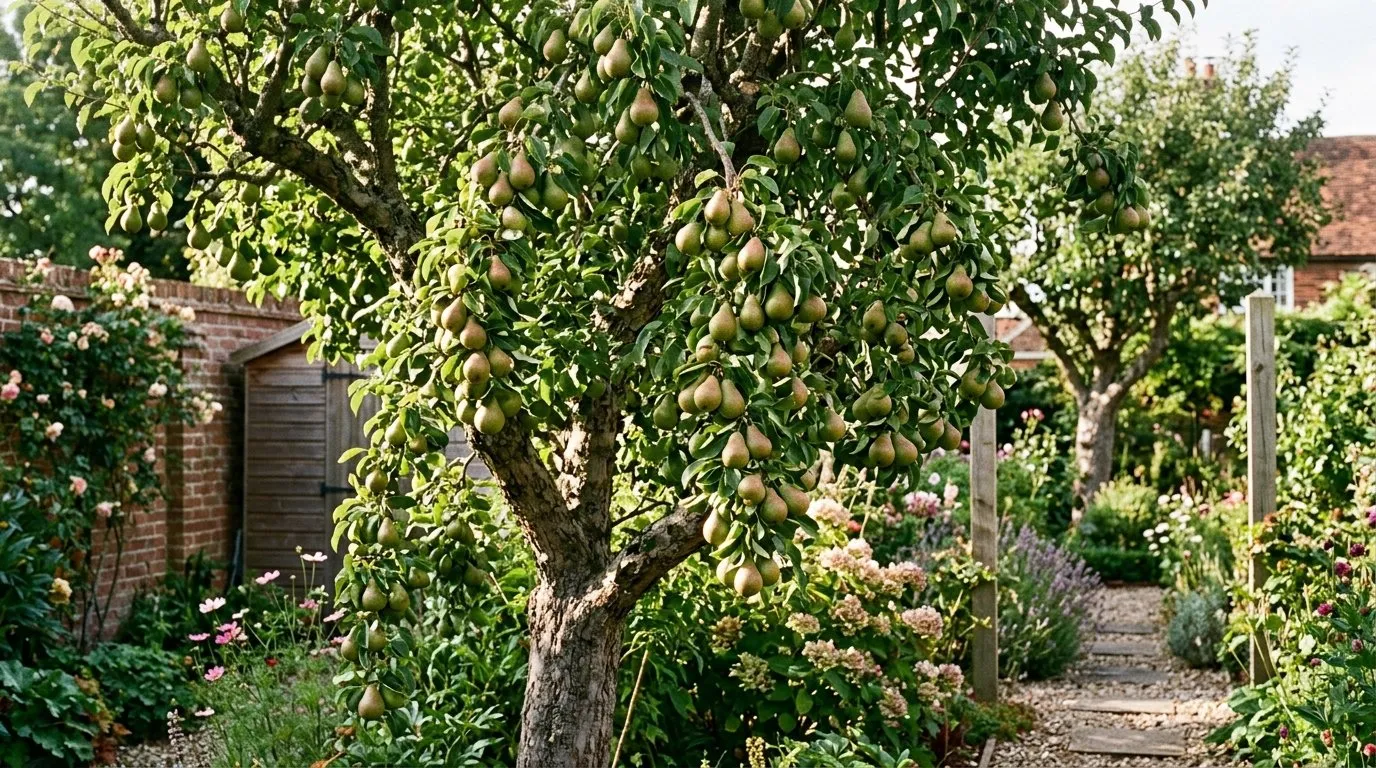
Plant bare-root apple, pear, plum, and cherry trees this month. Dig a hole twice the width of the root spread. Set the tree so the graft union sits 10cm above soil level. Stake firmly with a short stake and tree tie. Water well and mulch with garden compost in a 10cm layer around the base, keeping it clear of the trunk.
Roses
Plant bare-root roses before growth starts. Soak the roots in water for 2 hours before planting. Position the graft union (the knobbly bit where stems meet rootstock) at soil level. Backfill, firm in, and water thoroughly.
Hedging
February is ideal for bare-root hedging plants. Beech, hornbeam, hawthorn, and privet all establish well from bare-root stock planted this month. Space according to the species: 30cm apart for a tight hedge, 45cm for a looser screen.
Pruning in February
February is one of the most important pruning months. Most deciduous plants are still dormant, so wounds heal cleanly before spring growth begins.
Wisteria
Cut back the summer side shoots you shortened to 15cm in July. Reduce them further now to 2-3 buds from the main framework. This concentrates the plant’s energy into flower production rather than leaf growth.
Late-flowering clematis
Group 3 clematis, which flower on current season’s growth, need hard pruning in February. Cut all stems back to 30cm above ground level, to a pair of strong buds. This includes varieties like Jackmanii, Ville de Lyon, and Polish Spirit.
Gooseberries and currants
Prune gooseberries and currants to create an open goblet shape. Remove crossing branches, dead wood, and any stems touching the ground. Aim for 8-10 main branches with an open centre that allows air circulation and reduces mildew risk.
Apple and pear trees
If you did not prune apple and pear trees in December or January, finish the job now. February is your last chance before sap rises. Remove dead, damaged, and crossing branches. Open up the centre to allow light and airflow. Cut back to an outward-facing bud.
Roses
Prune hybrid tea and floribunda roses in late February. See our rose pruning guide for detailed technique. Cut stems back to an outward-facing bud, 15-20cm from the ground for hybrid teas, 30cm for floribundas. Remove any dead, damaged, or crossing wood. Do not prune ramblers or climbing roses now. They flower on last year’s wood.
What not to prune
Do not prune plums, cherries, or other stone fruit in February. They are susceptible to silver leaf disease when pruned in winter. Wait until June or July when the risk is lowest.
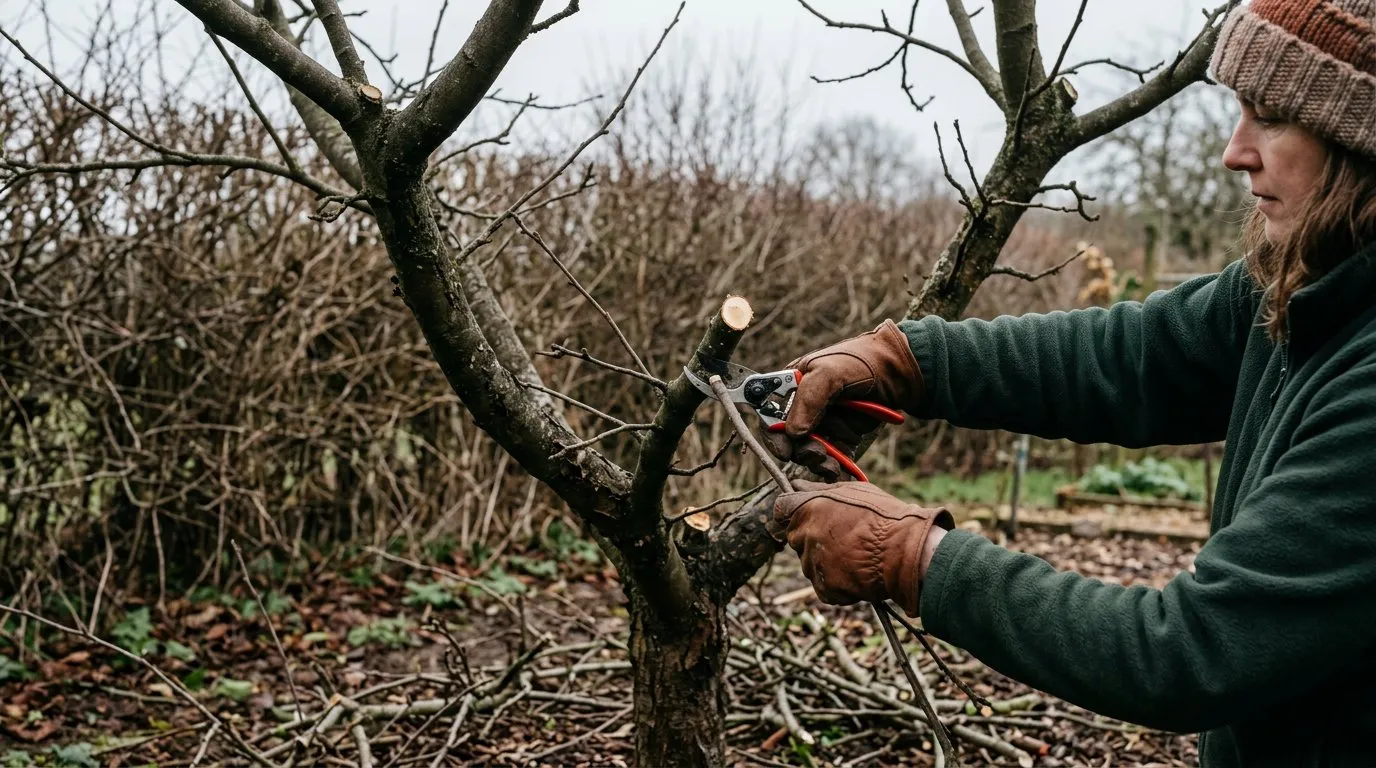 Pruning an apple tree in February. Remove crossing branches and open up the centre for light and airflow.
Soil preparation
February is the month to prepare beds for March and April planting. The work you do now makes a real difference to crop performance later in the season.
Mulching and no-dig
Spread a 5-10cm layer of well-rotted compost or manure over beds without digging it in. The worms do the work for you. This no-dig approach improves soil structure, retains moisture, and feeds plants slowly throughout the growing season.
Covering bare soil
Cover any bare soil with cardboard or thick layers of newspaper weighted down with stones. This suppresses winter weeds and protects soil structure from heavy rain. By March, the cardboard breaks down and the soil underneath is clean, moist, and ready for sowing.
New beds and raised beds
Prepare new vegetable beds by marking them out and applying a thick mulch. Raised beds warm up faster than ground-level soil, sometimes by 2-3 weeks. If you garden on heavy clay, February is a good time to start improving it. See our guide on how to improve clay soil for long-term methods.
Lawn care in February
February lawn work is minimal but sets up a healthier lawn for spring.
First cut
In mild southern areas, you may need to give the lawn a first cut in late February. Set the mower blades high, at least 4cm, and only trim the tips. Do not scalp the lawn. A light top is enough.
Moss treatment
Moss thrives in wet, shady conditions and is often visible across UK lawns in February. Apply a ferrous sulphate-based moss killer now. Rake out dead moss 2-3 weeks after treatment. For a longer-term approach, improve drainage and aeration.
Waterlogged areas
Spike any waterlogged patches with a garden fork, pushing the tines in 10-15cm deep at 15cm intervals. This relieves compaction and allows water to drain through. Do not walk on waterlogged lawns more than necessary, as this compacts the soil further.
February planting calendar
| Week | Indoors | Outdoors | Plant out / other |
|---|---|---|---|
| Week 1 (1-7 Feb) | Onions, leeks, celery, begonias | , | Bare-root hedging, prune wisteria |
| Week 2 (8-14 Feb) | Sweet peas, pelargoniums, lobelia | Broad beans (under cloches, south) | Plant snowdrops in the green |
| Week 3 (15-21 Feb) | Early lettuce, summer cabbage | Parsnips (mild areas), peas (cloches) | Start chitting potatoes |
| Week 4 (22-28 Feb) | Tomatoes, peppers, chillies (south) | Garlic (if not autumn-planted) | Bare-root roses and fruit trees |
Regional differences across the UK
February is the most variable month of the UK gardening year. Conditions range from near-spring in sheltered southern gardens to deep winter in the Scottish Highlands.
Southern England and sheltered coastal areas
Milder conditions mean outdoor sowings of broad beans and parsnips are realistic from mid-February. Start chitting potatoes early in the month. Indoor sowings of tomatoes and peppers can begin in late February with a heated propagator.
Midlands and central England
February is cold and often wet. Focus on indoor sowings and soil preparation. Outdoor sowings are risky until late in the month, and only under cloches. Chit potatoes from mid-February for late March planting.
Northern England
Outdoor sowing is rarely practical in February. Concentrate on indoor work, pruning, and preparing beds. Broad beans under cloches may succeed in sheltered city gardens. Chit potatoes from mid to late February.
Scotland
February is still winter across most of Scotland. Focus entirely on indoor sowings, pruning, and planning. Bare-root planting can continue whenever the ground is not frozen. Outdoor sowing waits until March or April in most areas.
Now you’ve mastered February tasks, read our guide on what to plant in March for the next step as the main sowing season begins in earnest.
Frequently asked questions
Can I sow seeds outside in February UK?
Yes, a few hardy crops tolerate February outdoor conditions. Broad beans, parsnips, and round-seeded peas succeed under cloches in mild southern areas where soil is not frozen or waterlogged. Most other crops still need indoor sowing at this stage of the year.
When should I start chitting potatoes?
Start chitting in early to mid-February for best results. Seed potatoes need 2-3 weeks in a cool, bright room to develop sturdy green or purple shoots. Stand them in egg boxes with the end that has the most eyes pointing upward. They should be ready for March planting.
Is February too early to sow tomatoes?
Not in southern England with a heated propagator at 18-21C. Sow from late February for the earliest crops. In northern areas, wait until early March. Tomatoes need 6-8 weeks of indoor growing before planting out after the last frost. Timing depends on your local last frost date.
What flowers can I plant in February?
Plant snowdrops in the green while they are still in leaf after flowering. Sow sweet peas indoors in root trainers at 12-15C. Start begonias, pelargoniums, and lobelia on a warm windowsill. These slow-growing flowers need an early February start to be ready for summer displays.
Can I prune roses in February?
Yes, February is the ideal month for pruning hybrid tea and floribunda roses. Cut stems back to an outward-facing bud, removing dead, damaged, and crossing branches. Do not prune ramblers or climbing roses. They flower on last year’s growth and should be pruned after flowering in summer.
What fruit trees can I plant in February?
February is the last month for bare-root fruit trees before buds break. Plant apple, pear, plum, and cherry trees in a hole twice the width of the root spread. Water well after planting and stake firmly with a short stake. Container-grown trees can go in at any time of year.
Lawrie has been gardening in the West Midlands for over 30 years. He grows his own veg using no-dig methods, keeps a wildlife-friendly garden, and writes practical advice based on real UK growing conditions.