What to Plant in October in the UK
Everything to plant and sow in October across UK gardens. Covers garlic, tulips, bare-root trees, lawn care, and essential autumn jobs.
Key takeaways
- Plant garlic cloves before November for the strongest bulbs next summer
- Tulip bulbs go in from mid-October through November to avoid tulip fire disease
- Bare-root fruit trees and roses are available from October and establish fastest planted now
- Overwintering broad beans sown in October crop 4-6 weeks earlier than spring sowings
- Final window for scarifying and aerating lawns before winter dormancy
- Collect fallen leaves now to make free leaf mould compost in 12-18 months
October is one of the most productive months in the UK garden. While summer crops are finishing, autumn opens a window for planting that shapes next year’s harvests. Garlic goes in now. Tulip bulbs go in now. Bare-root fruit trees arrive in nurseries. The soil is still warm from summer but autumn rain keeps it moist, which creates ideal conditions for root establishment.
This is also the month for essential maintenance. Lawns need their final feed and aeration before winter dormancy. Tender plants need protection or moving indoors. Fallen leaves become next year’s compost. This guide connects back to the full vegetable planting calendar and picks up where the summer planting guides left off.
Vegetables to plant in October
October is not about sowing seeds into open ground. It is about planting cloves, sets, crowns, and overwintering crops that use the cold months to build root systems. These crops will be the first to harvest next year.
Garlic
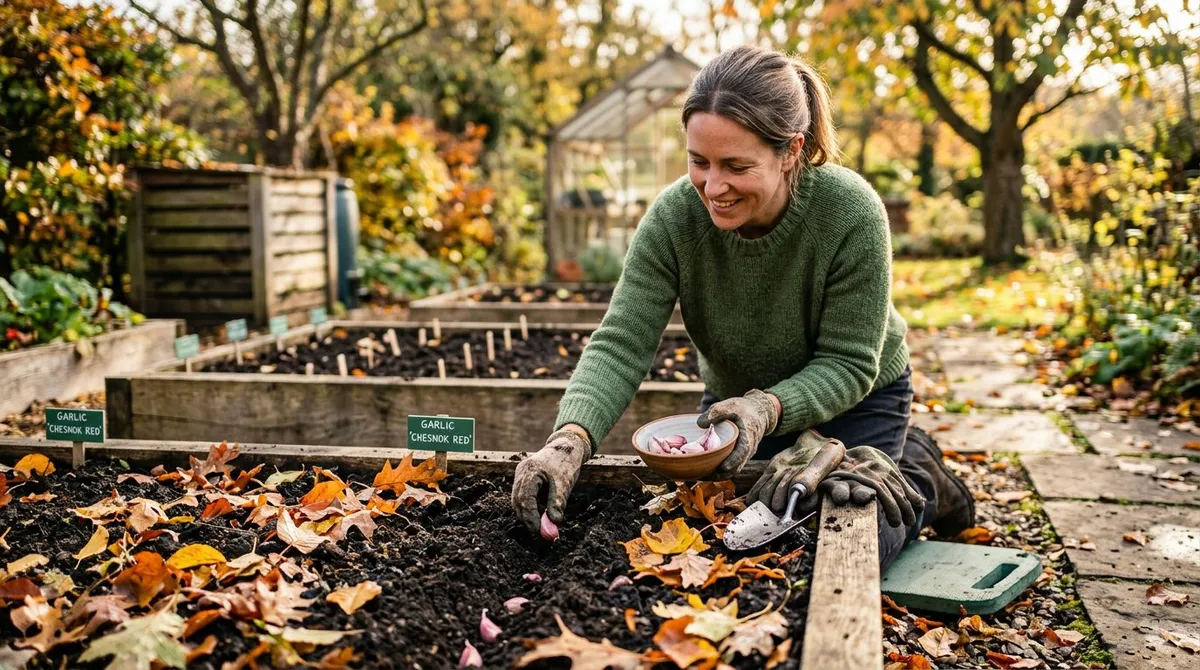
Garlic is the most important October planting job. Cloves planted now develop roots through autumn and winter, then put on strong top growth in spring. This cold period (called vernalisation) is essential for bulb formation. Without 4-6 weeks below 10C, garlic produces small, round bulbs instead of properly separated cloves.
Plant individual cloves 15cm apart, 5cm deep, with the pointed end upwards. Choose a sunny, well-drained position. Heavy, waterlogged soil causes cloves to rot over winter. On clay soils, plant in raised beds or add grit to the planting hole.
Recommended varieties for autumn planting:
- Solent Wight - softneck, stores well, suited to southern England
- Lautrec Wight - pink-skinned hardneck, strong flavour
- Elephant garlic - technically a leek, produces huge mild cloves
- Cristo - reliable hardneck for colder northern gardens
Gardener’s tip: Buy garlic from a seed supplier, not the supermarket. Supermarket garlic is often imported from warm climates and may carry disease. UK-bred varieties are adapted to our growing conditions and produce larger bulbs.
Why we recommend Solent Wight for October planting: After 30 years of growing garlic in British soil, Solent Wight consistently outperforms imported varieties planted in October. It produces bulbs with 12-16 cloves and stores reliably for up to 10 months without deteriorating. In trials on heavy clay and free-draining sandy loam, it gave a 15-20 percent higher yield than Elephant garlic planted at the same time.
Overwintering onion sets
Overwintering onion sets planted in October produce onions 4-6 weeks earlier than spring-planted sets. They are ready to harvest in June and July, filling the gap before main-crop onions mature.
Plant sets 10cm apart in rows 25cm apart. Push each set into the soil so the tip just shows above the surface. Net against birds, which pull sets out of soft ground.
Best varieties for October planting:
- Radar - round, golden-skinned, the most reliable overwinterer
- Shakespeare - semi-flat, good bolt resistance
- Senshyu Yellow - Japanese variety, flattened shape, mild flavour
Broad beans
Broad beans sown in October and November overwinter as small plants and crop in May, roughly 4-6 weeks ahead of spring sowings. This early harvest arrives before blackfly populations build up, which means cleaner crops with less pest damage.
Sow seeds 5cm deep, 20cm apart, in double rows 25cm apart. Choose a sheltered spot protected from the worst winter winds. Varieties bred for autumn sowing have better cold tolerance than standard types.
Recommended autumn-sowing varieties:
- Aquadulce Claudia - the classic overwintering broad bean, proven over decades
- The Sutton - compact plants (30cm tall), good for exposed sites and containers
- Super Aquadulce - improved Aquadulce with higher yields
Refer to our seed sowing calendar for the full timeline of when to start broad beans in your region.
Rhubarb crowns
Rhubarb crowns planted in October establish strong root systems over winter and produce the first light harvest the following spring. Buy one-year-old crowns from a nursery. Plant with the crown bud at soil level, not buried. Space 90cm apart. Rhubarb is a permanent crop that produces for 10 years or more from a single planting.
Dig in plenty of well-rotted manure before planting. Rhubarb is a hungry plant that rewards generous feeding. Do not harvest any stems in the first year. Allow the plant to build strength.
Asparagus crowns
Asparagus crowns can also go in during October, though spring planting is more traditional. October-planted crowns settle in over winter and sometimes produce a light picking the following year. Asparagus needs a permanent, well-drained bed. It will produce spears for 20 years once established.
Plant crowns in a trench 30cm wide and 20cm deep, spreading the roots over a ridge of soil in the centre. Space crowns 45cm apart. Do not harvest for the first two full years after planting.
Flowers to plant in October
October is one of the busiest months for ornamental planting. Bulbs, bare-root roses, and hardy perennials all go in now.
Tulip bulbs
Tulips are the star October planting job. Unlike daffodils and crocuses (which go in during September), tulips benefit from later planting. Waiting until mid-October to November reduces the risk of tulip fire (Botrytis tulipae), a fungal disease that thrives in warm, moist soil.
Plant tulip bulbs 15-20cm deep. This depth protects them from squirrels and hard frost. Space 10-15cm apart. Well-drained soil is essential. Tulips rot in waterlogged ground. On heavy clay, add a layer of grit beneath each bulb. For the full timing breakdown, see our guide on when to plant tulip bulbs.
Plant in bold groups of at least 15 bulbs for the strongest visual impact. Single bulbs scattered through a border look thin. Choose early, mid, and late-flowering varieties for colour from March to May.
Spring bulbs (final chance)
October is the last reliable month for planting daffodils, crocuses, hyacinths, and alliums. These should ideally go in during September, but October planting still produces good results. Bulbs planted after November often flower later or not at all in the first year. Our guide to when to plant spring bulbs covers every bulb type and its ideal planting window.
Plant daffodils 10-15cm deep. Crocuses go 8cm deep. Hyacinths sit 10cm deep. Alliums need depth of 3-4 times the bulb height.
Bare-root roses
Bare-root roses become available from late October through March. They are cheaper than container-grown plants and establish stronger root systems because they grow directly into native soil rather than circling in a pot.
Dig a hole wide enough to spread the roots without bending them. Plant so the graft union (the knobbly point where the stem meets the roots) sits 5cm below the soil surface. This protects the graft from frost damage. Backfill with soil mixed with garden compost. Water well. For pruning guidance once established, see our rose pruning guide.
Move tender plants indoors
Before the first frost, bring tender plants under cover. Pelargoniums, fuchsias, citrus trees, and tender salvias all need frost-free conditions over winter. Move them to a greenhouse, conservatory, or bright windowsill. Reduce watering but do not let them dry out completely.
Cannas and dahlias in pots can be moved into a frost-free shed or garage. Cut back the foliage once it blackens from frost. In mild southern gardens, dahlias left in the ground with a thick mulch of bark or straw sometimes survive winter without lifting.
Lift dahlia tubers
Dahlias growing in open ground should be lifted after the first hard frost blackens the foliage. Cut stems back to 15cm. Dig carefully around the tuber with a fork, keeping 30cm clearance to avoid damage. Shake off loose soil and leave tubers upside down for a week so moisture drains from the hollow stems.
Store dried tubers in trays of barely damp compost or vermiculite in a frost-free, dark location. Check monthly through winter. Discard any that show signs of rot. Replant in April or May.
Fruit to plant in October
The bare-root season begins in late October, which makes this the most cost-effective time to establish a new fruit garden.
Bare-root fruit trees
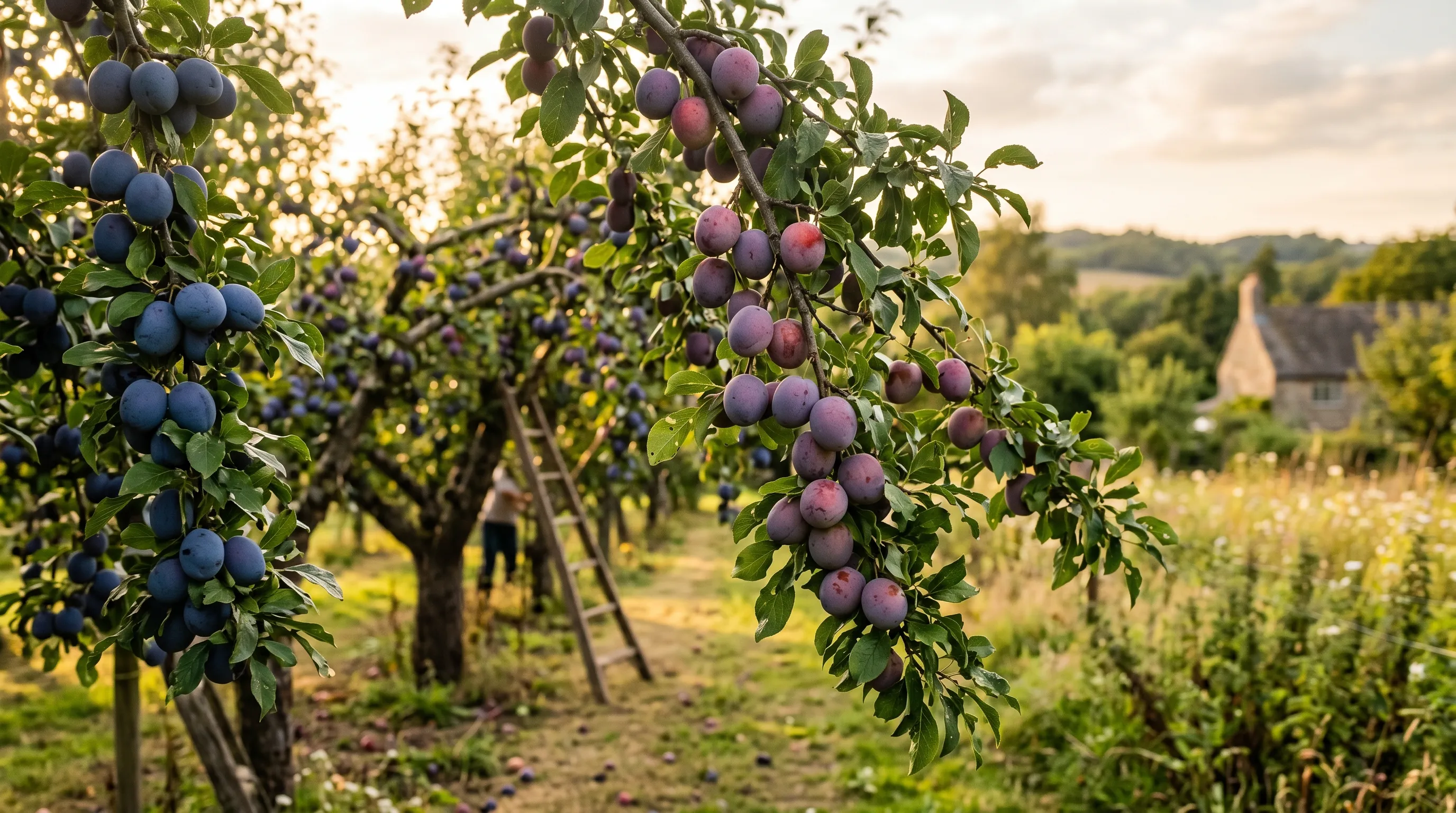
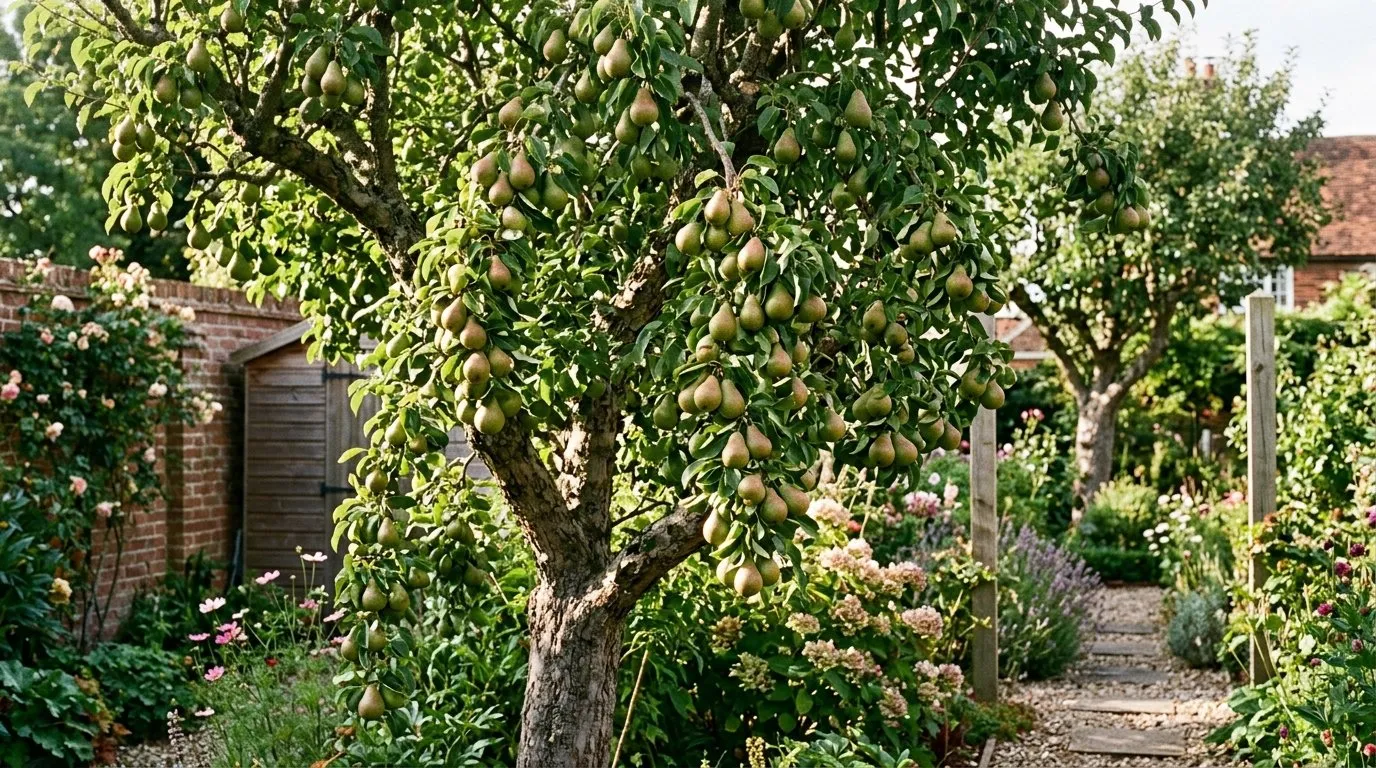
Bare-root fruit trees are available from late October through March. October and November planting gives the best results because roots establish while the soil is still warm. Trees planted now put on stronger growth in their first spring than those planted in late winter.
Apple trees, pear trees, plum trees, and cherry trees all plant well in October. Choose a rootstock appropriate for your garden size. For a small garden, M26 (apple) or Quince C (pear) keeps trees manageable. Larger gardens can use MM106 or Quince A.
Dig a hole at least twice the width of the root spread. Drive a stake into the hole before planting (to avoid damaging roots). Set the tree so the graft union is 10cm above soil level. Backfill with native soil. Do not add compost to the planting hole, as this makes a “sump” effect in clay soils.
Soft fruit bushes
October is the start of the bare-root season for gooseberry bushes, blackcurrant bushes, redcurrant bushes, and whitecurrant bushes. Bare-root bushes cost roughly half the price of container-grown plants.
Plant gooseberries and currants 150cm apart. Blackcurrants should be planted 5cm deeper than they were growing in the nursery (this encourages new shoots from below ground level). Redcurrants and gooseberries should be planted at the same depth as before.
Autumn raspberries
Autumn-fruiting raspberries like Autumn Bliss, Polka, and Joan J can be planted from bare root from October onwards. These varieties fruit on the current year’s canes, which means you cut every cane to ground level in February. New canes grow in spring and fruit from August to October.
Plant canes 45cm apart in a row, in soil enriched with well-rotted manure. Unlike summer raspberries, autumn varieties do not need a post-and-wire support system. The shorter canes are generally self-supporting.
Our potato growing guide covers the full cycle from planting to harvest for another key crop that benefits from autumn soil preparation.
Lawn care in October
October is the final maintenance window for lawns before winter dormancy sets in. Three jobs make the biggest difference to lawn health next spring.
Scarify and aerate
Scarifying removes the layer of dead grass, moss, and organic debris (thatch) that builds up on the soil surface. This layer blocks water, air, and nutrients from reaching the roots. Use a spring-tine rake on small lawns or hire a powered scarifier for larger areas. The lawn will look rough immediately after scarifying. It recovers within 3-4 weeks.
Aeration relieves soil compaction. Push a garden fork into the lawn every 15cm to a depth of 10cm, then wiggle the fork slightly to open the holes. On heavy clay soil, use a hollow-tine aerator that removes cores of soil. Brush sharp sand or lawn topdressing into the holes to keep them open through winter.
The best time for both jobs is early to mid-October, while grass is still actively growing. After late October, recovery is too slow before winter dormancy.
Autumn lawn feed
Apply an autumn lawn feed in early October. Autumn feeds are formulated differently to spring and summer products. They are high in potassium (which hardens cell walls against frost) and low in nitrogen (which would promote soft, vulnerable growth). A good autumn feed also contains iron, which discourages moss.
Never apply a spring/summer feed in autumn. The high nitrogen content pushes soft new growth that is killed by the first frost, weakening the lawn.
Sowing grass seed
Early October is still a suitable time for sowing grass seed or overseeding bare patches. Soil temperatures above 8-10C allow germination within 7-14 days. Autumn rain provides natural irrigation. New grass has time to establish a root system before winter dormancy.
After mid-October, germination rates drop significantly. If you miss this window, wait until April.
Other essential October jobs
Beyond planting, October is the month for winter preparation across the garden.
Collect fallen leaves for leaf mould
Fallen leaves are free gold for gardeners. Collected and composted separately, they break down into leaf mould, one of the best soil conditioners available. Leaf mould improves soil structure, retains moisture, and makes an excellent ingredient for homemade seed compost.
Collect leaves from lawns, paths, and borders. Pack them into black bin bags with a few drainage holes punched in the bottom, or build a simple enclosure from chicken wire and stakes. Dampen the leaves and leave them alone. Oak, beech, and hornbeam leaves break down in 12-18 months. Thicker leaves like sycamore and horse chestnut take 2-3 years.
Do not leave thick layers of fallen leaves on the lawn. They block light and trap moisture, causing yellow patches and encouraging fungal disease.
Clean and store garden furniture
Wooden garden furniture benefits from a clean and a coat of teak oil or wood preserver before winter. Stack chairs and fold tables under cover if possible. Metal furniture should be checked for rust spots. Wire-brush any corrosion and touch up with matching paint.
Cushions and fabric items should be stored in a dry shed or garage. Damp outdoor cushions left through winter develop mould that is difficult to remove.
Drain and store hoses
Drain garden hoses before the first hard frost. Water left inside a hose expands when it freezes and splits the hose. Disconnect from outside taps, hold one end high and walk the hose through your hands to push water out, then coil and store in a shed or garage.
Insulate outside taps with a tap jacket or lagging. A burst outside tap from frozen pipes causes significant water damage.
Protect tender plants with fleece
Plants that are borderline hardy in your area benefit from horticultural fleece protection through winter. Wrap tree ferns, banana plants, agapanthus, and tender herbs like bay. Use a double layer of fleece secured with string, not plastic sheeting (which traps moisture and causes rot).
Move tender container plants against a south-facing house wall. The wall radiates stored heat overnight, which can make the difference between survival and loss for plants on the edge of hardiness. The RHS hardiness ratings help identify which plants in your garden need protection.
October harvest table
Several crops are still producing in October. Harvest before hard frosts damage the crop.
| Crop | Harvest notes | Storage |
|---|---|---|
| Apples | Pick when the fruit separates easily with a gentle twist and lift. Late varieties (Bramley, Cox, Braeburn) ripen in October. | Store unblemished fruit in single layers in a cool, dark, frost-free place. Check weekly and remove any showing rot. |
| Pears | Pick pears slightly underripe and ripen indoors. Conference and Concorde are ready in October. | Store in a cool room. Check daily; pears go from perfect to overripe quickly. |
| Winter squash | Harvest before the first hard frost. Leave 10cm of stem attached. Cure in a warm, sunny spot for 10-14 days to harden the skin. | Cured squash stores for 3-6 months in a cool, dry room. |
| Carrots | Lift maincrop carrots before the ground becomes waterlogged. Twist off the foliage. | Store in boxes of damp sand in a cool, frost-free shed. |
| Beetroot | Lift remaining beetroot. Twist off the tops (do not cut, which causes bleeding). | Store in boxes of damp sand or pickle in vinegar. |
| Parsnips | Leave parsnips in the ground. Frost improves the flavour by converting starch to sugar. | Harvest as needed through winter. Cover with straw if hard frost is forecast. |
| Leeks | Hardy enough to stand through winter. Harvest from October onwards. | Leave in the ground and lift as needed. |
Common mistakes with October planting
Planting garlic too late
Garlic needs at least 4-6 weeks of root growth before the ground gets very cold. Planting in December or January misses the cold period that triggers proper bulb division. Late-planted garlic often produces small, round bulbs instead of well-separated cloves. October to mid-November is the ideal window.
Planting tulip bulbs too shallow
Tulip bulbs planted at 5-10cm depth are easy targets for squirrels and vulnerable to frost heave (where freezing and thawing pushes bulbs to the surface). Plant at 15-20cm deep. This also encourages stronger, sturdier stems that resist wind damage.
Forgetting to drain hoses and insulate taps
A single hard frost can split a hose or burst an outside tap. The repair costs far exceed the five minutes it takes to drain hoses and fit a tap jacket. Do it the first week of October and forget about it.
Leaving dahlias in the ground everywhere
In mild coastal and urban gardens, dahlias sometimes survive winter in the ground with a thick mulch. But in most UK gardens, especially inland, northern, and exposed sites, tubers left in wet, cold soil will rot. Lift and store unless you are certain your garden stays mild through January and February.
Applying summer lawn feed in autumn
Summer lawn feed is high in nitrogen, which forces soft green growth. This new growth is killed by the first frost, leaving the lawn weaker than if you had done nothing. Always use a dedicated autumn feed with high potassium and low nitrogen.
Ignoring fallen leaves on the lawn
A thin scattering of leaves does no harm. A thick layer left for weeks smothers the grass, blocks light, and creates conditions for fungal disease. Collect leaves weekly from the lawn. Use them to make leaf mould rather than sending them to landfill.
October monthly planning table
| Week | Plant/sow | Maintenance | Harvest |
|---|---|---|---|
| Week 1 (early Oct) | Garlic, overwintering onion sets, spring bulbs | Scarify and aerate lawn, apply autumn feed | Apples, pears, winter squash |
| Week 2 | Broad beans (Aquadulce Claudia), rhubarb crowns | Clean and store garden furniture, drain hoses | Carrots, beetroot, leeks |
| Week 3 (mid-Oct) | Tulip bulbs, bare-root roses | Lift dahlia tubers after first frost, fleece tender plants | Parsnips, late raspberries |
| Week 4 (late Oct) | Bare-root fruit trees, soft fruit bushes, autumn raspberries | Collect fallen leaves for leaf mould, insulate outside taps | Remaining root vegetables |
Now you’ve mastered October planting, read our guide on what to plant in September to understand the jobs that give October its best possible start.
For a broader view of what to grow across the full year, refer to our March planting guide for the start of the growing season. The seed sowing calendar provides month-by-month timings for all common UK crops.
Frequently asked questions
What vegetables can I plant in October UK?
Plant garlic, overwintering onion sets, broad beans, rhubarb crowns, and asparagus crowns. Garlic needs a cold period to form proper bulbs, making October the ideal planting month. Overwintering onion sets like Radar and Shakespeare produce earlier harvests than spring-planted sets. Broad beans sown now crop in May, 4-6 weeks ahead of spring sowings.
Can I plant tulip bulbs in October?
Yes, October is the perfect time. Plant tulip bulbs from mid-October through November. Waiting until mid-October reduces the risk of tulip fire, a fungal disease that spreads in warm, damp soil. Plant 15-20cm deep in well-drained soil. This depth protects bulbs from squirrels and frost.
Is October too late to sow grass seed?
No, early to mid-October works well. Soil is warm from summer, and autumn rain keeps it moist. Seed germinates in 7-14 days if soil temperature is above 8-10C. After late October, germination slows significantly and seedlings may not establish before winter.
When should I lift dahlia tubers?
Lift dahlias after the first hard frost. In most UK regions, this happens between mid-October and mid-November. Cut stems to 15cm, carefully dig around the tuber, and let them dry for a few days. Store in slightly damp compost in a frost-free shed or garage.
What bare-root plants can I buy in October?
Bare-root fruit trees, roses, hedging, and soft fruit arrive from late October. Apple trees, pear trees, plum trees, gooseberry bushes, and currant bushes all establish well from autumn planting. Bare-root plants cost less than container-grown and develop stronger root systems when planted directly into native soil.
Should I feed my lawn in October?
Yes, apply an autumn lawn feed in early October. Use a product high in potassium and low in nitrogen, which hardens grass against frost and disease over winter. Spring and summer feeds are high in nitrogen, which promotes soft growth vulnerable to cold. Never apply summer feed in autumn.
How do I make leaf mould from fallen leaves?
Collect fallen leaves into black bin bags with drainage holes. Dampen the leaves, then leave them for 12-18 months. Oak, beech, and hornbeam leaves break down fastest. The finished product is a superb soil conditioner and seed compost ingredient. Build a wire mesh enclosure if you have large volumes.
Lawrie has been gardening in the West Midlands for over 30 years. He grows his own veg using no-dig methods, keeps a wildlife-friendly garden, and writes practical advice based on real UK growing conditions.