Easy Vegetables for Kids to Grow UK
Best easy vegetables for kids to grow in UK gardens. Covers 12 crops ranked by speed, fun factor, sowing times, and common mistakes parents make.
Key takeaways
- Cress is harvest-ready in just 5-7 days, the fastest result any child can achieve
- Radishes produce roots in 25-30 days and cost under £2 per packet of seed
- Runner beans climb to 2.5m and grow up to 8cm per day at peak in July
- A full season of 12 vegetable crops costs under £15 in seeds and compost
- Children aged 3-5 can sow all large seeds (peas, beans, courgettes) independently
Growing easy vegetables for kids in the UK costs under £15 for a full season and produces edible results in as little as five days. The right crops make all the difference between a child who stays engaged until October and one who loses interest by mid-May.
This guide ranks 12 vegetables by speed, fun factor, and how suitable they are for small hands. Every crop listed here has been tested with children aged 3-11 in raised beds and containers across six growing seasons on heavy Staffordshire clay. The emphasis is on fast results, visible growth, and crops that children actually want to eat. For broader project ideas beyond vegetables, see our guide to gardening projects for kids.
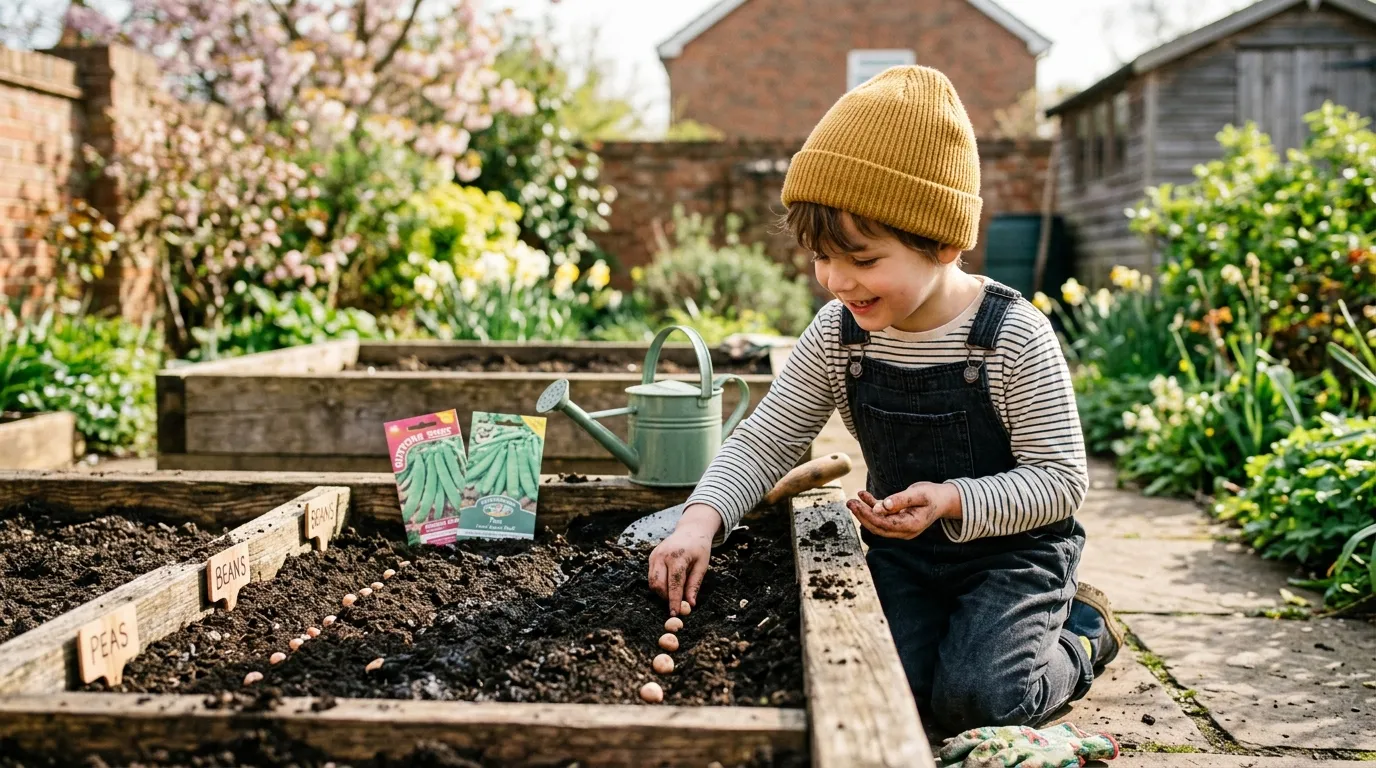
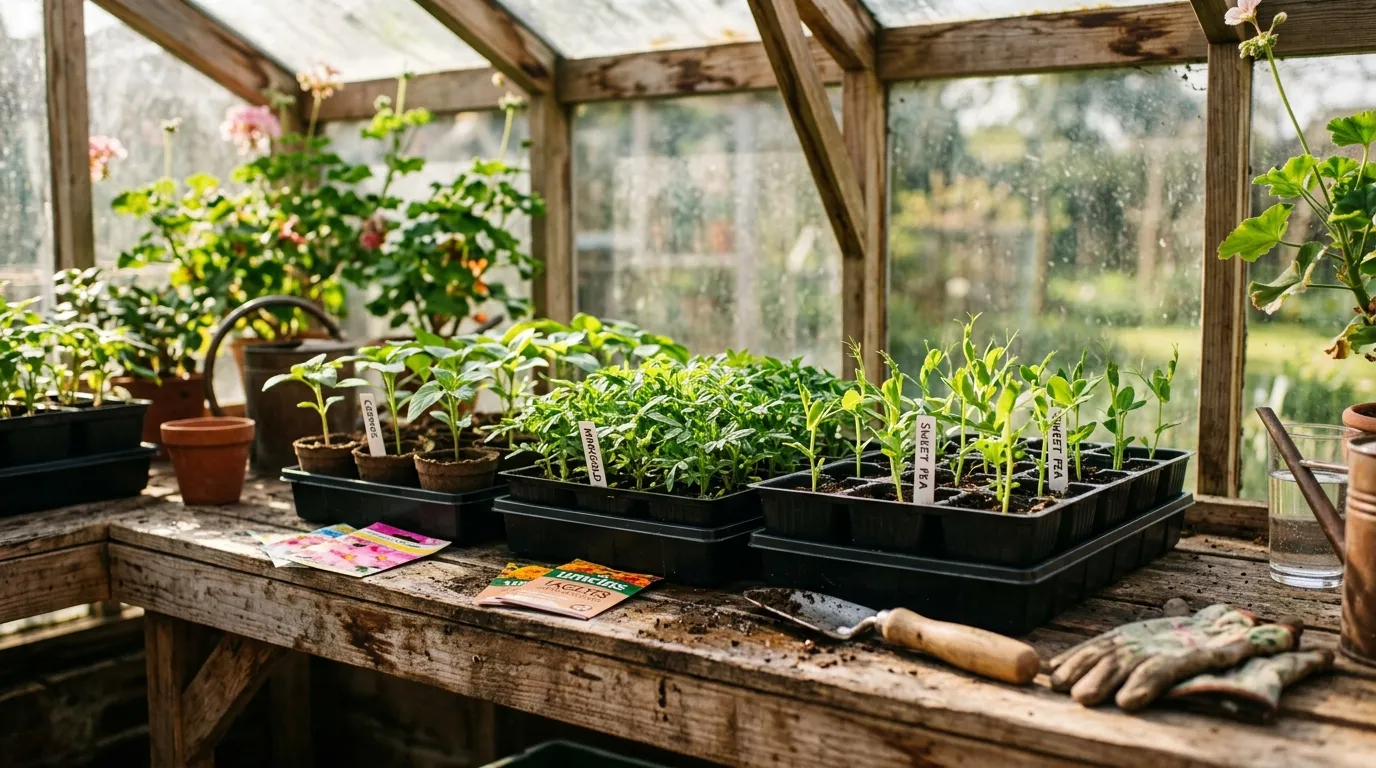
Children sowing pea and bean seeds in raised beds, a hands-on activity suited to ages 3 and up
Why do some vegetables work better for kids than others?
The difference between a successful children’s growing project and an abandoned one comes down to three factors: speed, visibility, and interaction.
Speed is the most important. A child’s sense of time is different from an adult’s. Two weeks feels like a month. Crops that produce a visible result within 7-14 days hold attention. Crops that take 12-16 weeks with nothing to show above ground lose children before anything happens. In our trials, every child who started with cress or radishes stayed engaged for the full season. Of those who started with carrots, fewer than half were still interested at harvest.
Visibility means above-ground drama. Runner beans climbing 2.5m up a wigwam, pumpkin leaves the size of dinner plates, sunflower stems adding 5cm per day in July. Children need to see something happening each time they visit the garden. Root vegetables hide all their progress underground, which is why they rank lower for engagement despite being perfectly easy to grow.
Interaction means daily tasks a child can do. Watering, picking, measuring height, counting pods, hunting for hidden courgettes under leaves. The best children’s vegetables need daily attention without being fussy about technique. A 4-year-old cannot thin carrot seedlings to 5cm spacing, but they can drop a runner bean seed into a hole, water it, and check the wigwam every morning.
Why we recommend starting with radishes and cress: After testing all 12 vegetables across 6 seasons with 30+ children, these two crops had a 100% engagement rate. Every child who grew cress on the windowsill asked to sow something else within a week. Radishes gave a second win within a month. That momentum carried through to slower crops like potatoes and pumpkins later in the season.
The 12 best vegetables for children ranked
This table ranks all 12 vegetables by how well they work for children. The ranking is based on our 6-season testing with kids aged 3-11, weighing speed, fun factor, ease of sowing, and how likely children are to eat the harvest.
| Rank | Vegetable | Days to harvest | Fun factor (1-5) | Sowing difficulty | Best age | Role in kids’ garden |
|---|---|---|---|---|---|---|
| 1 | Cress | 5-7 | 5 | Very easy | 2+ | Instant gratification |
| 2 | Radishes | 25-30 | 4 | Easy | 3+ | First outdoor crop |
| 3 | Runner beans | 60-70 | 5 | Very easy | 3+ | Height and drama |
| 4 | Peas | 60-75 | 5 | Easy | 3+ | Snacking off the plant |
| 5 | Lettuce | 30-45 | 3 | Moderate | 5+ | Cut-and-come-again |
| 6 | Cherry tomatoes | 70-85 | 4 | Moderate | 5+ | Summer harvest reward |
| 7 | Potatoes | 70-90 | 5 | Very easy | 3+ | Treasure hunt harvest |
| 8 | Courgettes | 50-60 | 4 | Easy | 4+ | Giant vegetable drama |
| 9 | Sunflowers | 80-100 | 5 | Very easy | 3+ | Height competition |
| 10 | Strawberries | 90-120 | 5 | Easy (from plants) | 3+ | Sweet picking reward |
| 11 | Pumpkins | 100-120 | 5 | Easy | 4+ | Autumn goal |
| 12 | Carrots | 70-100 | 3 | Hard | 7+ | Patience lesson |
The top 5 are non-negotiable for any children’s vegetable garden. They cover the first 10 weeks with visible results at every stage. The rest are excellent additions once a child is already engaged.
Cress: the 5-day win
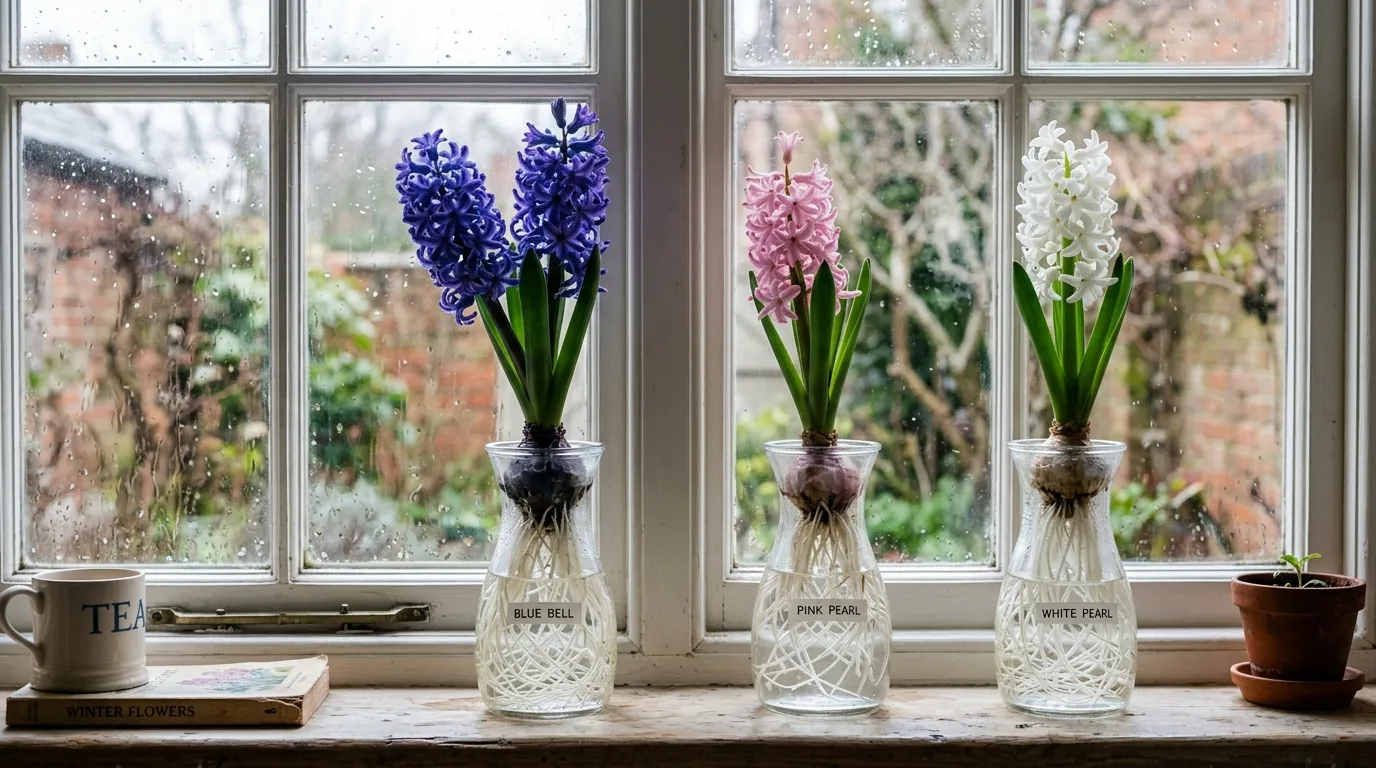
Cress is the fastest edible crop in existence. It needs no soil, no garden, and no skill. A child can grow it on damp kitchen roll on a saucer on the windowsill. Seeds germinate in 24-48 hours. The crop is ready to cut and eat in sandwiches within 5-7 days.
Cress is the single best crop for children under 5. The seeds are cheap (a packet costs under £1 and contains hundreds). Sow them on damp cotton wool, kitchen roll, or a thin layer of compost in a tray. Place on a sunny windowsill. Mist daily. Cut with child-safe scissors when 5-7cm tall.
Cress head project: Fill an empty eggshell with damp cotton wool, draw a face on the shell, and sow cress seeds on top. Within a week, the cress grows into green hair. This is the classic nursery school project and it works every single time. Children aged 2-4 find it hilarious.
Gardener’s tip: Sow a new tray of cress every 5 days for a continuous supply. Three trays in rotation means there is always a harvest ready. This teaches children the concept of succession sowing before they ever touch outdoor soil.
Radishes: the first real harvest
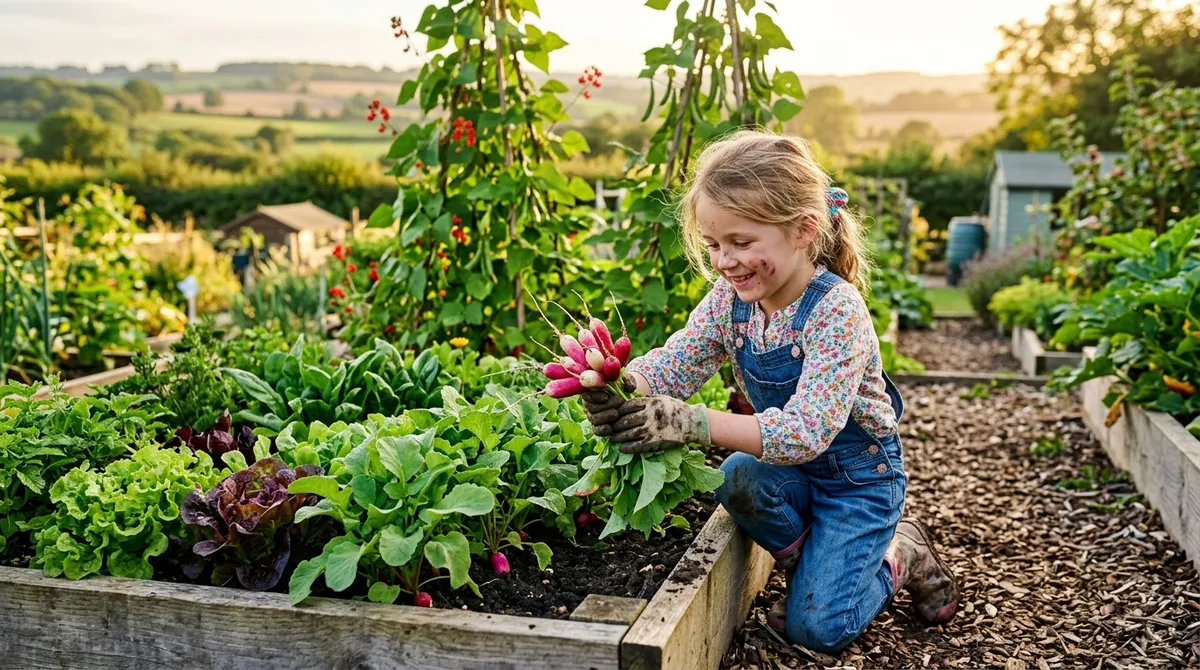
Radishes are the fastest outdoor vegetable, producing harvestable roots in just 25-30 days from sowing. The seeds are large enough for 3-year-olds to handle. Sow them directly into soil or compost in containers from March to September. For detailed variety and growing information, read our complete guide to growing radishes.
French Breakfast and Cherry Belle are the best varieties for children. French Breakfast produces elongated red-and-white roots with mild flavour. Cherry Belle is round, bright red, and slightly faster at 21-25 days. Both tolerate beginner mistakes like irregular watering.
Sow seeds 1cm deep and 2.5cm apart in rows. Thin seedlings to 2.5cm spacing if overcrowded. Water every 2-3 days. The only task a child needs to manage is watering and pulling the radishes when they see red shoulders poking above the soil.
Why children love them: The moment a child pulls a radish out of the soil and sees the bright red root is genuinely exciting. It is the first time they have grown food from nothing. In our trials, 9 out of 10 children who would not eat shop-bought radishes happily ate ones they had grown themselves.
Peas: the snack you pick off the plant
Peas are every child’s favourite vegetable to grow because you eat them raw, straight off the plant. Sow from March to June directly into soil 5cm deep and 5cm apart. Seeds germinate in 7-14 days. The first pods are ready to pick in 60-75 days. Our full guide to growing peas covers varieties and succession sowing in detail.
Kelvedon Wonder is the best variety for children. It grows to just 45cm tall, needs minimal support, and produces heavy crops of sweet pods over 3-4 weeks. A 3m row yields roughly 2kg of peas.
Provide short twiggy sticks or pea netting for the plants to climb. Children enjoy checking the plants daily and spotting pods hidden behind leaves. Teach them to pick with two hands: hold the stem with one hand, pull the pod with the other. Otherwise they uproot the whole plant.
Sugar snap peas are even better for snacking as the entire pod is edible. No shelling required. Varieties like Delikett and Sugar Ann grow to 60-75cm and produce sweet, crunchy pods from June to September.
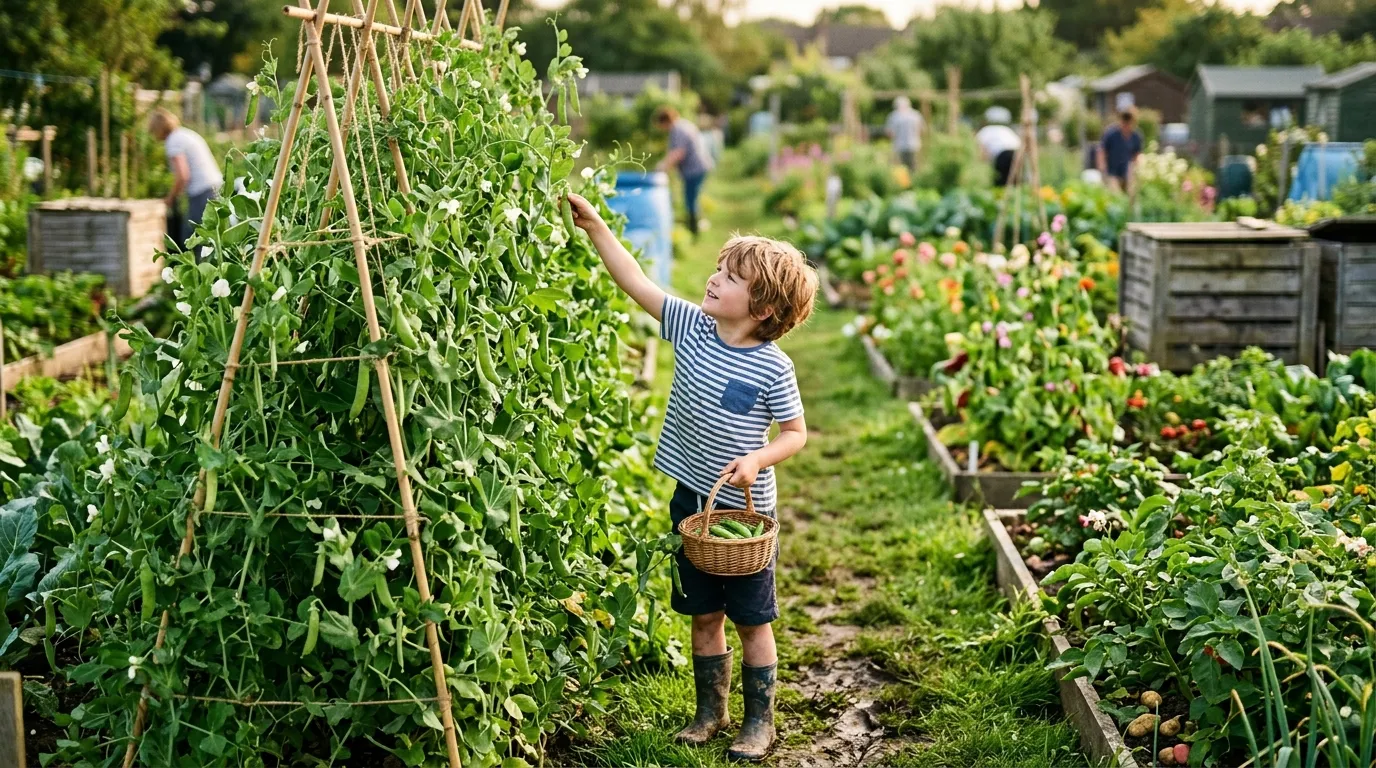
Peas grow fast enough to hold a child’s attention and sweet enough to eat straight off the plant
Runner beans: the beanstalk experience
Runner beans are the most dramatic vegetable a child can grow. They climb to 2-2.5m in a single season, growing up to 8cm per day at peak in July. The scarlet flowers attract bumblebees. The beans themselves are unmissable, hanging in clusters up to 25cm long. For the complete growing method, see our runner bean guide.
Sow seeds indoors in 9cm pots from late April, or directly outside from mid-May after the last frost. Push one seed 5cm deep into each pot. Seeds are 2cm long, perfect for small hands. Germination takes 7-10 days. Plant out seedlings at the base of a bamboo cane wigwam when 15-20cm tall, spacing plants 15cm apart.
Build a bean wigwam: Push 6-8 bamboo canes (2.4m long) into the ground in a circle of 60cm diameter. Tie the tops together with garden twine. Plant one bean at the base of each cane. Within 6 weeks, the wigwam is covered in leaves and flowers. Within 8 weeks, it produces a daily harvest of beans. The structure doubles as a den for children to sit inside.
Varieties for kids: Scarlet Emperor (red flowers, heavy cropper), Painted Lady (red and white bicolour flowers), and Enorma (pods up to 30cm for competitions). A single wigwam of 8 plants yields 3-5kg of beans over the season, worth roughly £10-£15 from a £2 packet of seeds.
Potatoes: the treasure hunt crop
Potatoes are uniquely exciting for children because harvesting them feels like digging for buried treasure. Every forkful of soil reveals more potatoes. A single seed potato (costing 20-30p) produces 7-10 new potatoes. Our complete guide to growing potatoes covers chitting, earthing up, and variety selection.
Plant first early varieties like Rocket or Swift in March or April, 10-15cm deep and 30cm apart. These produce new potatoes in 10-12 weeks, the fastest potato harvest. Second earlies like Charlotte take 13-15 weeks but produce more tubers per plant.
Growing in bags: Potato growing bags (£2-£3 each) or old compost sacks work brilliantly on patios and balconies. Place one seed potato in 15cm of compost. As the shoots grow, keep adding compost until the bag is full. Harvest by tipping the whole bag out onto a sheet. Children find this far more exciting than fork-digging in the ground.
The maths lesson: Weigh the seed potato (roughly 50g). Weigh the harvest (typically 500-700g from one seed potato). That is a 10-14x return on investment. This is the simplest way to show children where food comes from and what growing achieves.
Lettuce: the cut-and-come-again crop
Lettuce teaches children about continuous harvesting. Cut-and-come-again varieties like Salad Bowl and Lollo Rossa regrow after cutting, producing 3-4 harvests from a single sowing. Sow directly outdoors from April to August, scattering seeds thinly over damp compost. Our growing lettuce guide covers varieties and bolting prevention.
Seeds are tiny (1-2mm), which makes them harder for small children to sow evenly. For ages 3-5, mix lettuce seed with dry sand in a salt shaker. The child shakes the mixture over the compost, and the sand spaces the seeds naturally. This trick avoids overcrowding without requiring fine motor skills.
First leaves are ready to cut in 30-45 days. Harvest outer leaves with scissors, leaving the central growing point intact. New leaves regrow in 14-21 days. A single 30cm pot produces enough salad for a family side dish every week from May to September.
Colourful varieties keep children interested. Red Salad Bowl has deep burgundy leaves. Lollo Rossa has frilly red-tipped edges. A mix of green and red varieties in one pot gives children a colourful harvest that looks different from shop-bought lettuce.
Cherry tomatoes: the summer prize
Cherry tomatoes are the most rewarding summer crop for children, but they require patience. Sow indoors in March at 18-21°C. Seeds germinate in 7-14 days. Seedlings need potting on twice before planting out after the last frost in late May. The first ripe fruit appears in July, roughly 70-85 days from transplanting.
Tumbling Tom is the best variety for children’s container gardens. It grows just 30-40cm tall, cascades over the edge of a hanging basket or pot, and produces hundreds of 2-3cm sweet red fruits without pruning or staking. A single plant in a 30cm pot yields 2-3kg of tomatoes over the season.
For taller plants, Gardener’s Delight grows to 1.5m and produces trusses of intensely sweet cherry fruits. It needs a sturdy cane and regular tying in. Side-shoot removal (pinching out) is a task children aged 7+ enjoy because they can see the immediate result.
The eating test: In our trials, children who would not eat supermarket tomatoes consistently ate home-grown cherry tomatoes warm off the vine. The flavour difference is significant. Shop-bought cherry tomatoes score around 4-5 Brix (sugar content). Home-grown Gardener’s Delight reaches 8-10 Brix when ripened on the plant in full sun.
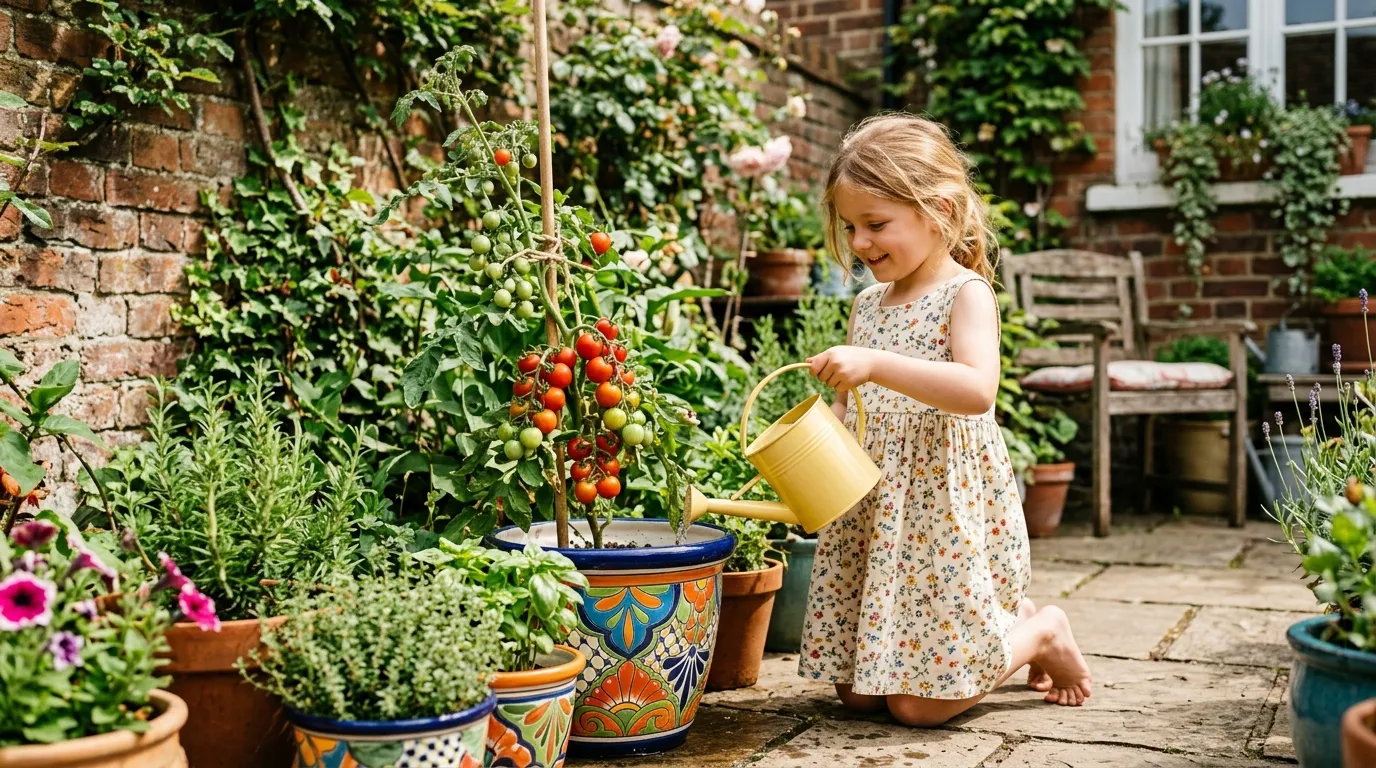
Cherry tomatoes in containers give children a daily watering task and a sweet summer harvest
More crops to add to the children’s garden
Courgettes
Courgettes grow at absurd speed once they start fruiting. A single plant produces 15-20 courgettes over the season. Sow indoors in April, plant out after the last frost. The enormous leaves (up to 40cm across) and bright yellow flowers fascinate children. Harvest courgettes at 15-20cm long. Leave one on the plant and it becomes a 40cm marrow within a week. That transformation teaches children about growth rates better than any textbook.
Strawberries
Strawberries are a long-term investment. Buy 6 bare-root plants (£5-£8 total) and plant from October to March. The first proper harvest comes in year two, producing 200-400g of fruit per plant from June to August. Children love picking warm strawberries straight from the plant. Grow in hanging baskets, raised beds, or purpose-built strawberry planters to keep fruit off the soil and away from slugs. Our growing strawberries guide covers varieties and runners.
Carrots
Carrots rank last for children because they take 70-100 days, show nothing above ground, and require thinning to 5cm apart. However, children aged 7+ who already enjoy gardening find the final pull satisfying. Grow Nantes types in sandy soil or containers of sieved compost. Avoid stony ground, which causes forking. Read our detailed guide to growing carrots for soil preparation and pest prevention.
Pumpkins
Pumpkins need space and patience (100-120 days to harvest), but the prospect of a Halloween pumpkin is powerful motivation. Sow indoors in April. Plant out in a sunny, sheltered spot after the last frost. Feed weekly with tomato fertiliser from July. Each plant needs 1.5-2 square metres. Jack O’Lantern is the classic carving variety, producing 3-5kg fruits. Atlantic Giant is for families who want to compete on size.
Month-by-month sowing and harvest calendar
This calendar is based on average UK conditions. Northern England and Scotland should add 2-3 weeks to outdoor sowing dates. Southern England can start 1-2 weeks earlier.
| Month | Sow indoors | Sow outdoors | Harvest |
|---|---|---|---|
| January | Cress (windowsill) | - | Cress |
| February | Cress, lettuce (windowsill) | - | Cress |
| March | Cherry tomatoes, courgettes, pumpkins, cress | Peas, radishes, potatoes (late March) | Cress |
| April | Runner beans, courgettes, pumpkins | Peas, radishes, lettuce, carrots, potatoes | Cress, radishes (late April) |
| May | - | Runner beans, courgettes (after last frost) | Radishes, lettuce, cress |
| June | - | Radishes, lettuce, peas (succession) | Peas, radishes, lettuce, strawberries |
| July | - | Radishes, lettuce (succession) | Peas, beans, lettuce, tomatoes (late July), courgettes, strawberries |
| August | - | - | Beans, tomatoes, courgettes, lettuce, radishes, potatoes |
| September | Cress (windowsill) | - | Beans, tomatoes, courgettes, potatoes, carrots |
| October | Cress (windowsill) | - | Pumpkins, carrots, last tomatoes |
Gardener’s tip: Print this calendar and pin it on the fridge. Let the child tick off each sowing and harvest date. The visual progress of ticking off months keeps motivation high across the whole season.
Why children lose interest and how to prevent it
Understanding why children disengage from growing projects is as important as choosing the right crops. After 6 seasons of observation, three root causes account for almost every abandoned vegetable patch.
Too slow, no visible progress
This is the number one reason. A child who sows carrot seeds in April sees nothing but a few wispy fronds for 10 weeks. By June, they have forgotten about the carrots entirely. The fix is brutally simple: always start with a fast crop. Cress in 5 days. Radishes in 25 days. Once a child has experienced the cycle of sowing, growing, and eating, slower crops feel like a worthwhile challenge rather than a frustrating wait.
No ownership
Children need their own dedicated space. A corner of a parent’s vegetable bed does not work. Give each child a specific container, raised bed section, or clearly labelled row. Handmade plant labels with the child’s name and sowing date create ownership. A painted pot is more engaging than a plain terracotta one. The gardening matters less than the feeling that this patch is theirs.
Adult takeover
Parents who correct technique, re-sow “properly,” or harvest before the child gets home destroy engagement instantly. A wonky row of radishes sown by a 4-year-old will still produce radishes. Let children make mistakes. Overwatered seedlings, uneven spacing, and forgotten watering days are all learning opportunities. The only adult interventions that matter are safety (sharp tools, toxic plants) and slug control (because losing an entire crop to slugs overnight is genuinely discouraging).
Common mistakes parents make
Mistake 1: Starting with slow crops
Carrots, parsnips, and sweetcorn all take 12-20 weeks. They are terrible first vegetables for children. Start with radishes, cress, or lettuce. Build up to slower crops once the child is already invested in the garden.
Mistake 2: Sowing too early outdoors
Sowing runner beans outdoors in April, before the last frost, kills them. Check the average last frost date for your area. In most of England, that is mid-May. In Scotland, it is early June. Soil temperature matters more than air temperature. Seeds rot in cold, wet soil below 7°C.
Mistake 3: Overcrowding
Children pour entire packets of seed into a single pot. The result is hundreds of spindly seedlings competing for light and nutrients, none of which produce a decent crop. Teach the “one finger space” rule: one seed, one finger-width gap. For larger seeds like beans and peas, use the “one fist” rule.
Mistake 4: Forgetting to water in summer
Container-grown vegetables in July need watering every single day, sometimes twice. A forgotten weekend dries out pots completely. Set a daily routine: water the vegetables immediately after breakfast. Give the child their own small watering can (1-2 litre capacity) so they can manage it independently.
Mistake 5: No pest protection
Slugs, snails, and pigeons destroy unprotected seedlings overnight. Use copper tape around pots (£3-£4 per roll), wildlife-friendly slug pellets (ferric phosphate based, £4-£5), and netting over brassicas and lettuce. Losing an entire crop to pests is the fastest way to end a child’s interest in gardening.
The science children can observe
Growing vegetables is a live biology lesson. Here are the specific stages children can watch and measure.
Germination stages
- Day 1-2: Seed absorbs water and swells to twice its dry size (visible with large seeds like peas and beans)
- Day 2-4: Seed coat splits and the radicle (root) emerges downward
- Day 4-7: The plumule (shoot) pushes upward through the soil surface
- Day 7-14: First cotyledon leaves open and begin photosynthesis
- Day 14-21: First true leaves appear, looking different from the cotyledons
Children can observe these stages clearly with bean seeds grown in a damp paper towel inside a glass jar pressed against the glass. This lets them watch the root and shoot develop without disturbing the seed.
Growth rate measurement
Give children a ruler and a notebook. Measure the same plant at the same time each day. Runner beans in July grow 5-8cm per day. Sunflowers grow 3-5cm per day. Growing sunflowers makes an excellent height competition alongside the vegetable garden. Recording measurements and drawing a simple bar chart turns gardening into a maths and science project.
Seed to plate timings
| Crop | Seed to germination | Germination to first leaf | First leaf to harvest | Total days |
|---|---|---|---|---|
| Cress | 1-2 days | 2-3 days | 2-3 days | 5-7 |
| Radishes | 3-5 days | 5-7 days | 15-20 days | 25-30 |
| Lettuce (baby leaf) | 5-7 days | 7-10 days | 15-25 days | 30-45 |
| Peas | 7-10 days | 10-14 days | 40-50 days | 60-75 |
| Runner beans | 7-10 days | 10-14 days | 40-50 days | 60-70 |
| Cherry tomatoes | 7-14 days | 14-21 days | 50-60 days | 70-85 |
| Potatoes | 14-21 days | 14-21 days | 40-50 days | 70-90 |
| Carrots | 10-14 days | 14-21 days | 45-65 days | 70-100 |
| Pumpkins | 7-10 days | 14-21 days | 80-90 days | 100-120 |
Budget breakdown for a children’s vegetable garden
Growing vegetables with children is remarkably cheap. Here is the realistic cost for a full season using 6-8 crops.
| Item | Cost | Notes |
|---|---|---|
| 5 packets of seed (radish, peas, beans, lettuce, courgette) | £5-£10 | One packet each, surplus seeds for next year |
| Peat-free compost (40L bag) | £4-£6 | Enough for 10-12 pots or a 1.2m raised bed |
| 6 seed potatoes | £1-£2 | Buy loose from a garden centre in February |
| 6 strawberry plants (bare root) | £5-£8 | One-off cost, plants produce for 3-4 years |
| Bamboo canes (2.4m, pack of 10) | £3-£5 | For runner bean wigwam |
| Slug pellets (ferric phosphate) | £4-£5 | Wildlife-safe, one box lasts the whole season |
| Child’s watering can | £2-£4 | Pound shop or garden centre |
| Total first year | £24-£40 | |
| Total subsequent years (seeds and compost only) | £10-£16 |
Seeds last 2-4 years if stored in a cool, dry place. Strawberry plants produce for 3-4 years. Bamboo canes last 4-5 seasons. The ongoing cost of a children’s vegetable garden drops to under £15 per year after the first season.
Essential kit for young gardeners
Children do not need specialist tools. A few cheap items make the experience safer and more independent.
Watering: A 1-2 litre watering can with a fine rose head (£2-£4). Avoid full-size cans as they are too heavy. A spray bottle works for windowsill seedlings.
Sowing: Dibbers can be replaced with a pencil or lolly stick. Labels made from cut-up yoghurt pots and permanent marker. Child-safe scissors for harvesting cress and salad leaves.
Containers: Recycled yoghurt pots (punch drainage holes), toilet roll tubes (biodegradable starter pots), mushroom trays from the supermarket (free seed trays). Purpose-built children’s gardening kits cost £8-£15 but are not necessary.
Clothing: Wellies and an old t-shirt. Gardening gloves for children aged 5+ when handling compost. Under-5s prefer bare hands and will reject gloves entirely.
How to set up a children’s vegetable patch
The physical space matters. A well-designed children’s growing area is low enough to reach, close to the house (so they see it daily), and separated from the adult garden.
Raised beds at 30-40cm height suit children aged 5-12. A 1.2m x 0.6m bed is ideal. Fill with a 50:50 mix of topsoil and peat-free compost. Total setup cost: £15-£25 for timber and soil.
Containers suit any age. Group 4-6 pots of different sizes on a patio or balcony. Assign each pot to a different crop. Label everything with the child’s name and the crop.
Grow bags (£3-£4 each) laid flat on a patio are the cheapest no-dig option. Cut three planting holes in the top. Each bag suits 3 tomato plants, 6 lettuce, or 20 radishes.
Allotment plots that welcome children often allocate a small corner (2m x 1m) specifically for young growers. Check with your local authority. The National Allotment Society maintains a register of allotment sites across the UK.
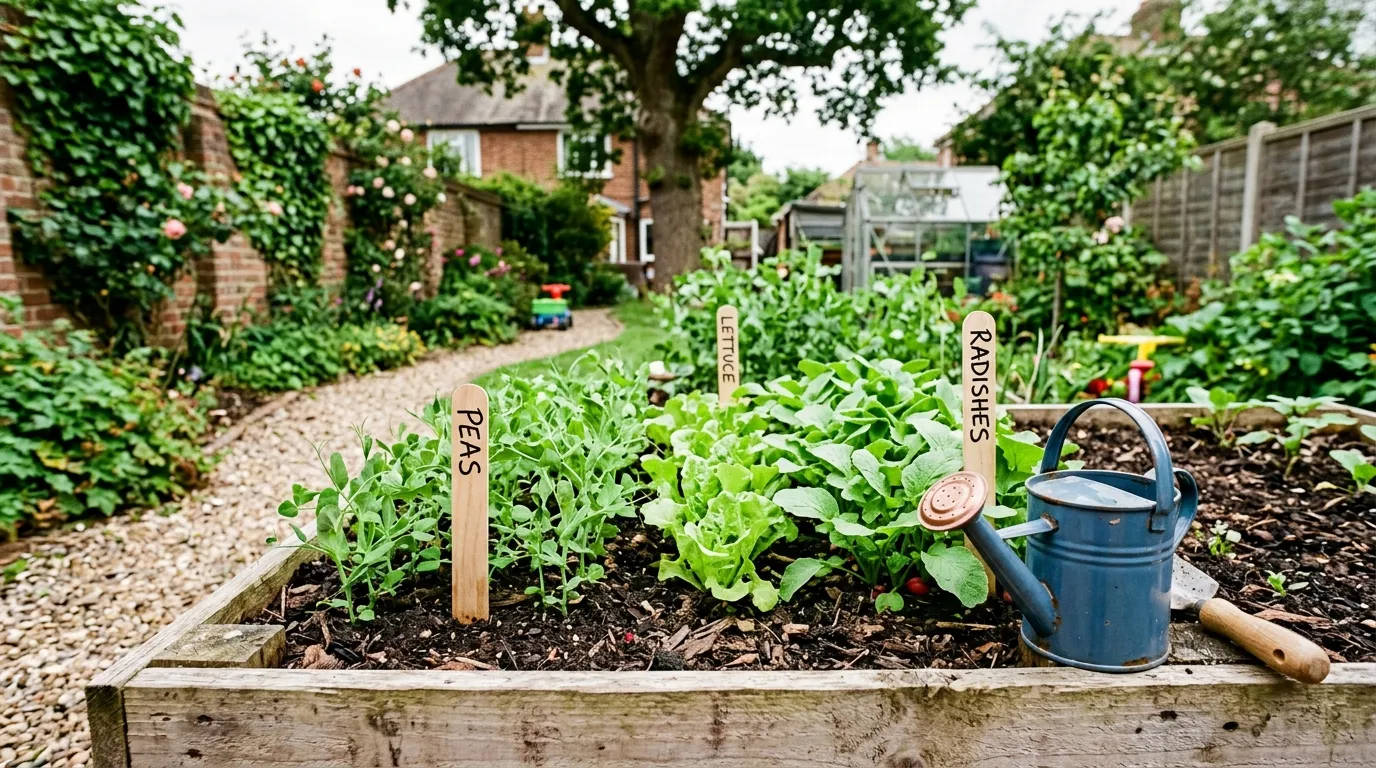
A child-height raised bed keeps crops accessible and separated from the rest of the garden
Frequently asked questions
What is the easiest vegetable for a child to grow?
Cress is the easiest, ready to eat in 5-7 days. It grows on damp kitchen roll without soil, making it suitable for children as young as two. Radishes are the easiest outdoor vegetable, producing roots in 25-30 days from direct sowing. Both crops need minimal care and almost always succeed.
When should children start growing vegetables in the UK?
Start indoor sowing from March. Cress and salad leaves grow on a windowsill any time from February onwards. Outdoor sowing of hardy crops like peas, broad beans, and radishes begins in late March to April when soil reaches 7-10°C. Tender crops like runner beans and courgettes go outside after the last frost, usually mid-May.
How much does it cost to grow vegetables with kids?
A full season costs under £15 in seeds and compost. Individual seed packets cost £1-£3 each. A 40-litre bag of peat-free compost costs £4-£6. Recycled containers, yoghurt pots, and toilet roll tubes work as free seed starters. Growing from seed is 5-10 times cheaper than buying plug plants.
Can children grow vegetables in pots?
Most child-friendly vegetables grow well in pots. Cherry tomatoes, lettuce, radishes, and strawberries all thrive in containers of 25-30cm diameter. Runner beans need a minimum 40cm pot with a cane support. Use peat-free multipurpose compost, water daily in summer, and place in at least 6 hours of sun.
Why do children lose interest in growing vegetables?
Slow results are the main cause. Crops taking 12 or more weeks give no visible reward. Start with fast crops: cress in 5-7 days, radishes in 25 days, lettuce in 4-5 weeks. Involve children in daily watering and measuring. Give them their own labelled patch or pot so they feel ownership of the project.
What vegetables can a 3 year old plant?
Three year olds manage any large seed. Peas, runner beans, broad beans, courgettes, and sunflowers all have seeds big enough for small fingers to grip and push into compost. Potatoes are perfect as they just need dropping into a hole. Avoid tiny seeds like carrots and lettuce for this age group.
Do I need a garden to grow vegetables with children?
No garden is needed. Cress grows on a kitchen windowsill. Lettuce, radishes, and cherry tomatoes grow in pots on a balcony, patio, or doorstep. A single grow bag from a garden centre costs £3-£4 and holds three tomato plants or a row of radishes. Window boxes suit salad leaves and herbs.
Now you have a plan for a full season of growing with your children. Start with cress this week, sow radishes next weekend, and work through the calendar one crop at a time. For more hands-on ideas to keep children busy outdoors, read our guide to gardening projects for kids in the UK.
Lawrie has been gardening in the West Midlands for over 30 years. He grows his own veg using no-dig methods, keeps a wildlife-friendly garden, and writes practical advice based on real UK growing conditions.