Best Open Gardens to Visit in the UK
Discover the best open gardens to visit across the UK. From historic estates to cottage plots, with visiting tips and seasonal highlights.
Key takeaways
- The National Garden Scheme opens over 3,500 private gardens each year
- Sissinghurst, Great Dixter, and Hidcote are among the most visited UK gardens
- April to June is peak season for spring borders and bluebell displays
- Many open gardens charge just £5-£10 with proceeds going to charity
- Kew Gardens has over 50,000 living plants across 132 hectares
- Scotland's Crarae and Inverewe gardens are worth the journey north
Open gardens offer one of the finest ways to spend a day outdoors in Britain. Whether you visit a grand country estate, an RHS flagship, or a neighbour’s back garden through the National Garden Scheme, every open garden tells a story of soil, seasons, and the people who tend them.
The UK is home to some of the world’s most celebrated gardens. Over 3,500 private gardens open their gates each year through the National Garden Scheme alone. Add National Trust properties, English Heritage sites, RHS gardens, and independent estates, and the number of gardens you can visit runs into the tens of thousands. This guide covers the very best, grouped by type, with practical visiting details so you can plan your trips with confidence.
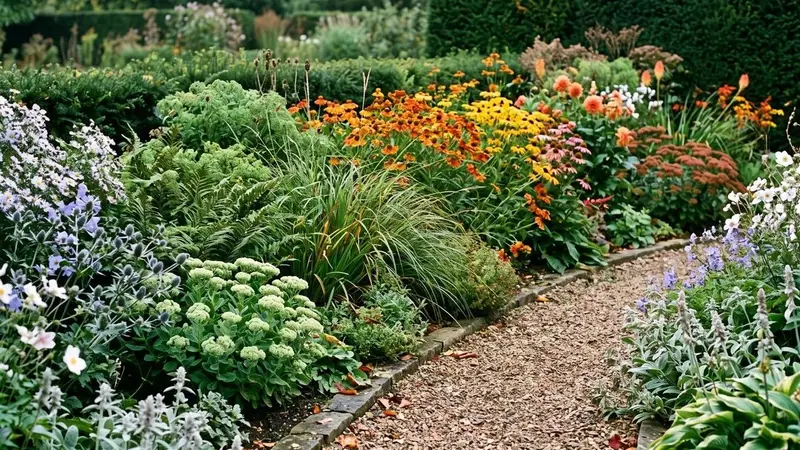
Classic English herbaceous borders in full summer bloom at a historic garden
Best historic gardens to visit
Historic gardens combine centuries of horticultural design with mature plantings that no new garden can replicate. These five are worth travelling the length of the country to see.
Sissinghurst Castle Garden, Kent
Sissinghurst is the garden that launched a thousand imitators. Created by Vita Sackville-West and Harold Nicolson in the 1930s, it is divided into a series of outdoor rooms enclosed by tall brick walls and clipped yew hedges. The White Garden is the most famous single garden room in Britain. White roses, white delphiniums, and silver artemisia glow against dark hedging. The Cottage Garden blazes with hot oranges and reds in midsummer. Sissinghurst is managed by the National Trust. Adult entry costs £15. Book timed tickets in advance during June and July, as the garden reaches capacity by mid-morning. Allow three hours minimum.
Hidcote Manor Garden, Gloucestershire
Hidcote is the original Arts and Crafts garden. Major Lawrence Johnston created it from a bare hillside above Chipping Campden, starting in 1907. The garden is arranged as a sequence of hedged rooms, each with a distinct colour theme or planting style. The Red Borders are its most dramatic feature: deep crimson dahlias, dark-leaved cannas, and red hot pokers lined up against mix hedges of copper beech and yew. The Bathing Pool Garden uses cool blues and whites as a deliberate contrast. Hidcote is a National Trust property. Entry is £13 for non-members. Visit in late June for the peak of the herbaceous borders, which inspired countless cottage garden planting plans across the country.
Great Dixter, East Sussex
Great Dixter is the legacy of Christopher Lloyd, one of Britain’s most influential gardening writers. The Long Border stretches 60 metres and mixes perennials, annuals, and tropical plants with a fearless approach to colour. Lloyd was famous for tearing out his rose garden and replacing it with exotic plantings of cannas, dahlias, and bananas. The meadow gardens at Great Dixter are among the finest in the country: native wildflowers allowed to seed naturally through mown grass. Entry costs £14.50. The nursery sells plants propagated from the garden. Visit from July to September for the exotic garden at its peak.
Stourhead, Wiltshire
Stourhead is a landscape garden on a grand scale. Created in the 1740s, it centres on a man-made lake surrounded by classical temples, grottoes, and rare specimen trees. The walk around the lake takes about 90 minutes and passes through woodland thick with rhododendrons and azaleas in spring. Autumn colour is equally spectacular, with Japanese maples and tupelo trees reflected in the still water. Stourhead is managed by the National Trust. Entry is £17 for the house and garden combined. Spring and autumn are the two peak seasons here.
Bodnant Garden, Conwy
Bodnant sits above the River Conwy in North Wales with views towards Snowdonia. Its Laburnum Arch is one of the most photographed features of any British garden. In late May, the 55-metre tunnel drips with golden flower chains. Below the formal terraces, the Dell follows a stream through mature woodland planted with magnolias, camellias, and embothriums. Bodnant is a National Trust property. Entry is £14.50. The plant sales area is excellent. Visit in late May for the laburnum or October for autumn colour.
Best RHS gardens to visit
The Royal Horticultural Society runs five gardens across England. All are free for RHS members. Non-member entry ranges from £12 to £16.95. Each garden serves a different climate and region, so the plantings vary considerably.
RHS Wisley, Surrey
Wisley is the RHS flagship. Its 97 hectares include the Glasshouse (home to tropical and arid-zone plants), the Mixed Borders (the longest in the country at 128 metres), and extensive trial grounds where new varieties are tested for hardiness and performance. The Exotic Garden shows what bold planting looks like in a British setting. The Rock Garden is one of the finest in Europe. Wisley is 30 minutes from central London by train. Non-member entry is £16.95. Allow a full day.
RHS Harlow Carr, North Yorkshire
Harlow Carr sits on the edge of Harrogate and demonstrates what grows well in northern England’s colder, wetter climate. The Streamside Garden is its standout feature: moisture-loving plants along a natural beck. The Kitchen Garden shows productive growing at its best. If you grow flowering shrubs in a northern garden, Harlow Carr’s borders show what thrives without winter protection. Betty’s Tea Rooms on site serves excellent cakes.
RHS Hyde Hall, Essex
Hyde Hall occupies an exposed hilltop in one of the driest parts of England. The Dry Garden proves that spectacular planting is possible without irrigation. Mediterranean herbs, ornamental grasses, and drought-tolerant perennials thrive in the thin, chalky soil. The Global Growth Vegetable Garden is the best kitchen garden in any RHS property.
RHS Rosemoor, Devon
Rosemoor in Great Torrington benefits from Devon’s mild, moist climate. The Rose Garden contains over 2,000 roses in formal beds. The Cottage Garden shows traditional planting at its finest. The Arboretum is young but growing fast, with good autumn colour from acers and liquidambar.
RHS Bridgewater, Greater Manchester
Bridgewater opened in 2021 and is the newest RHS garden. Located at Worsley New Hall, it includes a 4.5-hectare Walled Garden, one of the largest in Europe. The Chinese Streamside Garden and the Paradise Garden show contemporary planting design. Non-member entry is £14.95.
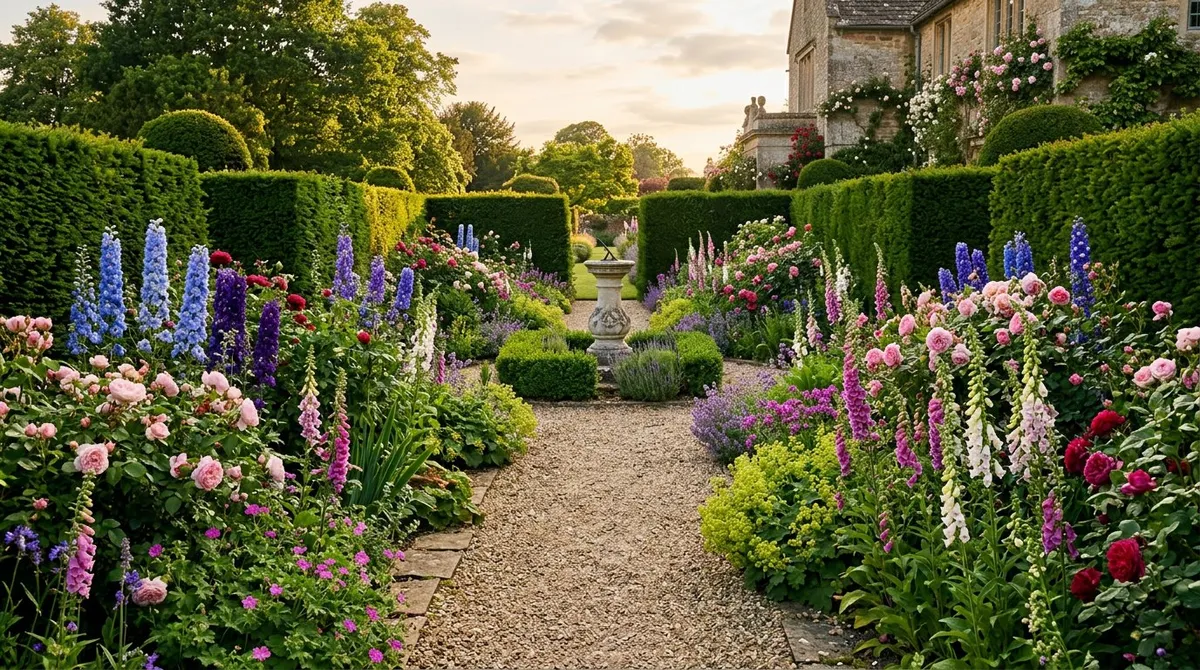
Walled gardens offer sheltered conditions for roses and tender perennials
Best botanical gardens in the UK
Botanical gardens combine scientific collections with beautiful design. They are the best places to learn about plants from around the world.
Royal Botanic Gardens, Kew
Kew holds over 50,000 living plants across 132 hectares in southwest London. The Palm House, built in 1848, contains tropical rainforest plants beneath a soaring glass canopy. The Temperate House is the world’s largest surviving Victorian glass structure. The Princess of Wales Conservatory holds ten climate zones under one roof. Kew’s Treetop Walkway gives aerial views of the canopy. The Rock Garden, Alpine House, and Grass Garden are outstanding specialist collections. Adult entry is £19.50. Allow a full day, ideally two. If you are interested in how to grow wisteria, Kew’s specimen near the Palm House is one of the oldest in Britain.
Royal Botanic Garden Edinburgh
Edinburgh’s Botanics cover 28 hectares on Inverleith Row, a short walk from the city centre. Entry to the garden is free. The glasshouses cost £7.50. The Rock Garden, created in 1871, is one of the finest alpine collections in the world. The Chinese Hillside mirrors plant habitats in Yunnan province. The Herbaceous Border runs 165 metres and peaks in July. The views south towards Edinburgh Castle are superb.
Cambridge University Botanic Garden
Cambridge Botanic Garden covers 16 hectares and holds over 8,000 plant species. The Winter Garden is one of the best in Britain, with scented shrubs and coloured bark providing interest from November to February. The Systematic Beds arrange plants by family, making it easy to understand relationships between species. Entry is £7.50.
University of Oxford Botanic Garden
Founded in 1621, Oxford Botanic Garden is the oldest in Britain. It is compact at just 1.8 hectares but densely planted. The Walled Garden contains order beds arranged by plant family. The glasshouses hold tropical, arid, and carnivorous plant collections. Entry is £6.35.
Chelsea Physic Garden, London
Chelsea Physic Garden was founded in 1673 for the study of medicinal plants. It sits behind high walls on the Thames embankment in Chelsea. The Garden of Edible and Useful Plants shows how many everyday foods, medicines, and materials come from plants. Entry is £13. Open Wednesday to Sunday from April to October.
Best open gardens in Scotland
Scotland’s west coast benefits from the Gulf Stream, allowing tender plants to thrive at latitudes where you would expect only heather and pine. These four gardens exploit that mild, wet climate to spectacular effect.
Crarae Garden, Argyll
Crarae is a woodland garden in a steep gorge on the shores of Loch Fyne. Himalayan rhododendrons, Chilean embothriums, and Japanese acers grow along a tumbling burn. The autumn colour rivals any garden in Britain. Managed by the National Trust for Scotland. Entry is £7.50.
Inverewe Garden, Wester Ross
Inverewe sits on a peninsula in the Scottish Highlands, warmed by the North Atlantic Drift. Osgood Mackenzie created the garden from bare, rocky hillside starting in 1862. Today it holds tree ferns, Himalayan blue poppies, and plants from the southern hemisphere that would perish in most of mainland Britain. Managed by the National Trust for Scotland. Entry is £13.50.
Drummond Castle Gardens, Perthshire
Drummond Castle has one of the finest formal gardens in Scotland. Viewed from the terrace above, the Italian-style parterre spreads out in geometric patterns of clipped box, gravel, and colourful bedding. St Andrew’s Cross forms the central design. Entry is £7. Open May to October.
Royal Botanic Garden Edinburgh (at Benmore)
Benmore Botanic Garden is a satellite of Edinburgh’s Botanics, set in Argyll’s Cowal peninsula. The avenue of giant redwoods, planted in 1863, frames the entrance. The collection of over 300 rhododendron species flowers from February to June. Entry is £7.50.
National Garden Scheme open days
The National Garden Scheme is a charity that opens private gardens to the public. Founded in 1927, it originally raised funds for district nurses. Today, proceeds support Macmillan Cancer Support, Marie Curie, Hospice UK, and other nursing charities. Since its founding, the NGS has donated over £70 million.
Over 3,500 gardens open each year across England, Wales, and Northern Ireland (Scotland has its own scheme, Scotland’s Gardens). Gardens range from large country estates to tiny courtyard plots. Many are the private gardens of passionate amateur gardeners who open their gates for just one or two weekends a year.
How to find NGS gardens
The NGS website and free app list every participating garden with opening dates, descriptions, photographs, and directions. You can search by county, date, or garden features. The annual Yellow Book (£14.99) lists every garden in print. Most gardens open between April and September, with peak openings in June.
What to expect
Entry typically costs £5 to £10 per adult. Children usually enter free. Most gardens serve homemade teas and cakes, often in the garden owner’s kitchen or a marquee on the lawn. Many sell plants propagated from the garden. There is no need to book in advance for most NGS openings. Arrive early for the best plant selection and shortest queues for tea.
NGS gardens are the best places to see what real gardeners achieve in real conditions. The plots are not maintained by professional teams. They show honest, personal gardening at every scale. Visiting an NGS garden in your own area is the single best way to learn what grows well in your local soil and climate.
Why we recommend RHS membership for dedicated garden visitors: After visiting more than 200 open gardens across the UK over 30 years, an RHS membership consistently delivers the best return on investment for anyone serious about garden learning. Annual membership costs around £89 and gives free entry to all five RHS gardens plus over 200 partner gardens. At the current non-member rate of £16.95 per visit to Wisley alone, you recover the full cost in just six visits. The RHS app also gives real-time information on what is looking its best each week.
Now you’ve mastered choosing the best open gardens to visit, read our guide on cottage garden planting ideas for inspiration to bring home.
Best gardens to visit by season
Different gardens peak at different times. Planning your visits around the seasons means you see each garden at its finest.
| Season | Best gardens | What to see |
|---|---|---|
| Spring (April-May) | Sissinghurst, Bodnant, Kew, Sheffield Park | Bluebell woods, wisteria, tulips, magnolias, laburnum |
| Early summer (June-July) | Hidcote, Great Dixter, Wisley, Mottisfont | Roses, herbaceous borders, alliums, peonies |
| Late summer (August-September) | Great Dixter, Wisley, Beth Chatto | Dahlias, grasses, exotic plantings, late perennials |
| Autumn (October-November) | Stourhead, Westonbirt, Sheffield Park, Winkworth | Maples, tupelo trees, golden larch, beech colour |
| Winter (December-February) | Cambridge Botanic, Anglesey Abbey, Dunham Massey | Scented shrubs, snowdrops, coloured bark, witch hazel |
Spring is the busiest season for garden visiting. Bluebell woodlands at their peak draw large crowds. If you want to grow spring-flowering plants at home, our guide to how to grow roses covers everything from bare-root planting in November to first blooms in June.
Autumn is underrated. Stourhead and Sheffield Park are at their most beautiful in October when the trees reflected in still water produce mirror-image colour. Visit midweek for quieter paths.
Winter gardens are the hidden gems. Cambridge Botanic Garden’s Winter Garden proves that a small space can be full of interest from November to March. Anglesey Abbey near Cambridge has over 300 snowdrop varieties. If you want winter colour in your own garden, our front garden ideas guide includes winter planting schemes.
Tips for visiting open gardens
A good garden visit rewards preparation. These tips help you get more from every trip.
Wear layers. British weather changes fast. A sunny morning turns to rain by lunchtime. Carry a light waterproof and wear shoes suitable for gravel paths and wet grass.
Bring a notebook. Write down plant names, colour combinations, and design ideas that catch your eye. Photographs alone are not enough. You will forget the name of that perfect blue geranium by the time you get home. Note the plant label details: genus, species, and cultivar name.
Photograph with purpose. Take wide shots of borders to capture overall colour balance. Take close-ups of plant labels. Photograph the same border from both ends to see how the planting reads in different directions. Record the light conditions: a border that glows in afternoon sun may look flat at midday.
Buy plants from the garden. Many gardens run plant sales areas stocked with varieties propagated directly from the garden. These plants are proven performers in that soil and climate. They are often unusual varieties not found in garden centres.
Gardener’s tip: Carry a damp cloth bag or cool box in the car for plant purchases. Bare-root and potted plants suffer in a hot car boot. Water any bought plants as soon as you arrive home and pot them up or plant them within 48 hours.
Talk to the gardeners. Staff and volunteers at open gardens are usually passionate and knowledgeable. Ask what has worked well this year, what has failed, and what they would plant differently. You learn more in a five-minute conversation with a head gardener than in an hour of reading.
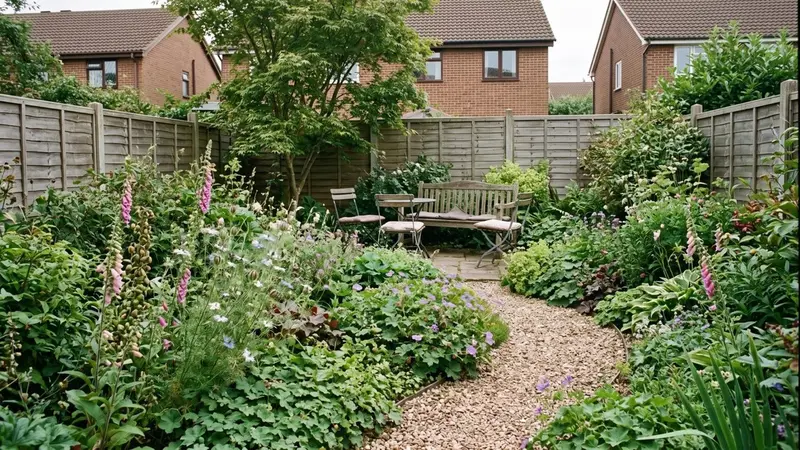
NGS cottage gardens show what passionate amateur gardeners can achieve in small spaces
How to plan a garden visiting day out
Combining two or three gardens in a single trip makes the most of a day out. Many of Britain’s best gardens are clustered in the same counties.
Kent has Sissinghurst, Great Dixter (technically just over the border in East Sussex), and Godinton House within a 40-minute drive of each other. The Cotswolds offers Hidcote, Kiftsgate Court (directly next door to Hidcote), and Bourton House. North Yorkshire has RHS Harlow Carr, Studley Royal, and Parcevall Hall within easy reach.
Plan your route to visit the smaller garden first, while you are fresh and attentive. Save the larger garden for the afternoon, when you can slow down and linger. Allow at least two hours per garden, three for larger properties.
Tea rooms matter. A good garden tea room turns a visit. Sissinghurst’s serves excellent scones. Betty’s at Harlow Carr is a destination in its own right. Pack a picnic if you are visiting NGS gardens, as homemade teas run out early on busy days.
Check accessibility before travelling. Larger National Trust and RHS gardens have good wheelchair and pushchair access on main paths. Many historic gardens have gravel paths, steep slopes, and narrow gates. NGS listings note accessibility details for each garden. Phone ahead if you have specific needs.
Consider a garden membership. If you plan to visit more than three National Trust properties in a year, membership pays for itself. RHS membership gives free entry to all five RHS gardens plus over 200 partner gardens worldwide. National Trust for Scotland membership covers Crarae, Inverewe, and other Scottish properties. For garden ideas for every budget, visiting open gardens is one of the cheapest ways to gather inspiration.
Common mistakes when visiting gardens
Even experienced garden visitors make these errors. Avoiding them makes every trip more productive and enjoyable.
Visiting too many gardens in one day. Two gardens is ideal. Three is manageable. Four leaves you exhausted and unable to absorb what you have seen. Garden visiting requires attention. Your brain needs time to process colour combinations, spatial design, and planting ideas. Cramming in too many visits turns a rewarding day into a forced march.
Ignoring the plant labels. Every labelled plant is a gift from the garden to you. It tells you the exact variety that creates that effect. Without the label, you are guessing when you try to recreate the planting at home. Always read labels and write names down.
Visiting only in summer. Most people visit gardens between June and August. This means they miss the snowdrop carpets of February, the magnolia blossom of March, and the fiery maples of October. A garden that looks ordinary in July may be breathtaking in April. The RHS garden finder shows what is looking good at every time of year.
Not checking opening times. Many gardens open only on specific days. NGS gardens may open for just one weekend a year. Some National Trust gardens close on Tuesdays and Wednesdays. Kew is open daily, but the glasshouses close earlier than the grounds. Always check before you travel. Arriving at a locked gate after a two-hour drive is a particular kind of disappointment.
Copying without adapting. A planting combination that looks stunning in the sandy soil of a Surrey garden may fail completely in heavy Midlands clay. Note the soil type and aspect of each garden you visit. Compare these conditions to your own plot before copying ideas directly. Our guide to small garden design ideas shows how to adapt grand garden ideas to compact spaces.
Frequently asked questions
When is the best time to visit open gardens in the UK?
Late April to mid-June is peak season. Spring borders, wisteria, and bluebell woodlands are at their best. Autumn visits in October offer stunning foliage colour at gardens like Westonbirt and Sheffield Park.
How much does it cost to visit open gardens?
National Garden Scheme gardens charge £5-£10 per adult. National Trust gardens are free for members or £10-£15 for non-members. RHS gardens are free for members. Kew costs £19.50 for adults.
What is the National Garden Scheme?
The NGS opens private gardens to the public. Over 3,500 gardens participate each year across England, Wales, and Northern Ireland. Entrance fees go to nursing and health charities.
Are open gardens suitable for children?
Most open gardens welcome children. Larger gardens like Kew, Wisley, and Alnwick have dedicated children’s areas. Check individual listings for pushchair access and play facilities.
Can I take my dog to open gardens?
Policies vary by garden. National Trust properties usually allow dogs on leads in grounds but not in formal gardens. NGS gardens set their own rules, listed on each garden’s page.
What are the best free gardens to visit in the UK?
RHS Wisley, Harlow Carr, Hyde Hall, and Rosemoor are free for members. The Cambridge Botanic Garden, Edinburgh Royal Botanic Garden, and many local council parks have free entry.
Lawrie has been gardening in the West Midlands for over 30 years. He grows his own veg using no-dig methods, keeps a wildlife-friendly garden, and writes practical advice based on real UK growing conditions.