Key takeaways
- UK hardiness zones have shifted roughly one zone north since 1980 due to warming winters
- Winter rainfall up 12% and summer rainfall down 14% in the Midlands over the past 30 years
- Four invasive pests have arrived: box tree moth, rosemary beetle, oak processionary, Asian hornet
- Delphiniums, hybrid tea roses, and hostas struggle with heat stress in hot dry summers
- Rain gardens and swales are the best fix for waterlogged clay gardens
- A 12-point action plan: swap thirsty plants, store rain, mulch deep, shade borders by noon
The UK climate has changed more in the past 40 years than at any point since Victorian times. Winters are milder and wetter. Summers are hotter and drier. Hardiness zones have shifted about one zone north since 1980, which means plants that once failed in Yorkshire now thrive there. The RHS Gardening in a Changing Climate report tracks these shifts and publishes updated plant advice every year.
This guide goes beyond the standard drought-tolerant plant lists. It covers what is actually happening to UK gardens, which plants no longer work, which ones now flourish, and a practical 12-point action plan you can start this weekend. For more on resilient planting, see our guide to climate-resilient plants for UK gardens.
How much has the UK climate actually changed?
The UK has warmed roughly 1.1C since 1980, with winters warming fastest. Met Office data shows February temperatures up around 1.5C on average. The last frost date has moved earlier by about 10 days across most of England. Growing seasons are now two weeks longer than in 1990.
Rainfall patterns have shifted too. Winter rainfall is up roughly 12% in the Midlands over 30 years. Summer rainfall is down around 14% in the same region. The rain still falls, but it arrives in concentrated bursts rather than steady drizzle. This is the worst possible pattern for established gardens because soil cannot absorb heavy downpours.
UK hardiness zones are shifting north
Most of England now sits in USDA zone 9a rather than zone 8b as it did in 1990. That means average winter minimums have risen from around -9C to around -7C. Cornwall and parts of West Wales now occasionally hit zone 9b with minimums of -4C or warmer.
Why are new pests arriving in my garden?
Warmer winters let southern European pests survive and spread north. Four major new arrivals have established in UK gardens in the past decade. Each one causes real damage and needs active management.
Box tree moth (Cydalima perspectalis)
Arrived from Asia via the Netherlands around 2008. By 2020 it had stripped box hedging across most of southern England. The caterpillars eat every leaf on a plant in days. There is no resistant box variety. Most gardeners now replace box with alternatives like Ilex crenata or Euonymus japonicus. See our full box tree moth treatment guide for the current control options.
Rosemary beetle (Chrysolina americana)
Oak processionary moth (Thaumetopoea processionea)
Established in London since 2005 and spreading north. The caterpillars cause oak defoliation and their hairs cause severe skin irritation in humans and pets. Any sighting should be reported to the Forestry Commission.
Asian hornet (Vespa velutina)
Which traditional favourites now struggle?
- Delphiniums crash in heat above 28C and collapse without daily watering
- Hybrid tea roses suffer heat scorch and blackspot outbreaks
- Astrantia wilts permanently without consistent moisture
- Hostas scorch badly in afternoon sun and attract more slugs
- Traditional lavender ‘Munstead’ rots in winter wet on clay
- Lupins finish two weeks earlier and look tired by July
This does not mean stop growing them. It means choose resistant varieties, mulch deeper, and accept higher losses. See our guide to drought-tolerant plants for UK gardens for reliable replacements.
Which plants now thrive in UK gardens?
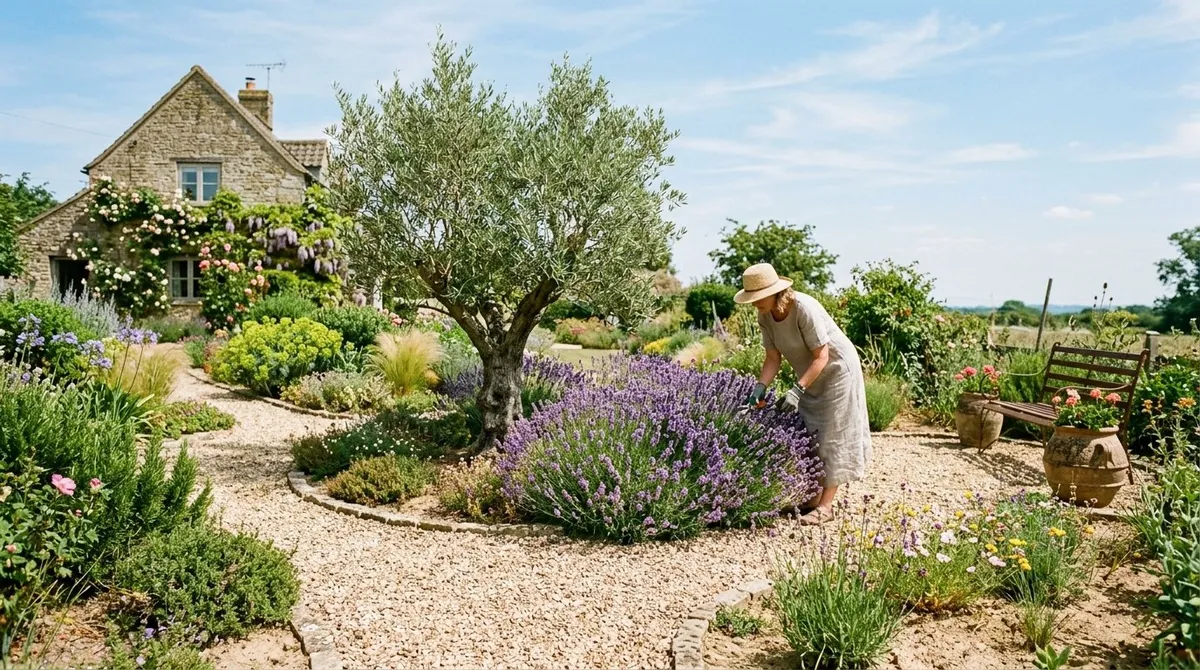
Mediterranean, prairie, and New Zealand plants now handle UK summers better than many native species. The rising winter minimums mean they survive where they once failed.
- Perovskia ‘Blue Spire’, 100cm purple haze June to October
- Verbena bonariensis, self-seeds endlessly, 150cm tall
- Stipa tenuissima, elegant grass movement, 60cm
- Salvia nemorosa ‘Caradonna’, deep purple spikes, 60cm
- Sedum ‘Herbstfreude’, autumn nectar for bees
- Echinops ritro, architectural globe thistle, 90cm
- Euphorbia characias, evergreen, zero care
- Eryngium bourgatii, silver sea holly
- Nepeta ‘Walker’s Low’, months of flower
- Cistus x purpureus, rock rose, silver foliage
Which plants worked in 1990 vs 2026?
Why is my clay garden waterlogged every winter?
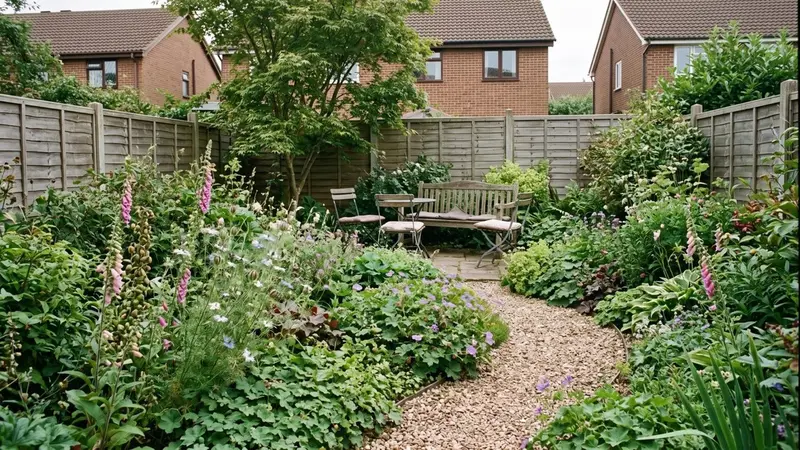
Winter rainfall in the Midlands has risen about 12% since 1990. Clay soils cannot drain that volume fast enough. Water sits on the surface for weeks, roots rot, and spring growth is delayed. This pattern is now standard rather than exceptional.
How do I store winter rain for summer use?
A 220-litre water butt captures around 25% of annual rainfall from an average roof. Two butts linked together provide useful summer reserves. Larger underground tanks hold 1,000 litres and supply a whole greenhouse through a drier spell. See our full guide to rainwater harvesting for gardens for installation detail.
The key point is this: catch it where it falls. Each downpipe is a free supply. Every square metre of UK roof collects roughly 800 litres a year. A small garden with two butts can meet most of its summer watering needs without using mains water. For watering technique, see how to water the garden properly.
Should I be using swales in my garden?
Swales are shallow contour channels that slow and spread rainwater runoff. On sloped gardens they work brilliantly. Dig a 20cm deep trench on the contour, mound the soil downhill, plant the mound with deep-rooted perennials. The swale catches rain, lets it soak in, and feeds planted roots directly.
Swales work best on gardens with a 1:20 slope or steeper. On flat gardens a rain garden achieves the same effect. Combine both for the best results on medium slopes.
How do I shade plants through heatwaves?
Borders that get afternoon sun now need some shelter through July and August. The sun angle is the same as it always was, but the air temperatures are higher. Roses, phlox, and astilbe all scorch when afternoon temperatures exceed 30C.
Practical options include:
What should I plant for wetter winters?
Choose plants that tolerate winter flooding and summer drought. The short list that handles both is small but reliable: Iris sibirica, Cornus sanguinea, Astilbe, Carex elata, Lythrum salicaria, Filipendula ulmaria, and Persicaria amplexicaulis.
Plant these in the low spots where water sits longest. On higher ground use mediterranean species. This makes a gradient from wet to dry across a single border, which looks natural and mimics real habitat.
The 12-point climate action plan
Follow this checklist over the next 12 months and your garden will handle the new UK climate far better.
- Map where water sits after heavy rain, these become rain garden zones
- Install a second water butt on any downpipe you currently miss
- Mulch every border 10cm deep with bark or garden compost
- Replace thirsty delphiniums with salvias or verbascums
- Remove dying box hedging and plant Ilex crenata
- Check rosemary and lavender monthly for rosemary beetle
- Add three tall grasses to every south-facing border
- Sow Verbena bonariensis and Nigella for free self-seeders
- Build one small rain garden in the lowest corner
- Group pots on the north side for heatwave weeks
- Add 40% shade cloth to your greenhouse from June
- Record last frost dates each spring to track your own shift
Common mistakes gardeners make adapting to climate change
Adding grit to clay rarely fixes waterlogging. You need volumes of grit that are impractical. Work with the water instead of fighting it.
Watering every day creates weak roots. Deep, infrequent soaks build drought resistance. Water twice a week in heatwaves, not daily.
Mediterranean plants in shade fail. They need full sun. Do not try to grow them where you currently grow hostas.
Box hedging will not recover. Once box tree moth arrives you will lose everything. Replace now rather than spray repeatedly.
Frequently asked questions
How is climate change affecting UK gardens?
UK gardens now face hotter drier summers and wetter milder winters. Hardiness zones have shifted about one zone north since 1980. Traditional favourites like delphiniums and hostas struggle in heat, while mediterranean plants thrive. Winter waterlogging on clay is the new normal.
Which plants are best for UK climate change?
Mediterranean and prairie plants handle the new UK climate best. Perovskia, Verbena bonariensis, Stipa grasses, Euphorbia, sedums, and salvias tolerate drought. For wet winters choose iris, astilbe, and cornus. Avoid thirsty plants like delphiniums, hostas, and hybrid tea roses in dry southern gardens.
Is the UK getting warmer?
Yes, the UK has warmed around 1.1C since 1980 with winters warming fastest. The Met Office records show February temperatures up 1.5C on average. Last frost dates have moved earlier by around 10 days. Growing seasons are roughly two weeks longer than in 1990.
What new pests are arriving in UK gardens?
Four major new pests have established in the past decade. Box tree moth, rosemary beetle, oak processionary moth, and Asian hornet have all spread north. Warmer winters let them overwinter successfully. The RHS tracks new pest arrivals and publishes ID guides each spring.
Do I still need to protect plants from frost?
Yes, frost protection still matters despite warmer winters. Late frosts in April and May have become more damaging because plants start growing earlier. Always have horticultural fleece ready from March onwards. Protect tender perennials and early fruit blossom on clear nights.
What is a rain garden?
A rain garden is a shallow planted basin that collects rainwater runoff. Usually 15-30cm deep, planted with species that tolerate both flooding and drought. They soak up winter rain, reduce garden waterlogging, and support wildlife. Iris, astilbe, carex, and cornus are the core planting.
Are roses still worth growing in the UK?
Yes, but choose disease-resistant modern shrub roses over hybrid teas. Rosa rugosa, David Austin English roses, and floribundas handle heat and drought better. Hybrid teas suffer blackspot and heat stress in hot dry summers. Mulch deeply every April to protect roots.
Our team produces practical UK gardening guidance from source research, contributor records and established horticultural practice. Editorial standards are overseen by Matt W.