Quick answer
The Christmas rose, Helleborus niger, is a hardy perennial with white, cup-shaped flowers from December to February. It's often sold in pots as a Christmas gift. Keep a gift plant somewhere cool and bright, then move it outside after a week or two. Plant it in part shade in rich, well-drained soil. All parts are poisonous, so keep it away from pets and children.
Key points6 at a glance
- The Christmas rose flowers from December to February, often a little after Christmas
- It's fully hardy and happiest outside, not as a houseplant
- Keep a gift plant cool, bright and moist, then move it outside within a week or two
- Plant in part shade, in rich, well-drained soil that isn't too acid
- White flowers turning pink or green as they age is normal
- All parts are poisonous, so wear gloves and keep it away from pets
In this article14 sections
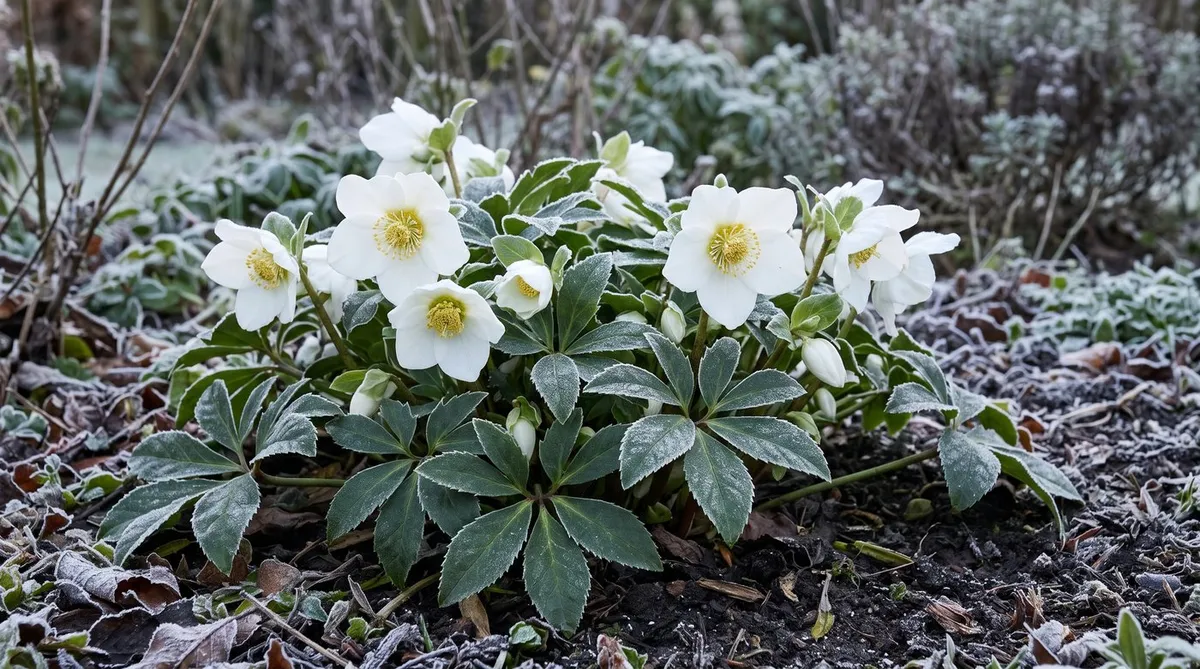
The Christmas rose is one of the loveliest winter flowers you can grow. Its pure white, cup-shaped flowers open from December to February, often with a dusting of frost. You’ll find it in shops at Christmas as a gift plant. Treat it as a garden plant, not a houseplant, and it’ll come back every winter for years.
This guide is all about the Christmas rose, Helleborus niger. For Lenten roses and other hellebores, see our guide to growing hellebores.
What is a Christmas rose?
Despite its name, the Christmas rose isn’t a rose at all. It’s a hellebore, a hardy perennial related to buttercups. It grows about 30cm tall, with leathery, dark green leaves.
The flowers are white with a ring of golden stamens in the middle. They face outwards or slightly upwards, so you can see into them more easily than most hellebores. What look like petals are actually sepals. That’s why they last for weeks on the plant.
In the ground, it usually flowers from late December to February. Plants sold in December have been grown under cover to bloom in time for Christmas.
Gardener’s tip: An old story says the Christmas rose grew from a girl’s tears in the snow. She had no gift for the baby Jesus. It’s a lovely tale to share when you give one as a present.
Looking after a gift Christmas rose
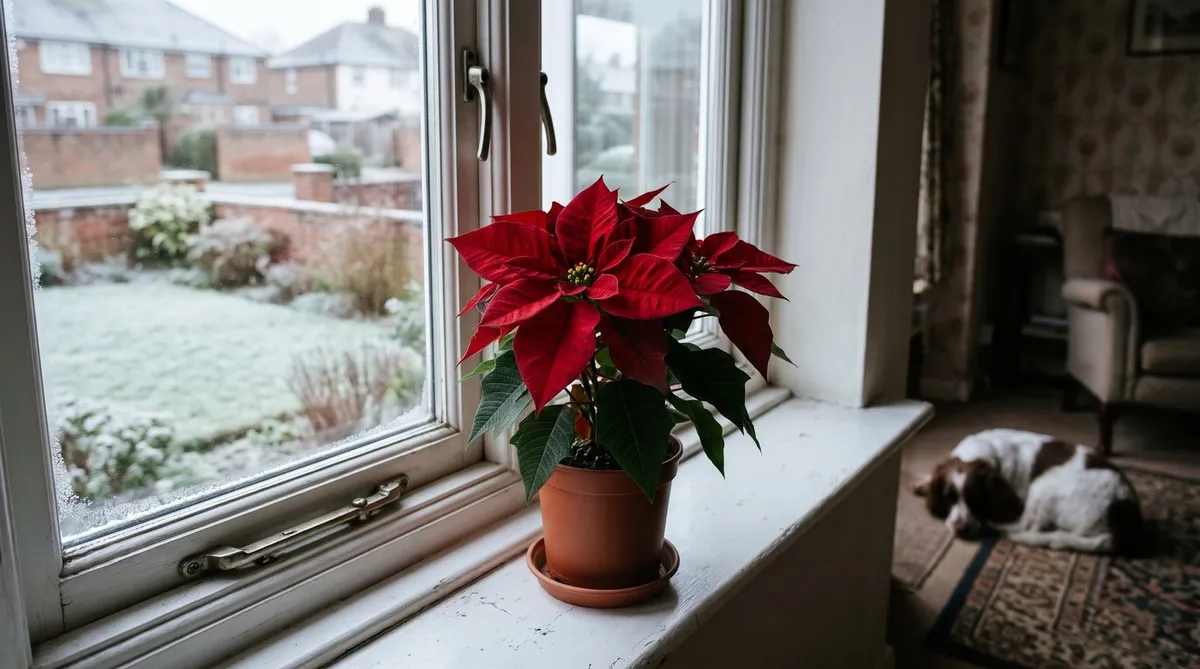
Potted Christmas roses are popular presents. They’re often sold in a pretty pot cover beside poinsettias. Unlike a poinsettia, though, the Christmas rose doesn’t want to live indoors.
Here’s how to keep a gift plant happy:
- Keep it cool. Stand it in the coolest bright room you have, such as a porch or a cool windowsill. Keep it away from radiators.
- Keep it moist. Water when the top of the compost feels dry. Tip out any water left in the pot cover.
- Enjoy it for a week or two. The warmer the room, the quicker the flowers fade.
- Move it outside. Put it outdoors in a sheltered, shady spot, such as by the back door. Do this gradually if it’s frosty.
- Plant it out. Plant it in the garden or a bigger pot in late winter or spring.
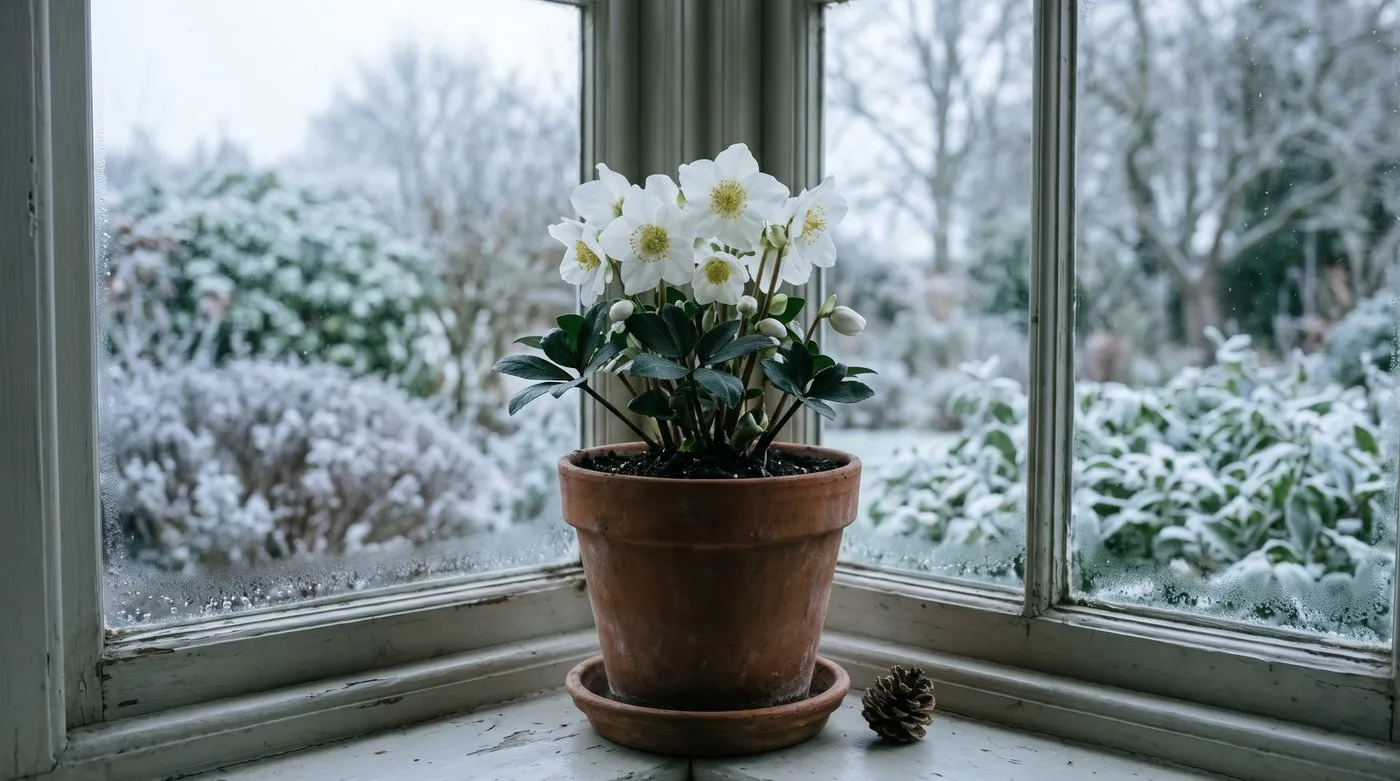
A gift plant is happiest in a cool, bright spot. Move it outside after a week or two.
Where to plant a Christmas rose
Christmas roses grow best in part shade, such as under deciduous shrubs or trees. They get winter sun when the branches are bare, and summer shade when the leaves are out.
They like rich, well-drained soil that holds some moisture in summer. Unlike many hellebores, they prefer neutral to chalky soil rather than acid soil. Heavy clay is fine if you dig in plenty of compost or leaf mould.
Plant them near a path or a window, where you’ll see the flowers in midwinter. A sheltered spot also keeps the white flowers cleaner. Our guide to plants for shade has ideas for planting partners.
How to plant a Christmas rose
Plant in autumn or spring, or straight after flowering if you’ve had it as a gift.
- If it’s been indoors, stand it outside in a sheltered spot for a few days first.
- Dig a hole twice as wide as the pot.
- Mix plenty of compost or leaf mould into the soil you dug out.
- Plant it at the same depth it was in the pot. Don’t bury the crown.
- Firm the soil gently and water well.
- Mulch around it with leaf mould or bark, keeping the mulch off the crown.
Space plants about 30 to 45cm apart. Christmas roses don’t like being moved once settled, so choose the spot with care.
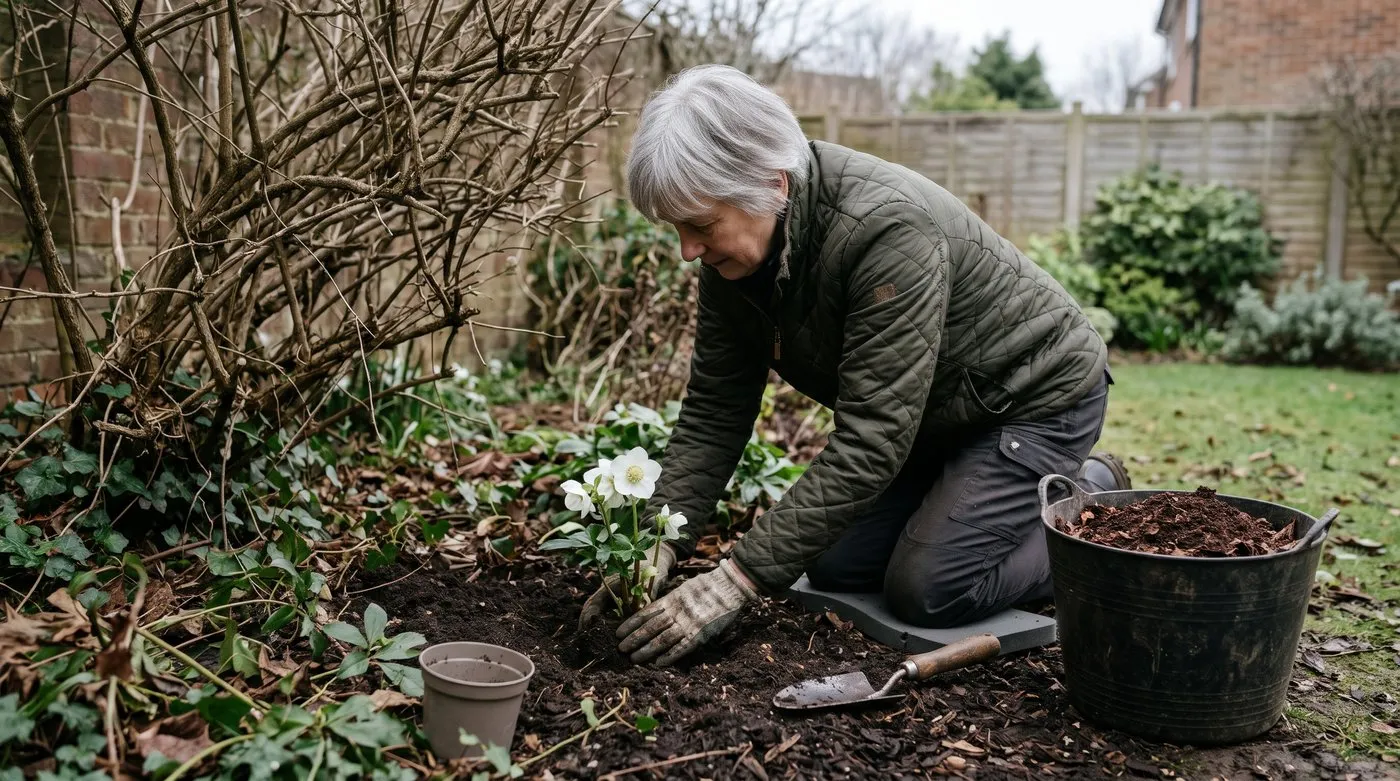
Plant it in part shade under a deciduous shrub, with plenty of leaf mould dug in.
Warning: All parts of the Christmas rose are poisonous if eaten, and the sap can irritate skin. Wear gloves when you plant, cut or divide it, and wash your hands afterwards.
Growing a Christmas rose in a pot
The Christmas rose is a lovely pot plant for a shady patio or by the front door. Use a pot at least 30cm wide with drainage holes. Fill it with soil-based compost, such as John Innes No. 3, mixed with a few handfuls of grit.
Water regularly in spring and summer, as pots dry out fast. Feed with a general liquid feed once a month from spring to late summer. Move it to a bigger pot every few years. Our guide to plants for pots all year round suggests good partners.
Caring for a Christmas rose through the year
Christmas roses need very little looking after once they’re settled.
Watering. Water in dry spells, especially in the first summer. They don’t like to dry out completely.
Feeding. Mulch with compost or leaf mould each autumn. A sprinkle of general fertiliser in spring helps too.
Tidying. Cut off any tatty or spotted leaves at the base. Unlike Lenten roses, you don’t need to cut all the leaves off in winter. Just remove the worst ones.
Deadheading. Once the flowers turn green and tatty, cut the stems off at the base. Leave a few if you’d like seedlings.
Why are my Christmas rose flowers turning pink?
This worries lots of people, but it’s perfectly normal. As the flowers age, the white sepals often blush pink, then slowly turn green. It happens faster in cold weather and once the flowers have been pollinated.
The green flowers can stay on the plant for weeks while the seeds form. They still look lovely, in a quieter way.
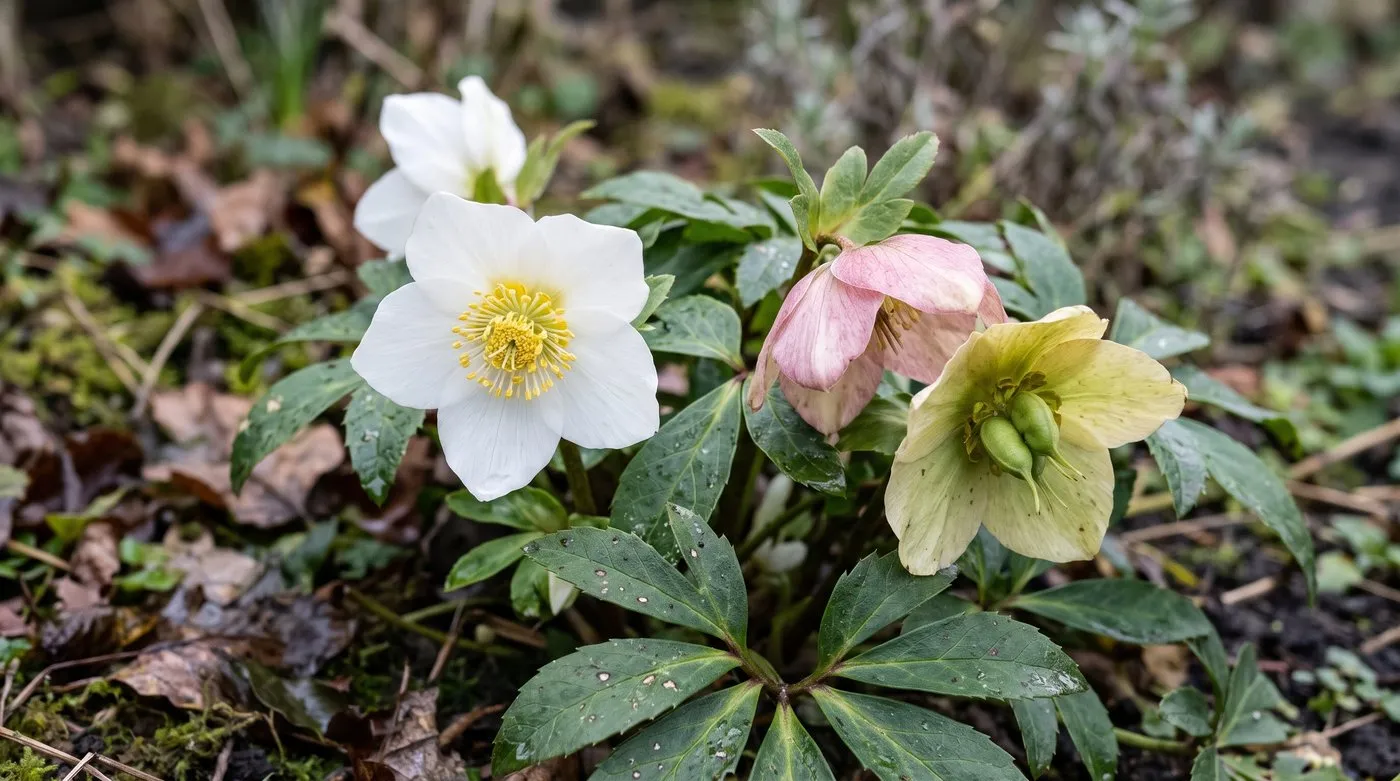
White flowers turning pink and then green as they age is completely normal.
Christmas rose problems
| Problem | Likely cause | What to do |
|---|---|---|
| No flowers | Young or newly moved plant, deep shade | Give it a year or two and a brighter spot |
| Dark blotches on leaves | Hellebore leaf spot, a fungal disease | Cut off and bin affected leaves |
| Flowers splashed with mud | Rain on bare soil | Mulch around the plant |
| Holes in new shoots | Slugs and snails | Use a ring of grit or wildlife-friendly slug traps |
| Wilting in a pot | Dry compost or vine weevil grubs | Water well and check the roots for white grubs |
| Flowers fade fast indoors | Room too warm | Keep it cool, then move it outside |
Cutting Christmas roses for the vase
Freshly picked Christmas roses often droop within a day. These tricks help them last:
- Pick older flowers. Flowers that have started to form seed pods in the middle last much longer in water.
- Float them. Cut the flower heads off with a short stem. Float them in a shallow bowl of water. They’ll stay fresh for days on a Christmas table.
- Slit the stems. Make a long cut up the base of each stem before you put it in water.
Our guide to making cut flowers last longer has more tips.
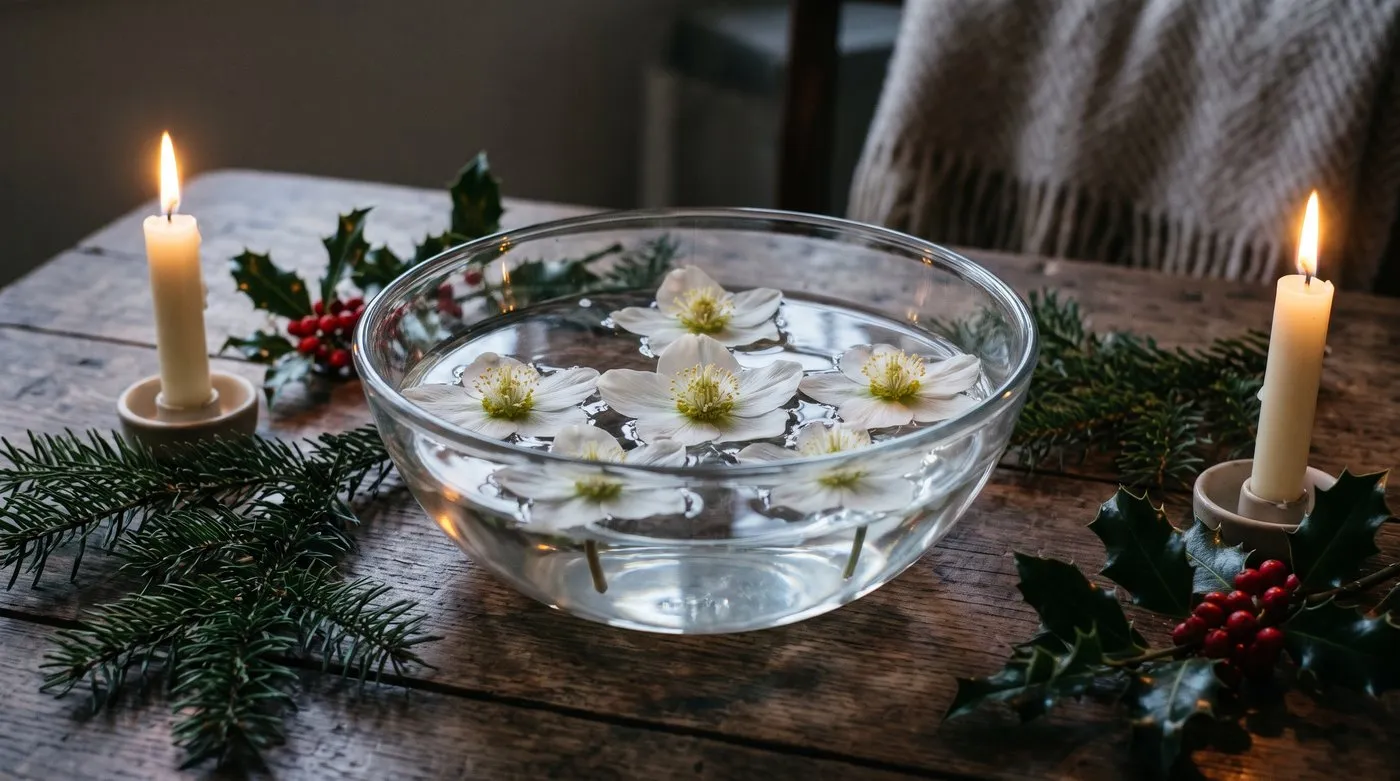
Floating the flower heads in a shallow bowl keeps them fresh for days.
Best Christmas rose varieties
| Variety | Flowers | Good for |
|---|---|---|
| Helleborus niger | White, December to February | The classic, for borders and pots |
| ’HGC Josef Lemper’ | Large white flowers, early | Reliable Christmas flowering |
| ’Christmas Carol’ | White, upward-facing | Pots and the front of borders |
| ’Potter’s Wheel’ | Very large white flowers | A showy specimen |
| ’Praecox’ | White, from November | The earliest flowers |
Christmas rose calendar
| Month | What to do |
|---|---|
| December to February | Enjoy the flowers. Keep gift plants cool |
| February to March | Deadhead faded flowers. Plant out gift plants |
| March to April | Feed and tidy tatty leaves |
| May to August | Water in dry spells, especially pots |
| September to November | Mulch with compost or leaf mould. Plant new plants |
Common mistakes with Christmas roses
Keeping it indoors as a houseplant is the most common mistake. It’s a hardy outdoor plant and fades quickly in a warm room.
Expecting flowers on Christmas Day can disappoint. Plants in the ground often flower in January.
Planting the crown too deep can stop it flowering. Keep it at the same depth it was in the pot.
Letting it dry out in summer weakens next winter’s flowers. Water in long dry spells.
Moving it around the garden sets it back. Pick a good spot and leave it to settle.
Good partners for Christmas roses
Christmas roses look wonderful with other winter flowers. Plant snowdrops and winter aconites around them, with ferns and sweet box nearby. Our guide to winter-flowering plants has more ideas for the cold months.
Frequently asked questions
When does the Christmas rose flower?
The Christmas rose flowers from about December to February in UK gardens. Despite its name, many plants in the ground open in January. Plants sold in pots for Christmas have been grown under cover to flower in time.
Is a Christmas rose an indoor or outdoor plant?
It’s an outdoor plant. It’s fully hardy and doesn’t like warm, dry homes. Enjoy a gift plant indoors in a cool, bright room for a week or two. Then move it outside to a sheltered spot.
Why are my Christmas rose flowers turning pink or green?
That’s normal. As the flowers age, the white petals often blush pink and then turn green. The petals are actually sepals, so they stay on the plant for weeks while the seeds form. Cut them off once they look tatty.
Is the Christmas rose poisonous?
Yes. All parts are poisonous to people, dogs and cats if eaten, and the sap can irritate skin. Wear gloves when handling it, and keep it out of reach of pets and children. If a pet eats some, call your vet.
What is the difference between a Christmas rose and a Lenten rose?
Both are hellebores. The Christmas rose, Helleborus niger, has white flowers from December to February. The Lenten rose, Helleborus x hybridus, flowers later, from February to April, in colours from white to deep plum.
Why is my Christmas rose not flowering?
Young or newly moved plants often take a year or two to settle. Deep shade, very acid soil or drying out in summer can also stop flowers. Give it a brighter spot, a mulch of compost and time.
Can you grow a Christmas rose in a pot?
Yes. Use a pot at least 30cm wide with drainage holes and soil-based compost mixed with some grit. Keep it in part shade and don’t let the compost dry out in summer.
Can you cut Christmas roses for a vase?
Yes, but they droop quickly when freshly picked. Older flowers with seed pods forming last longer. Or float the flower heads in a shallow bowl of water, where they stay fresh for days.
Planning a pet-friendly garden? Check our list of plants toxic to dogs before you buy. Then pick up a Christmas rose this winter and give it a home in the garden.
Our team produces practical UK gardening guidance from source research, contributor records and established horticultural practice. Editorial standards are overseen by Matt W.