Key takeaways
- Most aromatic plants only repel mosquitoes when leaves are crushed to release oils, not when simply growing
- Catmint (Nepeta) holds the strongest evidence, with nepetalactone rated as effective as DEET in a 2001 Iowa State study
- Citronella scented geranium ('citrosa') is widely sold but the live plant gives weak passive protection
- The UK has roughly 34 mosquito species, but biting midges (Culicoides) cause far more garden misery, especially in Scotland
- Group 6 to 10 crushable plants in pots within 1 metre of seating for the best effect
- No plant matches DEET or picaridin for serious biting, so pair planting with a proper repellent
Plants that repel mosquitoes fill garden centre shelves every summer, but most of the marketing oversells a small effect. The honest answer is that aromatic plants like citronella geranium, lavender and catmint only repel mosquitoes meaningfully when you crush their leaves to release the oils. A plant simply growing in a border does very little. The scent stays locked inside the foliage until something bruises it.
Why most mosquito repelling plants disappoint
A growing plant releases almost no repellent scent into the open air. The oils that deter mosquitoes, including citronellal, geraniol, linalool and nepetalactone, sit inside specialised glands in the leaves. They only escape in useful amounts when the leaf is torn, crushed or heated. This is the single fact that explains why so many people buy a citronella plant, sit beside it, and still get bitten.
Open garden air also works against the plant. Even a strong scent disperses fast outdoors, especially in any breeze. A 2009 University of Guelph review found that container plants marketed as mosquito repellents produced no measurable reduction in landing rates when left undisturbed. The volatile oils simply do not build up to a concentration that confuses a mosquito’s senses.
The lab picture is very different, and this is where the confusion starts. Isolated, concentrated plant oils genuinely repel mosquitoes well. Citronella oil, used neat on skin, gives 2 to 3 hours of protection. The problem is the gap between a bottle of extracted oil and a single plant in a pot. To get the bottled effect, you have to do the extracting yourself, by crushing the leaves against your skin.
How crushing leaves releases the repellent oils
The active compounds live in tiny structures on and inside the leaf called glandular trichomes. Think of them as microscopic oil sacs. While the leaf is intact, the oil stays sealed. Bruise the leaf and you rupture thousands of these sacs at once, releasing a sudden burst of scent that is far stronger than anything the plant gives off passively.
To use the method well, pick 4 to 6 healthy leaves, fold them, and roll them firmly between your palms until they feel wet and smell sharp. Wipe the bruised leaves over exposed skin: ankles, wrists, neck and the backs of hands, which are the spots mosquitoes target first. Repeat every 30 to 40 minutes, because the oils evaporate quickly. Always patch-test on your inner forearm first, as some people react to geraniol and other plant terpenes.
Warning: Do not assume crushed leaves protect like a shop repellent. Plant oils last 20 to 40 minutes at best and never match DEET or picaridin. If you are in a high-risk area abroad, or reacting badly to bites, use a proper repellent. The NHS guidance on insect bites recommends 50% DEET for serious biting conditions.
 Crushing the leaves ruptures the oil glands. This releases far more repellent scent than the living plant ever does on its own.
Mosquito repelling plants ranked by evidence
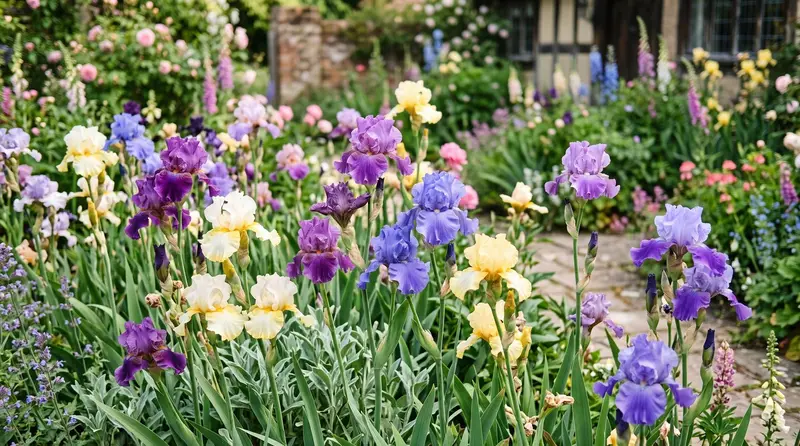
Catmint earns the top spot on hard evidence. A 2001 Iowa State University study presented at the American Chemical Society found nepetalactone, the compound that also drives cats wild, repelled mosquitoes as effectively as or better than DEET in laboratory tests. It is hardy across the UK, thrives on poor soil, and flowers from June to first frost, so it doubles as a bee plant.
The UK reality: midges matter more than mosquitoes
Britain has roughly 34 mosquito species, but very few bite people in numbers. Our cooler, breezier climate suppresses the large biting swarms common in warmer countries. You may get the odd bite on a still, humid evening near standing water, but garden mosquitoes are rarely the plague that American repellent-plant guides assume. For most UK gardeners, the bigger summer enemy is the midge.
Biting midges (Culicoides species) cause far more garden misery, especially in western and Highland Scotland from late May through September. The Scottish Highland midge, Culicoides impunctatus, swarms in still, damp, overcast conditions at dawn and dusk. A single bad evening can produce hundreds of bites. Outdoor bodies and tourism surveys repeatedly rank midges as the top summer complaint in the Highlands, well above mosquitoes.
The same crushed-leaf oils help against midges, though midges are harder to deter than mosquitoes. Citronellal and geraniol show the most promise against them. Bog myrtle (Myrica gale), a UK native shrub, has a long folk reputation as a midge repellent and its oil shows genuine activity in trials. For severe midge conditions, a fine mesh head net (around 5 pounds) or a 0.2mm mesh screen around seating beats any plant. Midges struggle to fly in wind above 7mph, so an open, breezy spot helps more than a border of repellent plants.
 In western Scotland, midges outnumber mosquitoes by a wide margin. A fine mesh screen and a breezy spot beat any planting scheme.
How to position plants for the best effect
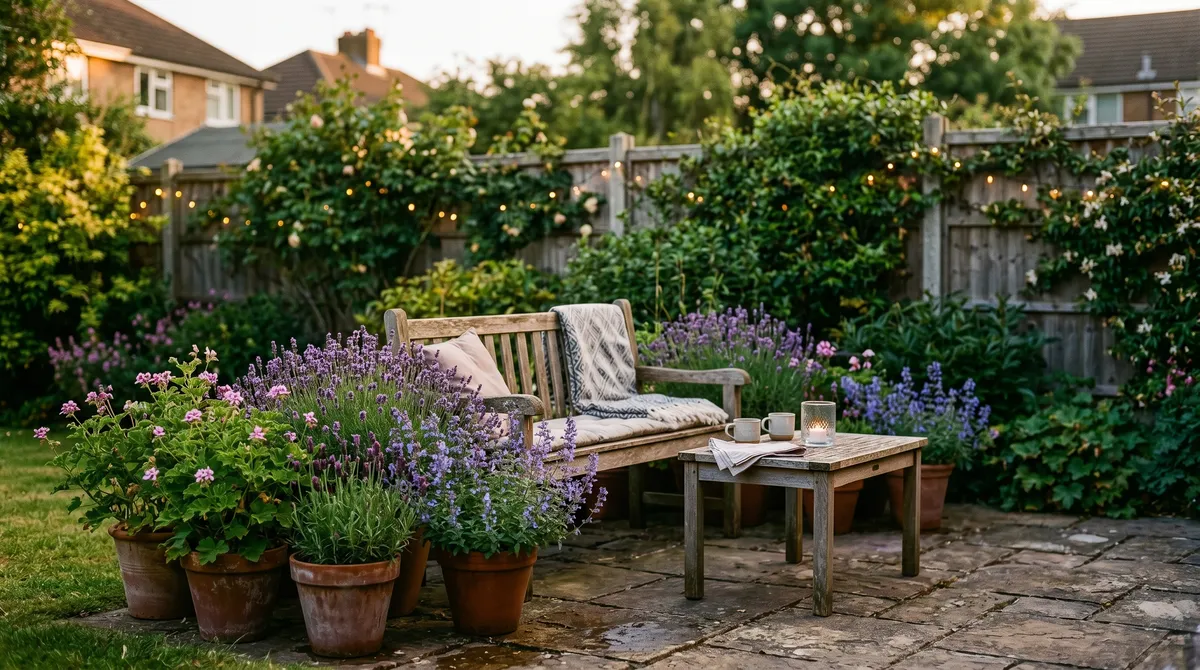
Group your repellent plants in pots within 1 metre of where you actually sit. Mosquitoes and midges home in on still, sheltered air near seating and doorways, drawn by the carbon dioxide you breathe out. Spreading plants thinly through a border wastes them. Clustering 6 to 10 crushable plants tightly around a bench, table or door concentrates the scent where it counts and puts the foliage within easy reach for crushing.
Containers beat borders for three reasons. You can move pots to follow the seating or the evening sun. You can bring tender plants like lemongrass, basil and citronella geranium indoors before the first autumn frost, which in most of the UK arrives between mid-October and mid-November. And a pot at table height keeps the leaves where hands can reach them without bending double. Stand pots on a sunny, sheltered patio, since most of these plants need full sun and free-draining compost.
Position matters beyond the plants too. Drain standing water, as a single bucket or blocked gutter breeds hundreds of mosquito larvae in 7 to 10 days. Empty plant saucers, refresh bird baths every few days, and cover water butts. A small fan on a patio also helps, because both mosquitoes and midges are weak fliers and a gentle breeze blows them off course. Combine planting with these basics for a real reduction.
Gardener’s tip: Plant a lemon-scented geranium or lemongrass in a pot right beside the most-used door. Every time you pass, casually rub a leaf between finger and thumb, then wipe it on your wrists. You build the habit of self-applying repellent without thinking about it, which is the only way these plants reliably work.
 Group six to ten crushable plants in pots within a metre of the bench. Concentration and reach beat scattering them through a border.
The wider point is to treat plant choice as a system, not a single purchase. A pot of hardy catmint, a lift-and-store lemongrass for crushing, and the habit of bruising a leaf onto your skin will outperform any one wonder plant. For the full evidence base on plant oils, the RHS advice on mosquitoes and midges is a reliable UK source.
Mosquito and midge activity through the UK seasons
Timing your planting and your evenings around peak biting periods cuts your exposure as much as any plant. The table below shows the realistic UK pattern.
| Month | Mosquito activity | Midge activity | What to do |
|---|---|---|---|
| March to April | Very low | Very low | Sow basil and marigold indoors at 18 to 21C |
| May | Low, rising | Rising fast in Scotland | Plant out tender pots after the last frost |
| June | Moderate | High in the west and north | Cluster pots by seating; start crushing leaves |
| July | Peak, on humid nights | High, still evenings worst | Drain standing water weekly; use a fan |
| August | Peak | Peak, especially Scotland | Mesh screens for severe areas; repellent too |
| September | Falling | Falling but still active | Last good month; lift tender plants soon |
| October onward | Very low | Very low | Move lemongrass and geraniums indoors |
Mosquito larvae hatch fastest in warm, still water, completing their lifecycle in 7 to 10 days at 25C but taking 3 weeks or more at 15C. Midges peak in still, overcast, humid conditions and avoid bright sun and wind. Plan your most exposed garden evenings for breezy, dry nights, and keep the repellent plants and a proper repellent ready for the still, muggy ones.
 Plant the aromatics where you actually sit. The repellent effect is strongest within touching distance, so edge the bench and brush a leaf as you pass.
Common mistakes with mosquito repelling plants
A handful of predictable errors waste money and leave gardeners still scratching. Avoid these and the plants earn their place.
Expecting the living plant to clear the air. This is the biggest mistake by far. A citronella geranium sitting untouched beside you releases too little scent to matter. You must crush the leaves and apply them to skin. The plant is the supply, not the dispenser.
Buying the wrong citronella. The plant labelled citronella is almost always Pelargonium ‘citrosa’ or ‘citronella’, a scented geranium, not true citronella grass. The real citronella oil comes from Cymbopogon grasses (lemongrass). The geranium smells lemony but is a weaker source. Know what you are buying.
Scattering plants through a border. Spread thinly, the plants do nothing. Concentrate 6 to 10 of them in pots within a metre of seating, where the air is still and you breathe out the carbon dioxide that draws the insects.
Ignoring standing water. No plant beats removing the breeding site. A single neglected bucket, blocked gutter or stagnant butt can breed hundreds of mosquitoes. Drain or cover every patch of still water within a few days.
Treating midges like mosquitoes. In Scotland especially, midges are the real problem and they shrug off most plant oils. For bad midge spots, a fine mesh net and a breezy position work where planting fails.
Frequently asked questions
Do mosquito repelling plants actually work?
Only weakly when just grown, strongly when crushed. The oils that repel mosquitoes stay locked inside the leaves until you bruise them. A lavender bush by a path does little until you brush past hard or rub a sprig on your skin. Lab tests show the isolated oils work well, but the whole living plant releases too little scent to clear the air around a patio.
What is the best plant to keep mosquitoes away?
Catmint (Nepeta) has the strongest scientific support. A 2001 Iowa State University study found nepetalactone, its active compound, repelled mosquitoes as well as or better than DEET in lab conditions. It is hardy across the UK, grows in poor soil and flowers for months. Crush a few leaves and rub them on exposed skin for the strongest effect at dusk.
Does citronella plant repel mosquitoes?
The live citronella geranium gives weak passive protection. The plant sold as citronella is usually Pelargonium ‘citrosa’ or ‘citronella’, a scented geranium, not true citronella grass. Its leaves smell lemony but release little scent unless crushed. True citronella oil comes from Cymbopogon grasses. The living geranium looks the part but barely shifts mosquito numbers on its own.
Are mosquitoes a real problem in UK gardens?
Less than midges in most of the UK. Britain has around 34 mosquito species, but few bite humans in large numbers. Biting midges (Culicoides) cause far more garden misery, especially in western Scotland from late May to September. The same crushed-leaf plant oils help against both, though midges are harder to deter and a fine mesh screen often works better.
Where should I plant mosquito repelling plants?
Group them in pots within 1 metre of where you sit. Mosquitoes and midges target still, sheltered air near seating, so cluster 6 to 10 crushable plants tightly around benches and doorways. Pots let you move them and brush the foliage easily. Keep lemongrass and tender geraniums in containers so you can bring them indoors before the first autumn frost.
Our team produces practical UK gardening guidance from source research, contributor records and established horticultural practice. Editorial standards are overseen by Matt W.