Key takeaways
- Kerb appeal sells: the front garden is the buyer's first impression
- Spend on cleaning and tidying, not an expensive garden makeover
- Jet-wash paths and patios, mow and edge the lawn, mulch the borders
- Stage one back-garden seating area as an inviting outdoor room
- Show a low-maintenance look, as buyers fear garden upkeep
- Declutter and depersonalise: hide bins, toys, and tools before viewings
When you sell your home, the garden does more selling than most people realise. The front garden is the very first thing a buyer sees, in the listing photos and again as they arrive, and the back garden reads as extra living space. Yet the temptation to spend big on a garden makeover is usually a mistake. What actually sells a home faster is cleaning, tidying, and clever staging, jobs that cost little and can be done in a weekend. This guide covers the high-value quick wins for both front and back, how to stage the space for viewings, and where not to waste your money.
The guiding rule is simple: buyers decide in seconds, and a clean, cared-for garden tells them the whole house has been looked after. Estate agents consistently rank kerb appeal among the strongest influences on a first viewing, and the garden is the largest single part of that first look. Spend your effort there and it works harder than almost any improvement indoors.
Why the front garden sells the house
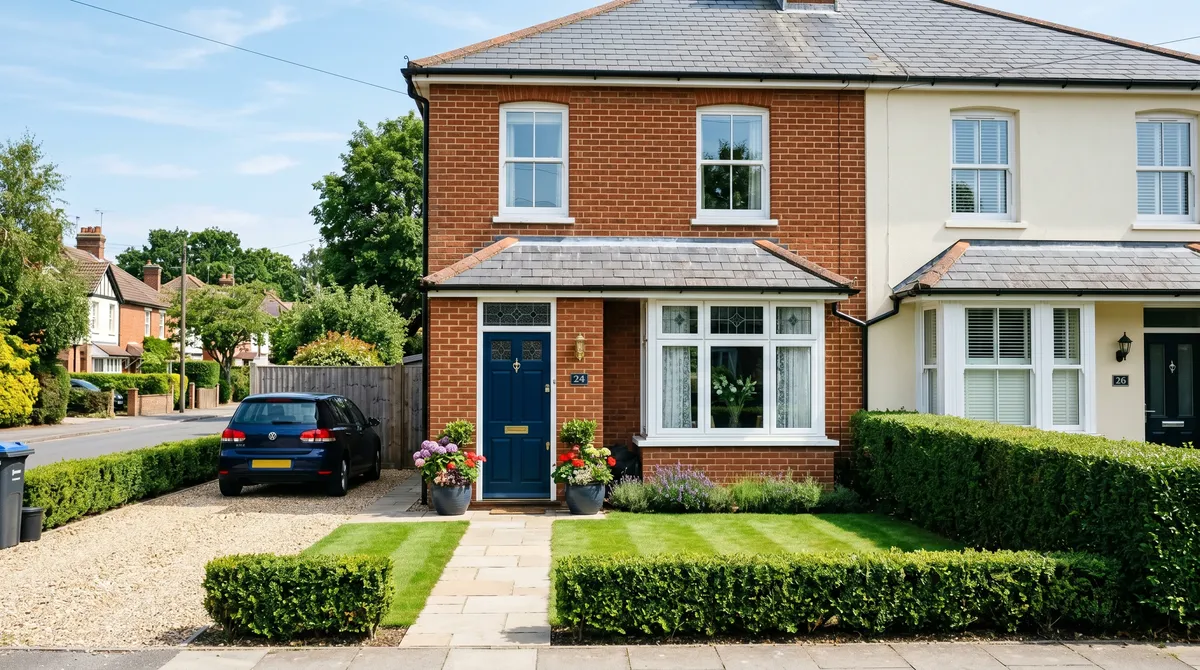
The front garden creates the first impression, and first impressions are made fast. A buyer scrolling listings forms a view of your home from the lead photo before reading a word, and a prospective viewer judges it from the pavement before the agent finds the key. This is kerb appeal, and it sets the mood for the entire viewing. A scruffy front sows doubt that colours everything inside; a sharp, welcoming one builds confidence.
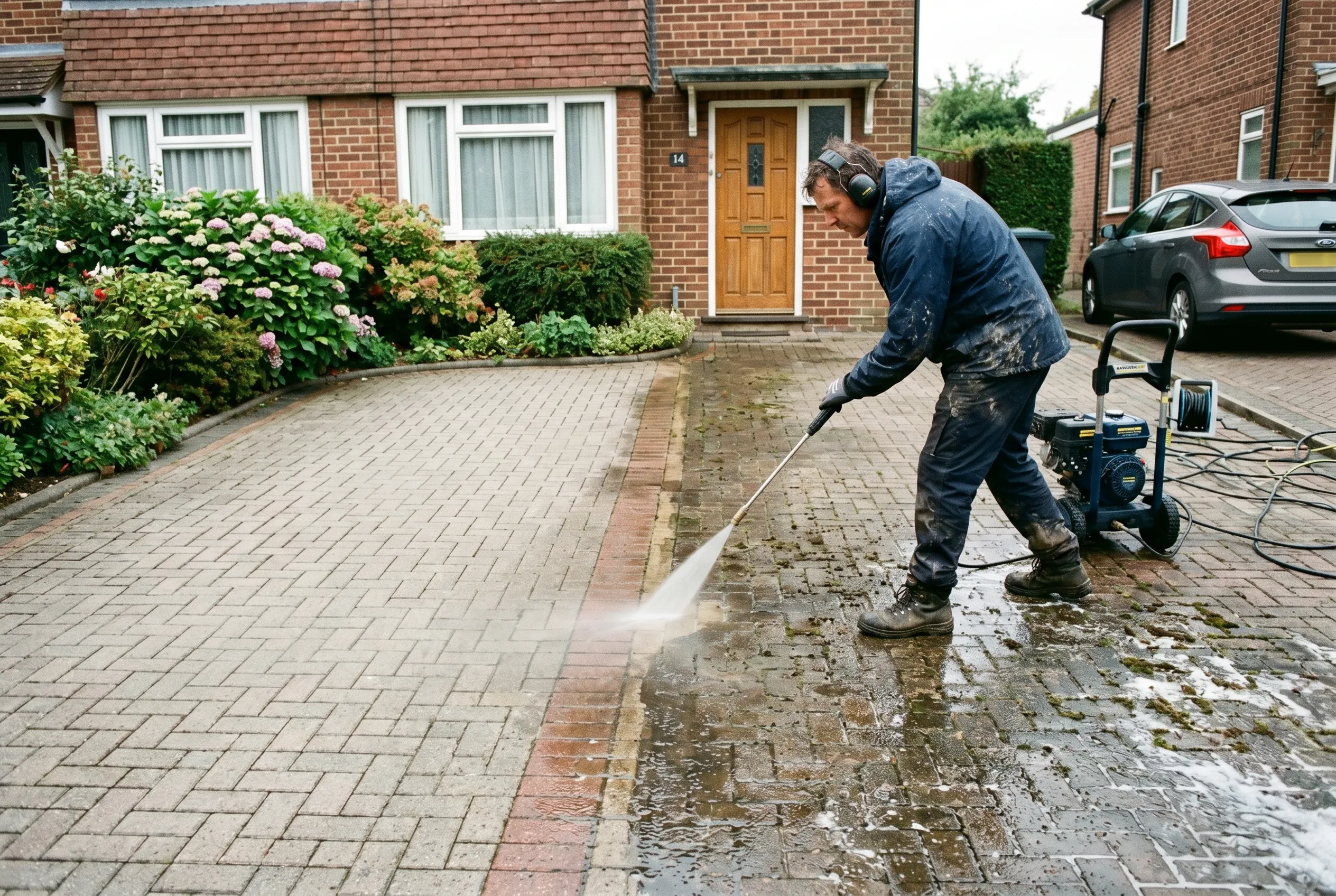 A hired pressure washer is the cheapest transformation there is. Clean paving instantly reads as a cared-for, well-kept home.
The weekend quick wins that add value
Before any viewing or photo shoot, a single weekend of tidying does more than months of growing. These are the jobs that pay back fastest, in rough order of impact:
- Jet-wash hard surfaces. Paths, patios, and driveways gather green grime that ages a property. A hired pressure washer strips years off in an afternoon.
- Mow and edge the lawn. A neat lawn with crisp cut edges is the single biggest signal of a cared-for garden. Edge along borders and paths with a half-moon edger.
- Weed and mulch the borders. Clear the weeds, then spread fresh bark mulch. It instantly defines the beds, suppresses weeds, and looks rich and tended.
- Repair and paint. Fix wobbly fence panels, oil squeaky gates, and paint tired fences a tasteful dark shade that flatters planting.
- Clean the patio furniture. Wash down the table and chairs so the space looks ready to use.
A patchy lawn is worth a quick fix too; our guides on repairing a patchy lawn and getting rid of lawn moss cover the fast routes to a greener sward before photos.
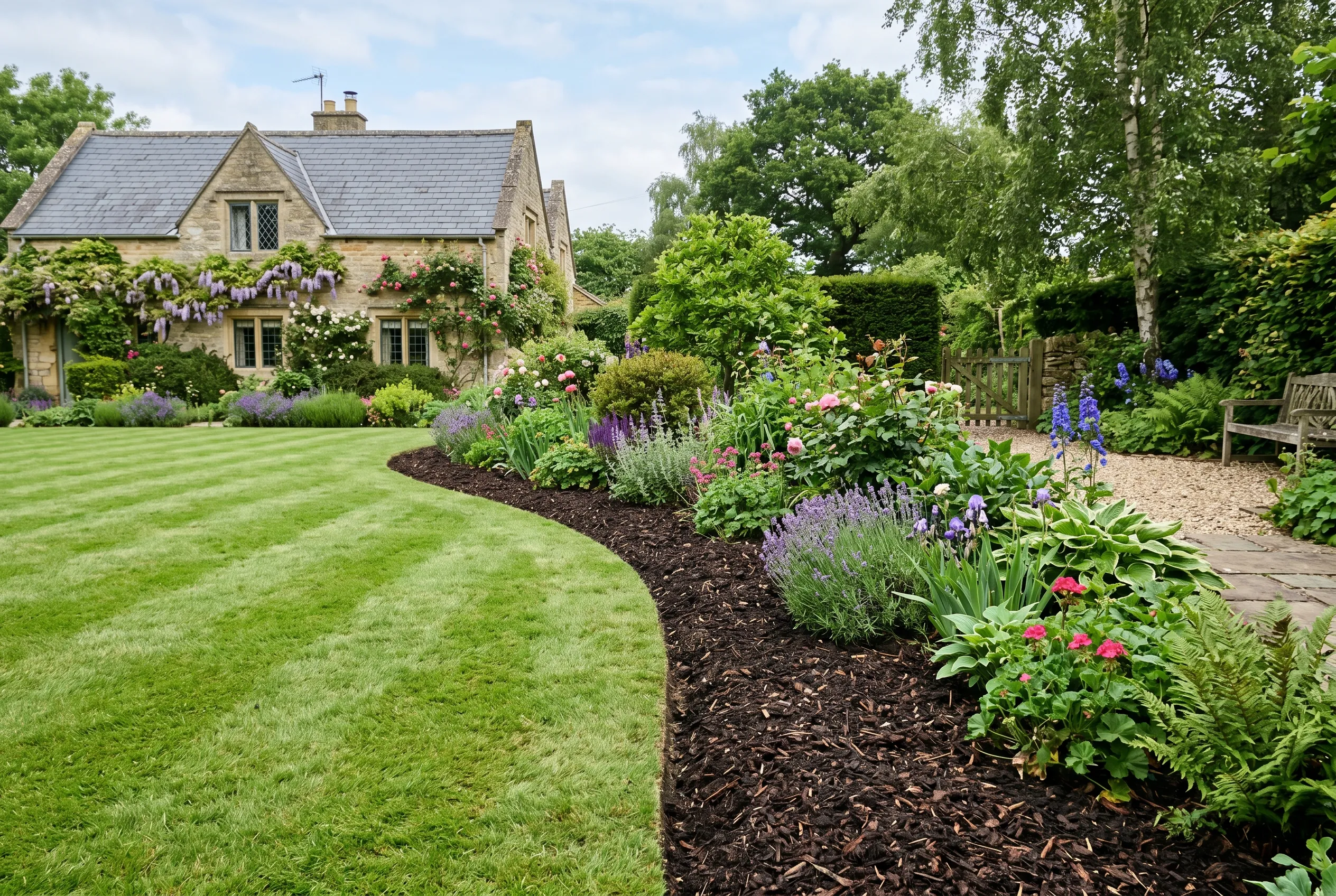 Crisp lawn edges and fresh mulch are the clearest signs of a cared-for garden, and both cost almost nothing.
Staging the back garden as an outdoor room
Buyers value usable outdoor space, so stage the back garden to show it as an extra room rather than a list of chores. The goal is to help them picture relaxing there, not to display your gardening skill.
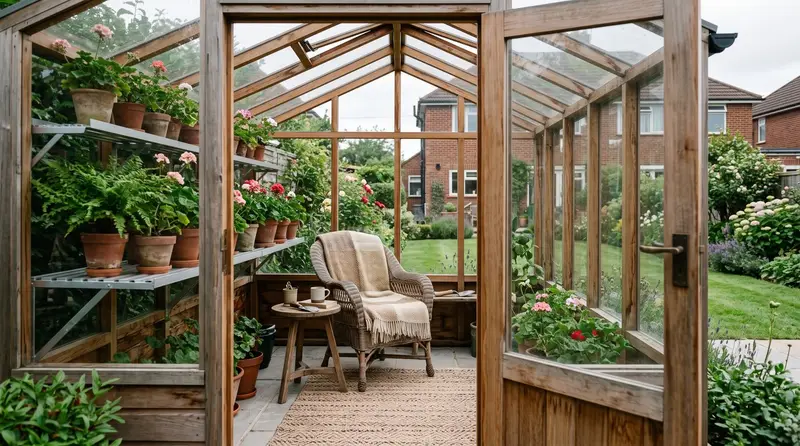
Create one clear, inviting seating area: a clean table and chairs on a swept patio, a couple of cushions, and a pot or two of colour. This single staged scene does more than a busy garden full of features. Define zones so the space reads as organised, a seating area, a lawn, a border, rather than one cluttered sprawl. Screen eyesores like the compost heap, water butt, or shed with a trellis or a pot grouping. Above all, declutter: clear away children’s toys, garden tools, hose reels, and anything broken. An uncluttered, defined garden always looks bigger than a full one, which matters when buyers weigh space.
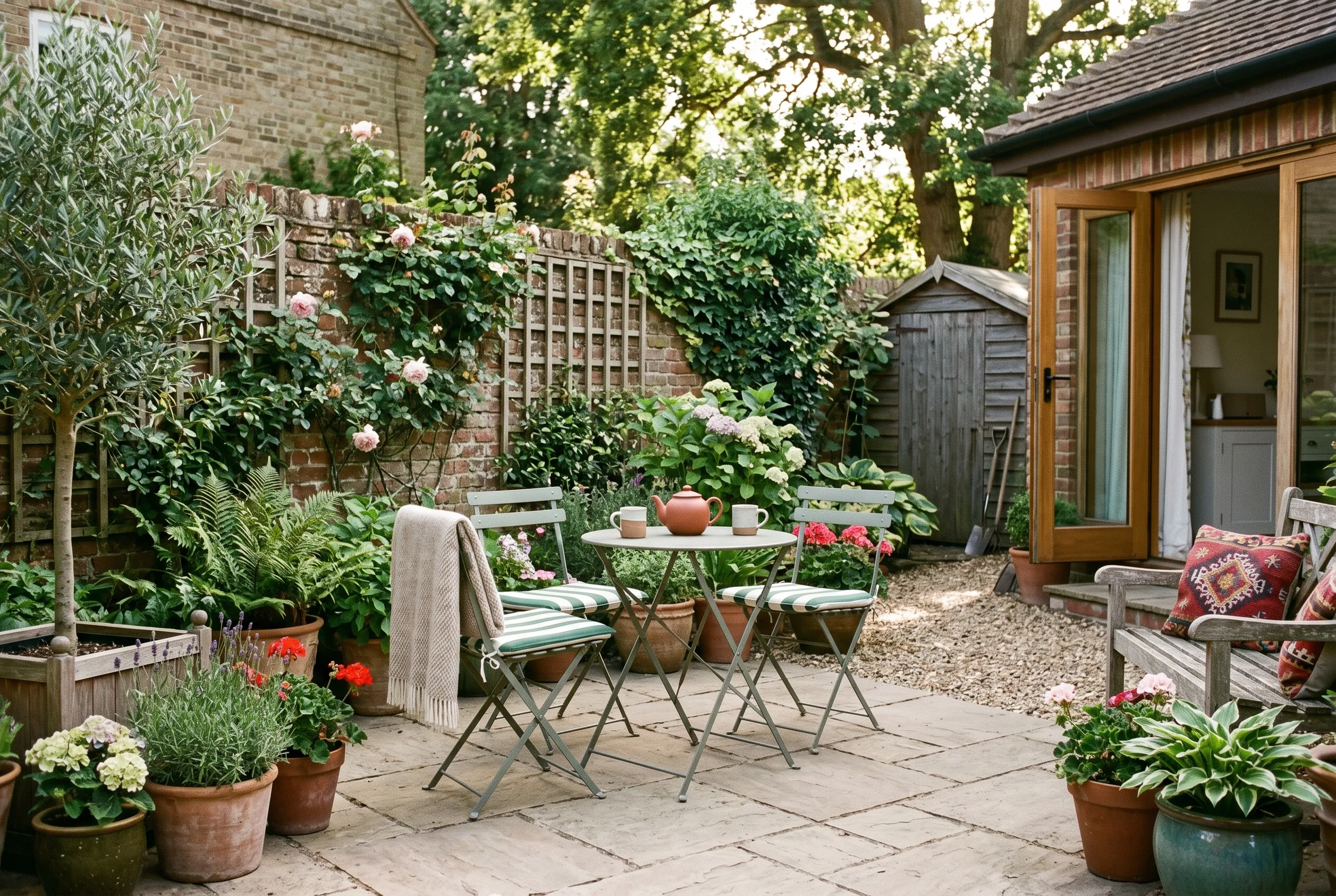 Stage one inviting seating area as an outdoor room. Buyers buy the lifestyle it suggests, not the number of plants.
Sell the low-maintenance dream
Most buyers quietly fear garden maintenance, so the look that sells is neat and low-effort, not ambitious. A garden that screams hard work, sprawling borders, fussy topiary, a huge vegetable plot mid-season, can put off as many buyers as it attracts, because they see weekends of upkeep ahead.
Lean the staging towards easy-care signals. Keep borders tidy and mulched rather than packed and billowing. Favour evergreen structure and tough, reliable shrubs over high-maintenance bedding, since a green, furnished garden in any season reassures. If a bed is overgrown, it is often better to simplify it, cut things back, mulch heavily, and add a few neat shrubs, than to leave it looking like a project. Our roundups of the best flowering shrubs and evergreen shrubs for year-round interest suggest reliable, low-effort plants that photograph well and reassure buyers.
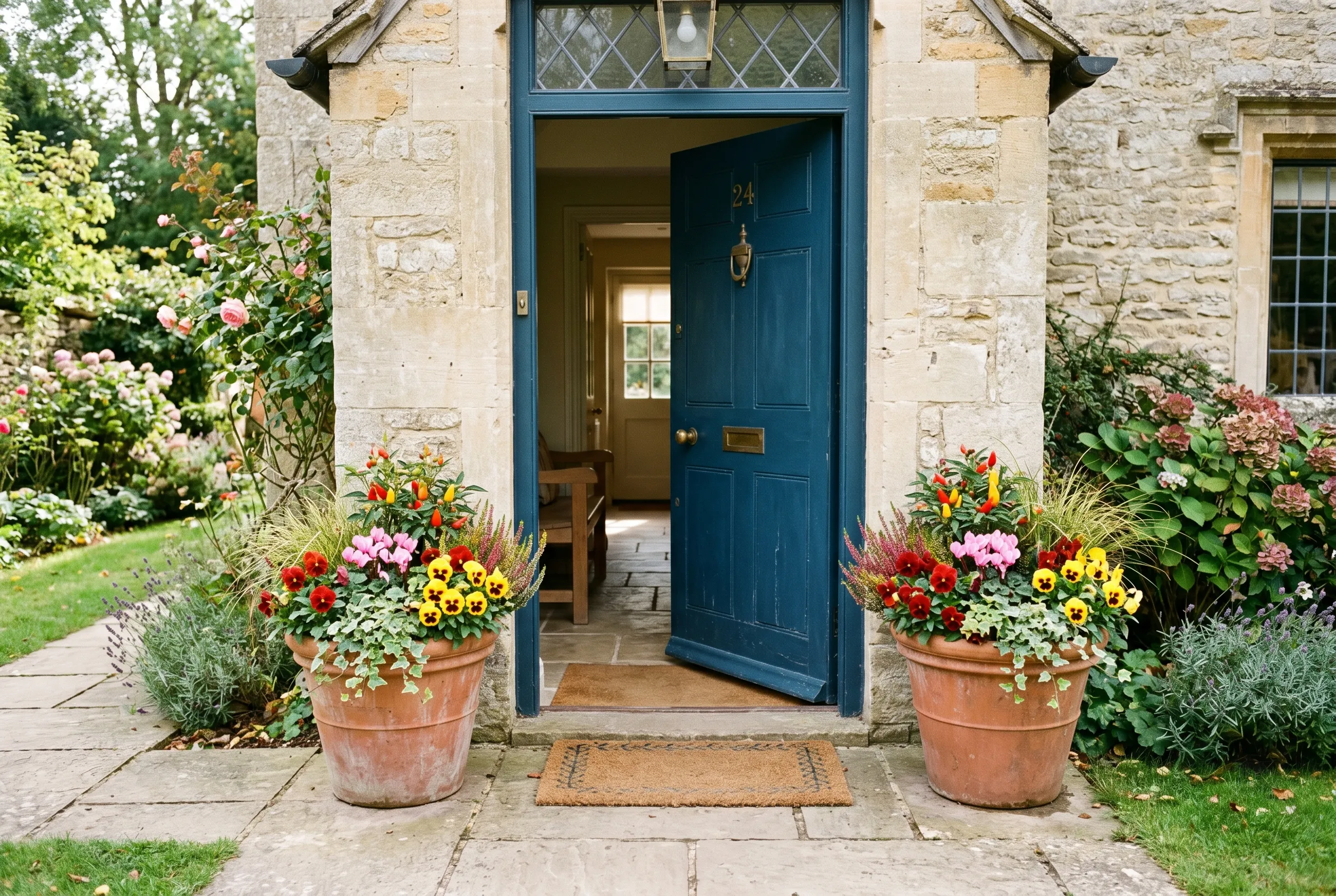 A pair of planted pots by a clean front door is the cheapest kerb-appeal trick there is, and it works every time.
Where to spend and where to save
Direct the budget where it returns most. Cleaning and tidying give the highest return for the least outlay; major garden remodelling rarely pays back when you sell.
| Job | Cost | Return on sale |
|---|---|---|
| Jet-wash paths and patio | Low (hire) | High |
| Mow, edge, weed, mulch | Low | High |
| Planted pots by the door | Low | High |
| Repair fences and gates | Low to medium | Medium |
| New lawn from turf | Medium | Medium |
| Full remodelling or paving | High | Low, rarely recouped |
| Expensive water feature or decking | High | Low |
Spend on the cheap, high-impact jobs and resist the expensive ones. A buyer would rather inherit a clean, simple garden they can adapt than pay extra for an ambitious scheme they must maintain or rip out. The exception is genuine disrepair: a dangerous wall, a collapsing fence, or a cracked path is worth fixing, since visible faults knock more off the offer than the repair costs.
The ten-minute pre-viewing checklist
Once the big tidy is done, a quick run-round before each viewing keeps the garden at its best. Buyers notice freshness, so a little last-minute effort pays off every time.
- Mow the lawn if it has grown, and sweep clippings off the paths.
- Open the bins out of sight and check none are on show from the windows.
- Sweep the patio and front step, and wipe down the garden furniture.
- Dead-head the pots and water them so they look cared-for, not wilting.
- Clear away tools, hoses, and toys that have crept back out during the week.
- Open up the seating area so the outdoor room reads as ready to use.
Doing this before every viewing, not just the first, keeps the garden selling for you throughout the campaign. A garden that looks effortlessly tidy reassures buyers that the whole property is easy to live in, which is exactly the impression that turns a viewing into an offer.
Common selling-garden mistakes
These errors cost viewings or value.
- Overspending on big projects. Costly schemes rarely recoup their outlay. Spend on cleaning and tidying instead.
- Leaving it overgrown. Weedy, billowing borders read as hard work. Cut back, mulch, and simplify.
- Clutter on show. Toys, tools, hoses, and bins shrink the space. Clear and hide them before viewings.
- Photographing a tired garden. Dull photos lose clicks. Tidy, then shoot in good light in the growing season.
- Ignoring the front. The first impression is made at the kerb. Never neglect the front for the back.
Time the work for the growing season if you can, so the garden photographs green and full; our guide on the first lawn cut after winter helps you get the lawn into shape early in the year.
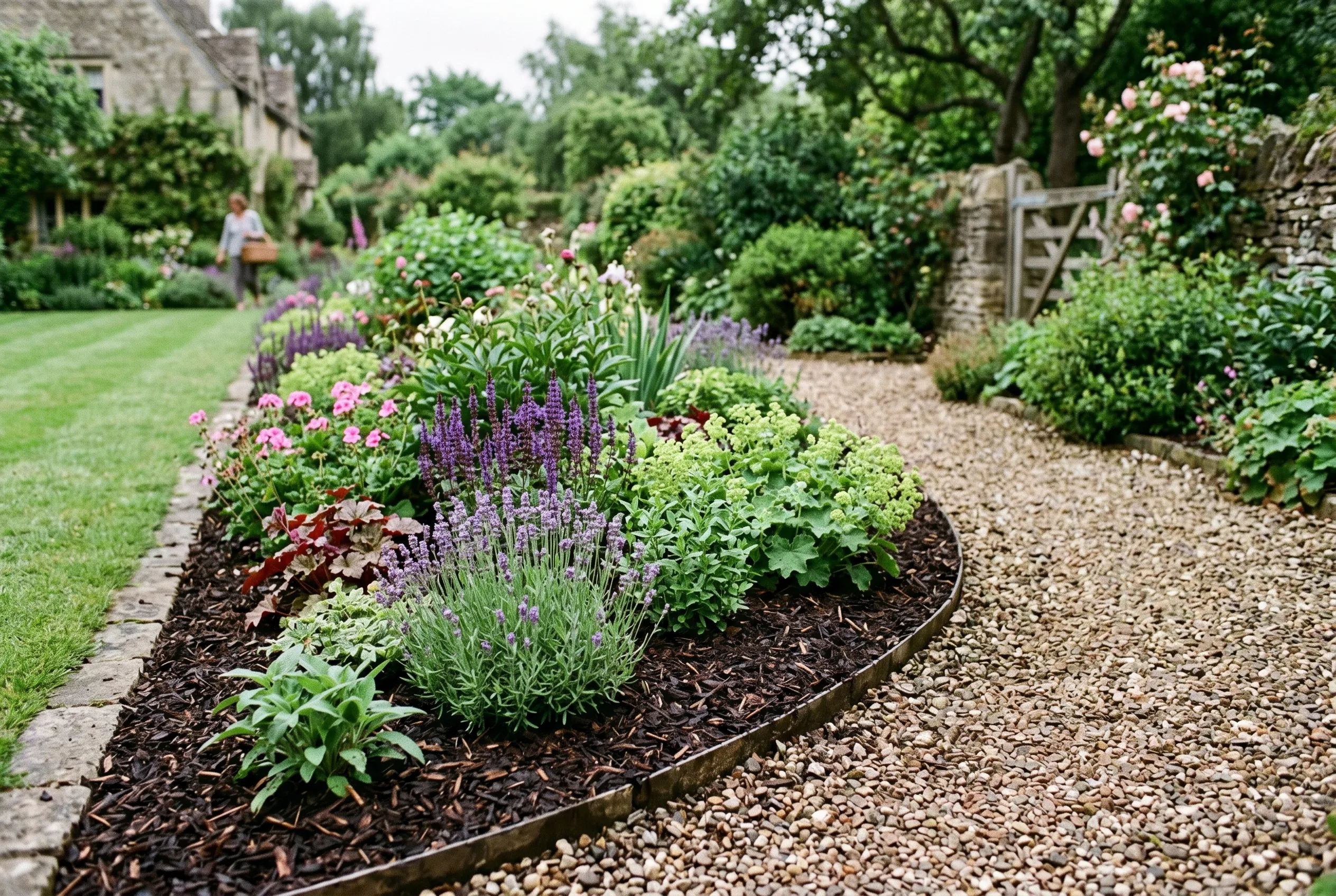 Fresh mulch over a weeded, edged border is the highest-return job in the garden when selling, for a few pounds a bag.
Frequently asked questions
Does a nice garden help sell a house?
Yes, a tidy garden helps sell a house faster and supports the asking price. The front garden sets the buyer’s first impression before they reach the door, and an inviting back garden adds perceived living space. Tidiness matters far more than expensive features.
What garden jobs add the most value when selling?
Cleaning and tidying add the most value for the least money. Jet-wash paths and patios, mow and edge the lawn, weed and mulch borders, and add planted pots by the door. These quick wins cost little and transform the listing photos and viewings.
Should I redesign my garden before selling?
Avoid an expensive garden makeover before selling, as you rarely recoup the cost. Focus on cleaning, tidying, and small improvements instead. Buyers value a neat, low-maintenance garden they can make their own over an ambitious scheme they must maintain.
How do I make my garden look bigger to buyers?
Make a garden look bigger by clearing clutter, defining clear zones, and keeping borders tidy rather than overgrown. A single staged seating area reads as usable outdoor space. Mirrors, light surfaces, and a mown lawn with crisp edges all add a sense of size.
What puts buyers off a garden?
Overgrowth, clutter, and signs of high maintenance put buyers off most. Weedy borders, mossy patios, broken fences, visible bins, and ambitious planting that looks like hard work all deter buyers. A neat, clean, low-effort garden reassures them instead.
When is the best time to photograph a garden for selling?
Photograph the garden in good light, ideally mid-morning or late afternoon on a bright day, when it looks its best. Late spring and summer show the garden green and in flower. Tidy, mow, and declutter first, as photos sell the viewing.
Our team produces practical UK gardening guidance from source research, contributor records and established horticultural practice. Editorial standards are overseen by Matt W.