Key takeaways
- Social prescribing connects you to non-medical activities like gardening through a link worker
- Green social prescribing is the NHS term for nature-based referrals, including gardening
- A GP, nurse or other health worker can refer you, and many areas allow self-referral
- Schemes are usually free and run by charities, community gardens or NHS-linked groups
- It suits people facing loneliness, low mood, anxiety, or living with long-term conditions
- You do not need any gardening experience or your own garden to take part
You can be referred to gardening by the NHS. It sounds unlikely, but social prescribing is now a mainstream part of UK healthcare, and gardening is one of its most popular routes. Instead of writing only a prescription for medication, a GP or health worker can connect you with a local gardening group to support your mental and physical health. For anyone feeling isolated, low, or stuck indoors with a long-term condition, it can be life-changing, and it is usually free. This guide explains what social prescribing is, how the gardening side works, how to get referred, and what actually happens when you turn up.
It is a genuinely different way of thinking about health, one that treats connection, purpose and fresh air as part of the medicine rather than an afterthought.
What is social prescribing?
Social prescribing is a way for health professionals to link patients to practical, non-medical support in their community. A GP, nurse or other worker refers you to a social prescribing link worker, who connects you with activities and services that improve your wellbeing. Gardening is one of the most common, alongside walking groups, arts, and volunteering.
The idea recognises that much of what affects our health is not medical at all. Loneliness, money worries, lack of routine, and isolation all wear people down, and a pill does not fix them. A link worker takes the time a busy GP cannot, talks through what would help, and points you towards it.
Green social prescribing is the formal NHS term for the nature-based version, and gardening sits right at its heart. NHS England’s overview of social prescribing sets out how the link worker role fits into wider care. It pairs naturally with what we already know about gardening and mental health.
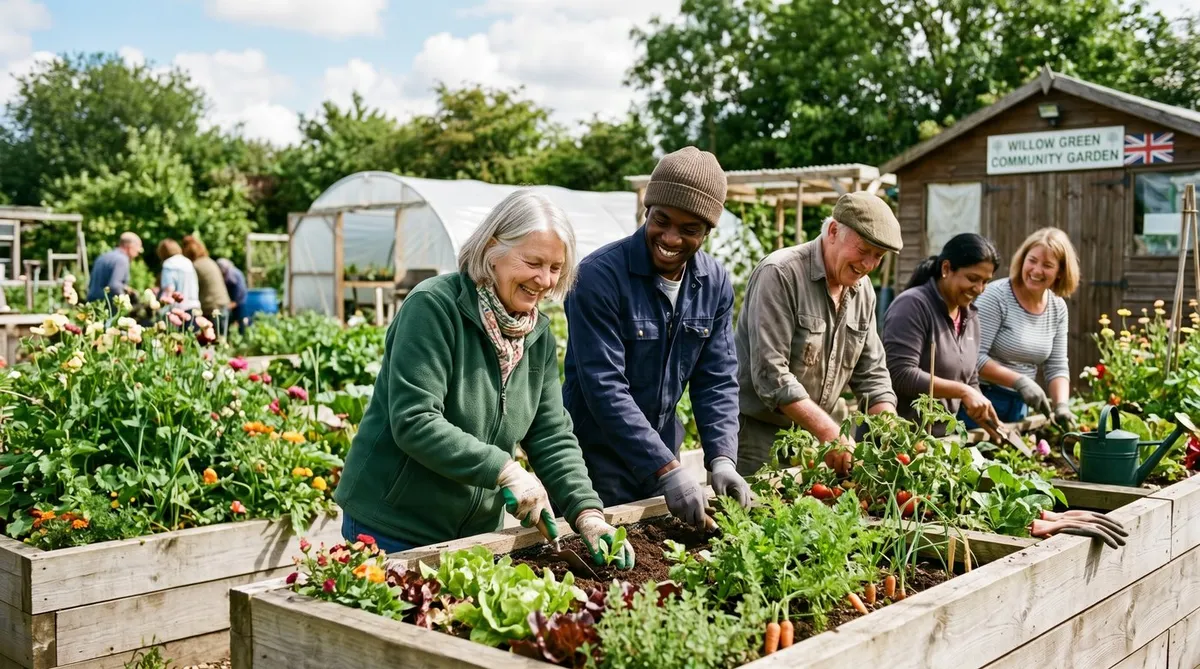
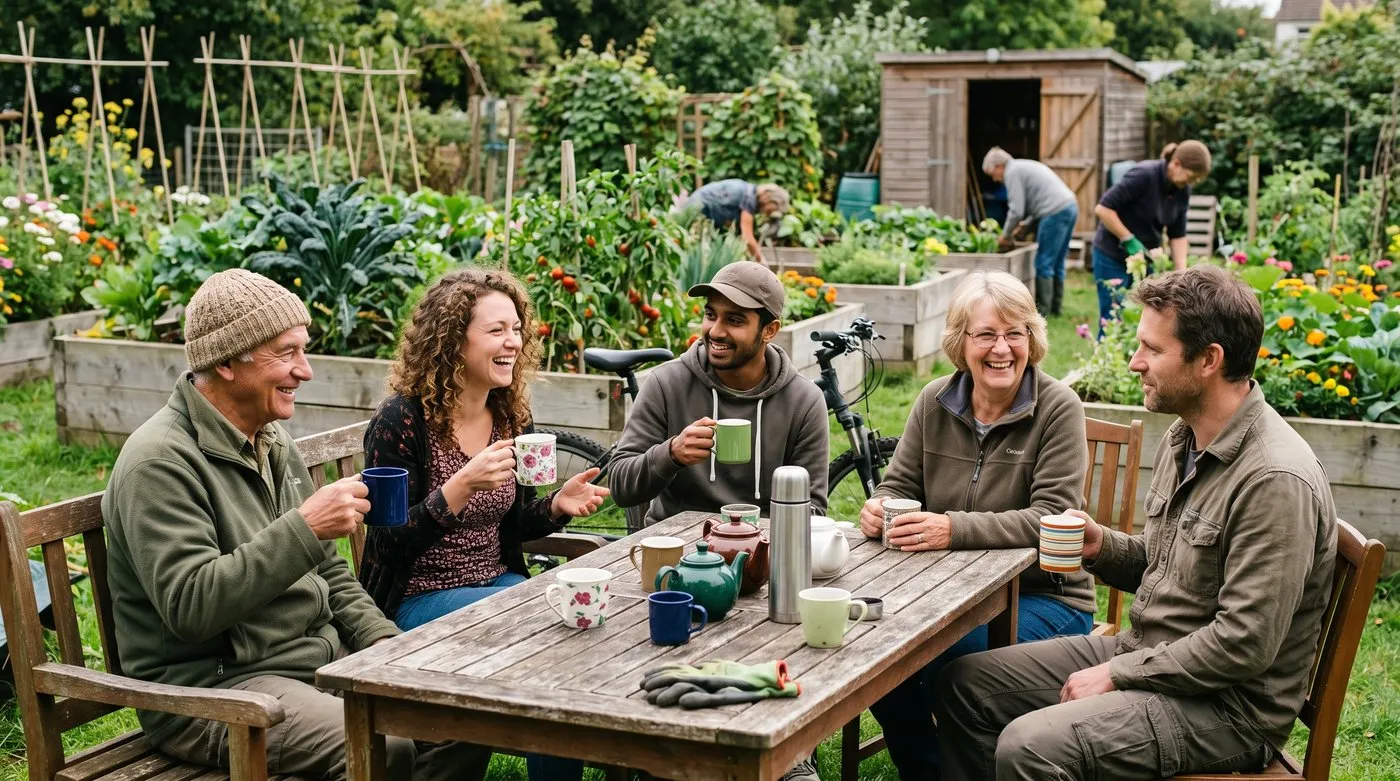 Green social prescribing connects people to gardening for their health. The shared tea breaks and the company matter as much as the plants.
How gardening on prescription works
The gardening route follows a simple path from referral to a regular session. Once referred, a link worker matches you to a local gardening project, then you attend group sessions where tools, guidance and company are all provided. You do not arrange anything complicated yourself.
A typical project runs weekly at a community garden, allotment, or dedicated therapeutic plot. A coordinator or trained horticultural therapist leads, but the atmosphere is relaxed rather than clinical. You might sow seeds, weed a bed, harvest vegetables, or simply sit and have tea while others work. Doing as much or as little as you feel able to is the whole point.
The sessions are built around people, not productivity. The plants give everyone a shared purpose and a reason to turn up, while the real value often comes from the conversation, the routine, and being outdoors with others. Many schemes run on raised beds so everyone can join in, an approach our guide to accessible gardening explores in depth.
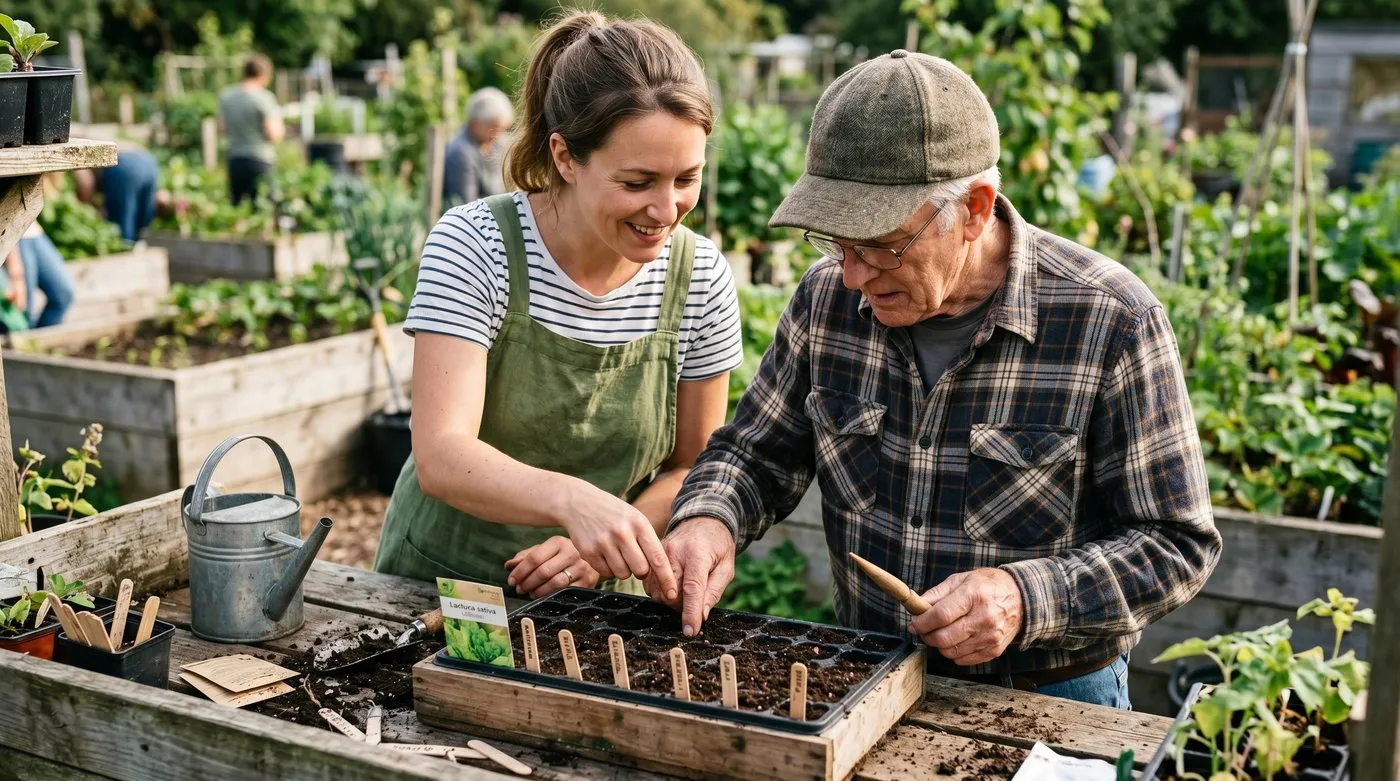 Tools, seeds and friendly guidance are all provided. You do as much or as little as you feel able to, and no experience is needed.
Gardener’s tip: If you are nervous about going alone the first time, ask the link worker or coordinator if someone can meet you at the gate. Every good scheme is used to first-timers, and that small bit of welcome makes the difference between turning up once and going back every week.
Who it helps and the evidence behind it
Social prescribing is aimed at a broad group, not just one condition. It supports people facing loneliness, low mood, anxiety, stress, or living with long-term physical and mental health conditions. It is also used to help people stay active and connected as they get older.
The evidence base has grown enough that the NHS now funds green social prescribing as policy, not just goodwill. Studies link regular gardening and time in nature to lower stress hormones, better mood, more physical activity, and reduced feelings of isolation. It is not presented as a cure, but as a low-risk, low-cost support that works alongside other treatment.
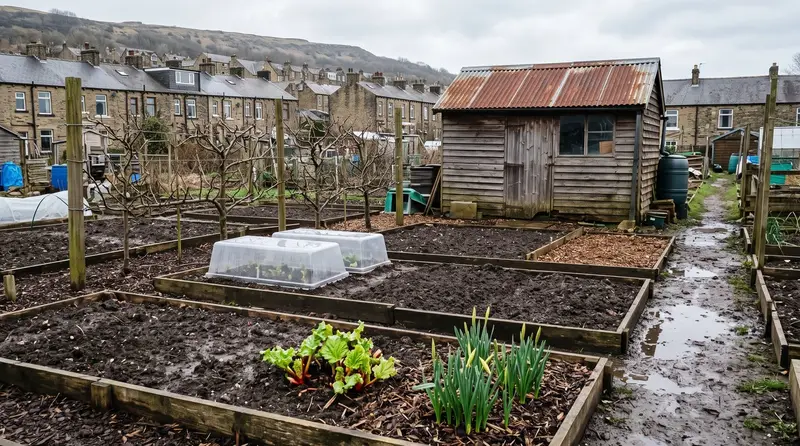
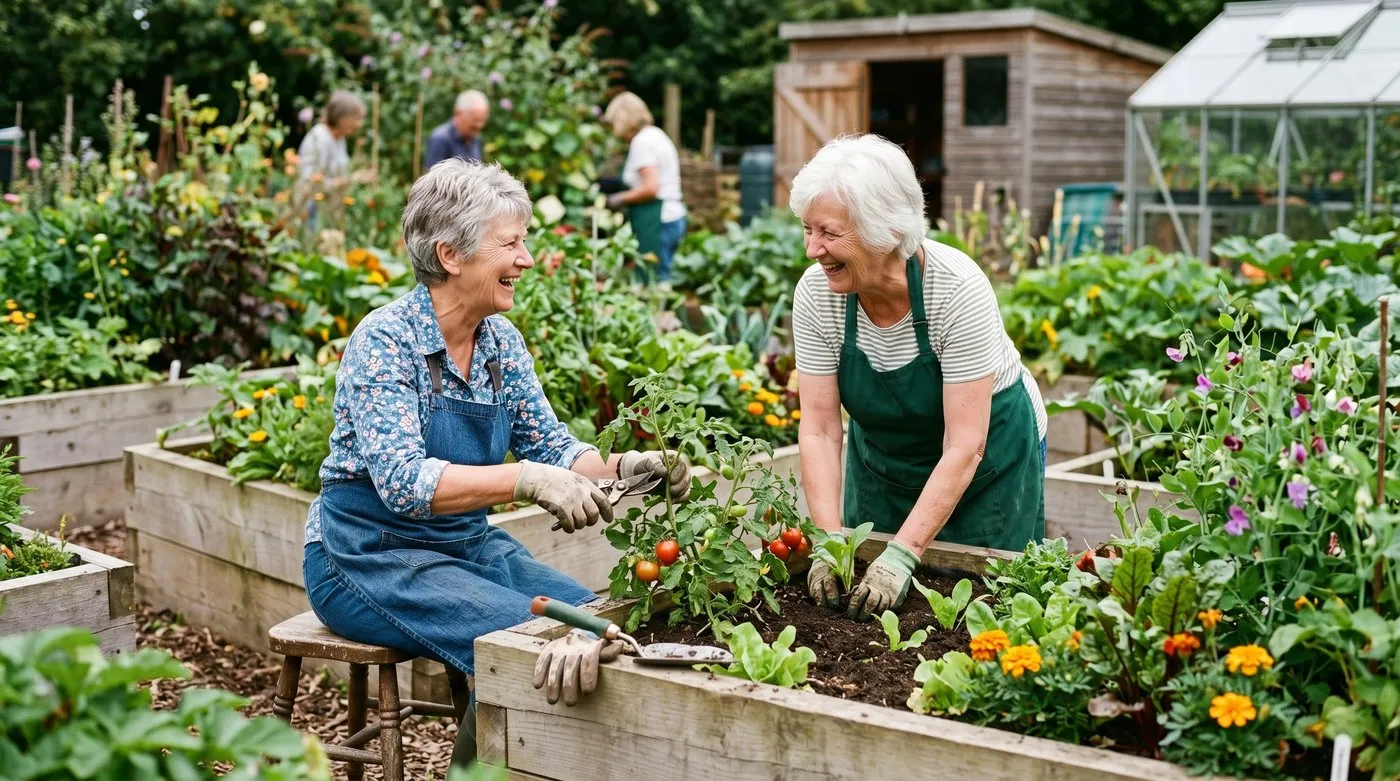 Waist-height raised beds let people garden standing or seated. The routine and the company are as much the point as the crops.
How to access a scheme
Getting started is easier than most people expect, and there is usually more than one way in. Ask your GP surgery about social prescribing, or contact a local community garden directly, as many areas now allow self-referral. You do not always need to go through a doctor first.
Start by asking your practice whether they have a social prescribing link worker, since most now do. If they do, ask for a referral or a conversation about what is available locally. If you would rather not go through the surgery, search for community gardens, wellbeing charities, or therapeutic horticulture projects in your area and ask if they take self-referrals. Many do.
When you make contact, be honest about what you are hoping for and any health or mobility needs. A good coordinator will match you to the right group and the right level of activity. There is no waiting to be ill enough; if you feel it would help, that is reason enough to ask.
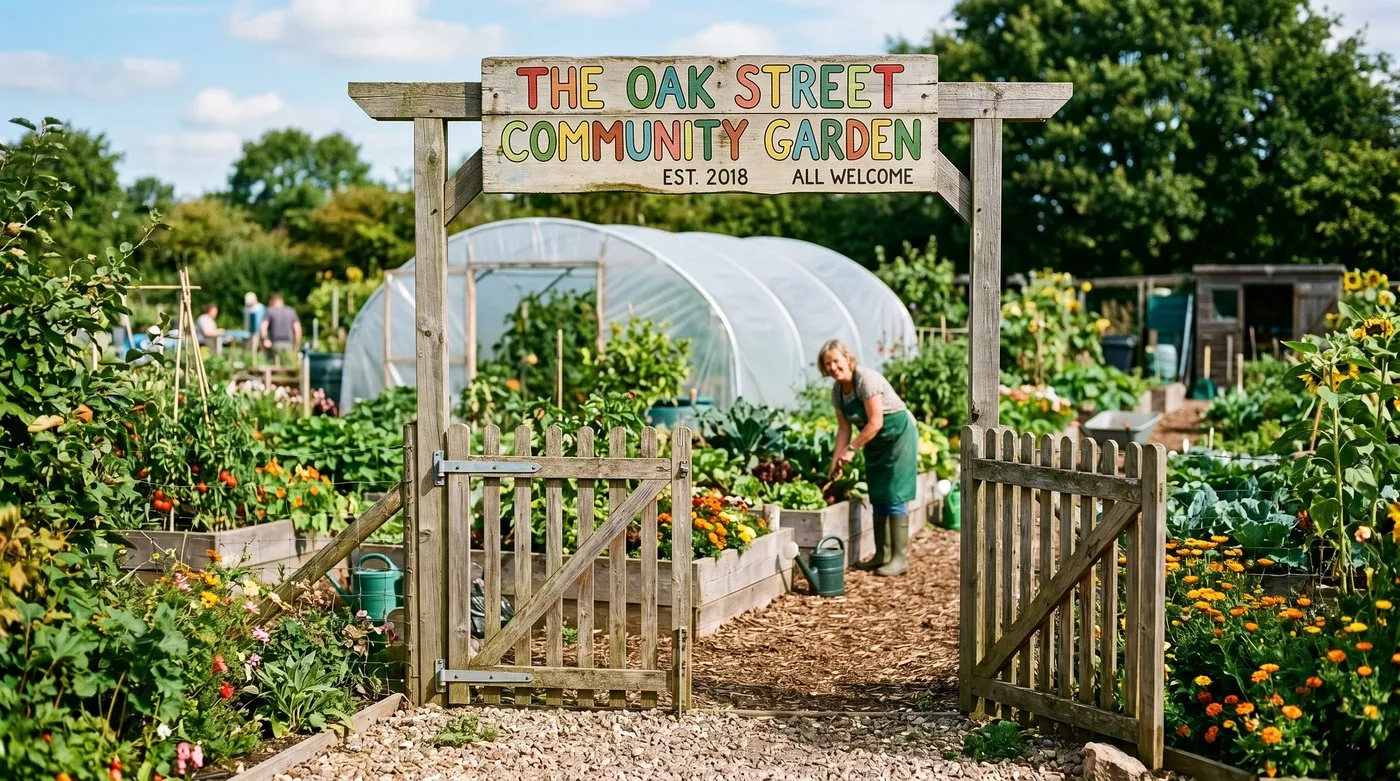 Many community gardens take self-referrals, so you can simply walk up and ask. A friendly site like this is exactly what these schemes are built around.
Routes into gardening on prescription compared
There is more than one way to reach a gardening scheme. This table compares the main routes by who they suit and how quickly they tend to work.
| Route | How it works | Best for | Speed |
|---|---|---|---|
| GP or nurse referral | Health worker refers you to a link worker | Those already seeing their GP | Medium |
| Social prescribing link worker | Direct conversation, then matched to a group | Anyone wanting a tailored match | Medium |
| Self-referral to a community garden | You contact the project directly | Confident, ready to start now | Fast |
| Charity or wellbeing organisation | Mental health or age charities run groups | Specific needs or conditions | Medium |
| Therapeutic horticulture programme | Structured, therapist-led sessions | More complex support needs | Slower |
For most people, asking the GP surgery about a link worker is the natural first step, because the link worker does the matching for you. But if you already know of a welcoming community garden nearby, going direct is often the fastest way in. Both lead to the same place: a regular session with other people, outdoors, doing something with a purpose.
Setting up your own space at home
A scheme is the heart of social prescribing, but the habit it builds works at home too. Once gardening becomes part of your week, even a small raised bed or a few pots at home extends the benefit between sessions. Many people find the routine they learn in a group is the thing they most want to carry home.
You do not need much. A single raised bed, a windowsill of herbs, or a couple of containers gives you something to tend daily. The act of checking on plants, watering, and watching them grow provides the same gentle routine and sense of purpose on the days there is no group. Our guides to raised bed gardening for beginners and raised bed design ideas are an easy place to begin.
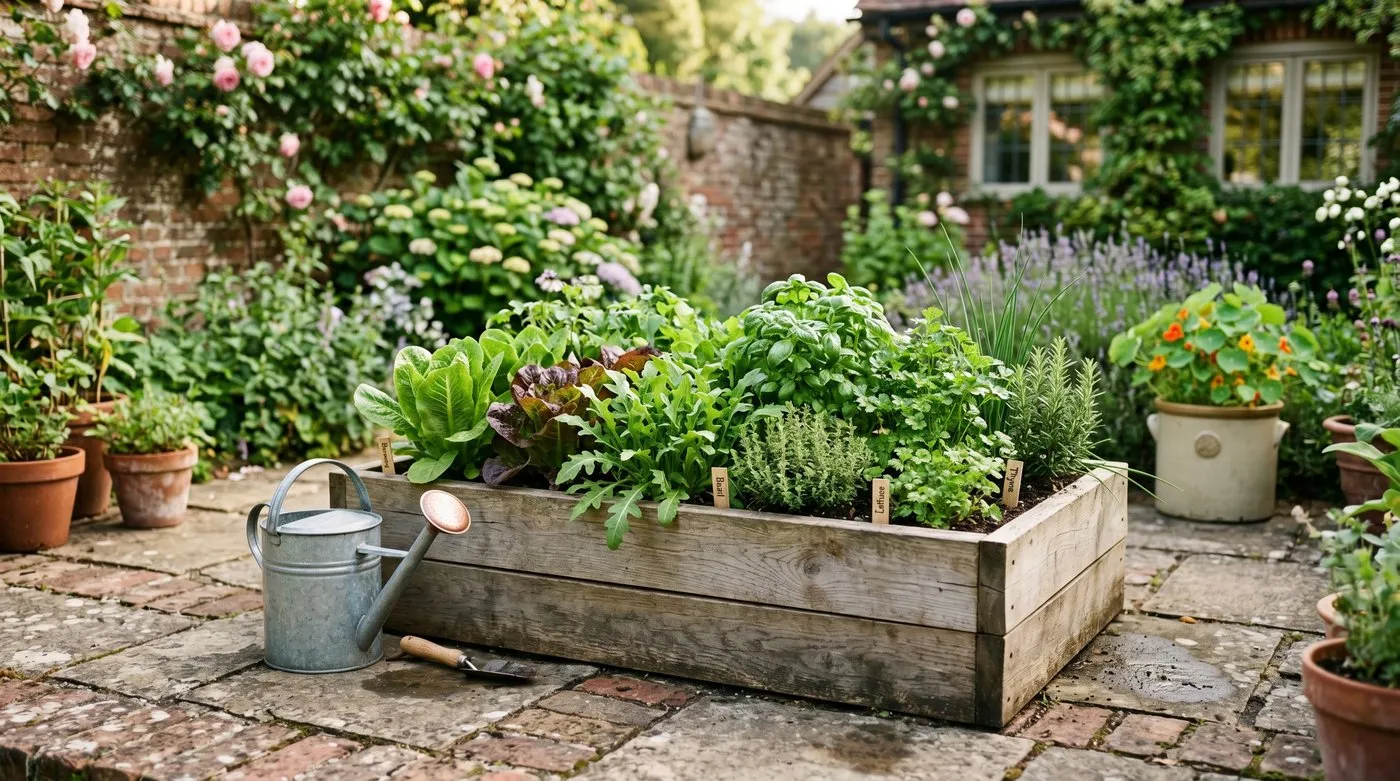 A single raised bed at home extends the routine between group sessions. The daily check, water and watch is where much of the benefit lives.
Frequently asked questions
What is gardening on prescription?
Gardening on prescription is a form of social prescribing, where a health worker refers you to a gardening activity to support your wellbeing. Instead of, or alongside, medication, a link worker connects you to a local community garden, allotment group or therapeutic project. It is used for issues like loneliness, low mood, anxiety and long-term health conditions.
How do I get referred to a gardening scheme?
Ask your GP surgery about social prescribing or a social prescribing link worker. Many practices now have one. You can also contact local community gardens and wellbeing charities directly, as many areas allow self-referral. The link worker discusses what suits you and connects you to a nearby gardening group, usually at no cost.
Is social prescribing free on the NHS?
Social prescribing through the NHS is free to access, as the link worker service is funded by the health system. The gardening sessions themselves are usually free too, run by charities or community groups with grant funding. Some specialist therapeutic horticulture programmes may charge, but most green social prescribing activities cost nothing to attend.
Does gardening actually help mental health?
Yes, a growing body of research links gardening and time in nature to lower stress, improved mood and reduced anxiety. Activity, daylight, routine and social contact all play a part. The NHS now funds green social prescribing partly on this evidence. It is not a cure, but it is a recognised, low-risk support alongside other care.
Do I need my own garden to take part?
No, you do not need a garden or any experience. Most schemes run at shared sites like community gardens, allotments and therapeutic plots, with tools and guidance provided. The point is to take part with others, whatever your ability. People with no gardening background and no outdoor space at home are exactly who these schemes are for.
Whether you go through your GP or walk up to a local plot, the first step is simply to ask. Browse the rest of our how-to guides for practical ways to keep gardening once you have started, and read the RHS view on gardening for wellbeing for more on why it works.
Our team produces practical UK gardening guidance from source research, contributor records and established horticultural practice. Editorial standards are overseen by Matt W.