Key takeaways
- Curry plant is Helichrysum italicum, an ornamental silver sub-shrub, not the culinary curry leaf
- Plant in full sun and gritty free-draining soil; it tolerates drought once established
- Winter wet on clay is the main UK killer; raise plants on 10cm of horticultural grit
- Reaches 40-60cm tall by 60-90cm wide; borderline hardy to roughly -8C
- Trim hard after the mustard-yellow June-August flowers to stop it going woody and leggy
- Semi-ripe cuttings in July root in 4-6 weeks as cheap winter insurance
Curry plant catches people out before they have even bought it. The name suggests an ingredient, but curry plant (Helichrysum italicum) is an ornamental, not a herb for the pot. Knowing how to grow curry plant starts with knowing what it is not. This is a silver-leaved Mediterranean sub-shrub grown for its aromatic foliage and structure, and the curry smell is just a happy accident of its oils. The plant you actually cook with is a different species entirely. Get the identity right and the rest is simple: this is a tough, drought-loving plant that asks for sun, sharp drainage and very little water. The one thing that kills it in Britain is sitting wet through winter.
Curry plant is not the cooking curry leaf
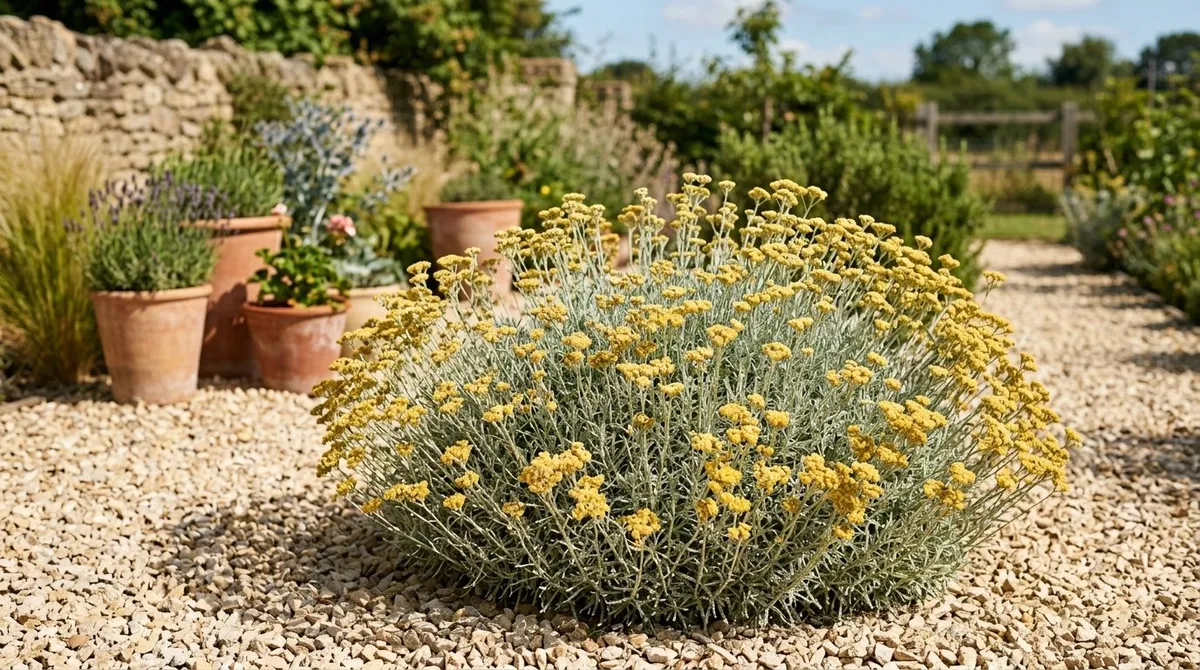
The single most useful thing to understand is the name clash. Helichrysum italicum is the curry plant. It is a low silver shrub from the dry hills of southern Europe, grown across UK gardens for foliage and scent rather than flavour.
The plant you want for actual curries is Murraya koenigii, the curry leaf tree. Its glossy green pinnate leaves carry the real culinary flavour used in South Indian cooking. It is tender and grown in pots here. If you came looking to cook, read our curry leaf plant care guide instead, because that is the species you need.
The confusion is honest. Crush a leaf of Helichrysum and it smells startlingly of mild curry powder, thanks to volatile oils in the foliage. But the scent does not survive cooking well, and the leaf is not eaten. So one plant smells of curry and one tastes of it. They are unrelated, look nothing alike, and want very different care.
Using the scent without eating the leaf
You can use curry plant in the kitchen, with one firm rule: scent only, then remove it. Drop a single 5cm sprig into a pot of rice, a tomato sauce or a slow stew while it cooks.
The oils lend a gentle savoury, curry-like warmth to the dish. Lift the sprig out before serving, exactly as you would a bay leaf. Cooked and eaten, the foliage turns bitter and resinous, and the texture is unpleasant. It will not poison you, but no cook would choose to chew it.
Warning: Never substitute curry plant for curry leaves in a recipe. The flavours are not the same, and using Helichrysum as a leaf vegetable gives a harsh, medicinal result. Treat it as a scenting herb you remove, never an ingredient you serve.
Right spot, right soil: getting the basics right
This plant is built for the dry Mediterranean, so copy those conditions. Give it full sun, the more the better, and the sharpest drainage you can manage. Six hours of direct sun keeps the foliage bright silver; in shade it goes green, soft and floppy.
Soil matters more than anything. Curry plant wants poor, gritty, free-draining ground. Sandy and chalky soils suit it perfectly. On those, our best plants for sandy soil list shows the kind of company it keeps. Heavy clay is the problem. It holds water, and wet roots in a cold spell mean rot.
If you garden on clay, do not give up. Dig in plenty of horticultural grit, plant on a slight mound, and top with a 5cm gravel mulch. The aim is to keep the crown dry. A raised bed or a large container is often the easiest fix on stubborn ground.
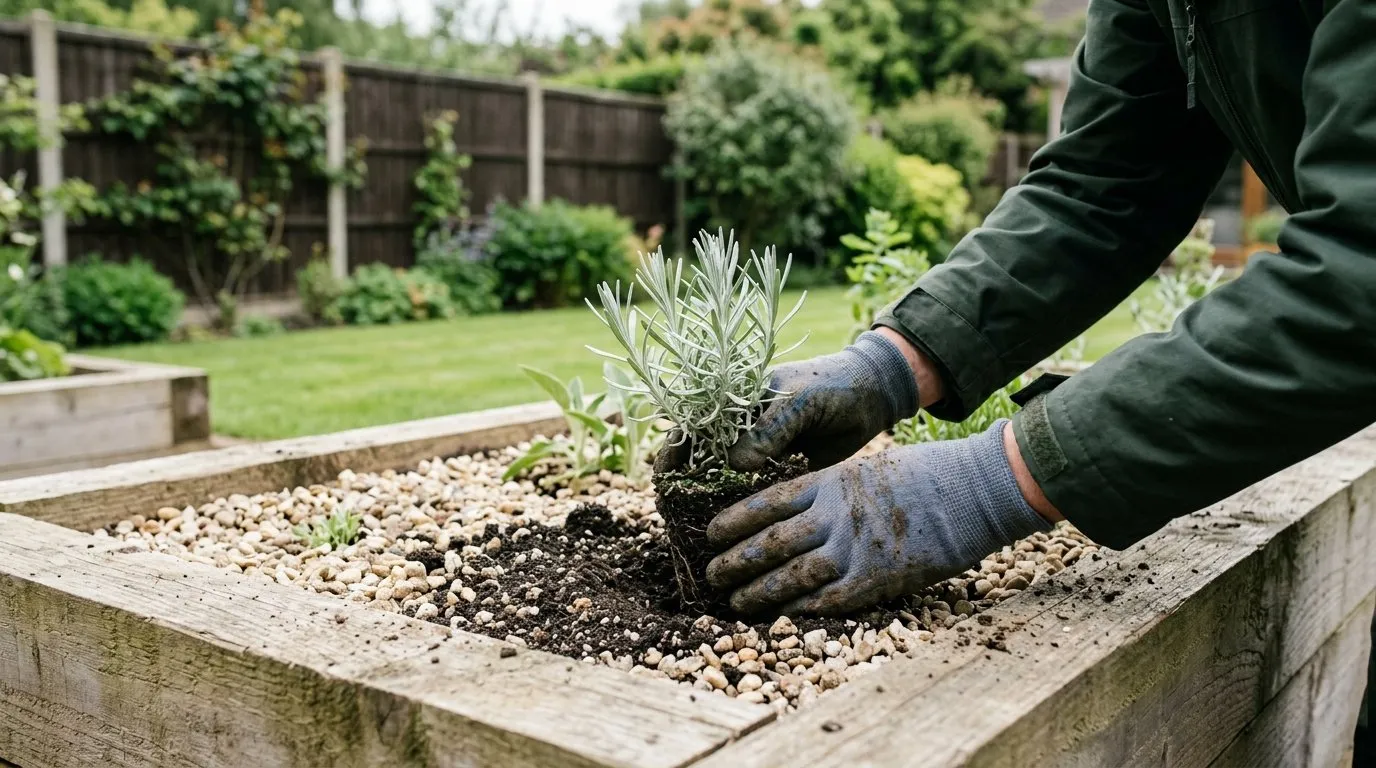 Planting on grit in a raised bed keeps the crown dry through a wet UK winter.
Beating winter wet, the real UK killer
Curry plant is borderline hardy, surviving to about -8C in the right soil. People assume cold kills it. It rarely does. The true killer in Britain is winter wet sitting around the roots.
A plant in free-draining ground shrugs off frost. The same plant in cold, sodden clay rots at the crown by February. Drainage is therefore your insurance policy. Raise the crown, mulch with grit, and never let it sit in a puddle.
In very exposed or northern gardens, give extra help. A pane of glass or an open cloche over the plant through the wettest weeks keeps the worst rain off without trapping damp. The same trick that protects other tender Mediterranean species works here, as our drought-tolerant plants guide explains for the wider group.
Gardener’s tip: Do not cut curry plant back in autumn. The old growth shelters the crown through winter, and pruning into cold, wet conditions invites dieback. Wait until late spring, then tidy once you see fresh shoots.
A year with curry plant: month-by-month UK calendar
Curry plant has a clear rhythm. Match your jobs to it and the plant stays compact and healthy for years.
| Month | Main job | Detail |
|---|---|---|
| March-April | Spring tidy | Remove dead tips once new growth shows; do not cut old wood |
| May | Plant out | Set out young plants and rooted cuttings after the last frost |
| June-July | Enjoy and water young plants | Mustard-yellow flowers open; water only first-year plants |
| July-August | Take cuttings | Semi-ripe cuttings root in 4-6 weeks as winter insurance |
| August-September | Hard trim | Cut back by a third to a half once flowers fade |
| October | Improve drainage | Top-dress with grit; clear fallen leaves off the crown |
| November-February | Protect | Keep crown dry; glass or cloche in exposed gardens |
Curry plant, dwarf ‘Korma’ and the culinary curry leaf compared
This table cements the distinction. Two are silver Helichrysum ornamentals; the third is the green plant you cook with.
| Plant | Type and use | Size | Hardiness | Effectiveness in UK gardens |
|---|---|---|---|---|
| Helichrysum italicum (curry plant) | Silver ornamental sub-shrub; scent only | 40-60cm x 60-90cm | To -8C in good drainage | Excellent for gravel and dry schemes; reliable if kept dry |
| Helichrysum italicum ‘Korma’ (dwarf) | Compact silver ornamental; edging | 25-30cm x 30-40cm | To -8C in good drainage | Excellent for low edging and pots; tidier, less floppy |
| Murraya koenigii (curry leaf) | Tender green tree; culinary leaves | 1-2m in a pot | Tender; min 10-15C | Pot only, indoors in winter; the real cooking plant |
The dwarf form ‘Korma’ is the pick for small spaces and the front of a border. It stays neater and needs less trimming. The full species gives more silver bulk for a gravel garden. Neither is eaten.
Pruning: numbered steps and the mistake everyone makes
Pruning is what separates a tidy silver dome from a woody sprawl. Helichrysum gets bare-stemmed and ugly without an annual cut. Follow these stages after flowering.
- Wait until the mustard-yellow flowers fade, usually August or early September.
- Identify the band of soft, leafy growth above the bare lower stems.
- Cut back by a third to a half, staying within that leafy zone.
- Always leave some leaves on every stem you cut.
- Shape the plant into a low dome as you go.
- Clear the cut material away from the crown to keep it airy.
The critical mistake most people make is cutting too late and too hard, slicing into the old bare wood at the base. Curry plant rarely reshoots from bare wood. Cut there and you get dead stumps, not new growth. If a plant has already gone woody and leggy, the kinder fix is to replace it from a cutting rather than butcher it.
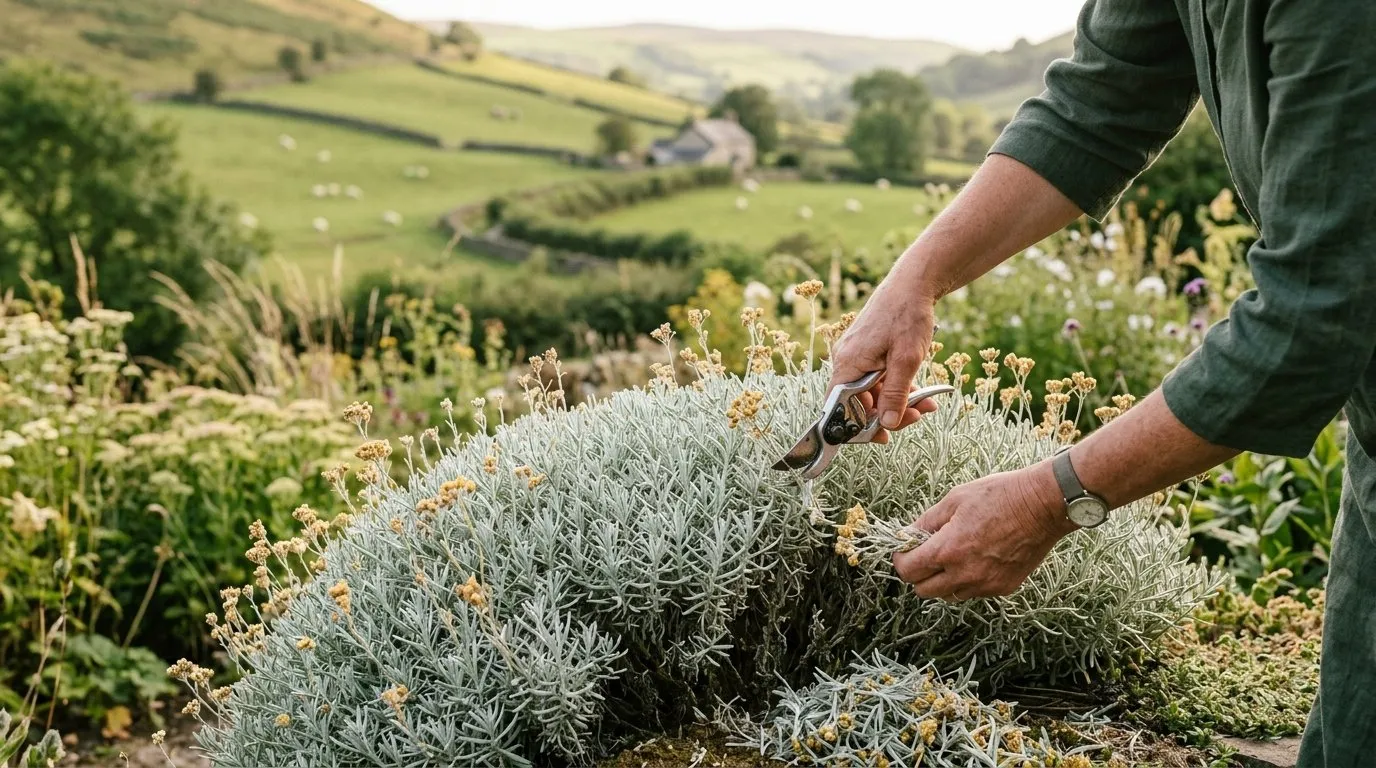 Trim into the soft leafy growth only; never cut into the bare old wood below.
Why woody, leggy plants are so common
The root cause behind most failed curry plants is not pests or disease. It is neglect of that one annual trim, combined with too rich a soil. Both push the plant to bolt upward and go bare at the base.
Feed it or plant it in good border soil and it grows fast, soft and lax, then flops and woods up. Starve it, in poor gritty ground with a yearly cut, and it stays dense and silver. The plant evolved on dry, infertile hillsides. It thrives on hardship. Treat it kindly and you kill it with kindness.
This is the same logic behind growing lavender well. Both are sun-loving sub-shrubs that demand poor soil and a regular prune to stay shapely, and both turn to bare wood if you skip the cut.
Easy cuttings as winter insurance
Because curry plant is borderline hardy, propagation is your safety net. It roots so readily that there is no excuse to lose the plant for good.
Take semi-ripe cuttings in July or August. Choose this year’s shoots that are firm at the base but still soft at the tip. Cut 8-10cm lengths just below a leaf joint, strip the lower leaves, and insert them round the edge of a pot of gritty compost. Keep them out of direct sun and lightly moist, and most root within 4-6 weeks.
Softwood cuttings taken in late spring also work and root a little faster, though they wilt more easily. Our plant propagation guide covers the method in full. The Royal Horticultural Society also has clear, free advice on taking cuttings if you want a second reference.
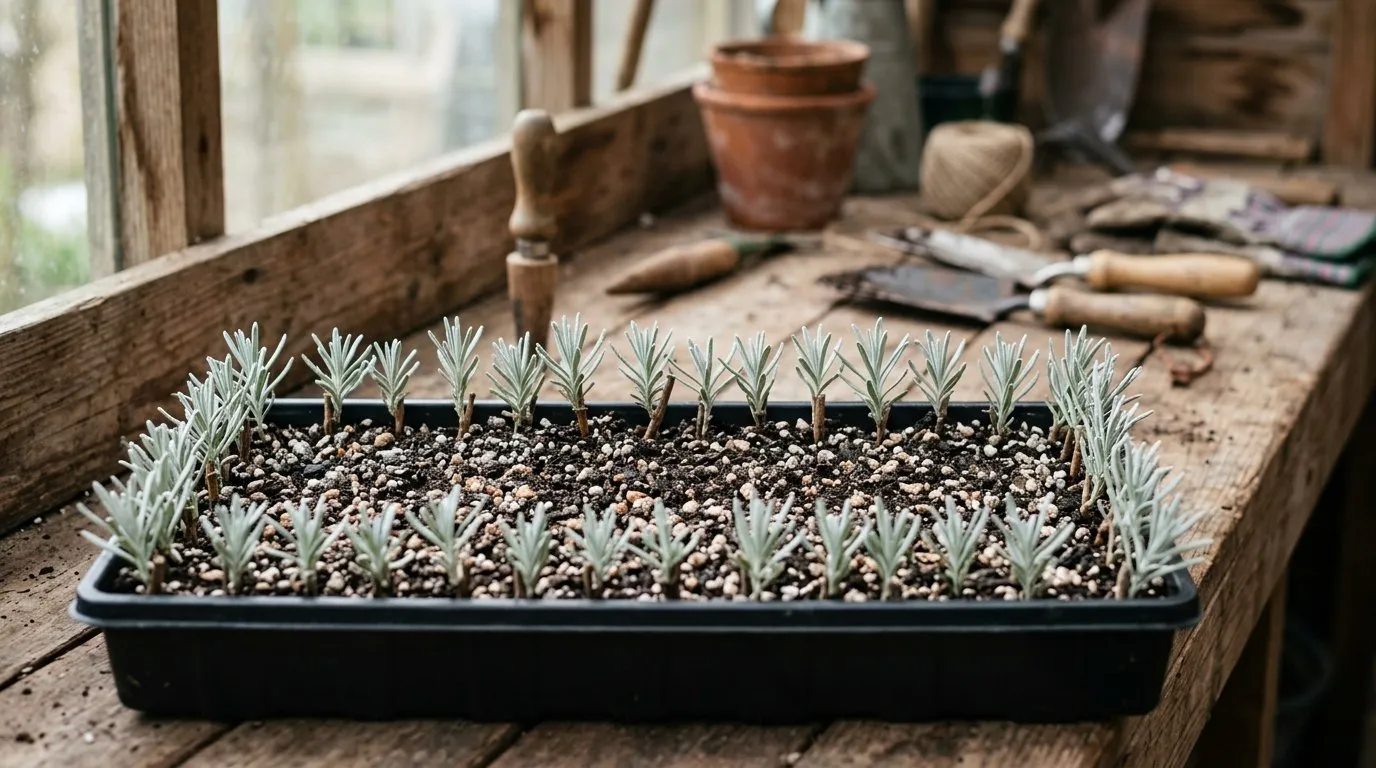 Semi-ripe cuttings taken in July root in four to six weeks as cheap winter insurance.
Using curry plant in the garden
The silver foliage is the whole point, so plant it where that colour earns its keep. It shines in gravel gardens, dry borders and Mediterranean-style schemes, where it cools down hot reds and oranges and sets off purples beautifully.
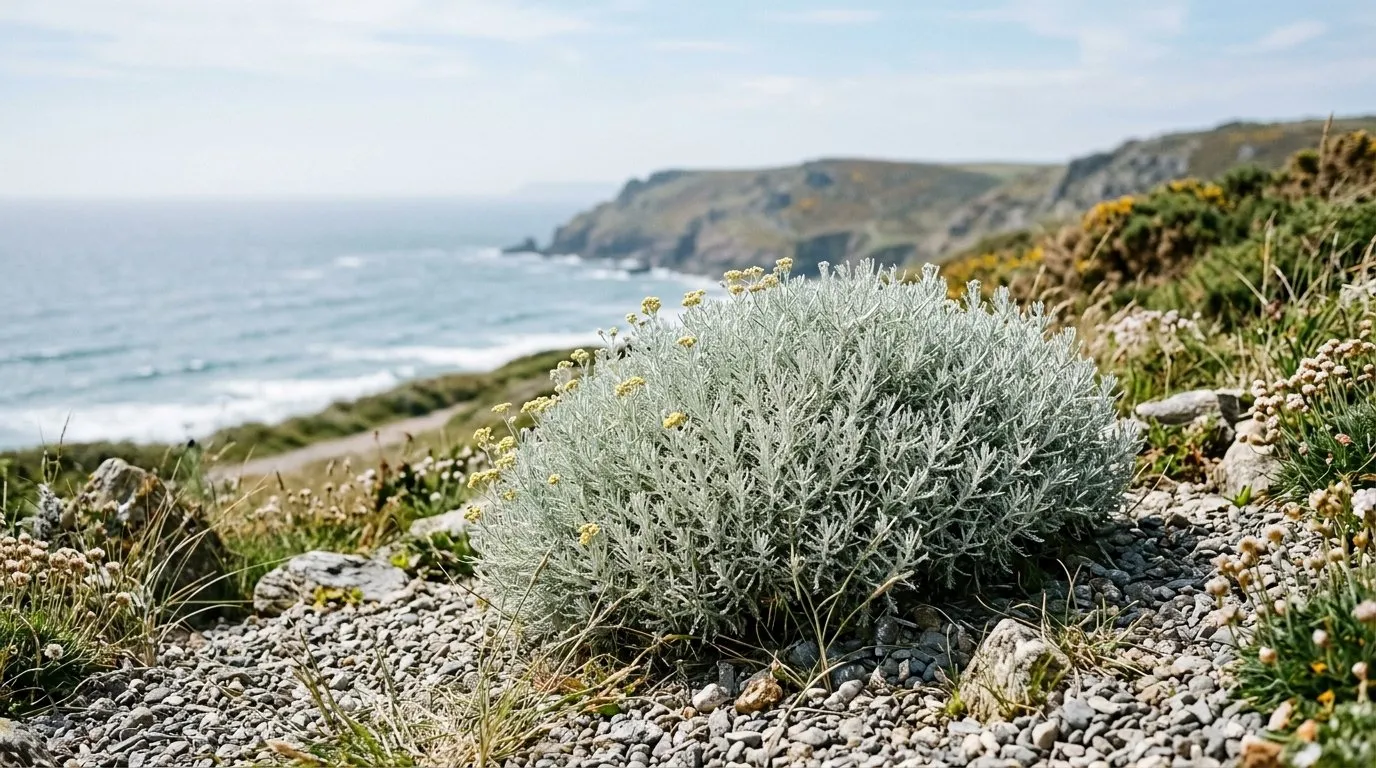 In Cornwall’s dry coastal gardens, curry plant copes with wind, salt and poor soil.
Growing curry plant in pots
A large container is the ideal way to grow curry plant on heavy clay, because you control the drainage completely. Pick a terracotta pot at least 30cm across with generous drainage holes.
Use a gritty mix: roughly 60% peat-free compost to 40% sharp grit or perlite. Add crocks over the holes and stand the pot on feet so water runs straight through. Site it on a sunny patio or by a south-facing wall where it bakes.
Water only when the top few centimetres dry out, and stop almost entirely from October. The biggest pot-growing error is leaving the container in a saucer of water, which rots the roots within weeks. Through winter, move the pot under the eaves or against a wall to shelter it from the worst rain.
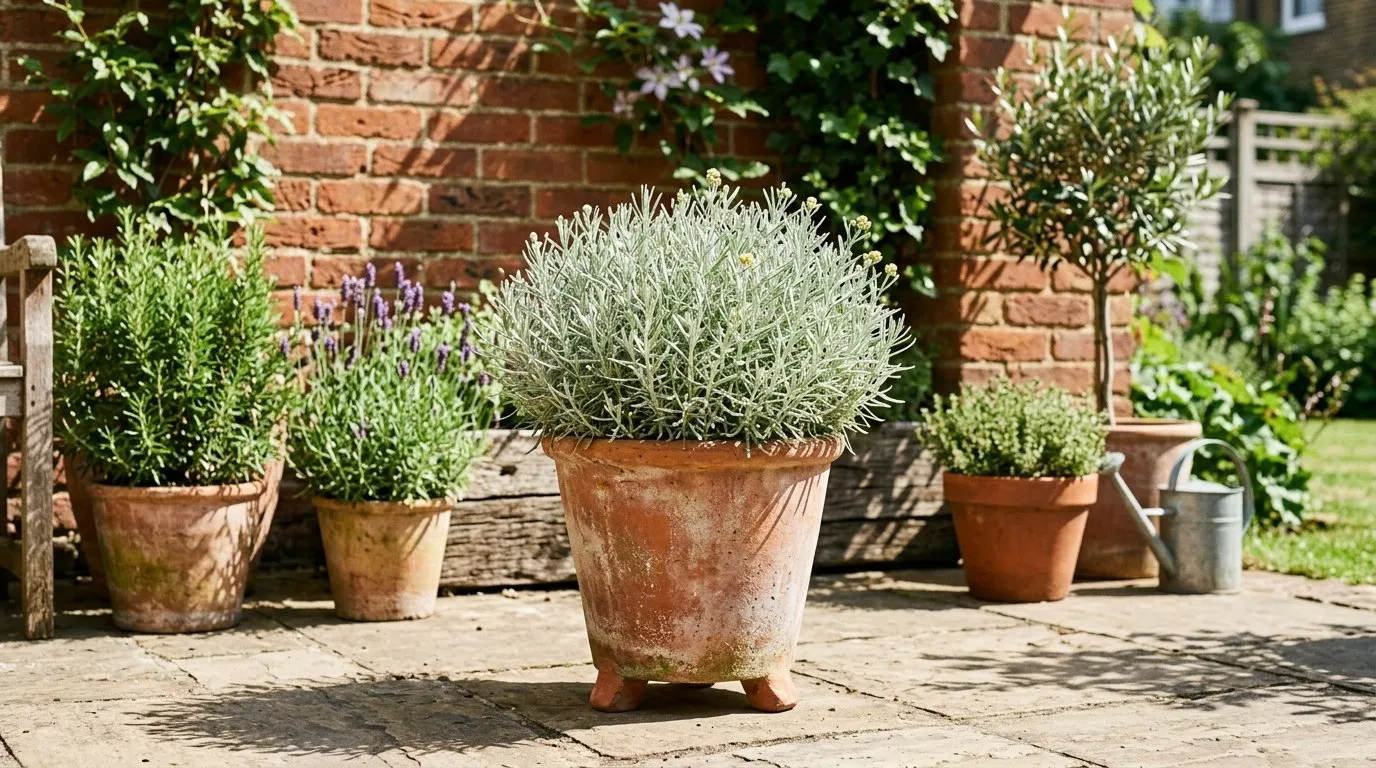 A gritty mix in a terracotta pot lets you grow curry plant well even on heavy clay.
Common mistakes to avoid
Three errors account for nearly every dead or ugly curry plant. Each is easy to avoid once you know the cause.
- Planting in wet clay. Roots rot over winter because water sits round the crown. Avoid it by digging in grit, planting on a mound, and mulching with gravel.
- Skipping the annual trim. The plant goes bare and woody because old stems are never refreshed. Avoid it by cutting back a third to a half every August.
- Overwatering and overfeeding. Soft, floppy, green growth appears because the plant is too comfortable. Avoid it by planting in poor soil and watering only young plants in drought.
A close-up of healthy foliage tells you the plant is happy: tight, felted, intensely silver leaves that bead water rather than soaking it up.
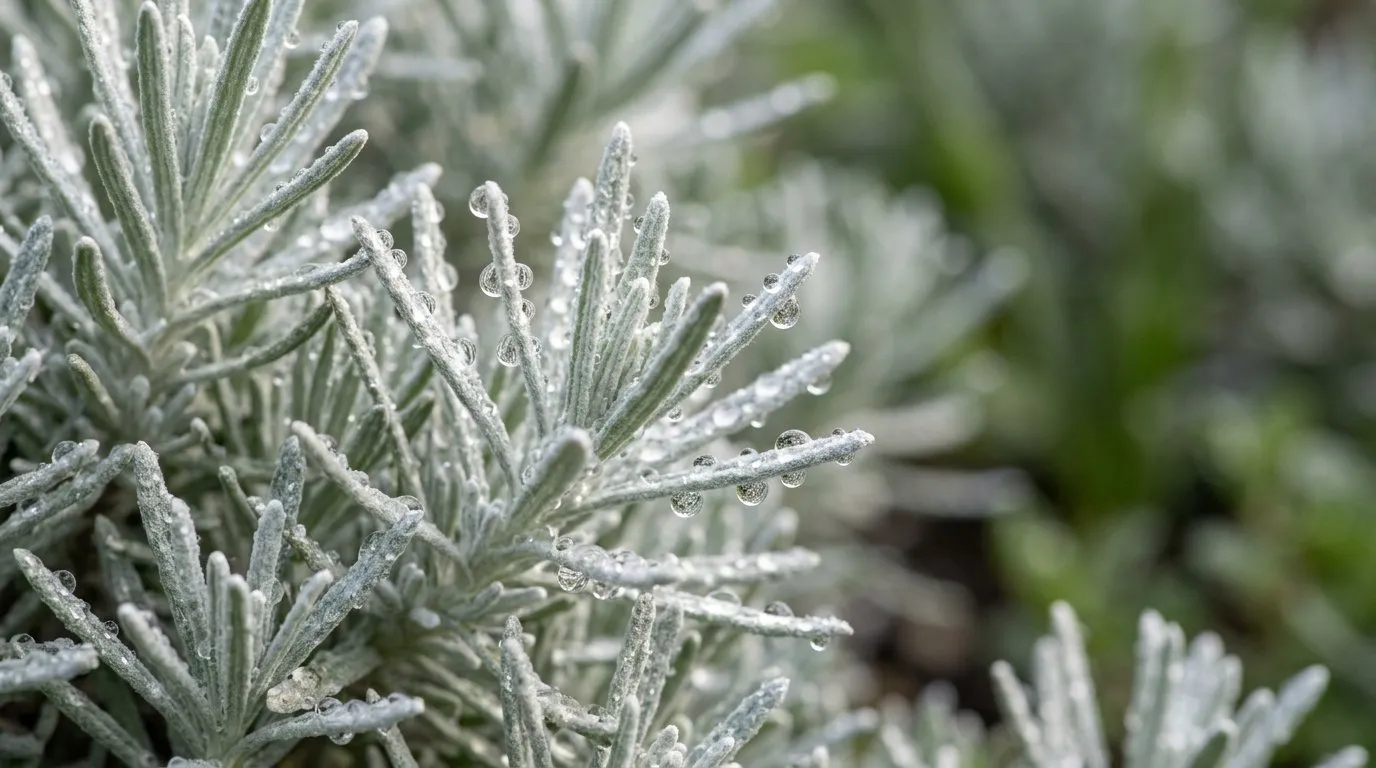 Healthy curry plant foliage is tightly felted and silver, and beads water off the surface.
Frequently asked questions
Can you cook with curry plant?
No, not really; it scents food but is not eaten. The leaves smell of curry but turn bitter and resinous when cooked. Add a single sprig to rice or a stew for aroma, then remove it before serving. For a culinary curry leaf, you need Murraya koenigii instead.
Is curry plant the same as the curry leaf plant?
No, they are completely different plants. Curry plant is Helichrysum italicum, a silver Mediterranean shrub grown for looks and scent. The curry leaf plant is Murraya koenigii, a tender tree whose glossy green leaves flavour Indian cooking. They share only a name and an aroma.
Is curry plant hardy in the UK?
It is borderline hardy, surviving to roughly -8C in free-draining soil. Cold rarely kills it directly. Winter wet on heavy clay does, by rotting the roots. Improve drainage, raise the crown on grit, and take cuttings each July as insurance against a hard winter.
Why is my curry plant going woody and leggy?
It has not been trimmed regularly after flowering. Helichrysum gets bare and sprawling without an annual cut. Trim it back by a third to a half once the flowers fade in late summer. Never cut into old bare wood, as it rarely reshoots from there.
How do you propagate curry plant?
Take semi-ripe cuttings in July or August. Snip 8-10cm shoots below a leaf joint, strip the lower leaves, and push them into gritty cuttings compost. They root in 4-6 weeks. Softwood cuttings in late spring also work and root slightly faster.
Does curry plant need watering?
Only in its first summer and in long droughts. Once established it is genuinely drought tolerant and prefers dry roots. Overwatering, especially in pots that cannot drain, is a common cause of yellowing and collapse. Water deeply but rarely, then leave it alone.
What grows well with curry plant?
Other sun-loving Mediterranean plants in free-draining soil. Pair its silver foliage with lavender, rock rose, rosemary and purple salvias for contrast. It also works as low edging or in gravel and dry-garden schemes. Avoid planting it among thirsty perennials that need regular watering.
Now you have curry plant sorted, browse our full plants hub and read our guide on how to grow rosemary for another sun-loving, free-draining herb that pairs perfectly with it.
Our team produces practical UK gardening guidance from source research, contributor records and established horticultural practice. Editorial standards are overseen by Matt W.