Key takeaways
- A moon garden uses white flowers and silver foliage that reflect low evening and moonlight
- Plant night-scented stock, nicotiana, jasmine and evening primrose near where you sit
- Place pale planting and light paving along the routes you walk after dark
- Silver and grey foliage glows at dusk long after flower colour has faded to grey
- Soft, warm, low-level lighting lifts a moon garden; harsh white floodlights kill it
- Planting by the lunar phase is folklore, not science; design and plant choice do the real work
Most gardens are designed for daylight, then abandoned the moment the sun goes down. A moon garden flips that idea. It is planted and arranged to come alive after dark, when white flowers glow, silver leaves catch the moonlight, and the night air fills with scent that the daytime garden never releases. For anyone who only sees their garden in the evening after work, it is the most useful design idea there is. This guide covers the plants, the layout, and the lighting that make it work, and it clears up the persistent myth about planting by the moon.
Get it right and your garden gives you a second life it never had: a calm, fragrant space for the hours you are actually home to enjoy it.
What is a moon garden and why it works
The effect is partly physics and partly biology. Pale petals reflect more of the little light there is, from the moon, from the afterglow of sunset, or from a soft garden lamp. Our night vision, meanwhile, is more sensitive to brightness than to colour, so a white flower reads as a clear shape when a red one has vanished.
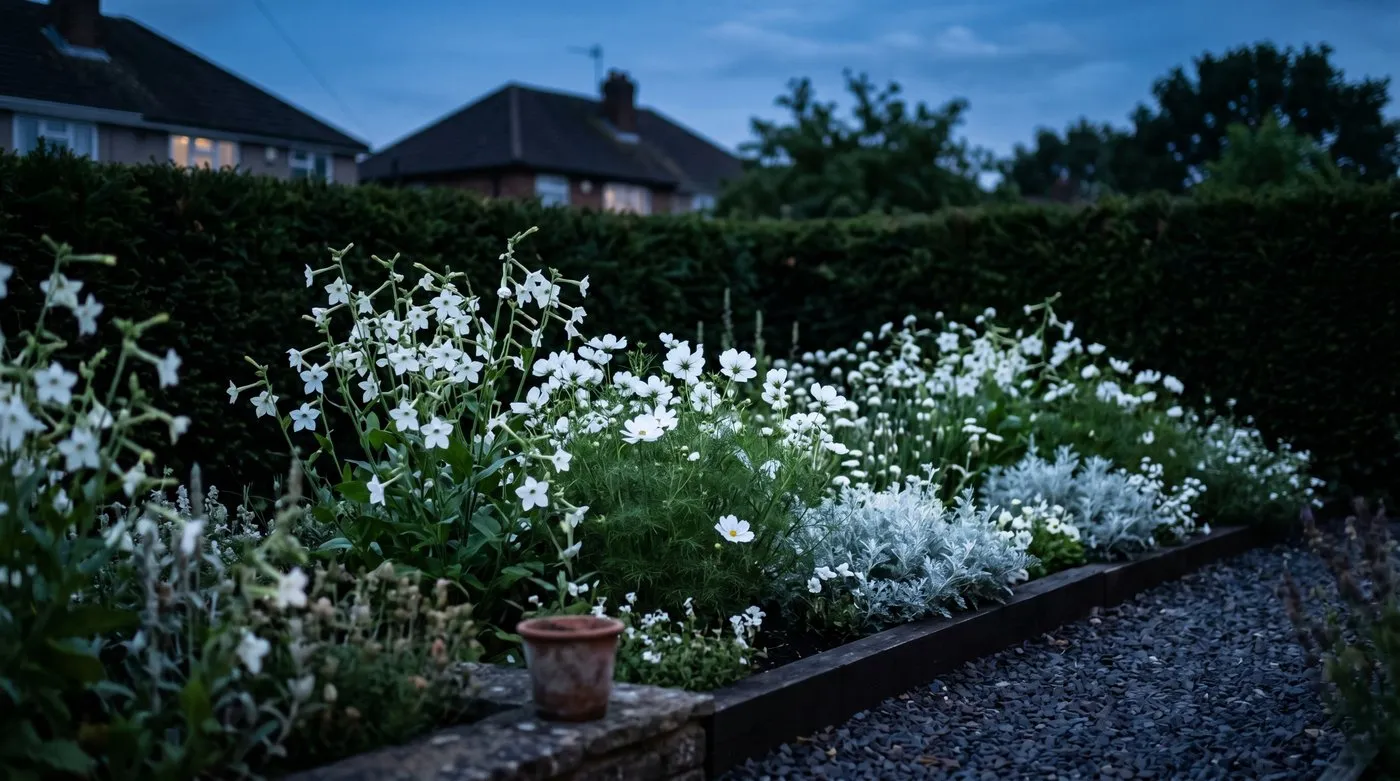 White flowers and silver foliage hold their brightness long after dusk, while warm colours fade to grey. This is the whole principle of a moon garden in one view.
The best plants for a UK moon garden
Plant choice does most of the work, so this is where to focus. The core of a moon garden is white flowers, silver foliage, and night-scented plants, grouped where you sit and walk in the evening.
For white flowers that glow, lean on white nicotiana, white cosmos, Japanese anemone, white foxglove, and shrub roses in pure white. For scent after dark, night-scented stock is unbeatable for a few weeks, while jasmine, honeysuckle, and evening primrose carry the fragrance for longer. The RHS list of plants for pollinators is a useful starting point for a moth-friendly version.
Silver and grey foliage is the secret weapon, because it glows even when no flower is out. Artemisia, lamb’s ear, silver santolina, and the felted leaves of Stachys all reflect moonlight. Our roundup of the best scented plants for UK gardens covers the fragrance side in depth, and for the climber that earns its place on every moon-garden fence, see how to grow star jasmine.
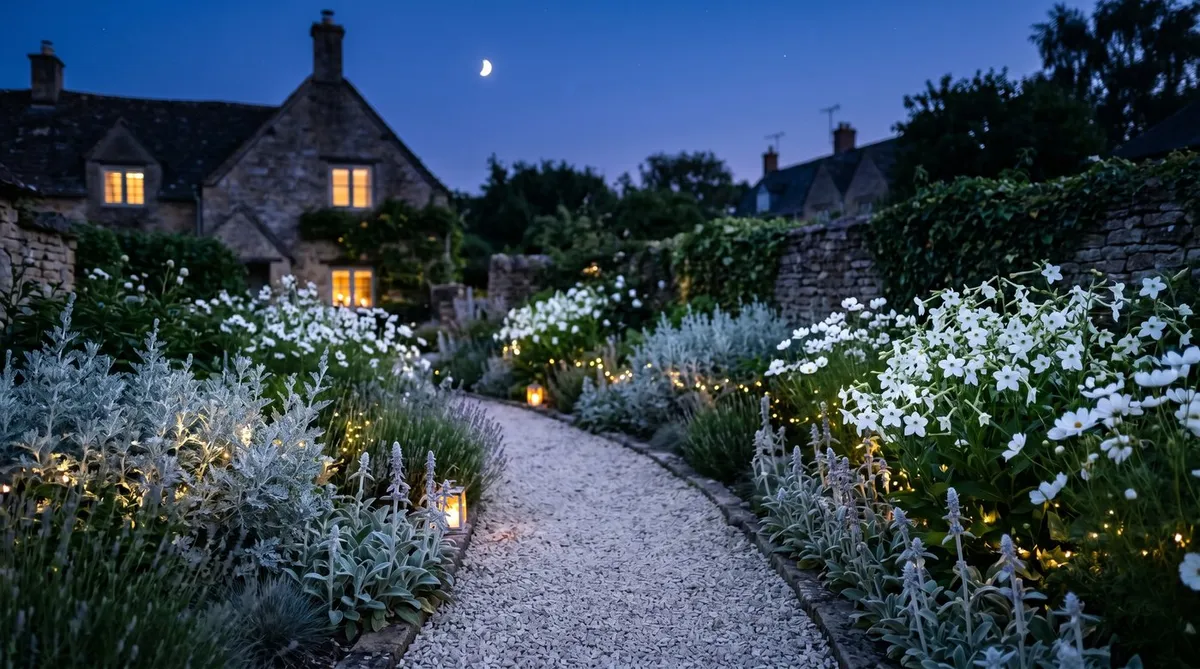
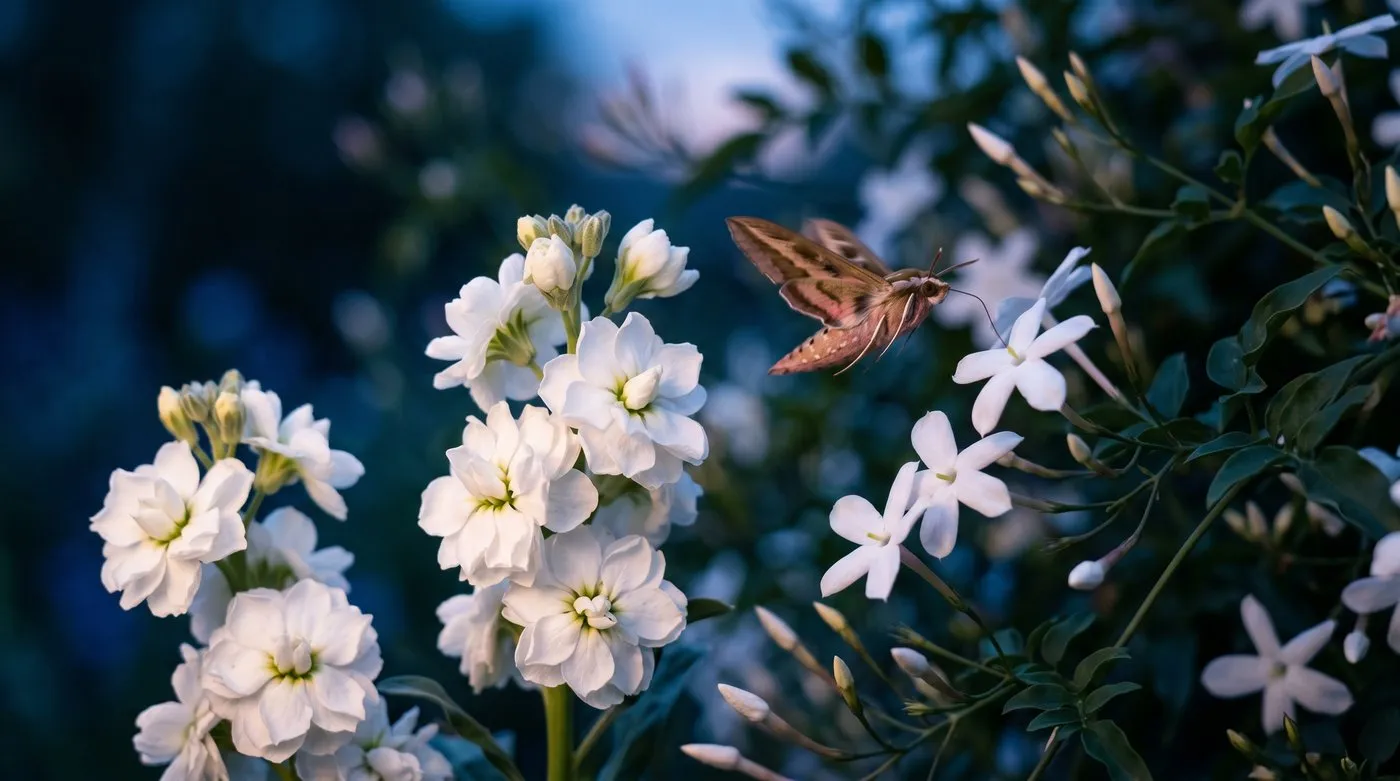 Night-scented stock and white jasmine glow and pour out fragrance after dusk to draw moths. Group the palest, most scented plants nearest the seats and the back door.
Designing the layout for evening use
A moon garden is only as good as its placement, so design around your habits. Put the pale planting, the scent, and the seating along the routes and views you actually use after dark. There is no point in a glowing border at the bottom of a plot you never visit at night.
Start at the back door and the kitchen window, the spots you see the garden from in the evening. Then trace the path to where you sit. Concentrate the white flowers and silver foliage along that line, so the garden reads as a glowing ribbon rather than scattered dots. Pale paving, light gravel, or a cream-painted wall amplifies the effect by bouncing what light there is.
Keep the scented plants close. Fragrance fades fast over distance, so a jasmine on the fence beside your chair does far more than the same plant across the lawn. Leave dark, leafy plants for the edges, where they recede into the night and frame the glow. For inspiration on the daytime masterclass in white planting, the famous Sissinghurst white garden shows how restraint and repetition create impact.
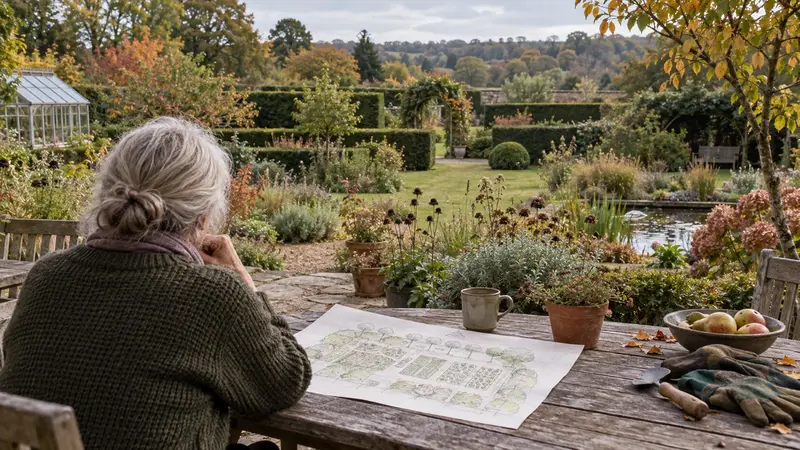
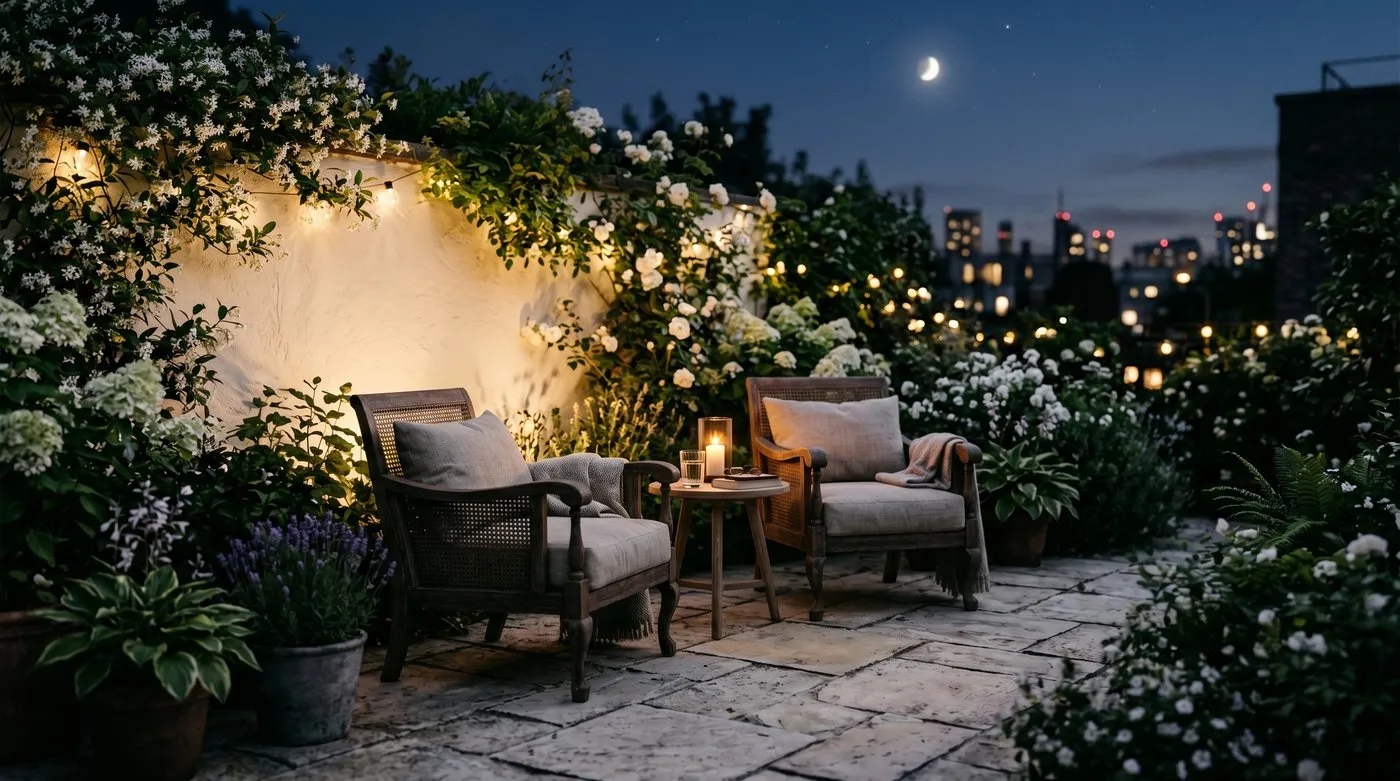 Concentrate the glow and scent where you actually sit. White planting around this seating area reads clearly long after the rest of the plot has gone dark.
Gardener’s tip: Walk your garden at dusk before you plant anything. Note where the last light lingers and where the moon falls. Those are the spots that will reward white planting most, and they are rarely where you would guess in daylight.
Moon garden plants compared
Different plants pull different weight in the dark. This table ranks the main moon-garden plants by what they offer, when they perform, and where to put them.
| Plant | Main asset | Peak time | Best position |
|---|---|---|---|
| Night-scented stock | Powerful evening scent | Midsummer | Right beside seating |
| White nicotiana | Glow plus night scent | Summer to autumn | Near seats and paths |
| Star jasmine | Strong scent, white stars | Early to midsummer | On a fence by the seat |
| Evening primrose | Opens at dusk, soft glow | Summer evenings | Mid-border, in drifts |
| White cosmos | Tall airy glow | Summer to first frost | Back of the border |
| Artemisia (silver) | Foliage glow, no flower needed | All season | Front edge, along paths |
| Lamb’s ear | Felted silver leaves | All season | Path edges, low fronts |
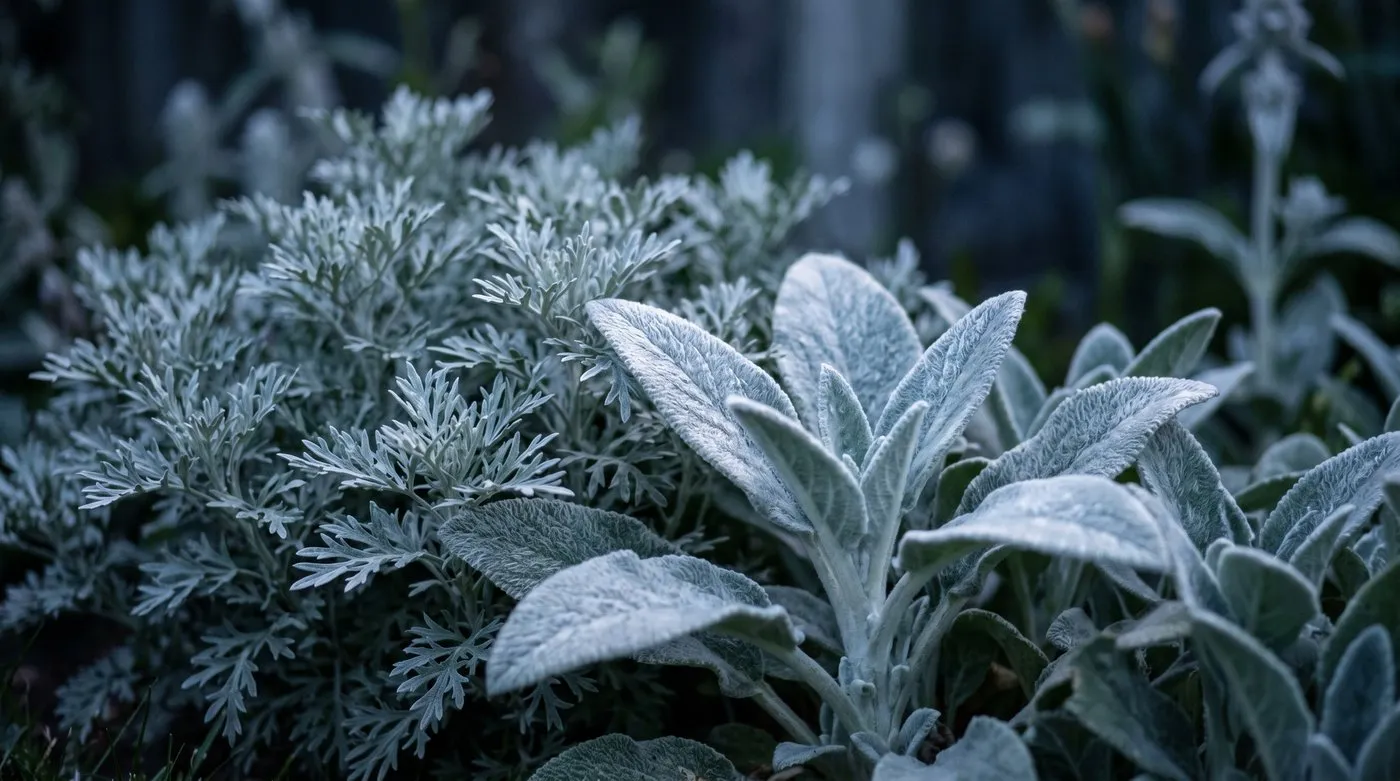 Silver and felted foliage glows every night of the season, flower or no flower. Run it along the front edges and path sides where you pass after dark.
The truth about planting by the moon
This is the myth worth clearing up, because the name invites confusion. A moon garden has nothing to do with planting by the moon’s phase, and there is no solid scientific evidence that lunar timing improves how plants grow. The two ideas share a word and nothing else.
Lunar gardening is an ancient tradition that times sowing and planting to the phases of the moon. People have followed it for centuries, and many enjoy the rhythm it brings to the gardening year. But controlled studies have not found a consistent effect on germination or growth beyond ordinary seasonal timing. If following the moon helps you garden more regularly, that is a fine reason to do it, just not a horticultural one.
A moon garden, by contrast, is pure design. Its success rests entirely on choosing the right plants and placing them where evening light and your own evening routine meet. If you are curious about the folklore itself, our honest look at lunar gardening weighs the tradition against the evidence.
Lighting a moon garden
Lighting can make or ruin the whole effect, so handle it with restraint. Use soft, warm, low-level light that washes surfaces, and never bright white floodlights, which flatten the planting and kill the mood. The moon and the pale flowers should lead; lighting only supports them.
Uplight a pale wall or a silver-leaved shrub to create a gentle glow. Run low path lights at ankle height to guide the way without glare. Warm-white string lights overhead give a soft canopy. Solar versions are easy and need no wiring, though they dim through the night. Keep the colour temperature warm, around 2700K, since cold blue-white light makes planting look harsh and grey.
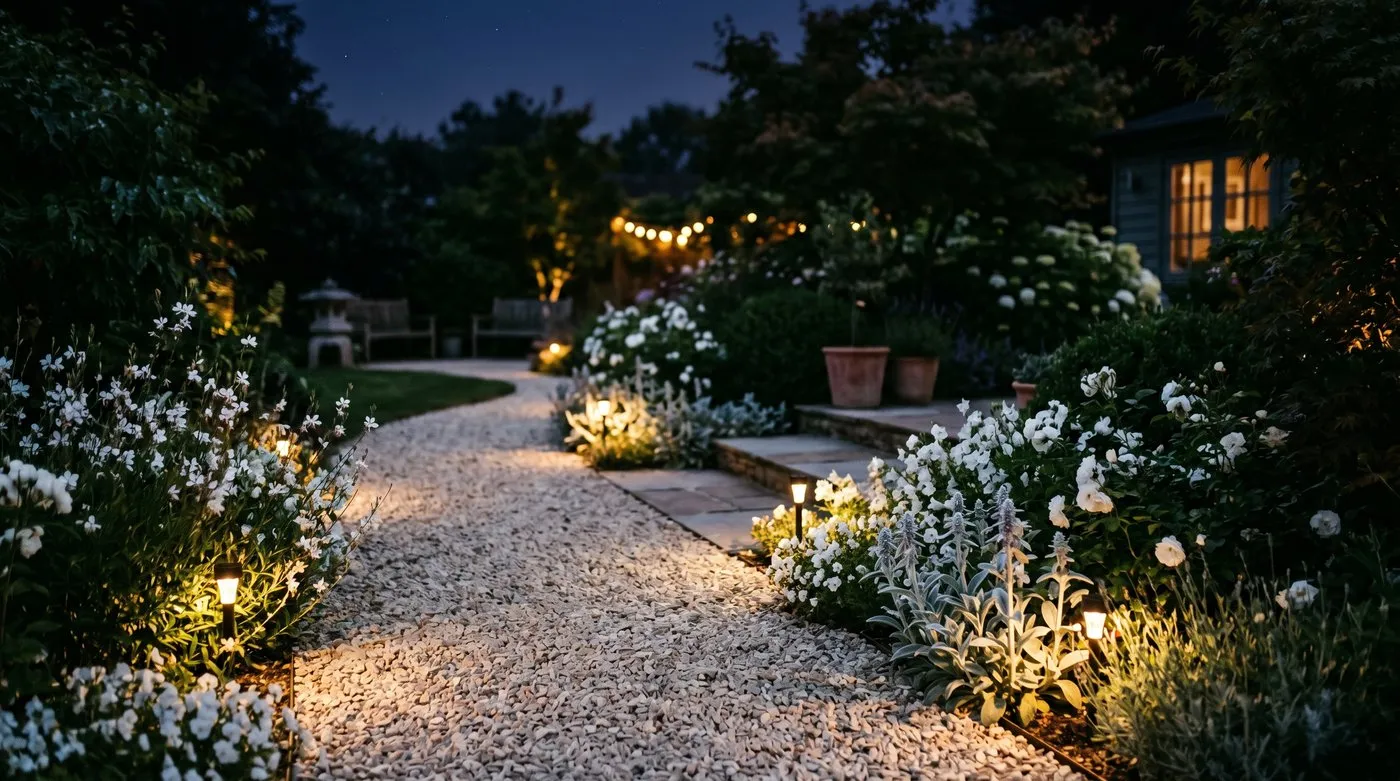 Warm, low lighting washing a pale path. Restraint is everything: a few soft pools of light, not a flood, lets the planting and the moon lead.
Frequently asked questions
What is a moon garden?
A moon garden is a garden designed to be seen and enjoyed after dark. It uses white and pale flowers, silver or grey foliage, and night-scented plants that reflect low evening light and release fragrance in the cool of the night. The aim is a space that comes alive at dusk, when a normal garden’s colours fade to grey.
What plants are best for a moon garden?
White flowers and silver foliage work best, especially night-scented kinds. Night-scented stock, white nicotiana, jasmine, evening primrose and white cosmos give scent and glow. For foliage, artemisia, lamb’s ear and silver santolina catch moonlight. Choose pale, scented plants near seating, where their light and fragrance reach you in the evening.
Do white flowers really glow at night?
Yes, white and pale flowers reflect far more low light than coloured ones, so they appear to glow at dusk and under moonlight. Reds and purples are the first colours the eye loses as light fades, while whites and silvers hold their brightness longest. This is why a white planting scheme reads clearly long after the rest of the garden has gone dark.
Does planting by the moon actually work?
There is no reliable scientific evidence that sowing or planting by the moon’s phase improves growth. Studies have not found a consistent effect beyond normal seasonal timing. Lunar gardening is an old tradition many enjoy following, but a moon garden’s success comes from plant choice and design, not the phase of the moon when you sow.
How do you light a moon garden?
Use soft, warm, low-level lighting that washes surfaces rather than glares. Uplight a pale wall, run low lights along a path, or hang warm string lights overhead. Avoid bright white floodlights, which flatten the planting and destroy the mood. The moon and pale flowers do most of the work; lighting should only gently support them.
Our team produces practical UK gardening guidance from source research, contributor records and established horticultural practice. Editorial standards are overseen by Matt W.