Key takeaways
- Micronutrients are needed in tiny amounts but essential to healthy growth
- In alkaline soil iron and manganese lock up and cause yellowing
- Chelated forms keep the nutrient soluble and available to roots
- Yellow leaves with green veins signal iron or manganese shortage
- Foliar feeding sprays nutrients onto leaves for uptake within hours
- EDDHA chelates work best for iron in high-pH soils
Most feeding advice focuses on nitrogen, phosphorus, and potassium, but a plant needs more than those three to thrive. The trace elements, iron, manganese, magnesium, boron, and others, are needed in tiny amounts, yet a shortage of any one shows up as clear, often dramatic symptoms. The catch is that these nutrients frequently lock up in the soil and become unavailable even when present, which is where chelated feeds and foliar spraying come in. This guide explains what micronutrients do, how to read a deficiency, why chelation matters, and how foliar feeding fixes a problem in days rather than weeks.
The single most common micronutrient problem in UK gardens, yellow leaves with green veins, is also the clearest illustration of why the chemistry matters.
What micronutrients are and why they matter
Micronutrients, also called trace elements, are nutrients plants need in very small amounts: iron (Fe), manganese (Mn), zinc (Zn), copper (Cu), boron (B), and molybdenum (Mo). Magnesium (Mg) sits alongside them as a secondary nutrient needed in slightly larger amounts. Tiny though the quantities are, each does a specific, irreplaceable job: iron and magnesium are central to making chlorophyll, manganese drives photosynthesis, boron builds cell walls and moves sugars, and so on.
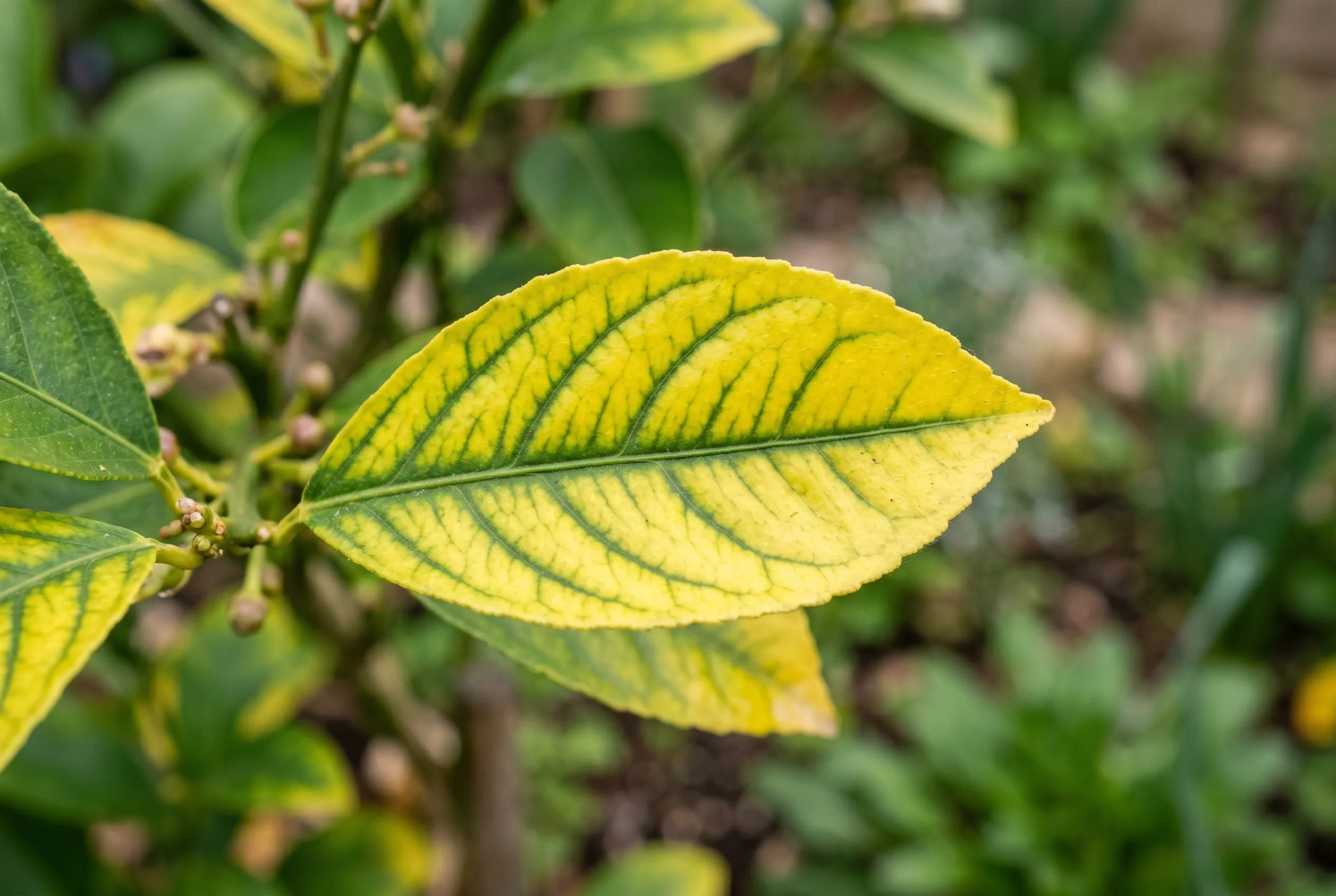 Iron chlorosis: yellow leaf tissue with green veins, the classic sign of iron locking up in alkaline soil rather than being absent.
How to read a deficiency
Each trace element shows a recognisable pattern, and the position of the yellowing on the plant is the biggest clue. Nutrients the plant can move around, like magnesium, show on old leaves first as the plant robs them to feed new growth. Nutrients it cannot move, like iron, show on the youngest leaves first.
| Deficiency | Symptom | Where | Common cause |
|---|---|---|---|
| Iron | Yellow leaf, green veins | Youngest leaves first | Alkaline soil, high pH |
| Manganese | Interveinal yellowing, flecking | Mid to young leaves | High pH, waterlogging |
| Magnesium | Yellowing between veins | Oldest leaves first | Light soils, heavy potash feeding |
| Boron | Cracked stems, hollow or brown cores | Growing points | Dry or limy soil |
| Molybdenum | Pale, narrow, distorted leaves | Whole plant | Acid soil |
Iron and manganese both cause interveinal chlorosis, the green-vein-on-yellow look, and both stem from high pH. Magnesium looks similar but strikes the older leaves. Reading which leaves are affected, old or young, narrows it down fast. Tomatoes are a classic case, often showing magnesium shortage on the lower leaves; our guide on growing tomatoes covers their feeding.
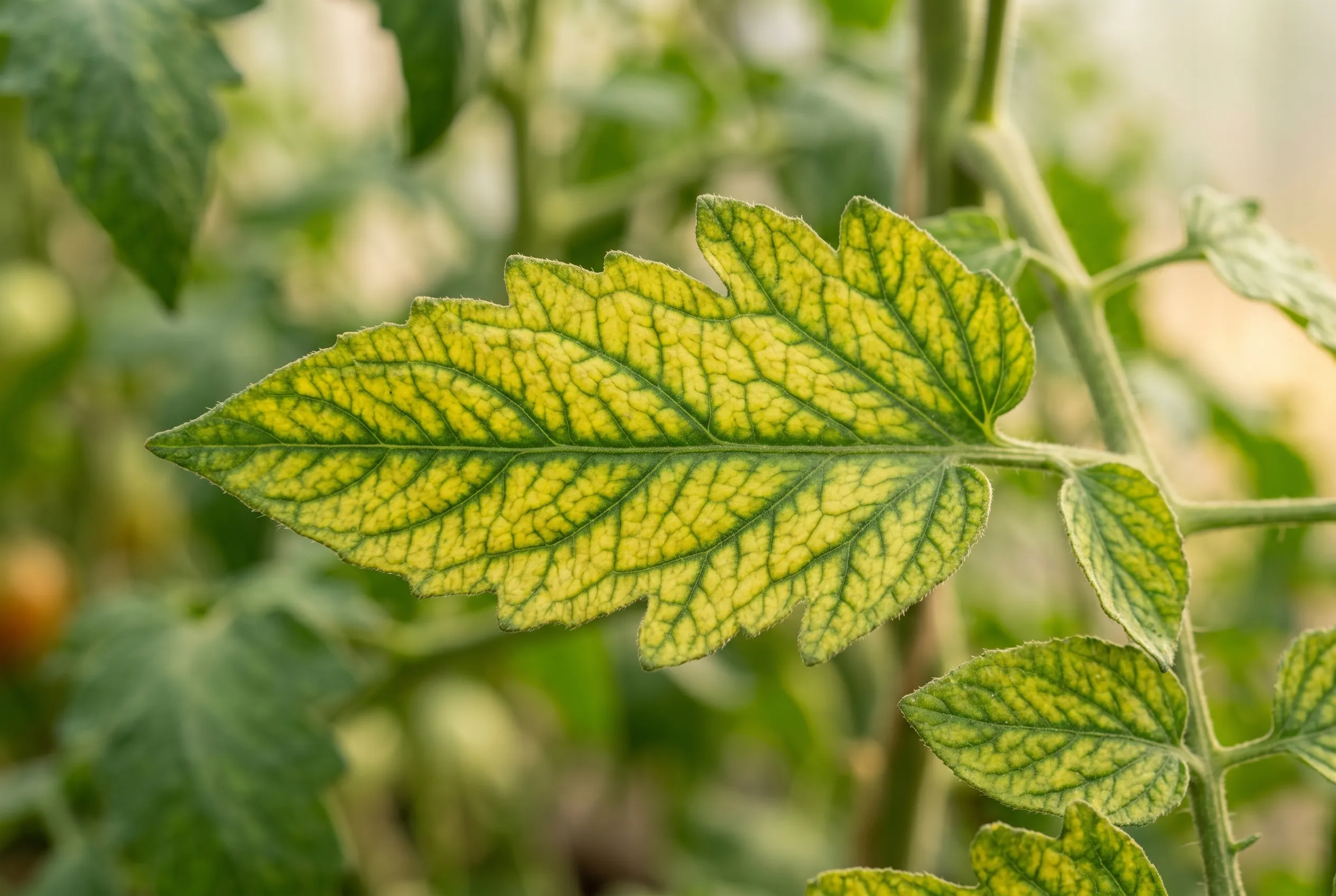 Magnesium deficiency yellows between the veins of the oldest leaves first, because the plant moves magnesium to new growth.
Why nutrients lock up, and what chelation does
The reason iron and manganese cause so much trouble is soil pH. Above about pH 7, in alkaline or limy soils, iron and manganese react to form insoluble compounds the roots cannot absorb. The soil can be full of iron, yet the plant starves, a state called lime-induced chlorosis. This is why acid-loving plants like camellias and rhododendrons yellow on the wrong soil; our guide on growing camellias covers their needs.
Chelation is the fix. A chelate is an organic molecule that wraps around the metal ion like a claw, the word comes from the Greek for claw, holding it in a soluble, available form that resists locking up. Apply iron as a chelate and it stays available for the roots even at high pH. The common chelating agents differ in how high a pH they tolerate:
- EDTA: cheap, works up to about pH 6.5, fine for slightly acid soils.
- DTPA: holds up to around pH 7.
- EDDHA: the strongest, stays available above pH 7, the right choice for alkaline soils.
This is what sequestered iron products contain. Match the chelate to your soil pH and the treatment works; use a weak chelate on limy soil and it locks up like plain iron sulphate.
 Chelated or sequestered iron stays available even in alkaline soil. Match the chelate, EDDHA for high pH, to your soil.
Foliar feeding: the fast correction
When a crop is yellowing in mid-season, you need a fast fix, and foliar feeding is the fastest there is. Spraying dilute nutrients directly onto the leaves lets the plant absorb them through the leaf surface within hours, bypassing the soil and its lock-up problems entirely. For trace-element deficiencies, this is far quicker than any soil treatment.
Spray for success by following a few rules:
- Dilute correctly. Use the recommended rate, as too strong a solution scorches leaves.
- Spray in cool conditions. Early morning or evening, never in hot sun, which causes scorch and fast evaporation.
- Cover both leaf surfaces. The underside absorbs better, so wet it too.
- Add a wetter. A drop of mild liquid soap helps the spray stick rather than bead off.
- Repeat. One spray rarely cures a deficiency; repeat every week or two until colour returns.
Foliar feeding suits a quick rescue, while a soil drench of chelated nutrient gives a longer-lasting supply. Using both together, as for serious chlorosis, works best. Epsom salts (magnesium sulphate) sprayed on the leaves is the standard foliar fix for magnesium shortage.
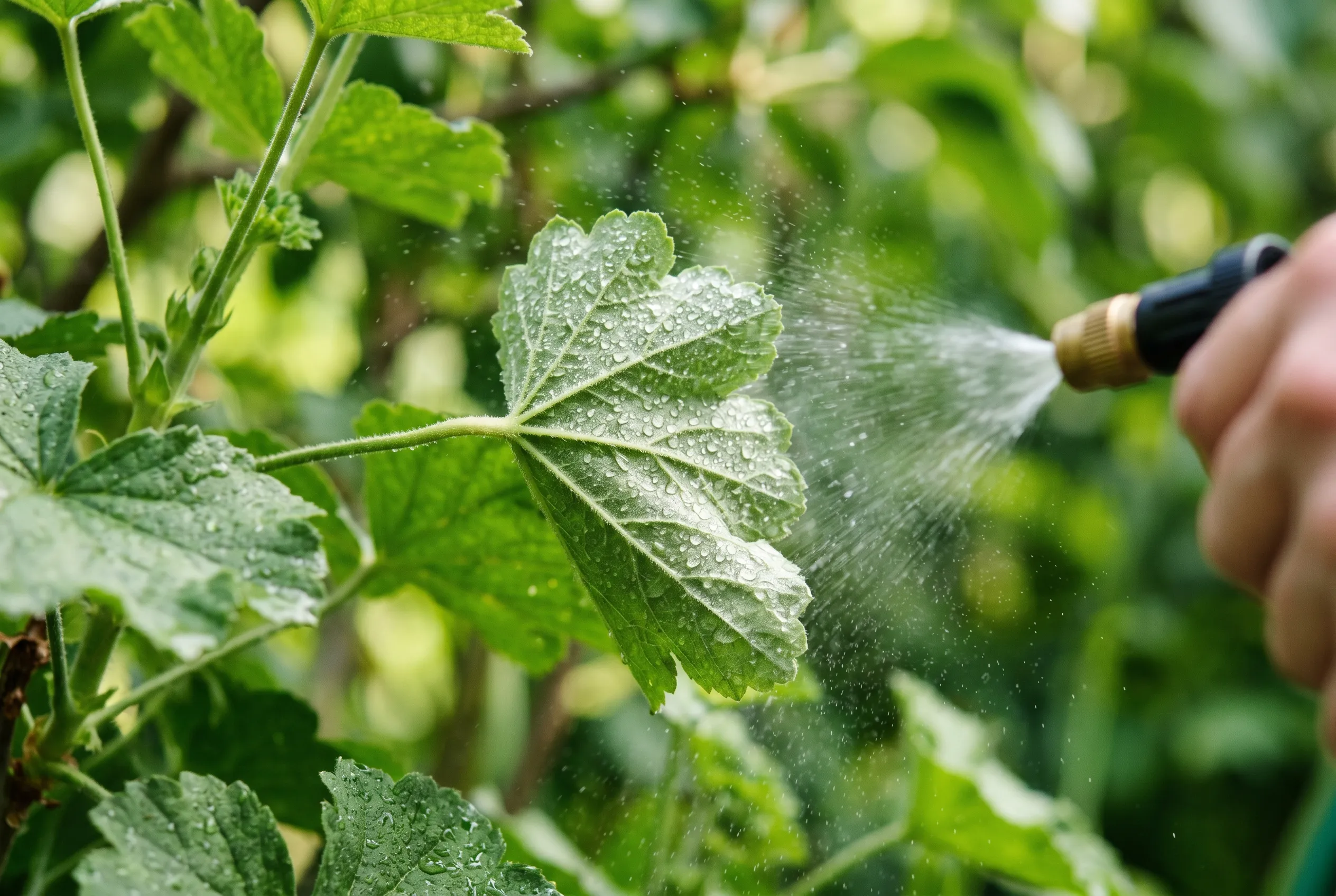 Foliar feeding is absorbed through the leaf within hours. Spray in cool conditions and wet the undersides for best uptake.
Treating the cause, not just the symptom
Foliar feeds and chelates correct the symptom quickly, but a recurring deficiency points to a soil problem worth fixing properly. If iron chlorosis keeps returning, the real issue is high pH, and the lasting answers are to lower the pH with sulphur and acidic mulches, or to grow lime-haters in ericaceous compost or raised beds of acid soil instead of fighting the ground.
Warning: Do not keep adding more micronutrient in the belief that more cures faster. Trace elements are toxic in excess, and an overdose of boron or manganese damages plants as surely as a shortage. Apply the recommended rate and treat the underlying soil cause.
A simple micronutrient rescue kit
You do not need a shelf of products to handle most trace-element problems. Three items cover nearly every case a UK gardener meets.
- Chelated or sequestered iron (EDDHA for limy soil). The fix for iron chlorosis on fruit, roses, and acid-lovers. Use as a drench and a foliar spray.
- Epsom salts (magnesium sulphate). A cheap bag corrects the magnesium shortage that yellows the lower leaves of tomatoes, roses, and pot plants. Spray or water in.
- Seaweed feed. A broad-spectrum trace-element top-up to prevent deficiencies starting, used fortnightly through the season.
Keep these three to hand and you can diagnose a yellowing leaf and treat it the same day, long before the deficiency checks the crop. Add a small hand sprayer and a soft soap wetter and the kit is complete.
Common micronutrient mistakes to avoid
These errors waste effort or harm plants.
- Treating the symptom forever. Endless sprays mask a soil pH problem. Fix the cause for a lasting result.
- Using the wrong chelate. EDTA on limy soil locks up. Use EDDHA above pH 7.
- Overdosing trace elements. Excess is toxic. Follow the rate exactly.
- Spraying in hot sun. Causes leaf scorch and wasted feed. Spray in the cool of the day.
- Misreading the leaf position. Old-leaf yellowing is magnesium; young-leaf yellowing is iron. Diagnose before treating.
For houseplants, which rely entirely on what you give them, a balanced feed with trace elements matters even more, as our guide on feeding houseplants explains. The Royal Horticultural Society’s advice on nutrient deficiencies sets out the symptoms in more detail.
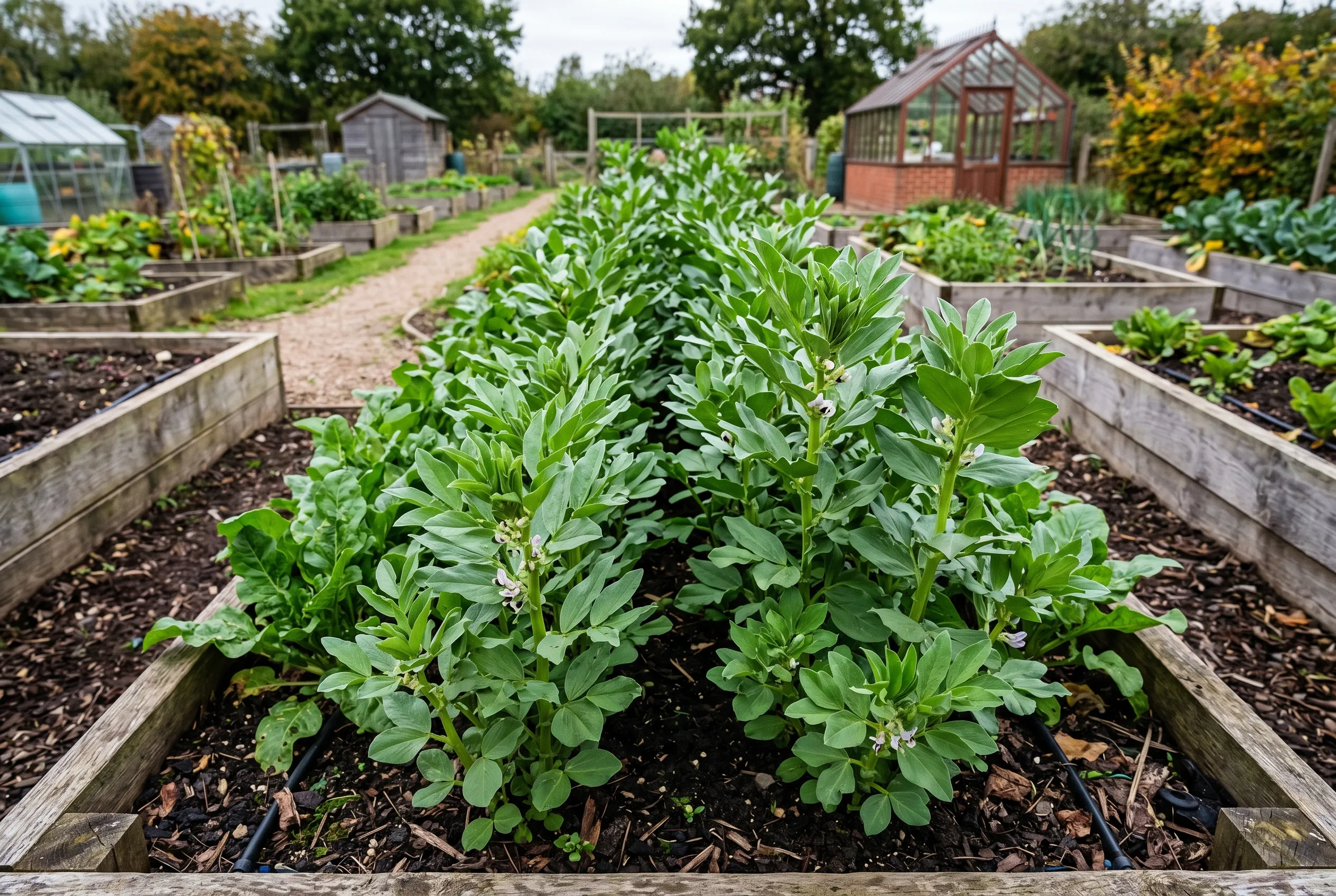 The reward for reading and treating a deficiency correctly: deep green, healthy growth with the chlorosis fully corrected.
Frequently asked questions
What are chelated nutrients?
Chelated nutrients are minerals wrapped in an organic molecule that keeps them soluble and available to plants. The chelate stops metals like iron locking up in alkaline soil, so the plant can take them up. EDTA, DTPA, and EDDHA are the common chelating agents.
What are micronutrients in gardening?
Micronutrients are trace elements plants need in tiny amounts, including iron, manganese, zinc, copper, boron, and molybdenum. Though needed in small quantities, a shortage of any one causes clear symptoms and poor growth, just as the major nutrients do.
Why do leaves turn yellow with green veins?
Yellow leaves with green veins signal iron or manganese deficiency, usually from those nutrients locking up in alkaline soil. The plant cannot take them up even when present. A chelated iron treatment or foliar feed corrects it quickly.
What is foliar feeding?
Foliar feeding sprays dilute liquid nutrients directly onto the leaves, where they are absorbed within hours. It bypasses the soil, so it corrects a deficiency fast, especially trace elements that lock up in the soil. Spray in cool conditions to avoid scorch.
How do I fix iron chlorosis?
Treat iron chlorosis with chelated or sequestered iron, applied as a soil drench and a foliar spray. Choose an EDDHA chelate for alkaline soil, as it stays available at high pH. Long term, lower the soil pH or grow acid-lovers in ericaceous compost.
What does Epsom salts do for plants?
Epsom salts supply magnesium, correcting the interveinal yellowing of older leaves that signals magnesium deficiency. Dissolve and spray on the foliage for fast uptake, or water it into the soil. Tomatoes and roses on light soils often need it.
Now you can diagnose and fix a trace-element problem, keep the lawn green and fed with our guide on feeding the lawn, and browse all our how-to gardening guides for the next job.
Our team produces practical UK gardening guidance from source research, contributor records and established horticultural practice. Editorial standards are overseen by Matt W.