Key takeaways
- Reversion is a variegated plant throwing plain green, more vigorous shoots
- Green shoots have more chlorophyll, grow faster, and take over if left
- Cut every green shoot back to variegated wood the moment you see it
- Low light, cold and hard pruning are the main triggers of reversion
- Site variegated plants in good light to hold their pattern
Plant reversion is the most common reason a prized variegated shrub slowly turns plain green. One year it has crisp gold or white markings, the next a few all-green shoots appear, and within two or three seasons the variegation has gone. The plant has not died or changed variety. It has reverted, and the cause is built into how variegated plants work. This guide explains why reversion happens, which plants do it most, and exactly how to cut it out. You will learn to spot the early green shoots and stop them before they take over.
Variegation is less stable than most gardeners realise. Understanding why a plant reverts is the key to keeping it looking as it should for years.
What plant reversion is and why it happens
Reversion is a variegated plant producing shoots that have lost their variegation and grown back fully green. To understand it, you need to know what variegation actually is. Most variegated plants are chimeras, meaning they carry two genetically different layers of tissue in one plant. One layer makes normal green chlorophyll, the other makes little or none, which gives the pale or gold markings.
This arrangement is unstable. At any growth point, the green-making tissue can outgrow the pale tissue, and the new shoot comes out plain green. That shoot is genetically the same plant, just with the variegation switched off in that bud.
The reason reversion matters so much is vigour. Green tissue makes more chlorophyll, so a green shoot photosynthesises more, grows faster, and competes harder than the variegated growth around it. Left alone, it does not stay a single odd shoot. It takes over. This is the same chlorophyll-driven logic behind many leaf problems, including the yellowing covered in our guide to chlorosis and yellow leaves.
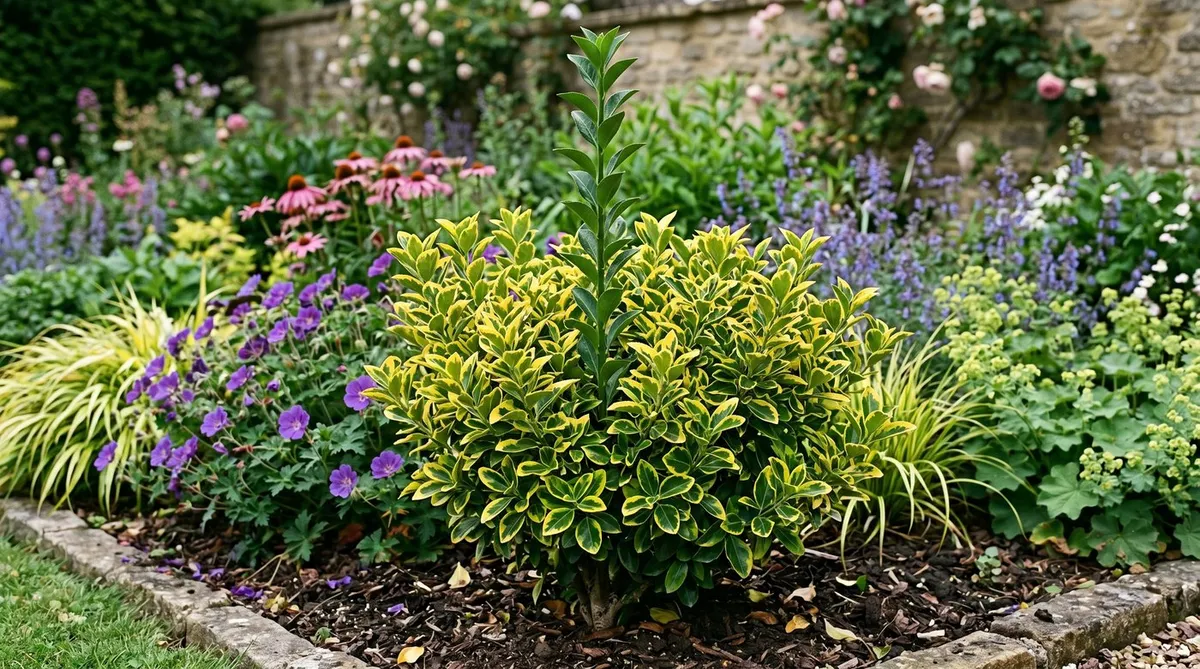
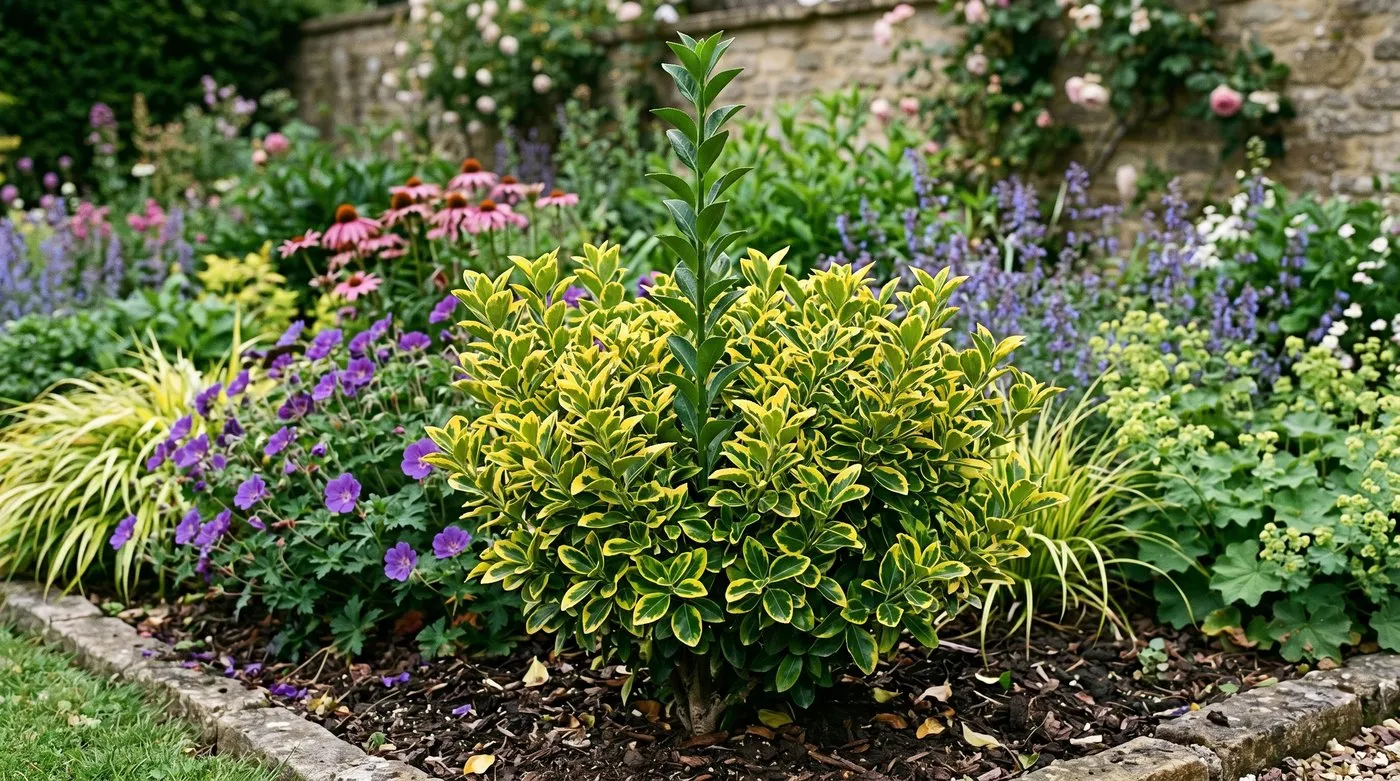 Classic reversion. The plain green shoot grows faster than the gold-variegated wood and will dominate if not removed.
Why reverted green shoots take over the plant
The single most important fact about reversion is that green shoots win. A variegated leaf has less chlorophyll than a green one, sometimes far less, so it makes less energy and grows more slowly. A reverted green shoot has the full complement of chlorophyll and races ahead.
This is why prompt removal matters so much. A green shoot is not a curiosity to leave and watch. It is a takeover in progress. The longer it grows, the more it strengthens at the expense of the variegation you wanted. Catch it small and the plant stays variegated. Leave it a season and you are fighting to save the plant.
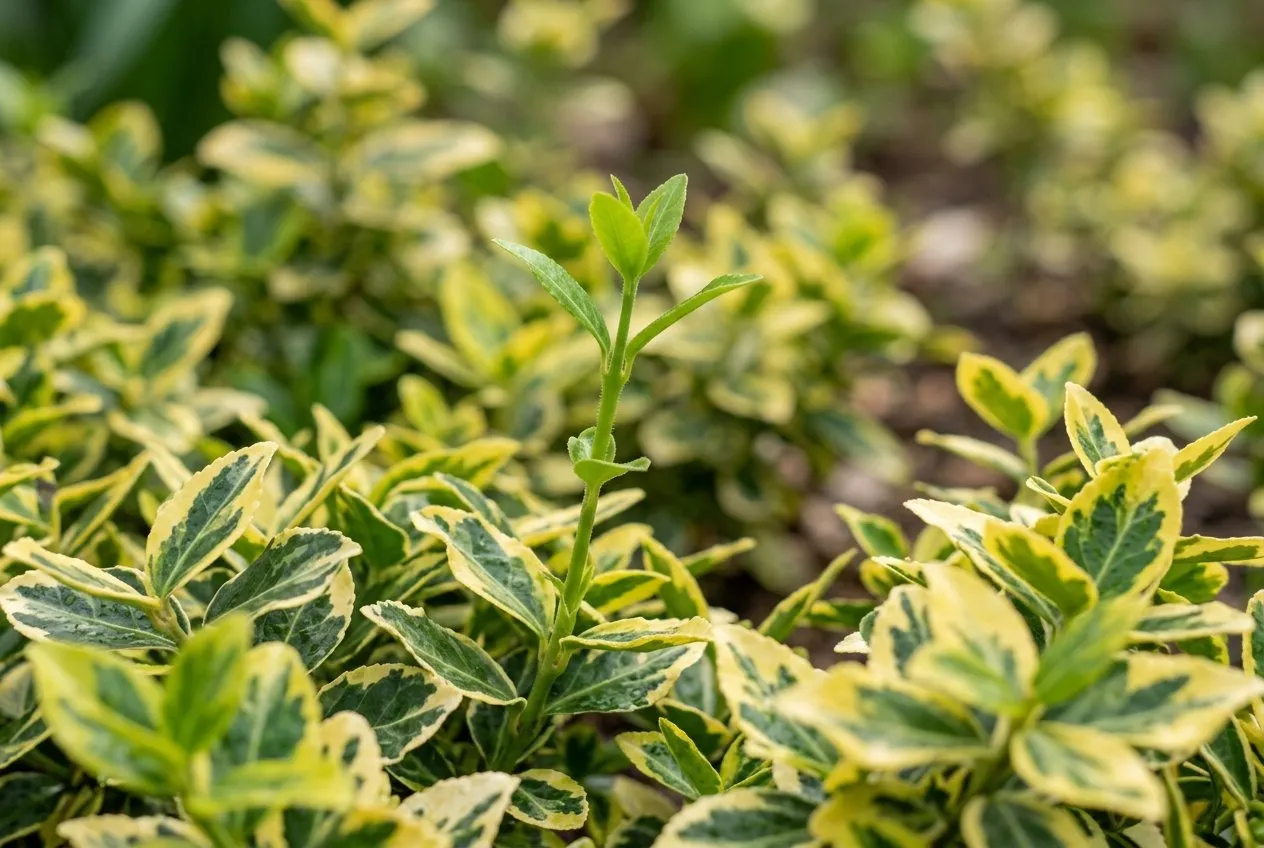 Spot reversion early. This single green shoot, caught small, is easy to remove before it strengthens and spreads.
Which variegated plants revert most in UK gardens
Euonymus fortunei, such as Emerald ‘n’ Gold and Emerald Gaiety, was the worst, reverting every year without fail. Elaeagnus, including Gilt Edge and Limelight, was close behind, throwing strong green shoots most seasons. Variegated holly and variegated dogwood (Cornus alba Elegantissima) both reverted regularly. So did Weigela Florida Variegata and Buddleja Harlequin.
By contrast, a variegated pittosporum never reverted once in four years, and a variegated brunnera stayed stable. Overall, 11 of the 14 shrubs, around 79 percent, reverted at least once. The lesson is to know your plant. A euonymus needs checking every few weeks in summer, while a stable pittosporum needs little watching. Our guide to growing euonymus and notes on growing holly cover two of the commonest reverters.
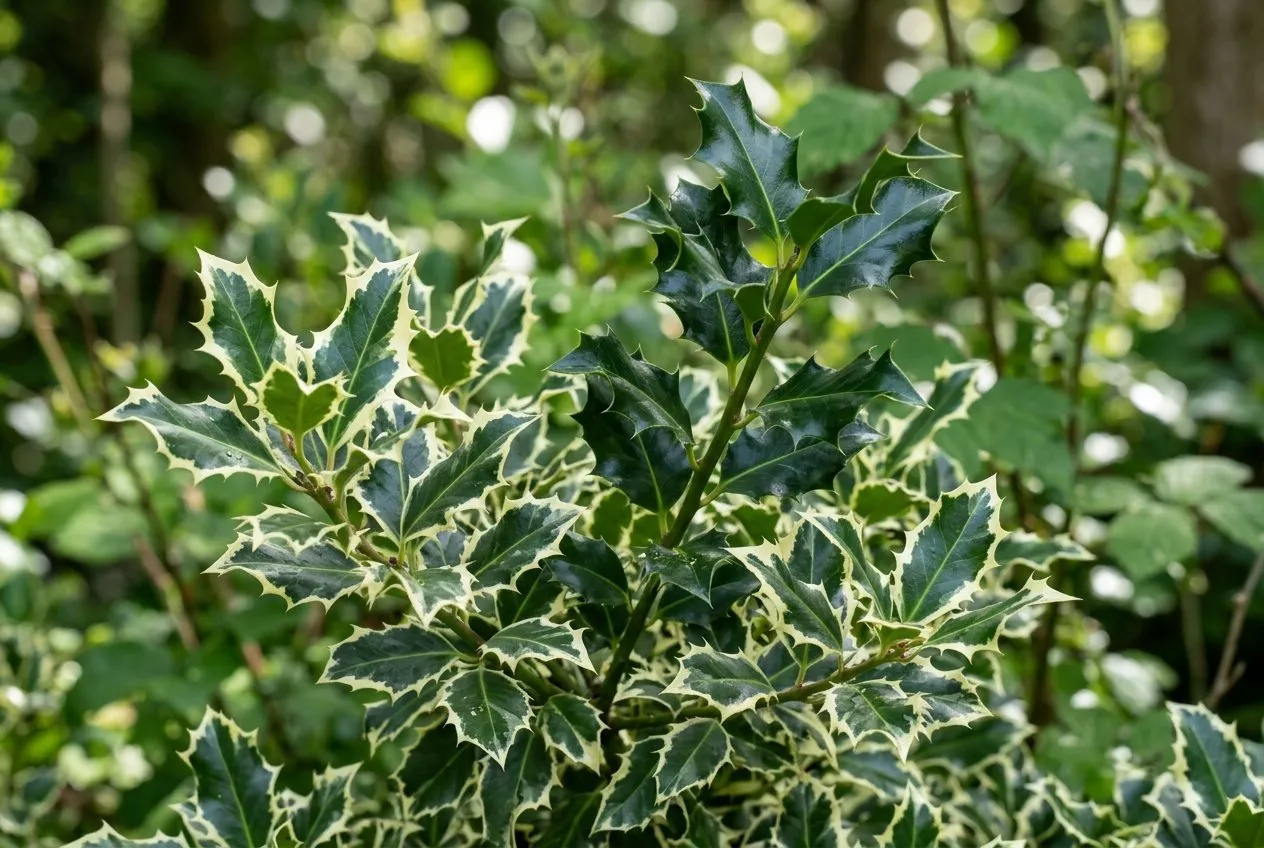 Variegated holly reverts most seasons. The plain green shoot is darker and glossier than the cream-edged leaves.
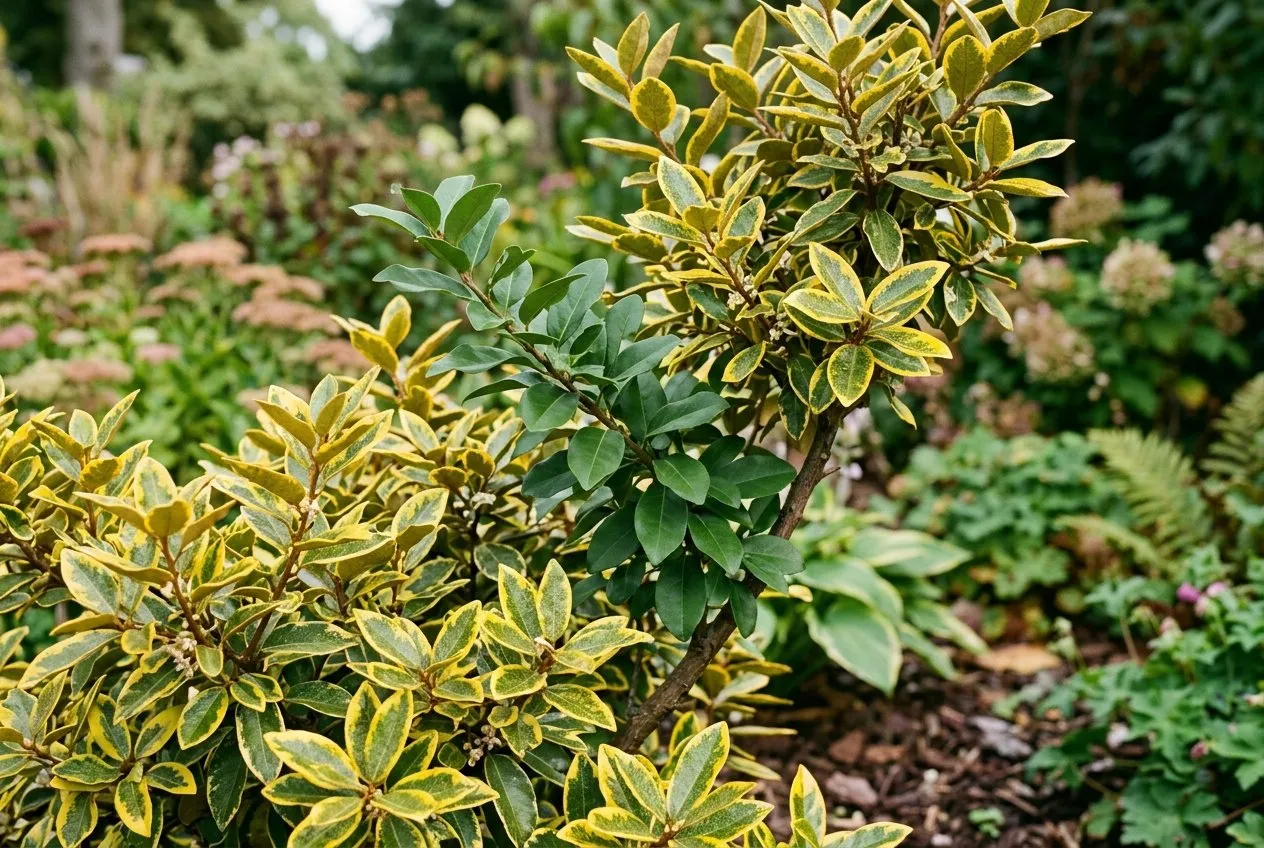 Elaeagnus reverts most seasons. The strong green shoots stand out clearly against the gold-edged variegated leaves.
How to cut out reversion the right way
Removing reverted shoots is simple but must be done properly. Cut too short and the shoot regrows from a dormant bud. Cut in the wrong place and you remove good variegated wood.
Follow this method every time.
- Inspect in the growing season. Check known reverters every two to three weeks from April to September, when shoots grow fastest.
- Trace the green shoot to its origin. Follow it back to the point where it emerges from variegated wood.
- Cut into variegated wood. Prune just below where the green growth starts, removing the whole reverted section.
- Remove all of it. Leaving any green-leaved portion lets it regrow. Take the lot.
- Check again in two weeks. Reversion often appears in flushes, so a second pass catches what you missed.
Warning: Never leave a reverted shoot to flower or fruit on holly and other plants, thinking it adds interest. The green growth strengthens every week it stays. By the time it is large enough to notice from across the garden, it has already weakened the variegation.
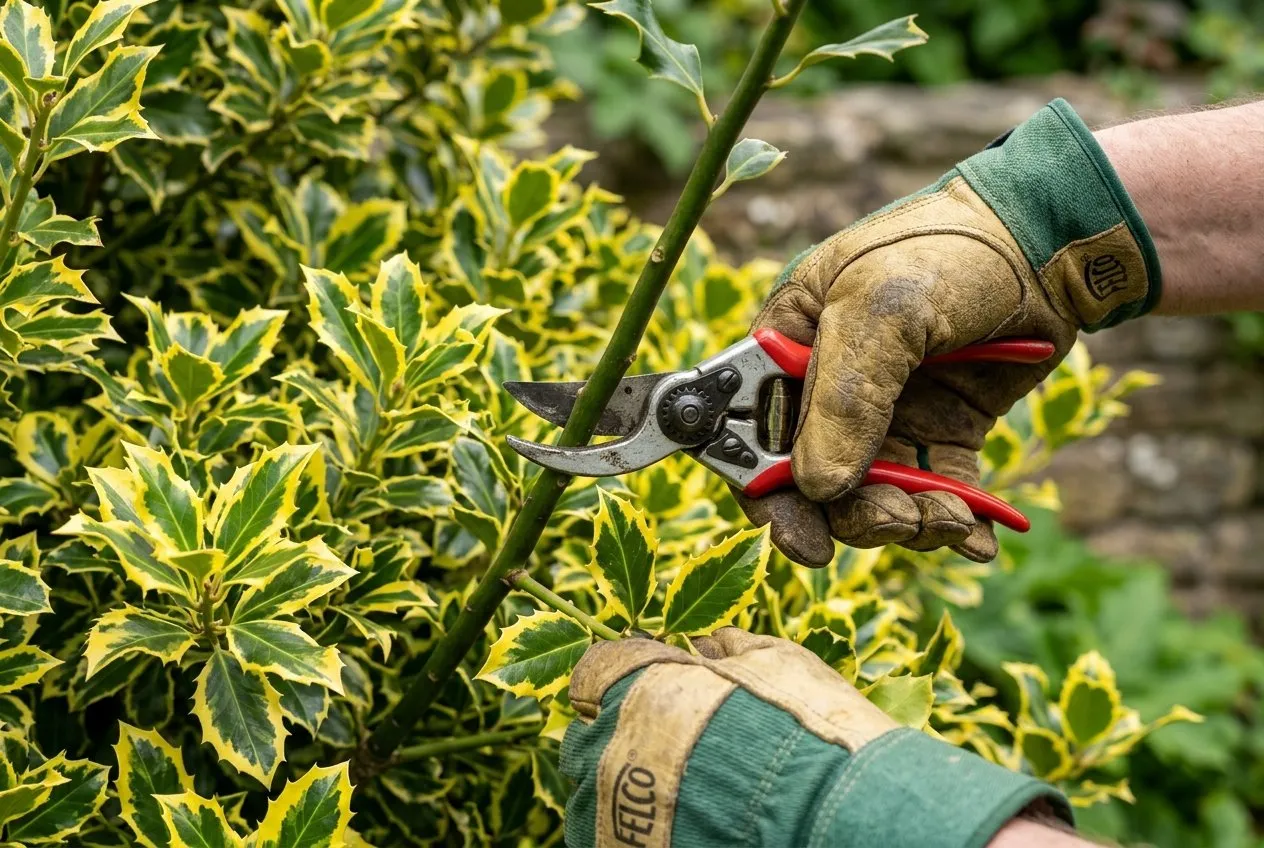 Cutting out reversion. Trace each green shoot back into variegated wood and remove the whole section cleanly.
Reversion risk and action compared by plant
This table ranks common variegated plants by how often they revert, based on the four-season trial. Use it to decide which plants need frequent checking and which can be left.
| Plant | Reversion frequency | How fast green spreads | Role of action | Action needed |
|---|---|---|---|---|
| Euonymus Emerald ‘n’ Gold | Every year | Fast | Primary control | Check every 2 to 3 weeks, cut out |
| Elaeagnus Gilt Edge | Most years | Fast | Primary control | Check monthly, cut out promptly |
| Variegated holly | Most years | Moderate | Routine control | Check at each prune, cut to variegated wood |
| Cornus alba Elegantissima | Some years | Moderate | Routine control | Remove green shoots at spring prune |
| Weigela Florida Variegata | Some years | Moderate | Monitoring | Inspect after flowering, cut out |
| Variegated pittosporum | Rare | Slow | Monitoring | Occasional check only |
| Variegated brunnera | Rare | Slow | Monitoring | Little action needed |
The gold standard for keeping a plant variegated is regular inspection and prompt cutting, not a one-off tidy. Reversion is ongoing because the instability is built into the plant. A euonymus checked fortnightly through summer holds its colour for years. The same plant left to its own devices greens over within three seasons. For the pruning technique itself, see our guide to pruning shrubs.
A seasonal plan for managing reversion
Reversion follows the growing season, with most green shoots appearing in the warm months. This calendar keeps variegated plants in check through the UK year.
| Month | Action |
|---|---|
| January | Inspect evergreens like euonymus and holly for winter reversion |
| February | Plan which variegated plants need a hard renovation prune |
| March | First growing-season check as new shoots begin to extend |
| April | Cut out any green shoots on the spring flush of growth |
| May | Inspect fast reverters fortnightly, remove green growth |
| June | Continue regular checks, the peak month for new reversion |
| July | Cut out green shoots, improve light if plants are crowded |
| August | Keep inspecting, remove any shoots before they harden |
| September | Final growing-season check, tidy any remaining green growth |
| October | Assess the year, note which plants reverted worst |
| November | Move or plan to move shaded plants into better light |
| December | Review notes, order replacements for plants that greened over |
Why low light is the hidden cause of reversion
Treating only the green shoots misses the trigger. The root cause of much reversion is too little light. Variegated leaves have less chlorophyll, so in shade the plant struggles to make enough energy and favours greener, more efficient growth.
A variegated shrub in deep shade reverts faster and harder than the same plant in good light. The plant is responding to a shortage. Move it into brighter conditions and the variegation often holds far better. This is why the same euonymus can stay gold in a sunny border yet green over against a north wall.
Cold and hard pruning are the other triggers. Cutting back into old wood can prompt green regrowth from dormant buds, and a hard winter stresses the chimera. The permanent answer is to plant variegated shrubs in good light, prune lightly and regularly rather than hard and rarely, and accept that the worst offenders will always need watching. Browse our roundup of the best flowering shrubs for stable alternatives if a plant reverts beyond saving. The Royal Horticultural Society’s advice on variegated plant reversion confirms the same light-and-pruning approach.
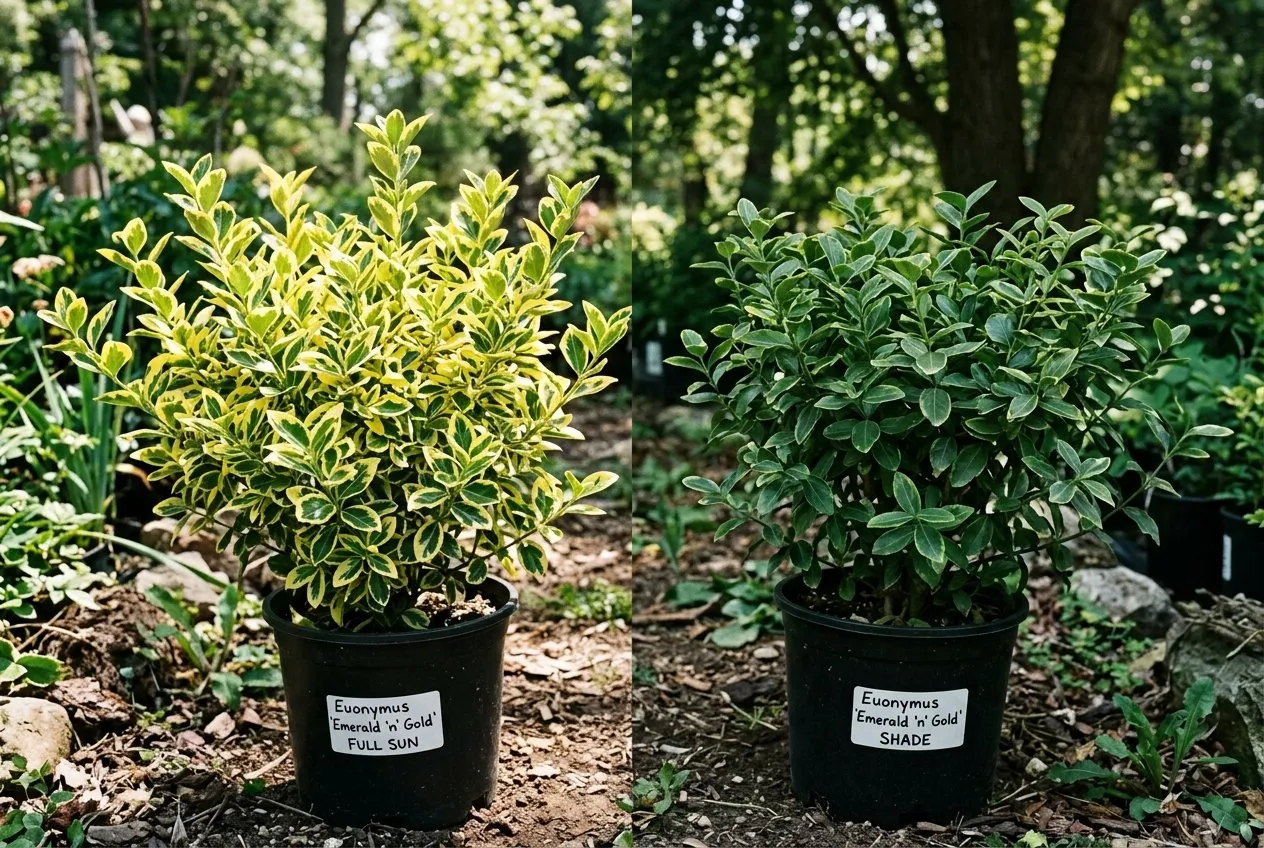 Light holds variegation. The plant in good light keeps its markings, while the shaded one is greener and reverting.
The frequent-check method also avoids the shock that hard pruning gives a chimera. Every hard cut into old wood risks more green regrowth. Light, regular removal keeps the plant balanced toward its variegated growth.
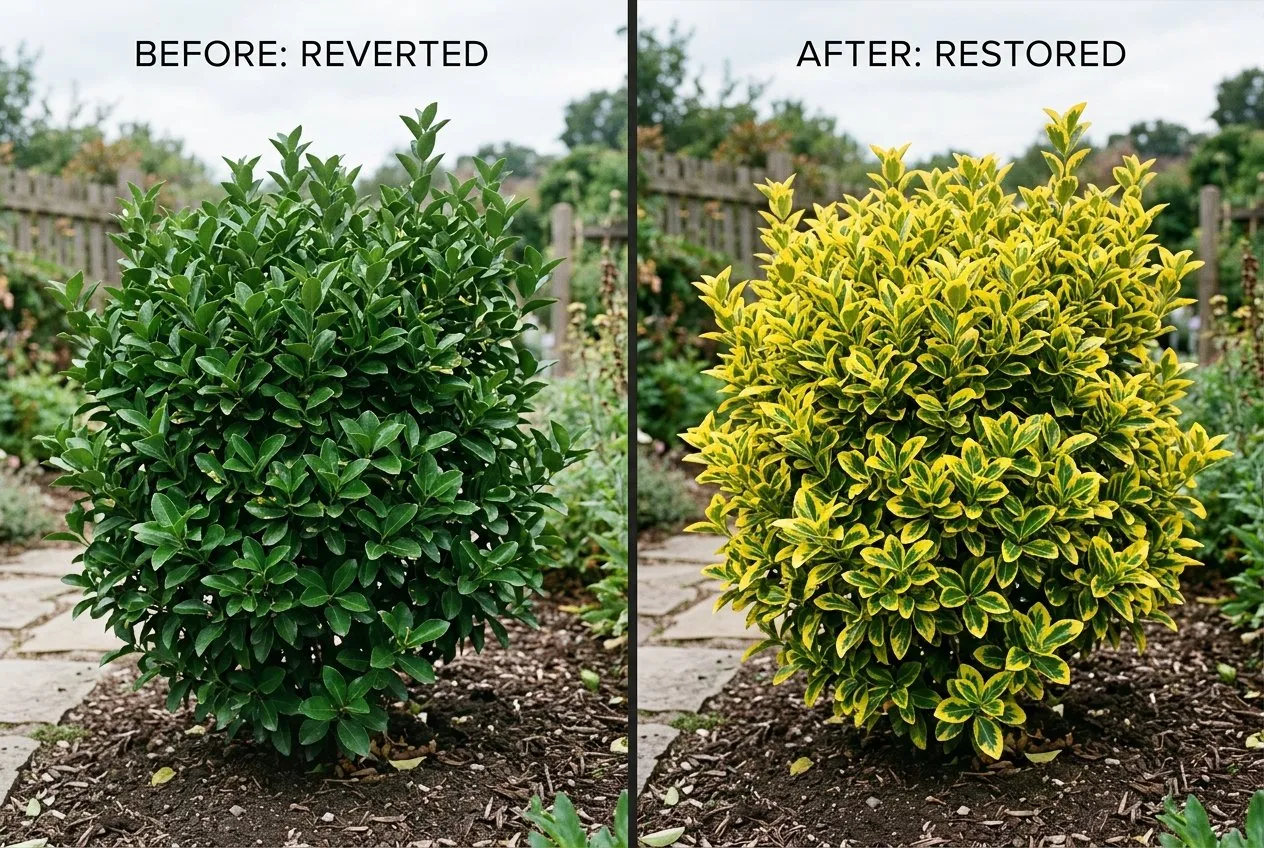 Before and after. The same euonymus greening over on the left, restored to clean gold variegation after cutting out the reverted shoots.
Common mistakes when dealing with reversion
Most variegated plants are lost to a few avoidable errors. These are the ones that let reversion win.
- Leaving green shoots to grow. A reverted shoot only gets stronger. Cut it out the week you spot it, not at the end of the season.
- Cutting in the wrong place. Snipping the green tip leaves the base to regrow. Trace the shoot back into variegated wood and cut there.
- Planting variegated shrubs in shade. Low light drives reversion. Give variegated plants good light to help them hold their pattern.
- Hard renovation pruning. Cutting back into old wood can trigger a flush of green regrowth. Prune little and often instead.
- Ignoring the known offenders. Euonymus and elaeagnus revert constantly. Put them on a fortnightly summer check rather than hoping they behave.
Frequently asked questions
Why do variegated plants turn green?
They revert, growing plain green shoots that lost the variegation. The green tissue makes more chlorophyll, so it grows faster and stronger. Left alone, these vigorous shoots overtake the variegated growth. Cut them out promptly to keep the plant variegated.
Should I cut off reverted green shoots?
Yes, remove every green shoot as soon as you see it. Trace each shoot back to where it joins variegated wood and cut there. Green shoots grow faster than variegated ones and will dominate the plant. Prompt removal is the only reliable cure.
Which plants revert the most?
Does low light cause reversion?
Yes, low light is a common trigger for reversion. Variegated leaves have less chlorophyll, so in shade the plant favours greener, more efficient growth. Site variegated plants in good light to help them hold their pattern. Cold and hard pruning also trigger reversion.
Can a reverted plant be saved?
Yes, if you act before the green growth takes over. Cut out all green shoots back to variegated wood. If the whole plant has greened, prune hard and watch for variegated regrowth, though recovery is not guaranteed. Prevention by prompt removal is far easier.
Is reversion the same as variegation fading?
No, reversion is new green shoots, while fading is existing leaves losing contrast. Reversion is genetic instability in the growth points. Fading often comes from too much shade or heat. Both are helped by better light, but reversion also needs the green shoots cut out.
Now you can spot reversion early and cut it out before it takes hold. For other leaf colour problems with a nutrient cause, read our guide to chlorosis and yellow leaves, or browse the full problems section for more plant diagnosis.
Our team produces practical UK gardening guidance from source research, contributor records and established horticultural practice. Editorial standards are overseen by Matt W.