Key takeaways
- A 50mm four-block stamper costs £18-35 and replaces module trays for most crops
- The mix is 3 parts sieved peat-free compost, 1 part perlite, 1 part loam, wetted to a putty
- Air pruning stops roots circling: tips dry at the cube face and the root branches inside instead
- 20mm mini blocks fit 20 sowings in the footprint of a postcard, then nest into 50mm cubes
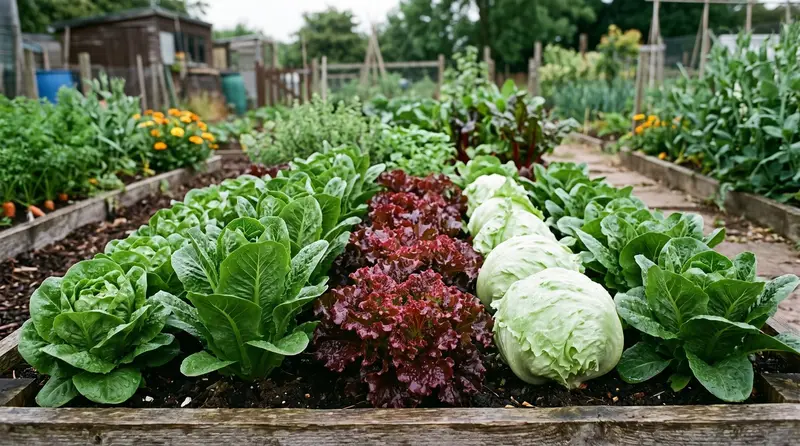
- In a 120-seedling trial, blocked lettuce hearted up 8-10 days before module-grown plants
- Blocks need bottom watering only; an overhead can erodes the cube edges within a week
What is soil blocking and why does it work?
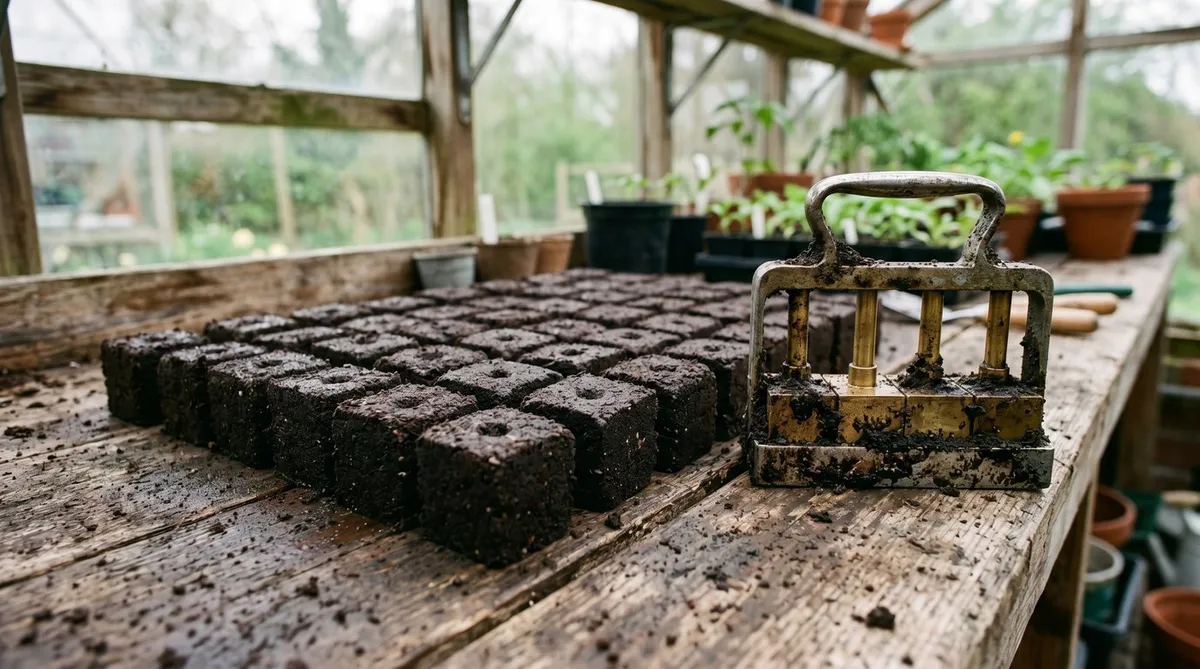
A soil block is a free-standing cube of compressed growing medium that acts as both pot and compost. The stamper packs a wet mix tight enough to hold shape, and a pin on the press leaves a dimple in the top of each cube for the seed. You sow, the roots grow through the cube, and at planting time the whole block goes into the ground untouched.
The idea is old. Market growers pressed blocks long before plastic cell trays arrived in the 1960s, and organic growers kept the method alive because it cuts plastic out of propagation entirely. Garden Organic has promoted blocking for decades as part of low-waste growing.
The method earns its place for two practical reasons. First, roots in a block are never disturbed at transplanting, because nothing is pulled, squeezed or knocked out of a cell. Second, the open faces of the cube air-prune the roots, which changes the root structure itself. More on that below. The trade-off is honest: pressing blocks is slower than filling a tray, and the cubes demand more careful watering. If you already sow seeds indoors each spring, blocking slots straight into the same routine.
Which soil blocker should you buy?
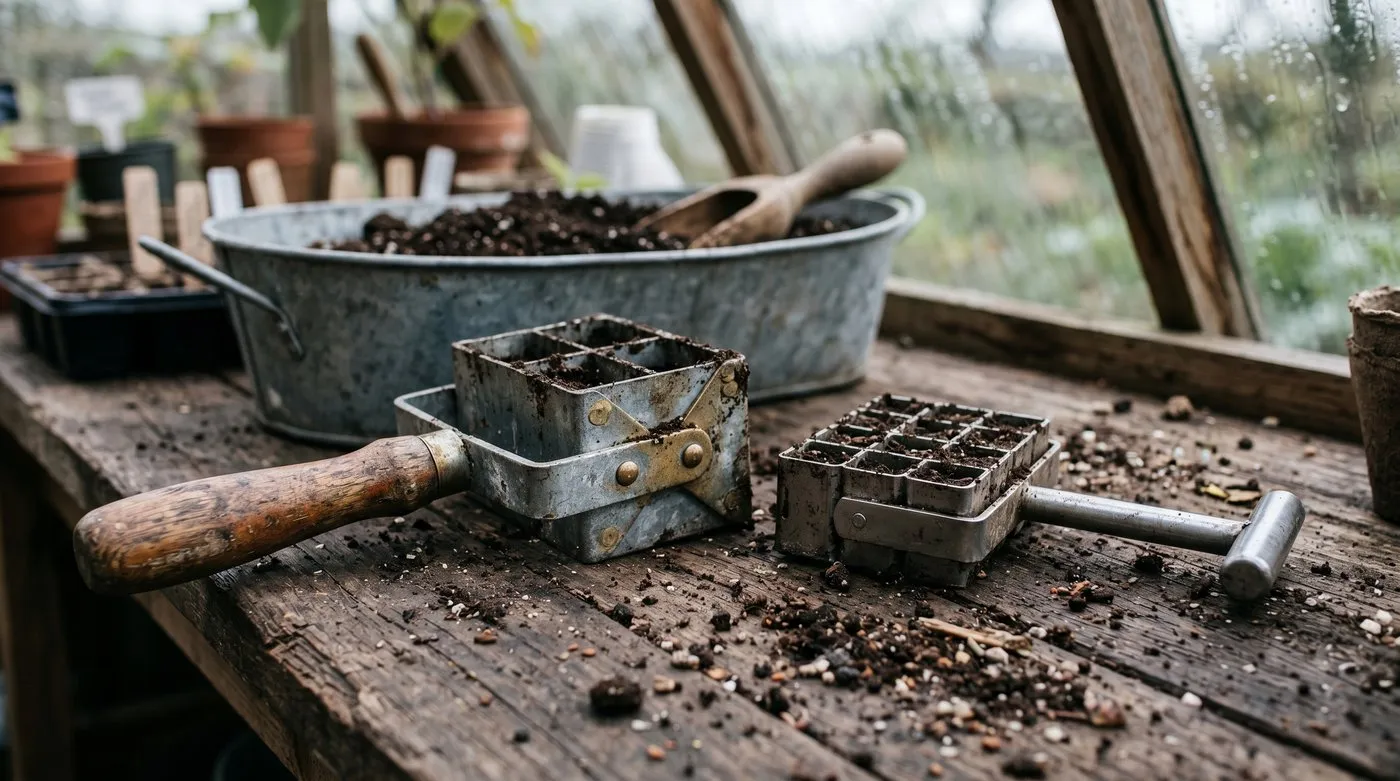 The two tools that matter: a 50mm four-block stamper at £18-35 and the 20mm twenty-block mini at £25-40.
The block mix recipe that holds together
Each part does a job:
- Compost, 3 parts. Sieve it to 6mm first. Bark chunks jam the press and leave voids that crack the cube. A £7-10 garden sieve clears a 40-litre bag in about 15 minutes. Any decent bagged product from our peat-free compost guide works as the base.
- Perlite, 1 part. Keeps the compressed cube breathing. A compressed block without it can sit airless and sour. Sharp sand substitutes at the same ratio and adds helpful weight to tall blocks.
- Loam, 1 part. Sieved molehill soil, sieved garden soil or bagged topsoil. The clay fraction glues the block. Stacked, rotted turf is the traditional source if you have it.
 The squeeze test: properly wetted mix holds its shape and weeps a few drops, far wetter than normal potting compost.
How do you make soil blocks step by step?
- Charge the press. Push the stamper into the wetted mix with a twisting motion, twice, until mix squeezes out of the top vents. Pack it against the bottom of the trug so each chamber fills solid.
- Scrape the base. Drag the loaded press across the trug edge so each cube face sits flush. A ragged base rocks and crumbles.
- Eject onto the tray. Set the press down where the blocks will live, squeeze the handle, and lift the frame clear in one steady motion. Leave 10-15mm between rows of blocks so air reaches every face.
- Sow into the dimple. One or two seeds per block, then cover to the depth on the packet using dry sieved compost or vermiculite. Nothing else moves until germination.
Heat and timing follow normal indoor sowing rules. Most spring crops germinate at 18-21°C, and the full species-by-species figures are in our guide to seed germination temperatures. A block exposes more surface than a cell tray, so check moisture daily on a heat mat. The cube should always look dark with moisture; pale grey edges mean it is drying.
How air pruning grows better roots
Air pruning means a root tip stops growing when it reaches dry air at the cube face, and the plant branches behind the stopped tip instead. In a plastic cell, that same root hits the wall, turns, and keeps growing in a circle. By planting time a module seedling can carry a few long roots wound around the plug. A blocked seedling carries a dense web of short, branched roots filling the whole cube, with fresh white tips paused at every face and ready to surge into garden soil.
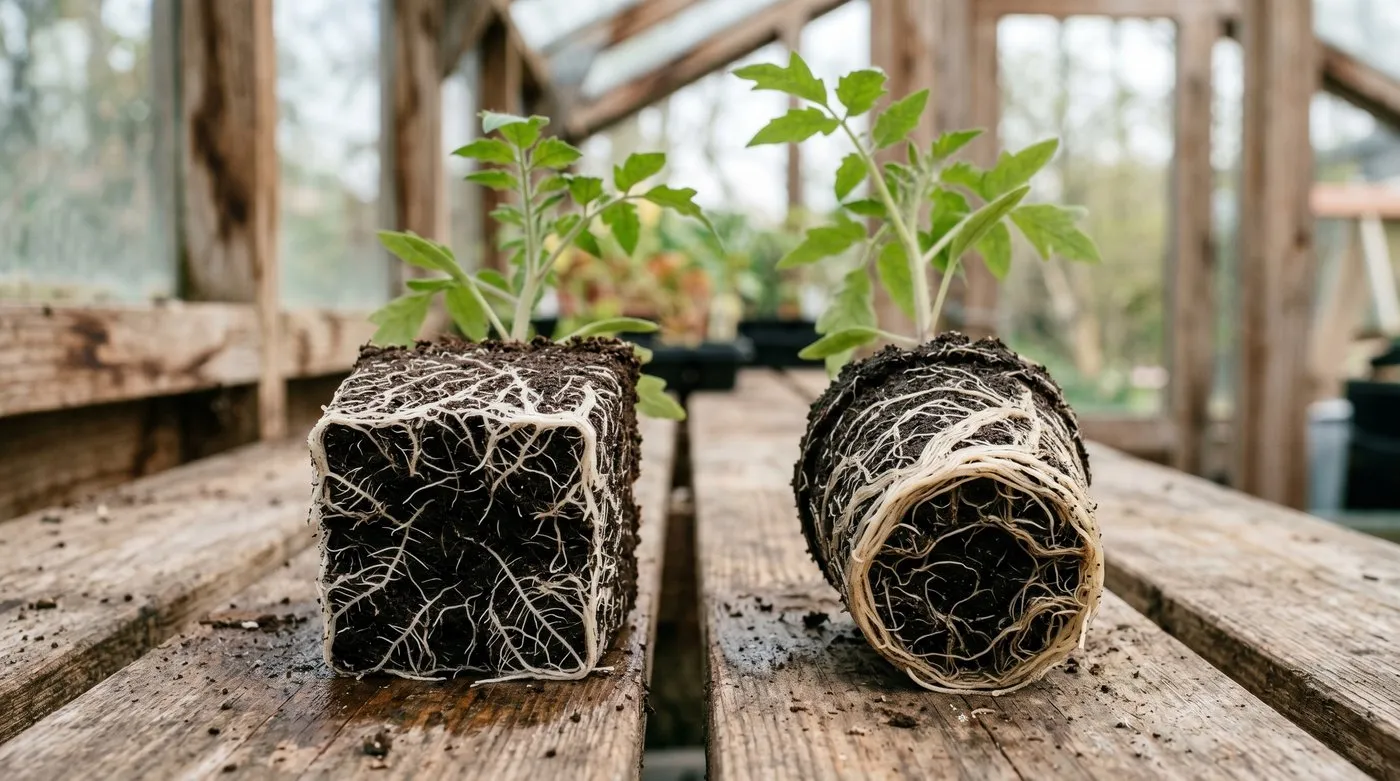 Day 38 from sowing: the block’s roots branch and stop at the faces, while the module plug’s roots circle the cell wall.
Potting on by nesting: 20mm into 50mm
Nesting means dropping a whole 20mm block into a matching square hole pressed in the top of a 50mm block. No tipping out, no teasing apart, no handling stems. Fit the 20mm cube insert pins to the 50mm stamper, and every large block comes out with a ready-made socket.
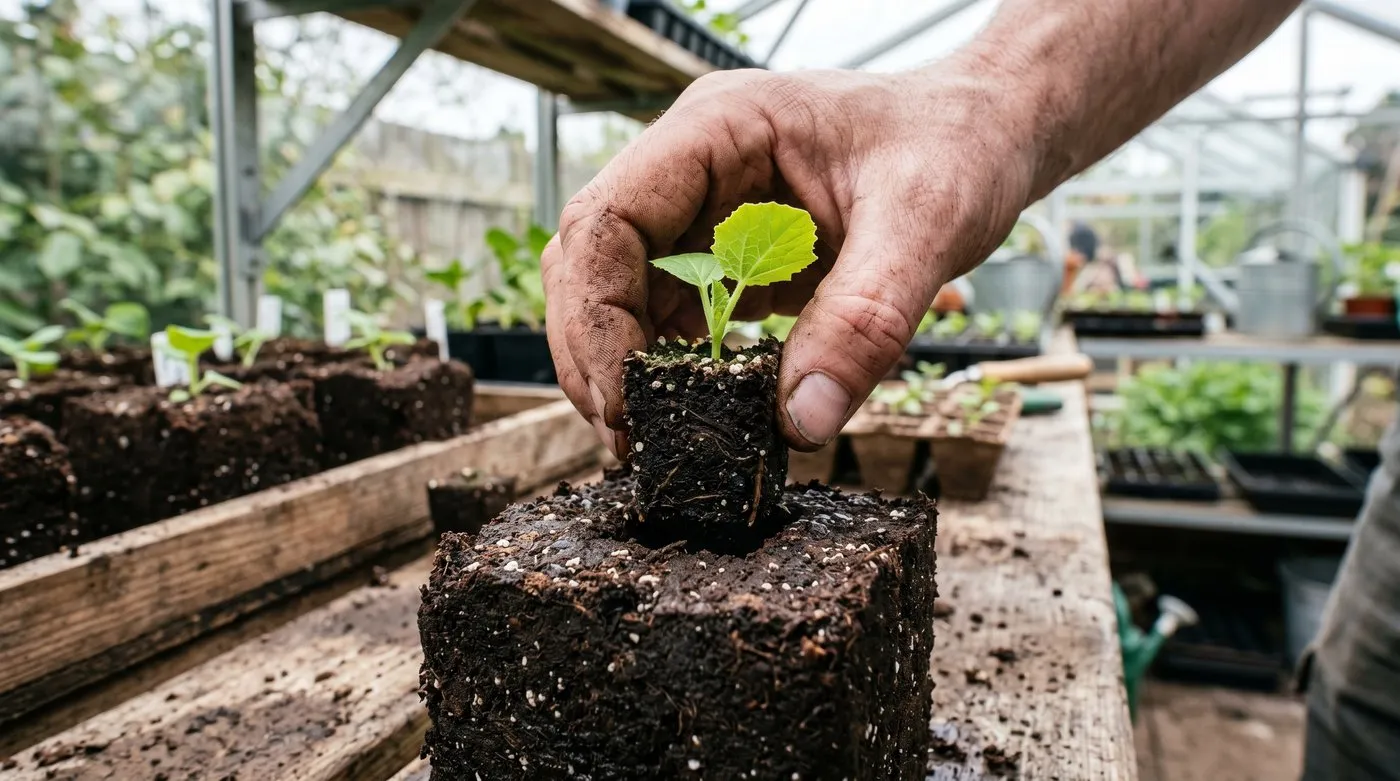 Potting on without touching a root: the 20mm block drops into its 50mm socket and roots cross the join within 2-3 days.
Soil blocks vs module trays: which is better?
Common soil blocking mistakes
- Using compost straight from the bag. Unsieved, unamended multipurpose crumbles within days because nothing binds it. Sieve to 6mm and add 1 part loam per 3 of compost. This one error causes most abandoned blockers.
- Mixing too dry. Blocking mix should feel like putty and weep when squeezed. A mix that feels like normal potting compost is 30-40% short of water, and the blocks shear as the press lifts.
- Watering overhead. A watering can rose strips 2-3mm off every edge per pass and the cubes round off into mush within a week. Stand trays in 2cm of water for 10-15 minutes instead.
- Pressing blocks touching each other. Faces in contact stay damp, roots cross between cubes and the air-pruning effect dies. Leave 10-15mm between rows when you eject.
- Letting minis dry out on a heat mat. A 20mm cube holds barely 8ml of water and can dry in a day at 21°C. Check minis every morning; pale grey faces mean water now.
- Sowing under weak light because the windowsill is full. Blocks dry faster than trays, and stretched seedlings flop before their roots fill the cube. If sowing in February, the figures in our guide to grow lights for seed starting show what a £25-40 LED bar fixes.
The RHS guidance on sowing under cover applies to blocks unchanged: the same temperatures, the same pricking-out-free logic, the same hardening off. Blocking just swaps the container for the compost itself.
Frequently asked questions
What is soil blocking?
Soil blocking raises seedlings in compressed cubes of compost with no pot. A metal stamper presses a wetted mix into free-standing blocks, each with a seed dimple on top. The block is both container and growing medium, so there is nothing to remove at planting time and no plastic to store or replace.
What mix do you use for soil blocks?
Use 3 parts sieved peat-free compost, 1 part perlite and 1 part loam. Sieve the compost to 6mm first or the press will jam on bark chunks. Add water until a squeezed handful holds shape and weeps a few drops. Straight multipurpose compost from the bag crumbles because it lacks the loam binder.
Do soil blocks fall apart when you water them?
Not if you bottom water; overhead watering erodes blocks within days. Stand the tray in 2cm of water for 10-15 minutes and let the cubes draw it up. Roots knit the block together from about day ten, after which it firms up noticeably.
Are soil blocks better than module trays?
What size soil blocker should I buy first?
Buy the 50mm four-block stamper first, as it suits most crops. It handles tomatoes, brassicas, lettuce, courgettes and half-hardy annuals from sowing to planting out. Add the 20mm twenty-block mini later for slow, expensive seed you want to germinate in bulk before nesting on.
Can you make soil blocks without a blocker tool?
Yes, press mix firmly into a cut-down yoghurt pot, then tap it out. The DIY version works but the cubes vary in density and lack the seed dimple. At £18-35 for a stamper that presses four identical blocks in 5 seconds, the tool repays itself within a season or two of trays.
Blocks slot into the same spring rhythm as any indoor sowing, so plan the season with our seed sowing calendar and time each crop properly. For everything else raised from seed, the full growing section covers varieties, timings and troubleshooting. For crops you sow straight into the ground, seed tapes handle the spacing outdoors.
Our team produces practical UK gardening guidance from source research, contributor records and established horticultural practice. Editorial standards are overseen by Matt W.