Key takeaways
- Pear midge has one generation a year; adults emerge from soil cocoons in late March to April.
- Eggs are laid at white-bud stage, just before blossom opens, with up to 30 larvae per fruitlet.
- Affected fruitlets blacken at the eye end, swell to 18-20mm, then drop in May and June.
- Larvae overwinter in silk cocoons about 5cm deep in soil under the canopy.
- Sprays rarely work because larvae are sealed inside the fruit; hygiene and soil work do the job.
Pear midge control starts with knowing what you are looking at. If your young pears swell quickly, turn black at the eye end and drop in May and June, the cause is almost certainly pear midge, the tiny fly Contarinia pyrivora. Each spring the females lay eggs inside unopened blossom. The larvae then develop hidden inside the fruitlets, which never reach maturity. A bad year can strip most of the crop from a single tree. The good news is that this pest has one weak point in its life cycle, and a patient gardener can break it without any spray. This guide covers identification, timing and the hygiene routine that actually works.
What pear midge looks like on the tree
Pear midge damage is easy to read once you know the signs. The first clue is fruitlets that grow faster than their neighbours in late April. They look swollen and slightly soft, often reaching 18-20mm while healthy fruitlets stay around 10-12mm. Within a week or two the eye end, the end opposite the stalk, starts to blacken. The blackening spreads up the fruitlet, which becomes distorted and rounded rather than the normal pear shape.
Cut one open and the diagnosis is certain. Inside you find a blackish brown mush where the core should be, and a cluster of tiny larvae. There can be up to 30 maggots in a single fruitlet. They start creamy white and turn pale orange as they mature. By late May to June the damaged fruitlets drop to the ground in numbers. A heavy infestation leaves a ring of blackened fruitlets on the grass under the tree, which is often the first thing a gardener notices.
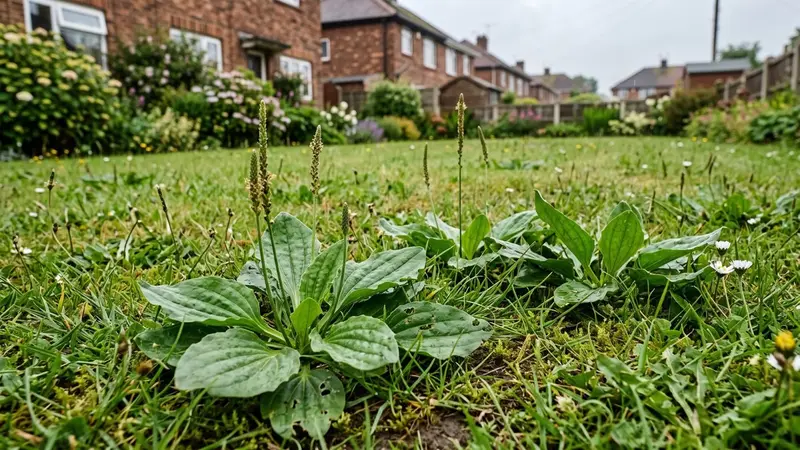
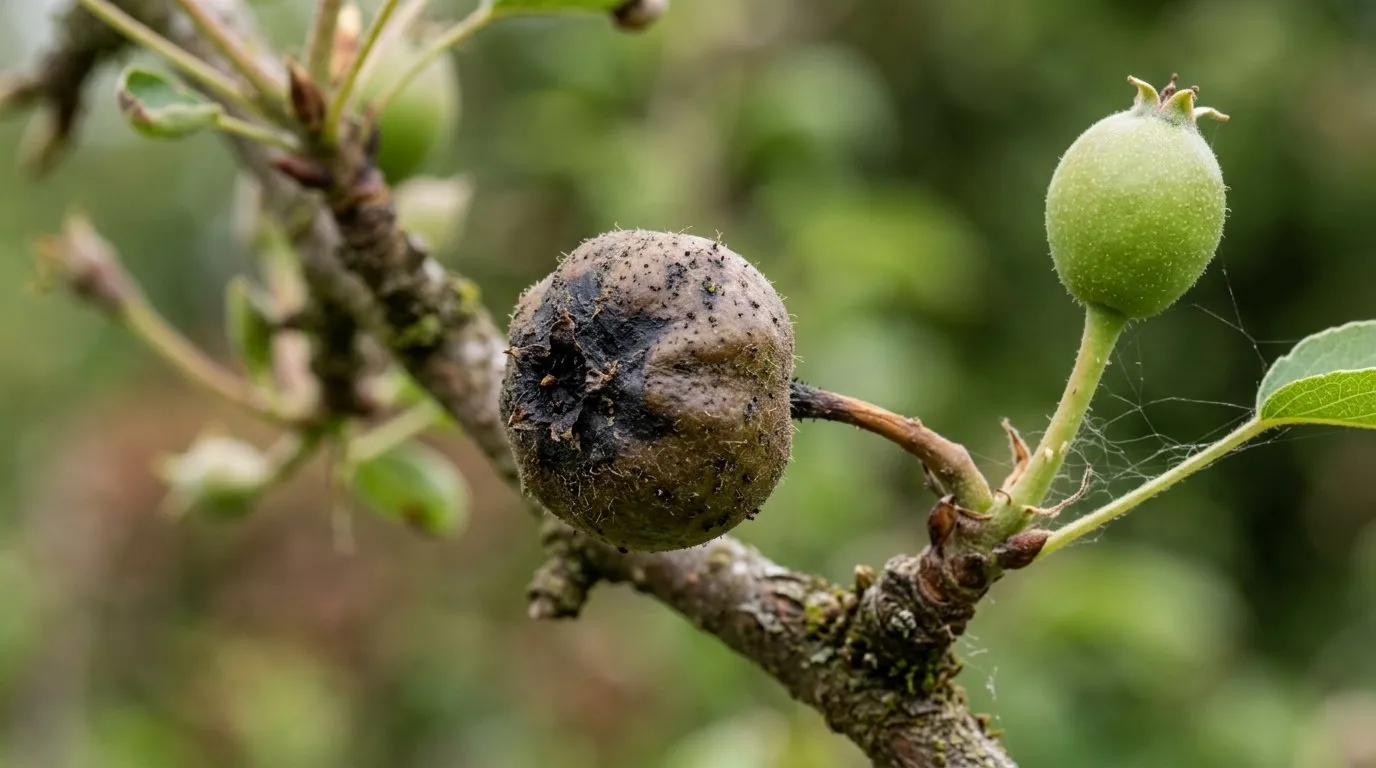 Blackening at the eye end and abnormal swelling are the classic pear midge signs.
Pear midge or frost? How to tell the difference
Gardeners often blame frost or poor pollination for early fruit drop, when the real culprit is midge. The three causes look similar from a distance, so it pays to check before you act. Frost damage usually browns the whole fruitlet evenly and follows a cold snap during blossom. Poorly pollinated fruitlets simply stay small, yellow and shrivel without swelling. Pear midge does the opposite. Affected fruitlets swell larger than healthy ones first, then blacken from the eye end.
The deciding test takes ten seconds. Pick a suspect fruitlet and slice it open. Frost and poor pollination leave the inside dry, pale and seedless. Pear midge leaves a dark, soft, hollowed centre full of moving maggots. If you find larvae, you have midge, and the timing of your response matters far more than for any weather-driven drop. Get this identification right and you avoid wasting effort on a problem that fixes itself.
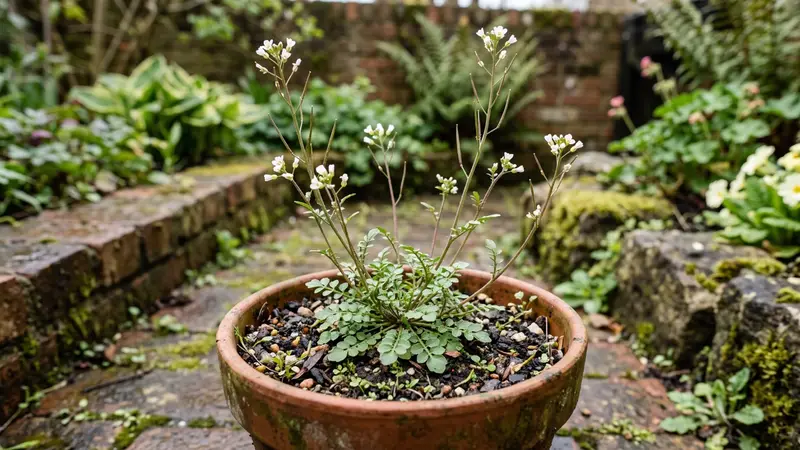
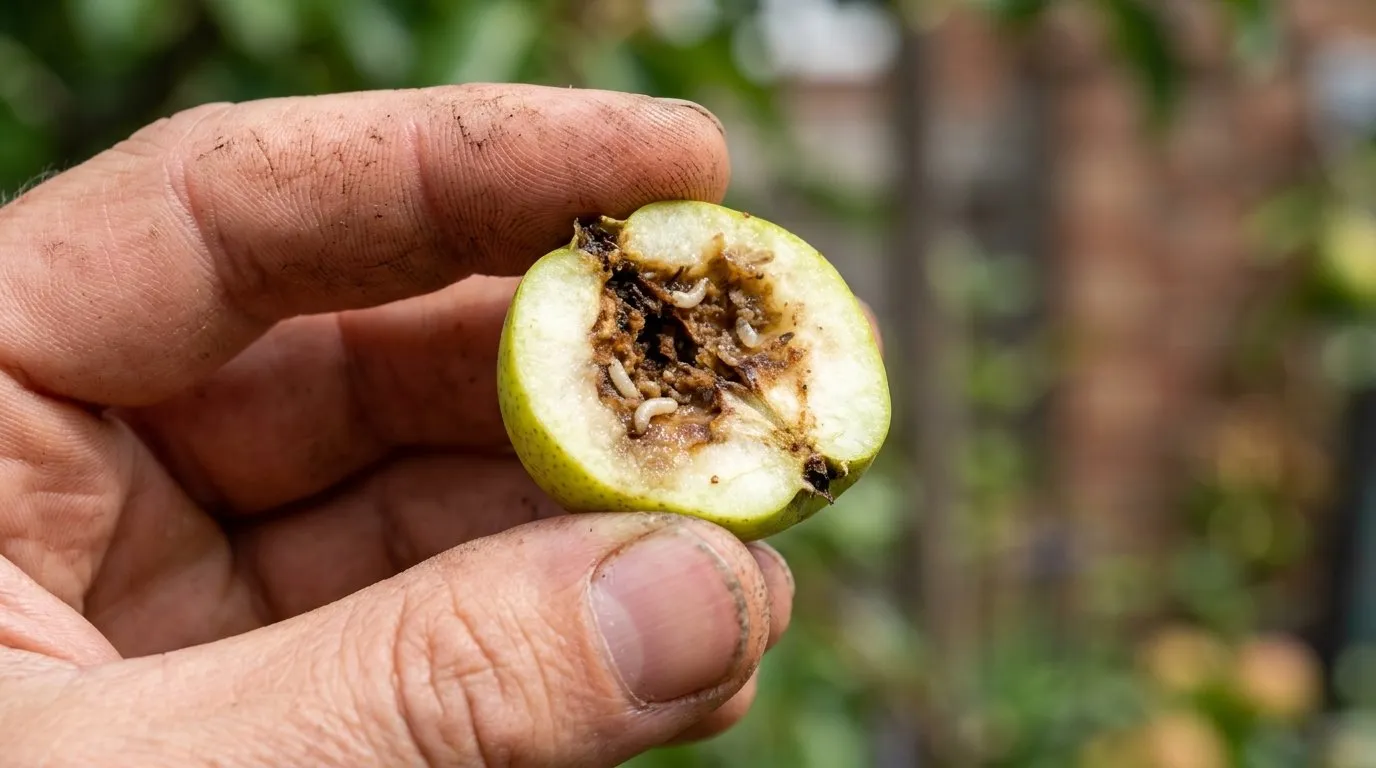 The clinching test: cut a fruitlet and look for the white-to-orange maggots inside.
The pear midge life cycle and why it matters
Understanding the life cycle tells you exactly when to act. Pear midge runs one generation a year, and almost all of it happens out of sight. Here are the stages in order.
- Adult emergence (late March to April). Adults climb out of soil cocoons just as pear buds swell. They are tiny grey-brown flies, about 2-3mm, and live only a few days.
- Egg-laying (white-bud stage). Females push eggs into the unopened blossom, often before petals show colour. This window is short, sometimes under a week.
- Hatching (about four days later). Larvae hatch and bore into the developing ovary at the centre of each fruitlet.
- Larval feeding (April to late May). The maggots feed inside the fruitlet, causing the fast swelling and blackening.
- Fruitlet drop (May to June). Fully fed larvae are carried to the ground inside the dropped fruitlets, or wriggle out as they fall.
- Soil pupation (June onward). Larvae burrow about 5cm down and spin silk cocoons. They overwinter there and pupate the next spring, restarting the cycle.
The critical mistake most people make is leaving dropped fruitlets on the ground. Once larvae reach the soil, your control window has closed for the year. Every blackened fruitlet you fail to remove before it drops becomes next spring’s adults. Acting at stages four and five is the whole game.
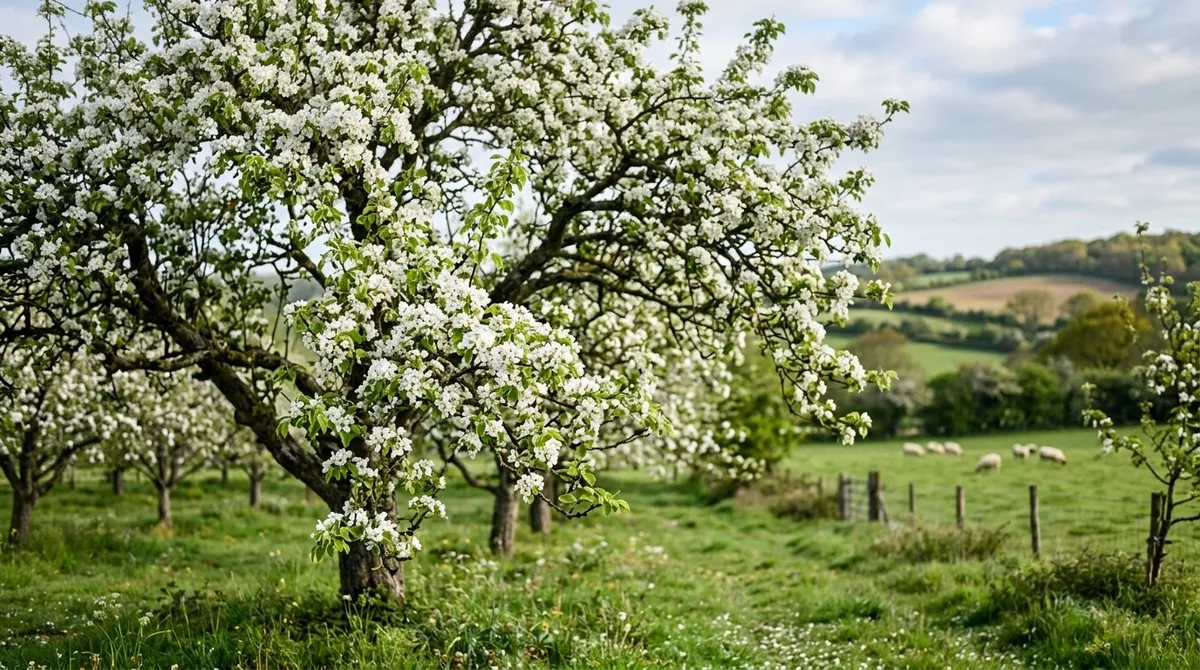
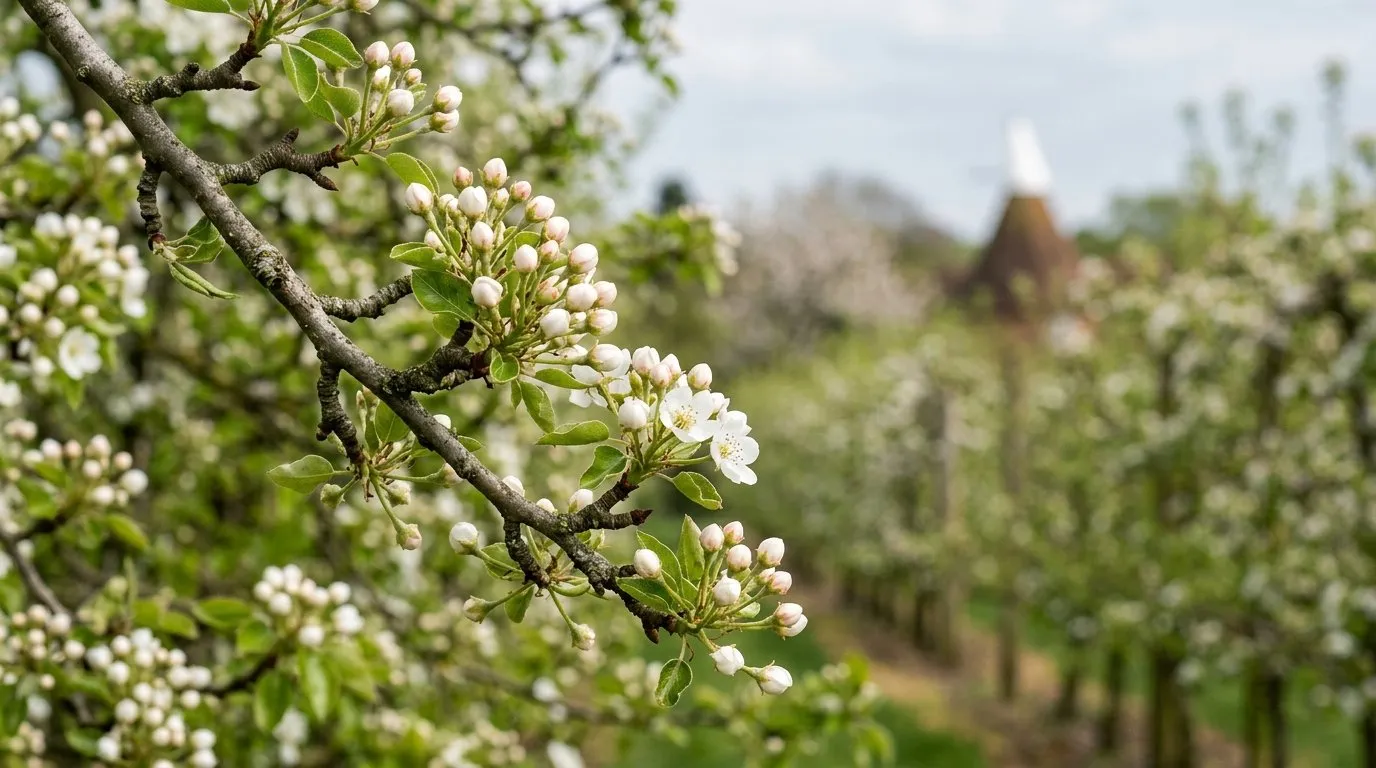 White-bud and early blossom in April is when the adult midge lays its eggs.
Removing affected fruitlets: the routine that works
The single most effective control is meticulous removal of every infested fruitlet before the larvae escape. This is hands-on work and there is no shortcut. From late April, walk the tree every few days and pick off any fruitlet that looks swollen, soft or blackened at the eye. Drop them straight into a bucket, never onto the grass, because a fruitlet on the ground releases its larvae just the same.
Aim to finish the main sweep by mid-May, before fruitlets start dropping naturally. On a small garden tree this takes 20-30 minutes per visit and three or four visits per season. Destroy what you collect. Burning, drowning in water for a week, or sealing in a bag for the council bin all work. Never add infested fruitlets to an open compost heap, as the larvae survive and reach the soil anyway.
This routine sits at the centre of any organic pest control plan for pears. It is tedious in year one when numbers are high, but the population crashes once you break the cycle for two consecutive seasons.
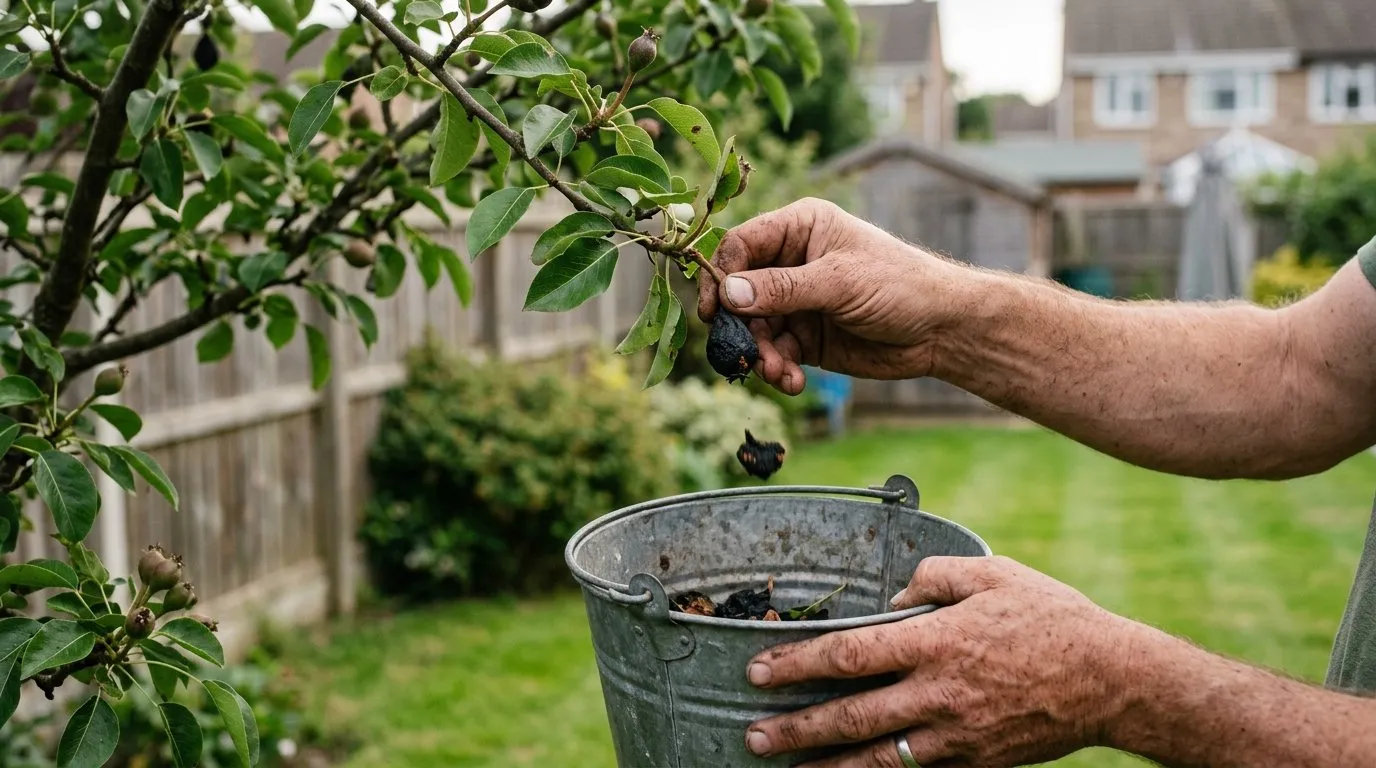 Pick affected fruitlets into a bucket, never onto the ground, and finish by mid-May.
Breaking the soil stage with cultivation
Soil cultivation is your second line of attack, aimed at the overwintering cocoons. Because larvae pupate about 5cm down under the canopy, disturbing that top layer exposes them to frost, drying air and hungry birds. From June, when fruitlets are dropping, lightly fork or hoe the top 8cm of soil under the whole spread of the branches. Keep it shallow so you do not damage feeding roots.
This is where ground cover and thick mulch work against you. A deep mulch layer or dense weed mat under the tree shelters cocoons from frost and predators. Pull mulch back from the trunk area during the danger months and let the soil stay open. The same canopy hygiene helps with other problems too, including those covered in how to grow pear trees.
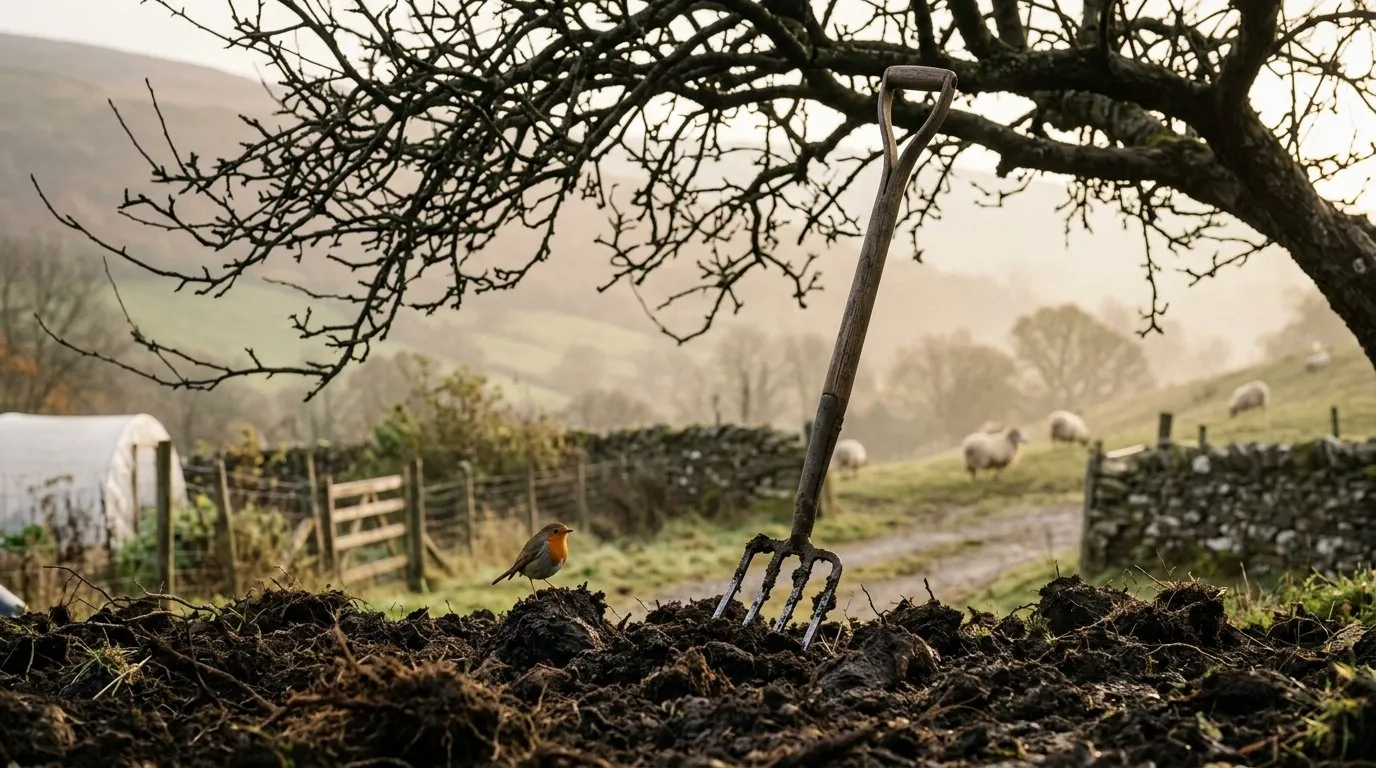 Shallow forking under the canopy from June exposes overwintering cocoons to frost and birds.
Comparing pear midge control methods
No single method clears pear midge alone. The table below ranks the main options by how much they actually reduce damage in a UK garden, with the role each one plays.
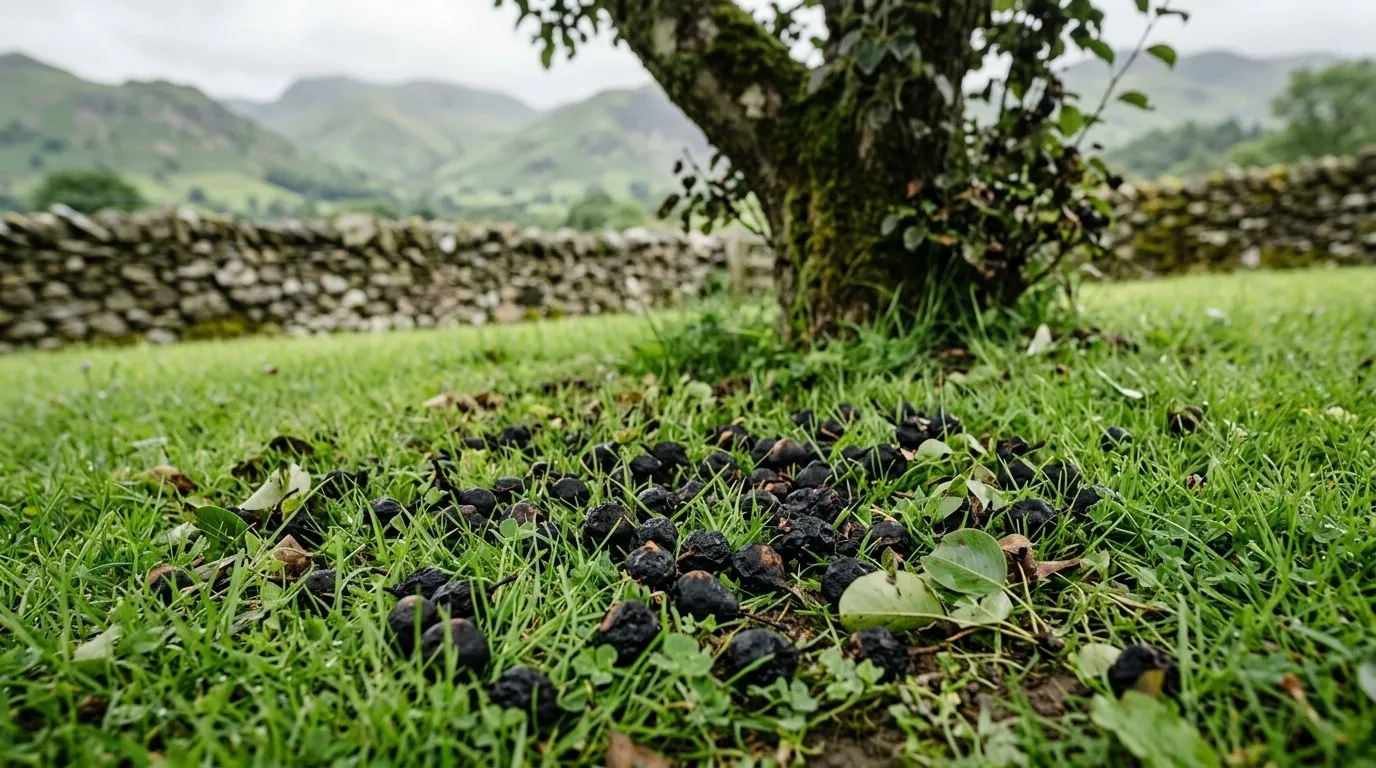 A ring of dropped, blackened fruitlets on the grass is often the first sign gardeners spot.
Why sprays fail and biological options fall short
The reason spraying disappoints comes down to where the larvae live. For most of the season they sit sealed inside the fruitlet, beyond the reach of any contact insecticide. The only exposed stage is the adult, which flies for a few days around white bud. Hitting that narrow window is hard, and spraying open blossom risks the bees you need for pollination. The Royal Horticultural Society advises against chemical control for this pest for exactly these reasons, and points gardeners to hygiene and predators instead. You can read the RHS guidance on pear midge for the official position.
Biological controls help but do not cure. Nematodes of the Steinernema group can attack larvae as they enter the soil, yet the drop window is short and soil must be warm and moist for them to work. Treat them as one layer in a wider plan, the same way you would for other soil pests in our guide to biological pest control with nematodes. Encouraging garden predators is cheaper and more reliable than any product.
The root cause: why your tree gets hit every year
Recurring pear midge is rarely bad luck. The root cause is a resident population breeding in the soil under your own tree, topped up each spring. If you tolerate one bad year and leave the fruitlets to drop, you guarantee a worse one next season. The cycle is self-feeding because every tree provides both the blossom for egg-laying and the soil for overwintering, all in one place.
Early, heavy-blossoming varieties make the problem worse. Conference and Williams open masses of bud at once, giving the short-lived adults plenty of egg-laying sites. Trees that flower lighter or later often escape the peak. This matters when you plant, so it is worth weighing midge risk alongside flavour and cropping in our guide to the best pear tree varieties. Breaking the local breeding cycle, not chasing symptoms, is what ends the yearly losses.
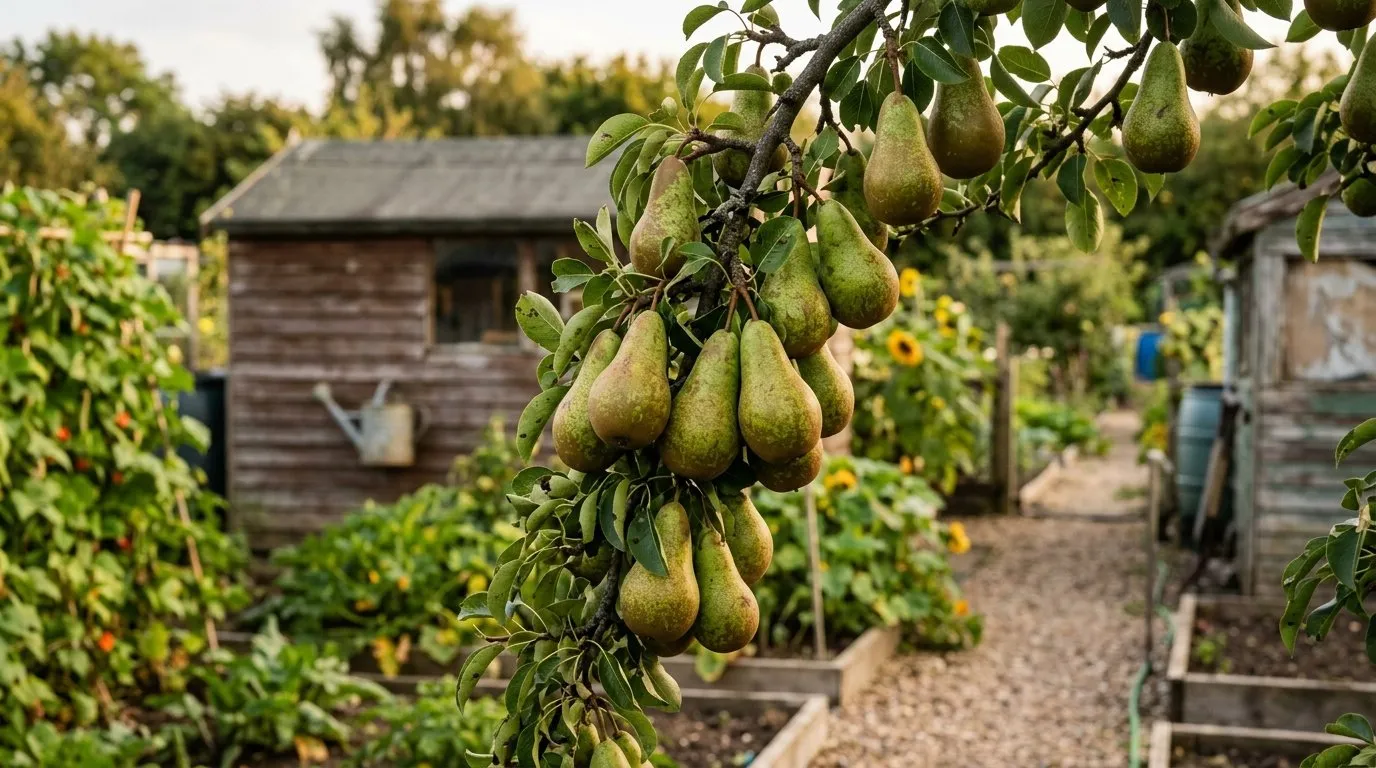 A clean crop is the reward for two seasons of disciplined fruitlet removal and soil work.
Common mistakes that keep pear midge coming back
Most gardeners who battle pear midge for years are repeating one of these errors.
- Leaving dropped fruitlets on the ground. This happens because the drop looks like a natural June fall. The larvae then reach the soil and overwinter. Avoid it by picking and destroying every affected fruitlet before mid-May, and clearing any that fall.
- Composting infested fruitlets. People assume composting destroys pests. It does not; larvae survive an open heap and crawl into the soil. Burn, drown or bin them instead.
- Mulching heavily under the tree. A thick mulch feels like good husbandry but it shelters cocoons from frost and birds. Keep the soil under the canopy open and cultivatable through the danger months.
- Relying on a spray. Reaching for insecticide wastes money because larvae are sealed inside the fruit. Put that effort into the hand-picking routine, which actually works.
Good general orchard hygiene supports all of this. Clean pruning improves airflow and makes inspection easier, so it is worth following sound technique in our guide to pruning fruit trees.
Gardener’s tip: Keep a tally. Count the fruitlets you remove each year and write it down. When the number falls season on season, you know the cycle is breaking, and it tells you when you can ease off the daily checks.
Warning: Never spray open pear blossom to target the adult midge. You will kill bees and other pollinators that your crop depends on, and the spray still misses most of the midge. Hygiene is the safe and effective route.
How pear midge fits the wider pear pest picture
Pear midge is one of several garden problems that can hit a UK pear crop, and knowing it apart from the others saves wasted effort. Codling moth, for example, attacks later in the season and tunnels into nearly ripe fruit, a different problem with a different fix; our guide on codling moth covers that pest. Scab marks leaves and skins rather than hollowing fruitlets, as set out in the article on apple and pear scab.
Healthy, well-managed trees shrug off setbacks better. Good feeding, sensible rootstock choice and clean pruning all build resilience, which is why understanding fruit tree rootstocks helps you manage tree size and inspection access. A tree you can reach and walk around is a tree you can protect. Garden Organic offers further reading on managing fruit pests without chemicals through their organic growing advice.
Frequently asked questions
How do I know if my pears have pear midge?
Cut open a swollen, blackened fruitlet and look for maggots. Healthy fruitlets stay green and firm. Midge-damaged ones swell faster, feel soft, blacken at the eye end first, then drop. Inside you find tiny white to orange larvae and a blackish mush where the core should be.
What time of year does pear midge attack?
Adults emerge from late March to April and lay eggs at white-bud stage. Larvae feed inside fruitlets through April and May. The damaged fruitlets drop in May and June. By late June the larvae have left for the soil, where they stay until the following spring.
Will spraying get rid of pear midge?
No, sprays rarely work because larvae sit sealed inside the fruit. Contact insecticides cannot reach them, and the brief adult window before blossom is hard to hit. Hygiene and soil cultivation give far better results than chemicals for this pest.
Can I save fruitlets that already show pear midge damage?
No, an infested fruitlet is lost and will drop. The point of removing it is to stop the larvae reaching the soil. Pick every blackened, swollen fruitlet before mid-May and destroy it, so the next generation never establishes.
Which pear varieties are most affected by pear midge?
Conference and Williams are commonly hit in UK gardens. The midge targets early, heavy-blossoming varieties because more open buds mean more egg-laying sites. No pear is fully resistant, but lighter-flowering trees and well-spaced fruitlets tend to suffer less damage overall.
Do nematodes control pear midge?
Soil-applied nematodes give partial help at best, not a cure. Steinernema species can attack larvae as they enter the soil, but timing the drench to the brief drop window is hard. Treat nematodes as a maintenance layer alongside fruitlet removal, never as a standalone fix.
How deep should I cultivate the soil to kill the pupae?
Fork the top 8cm of soil under the whole canopy. Cocoons sit about 5cm down, so shallow forking from June onward exposes pupae to frost, drying and birds. Repeat in autumn and again in late winter to disturb as many cocoons as possible.
Now you have the life cycle and the routine, read our guide on growing fruit trees for the feeding, training and care that build a crop worth protecting.
Our team produces practical UK gardening guidance from source research, contributor records and established horticultural practice. Editorial standards are overseen by Matt W.